Have you ever wondered if the bird seed you buy could grow into beautiful plants in your garden? If you’re curious about safflower bird seed, you’re not alone.
You might be asking yourself, “Can I plant safflower bird seed and get vibrant flowers or useful crops? ” The answer could surprise you. Keep reading to discover what happens when you plant safflower seed, how easy it is to grow, and why it might be the perfect addition to your garden.
This simple step could transform your outdoor space in ways you didn’t expect. Ready to learn more? Let’s dive in.
Safflower Seeds And Gardening
Safflower bird seed is popular for feeding wild birds. Many gardeners wonder if they can plant this seed. Growing safflower plants can add beauty to gardens.
Planting safflower from bird seed depends on seed quality and type. Understanding the seed helps gardeners decide if planting is possible.
Nature Of Safflower Bird Seed
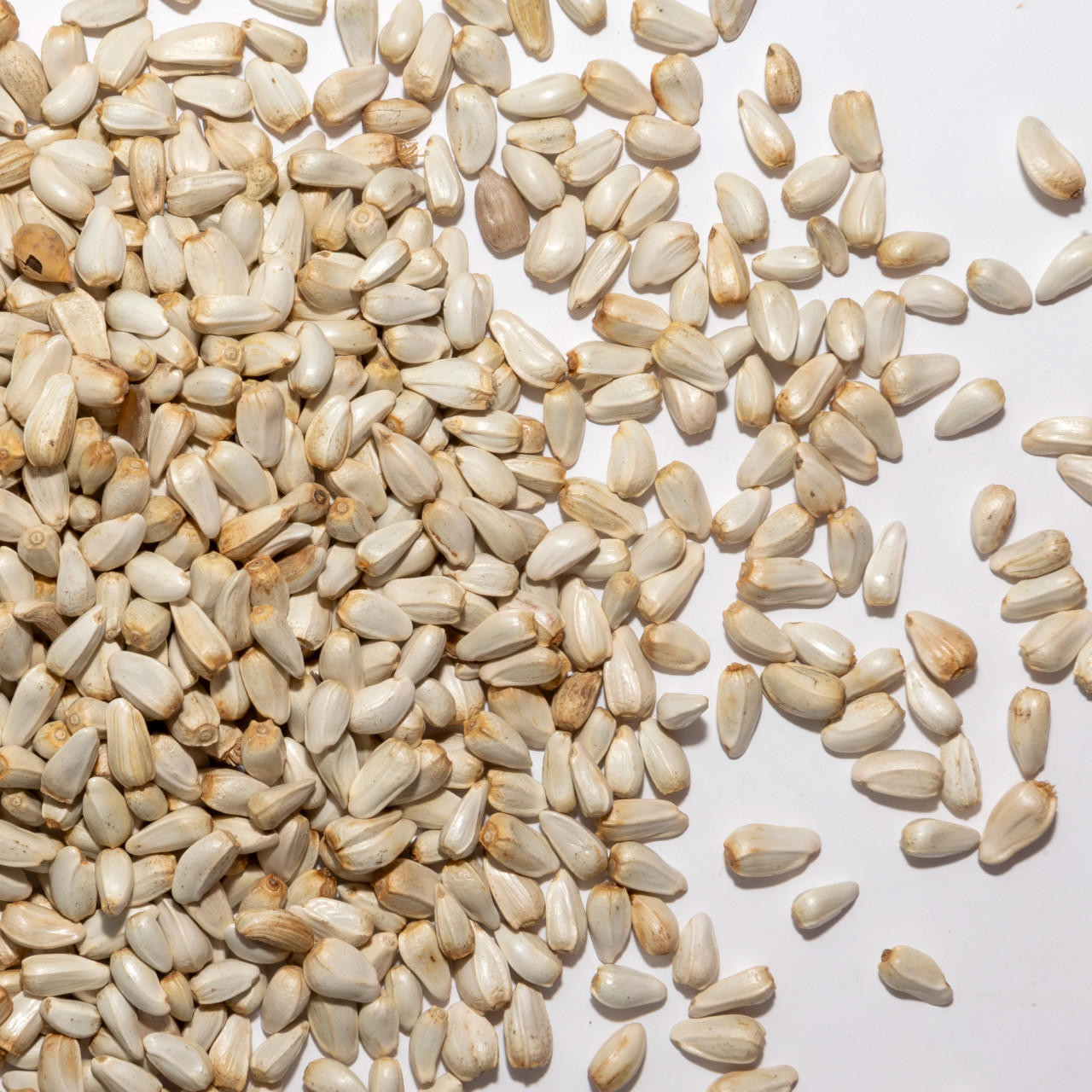
Safflower seeds come from a plant that grows tall with spiky flowers. The seeds are white and oily. Birds like safflower seeds because of their taste and nutrition.
The seeds sold as bird feed may be treated or cleaned. This process can affect their ability to grow into plants. Untreated seeds have a better chance to sprout.
Seed Composition And Quality
Safflower bird seeds have a hard outer shell. Inside, they contain oils and nutrients. The seed quality affects germination and plant health.
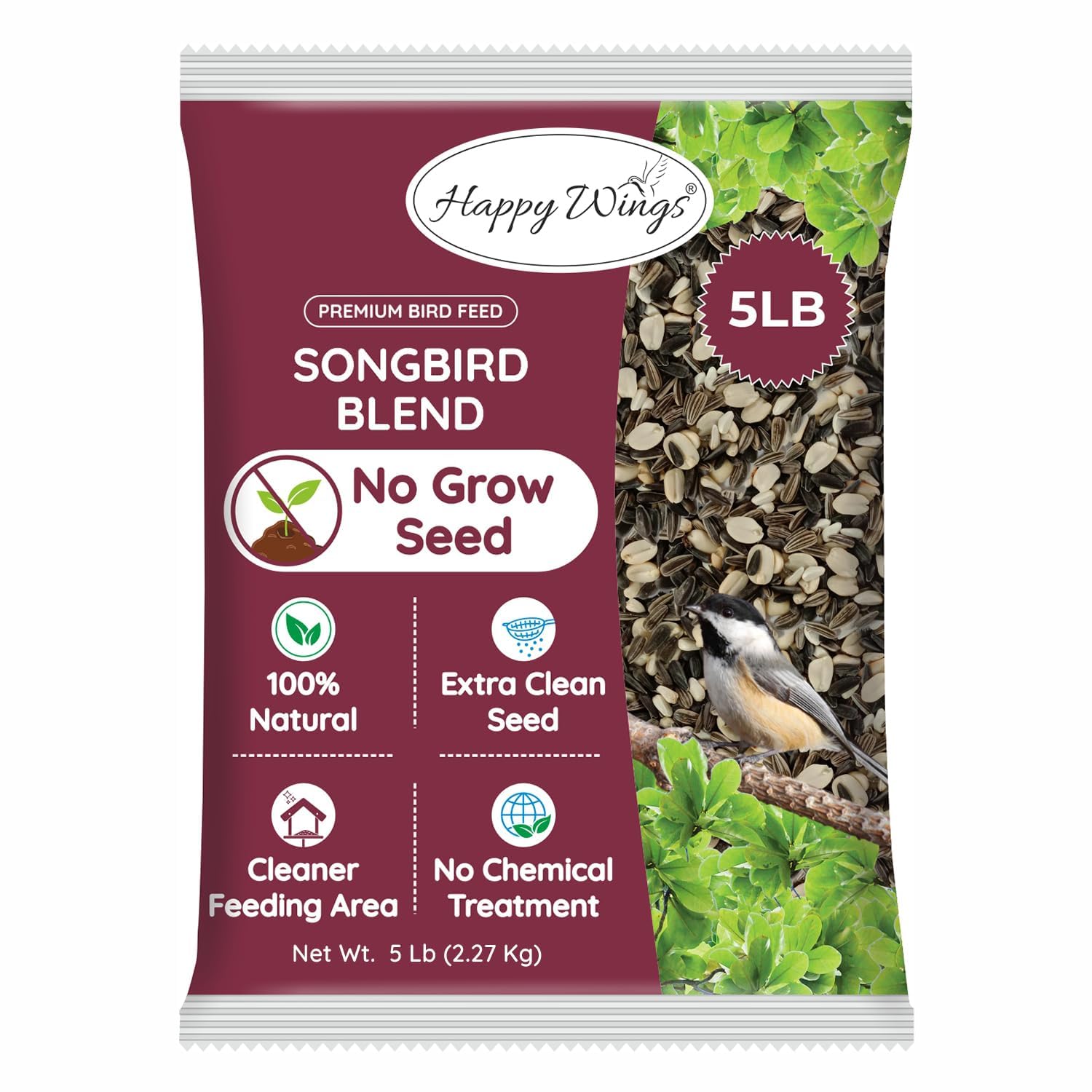
Some bird seeds are mixed with other seeds or coated to prevent sprouting. These treatments lower the chance of growing safflower plants. For best results, buy seeds labeled for planting.
Planting Safflower Seeds
Safflower is a tough plant that grows well in many places. It produces bright flowers and seeds loved by birds. You can plant safflower seeds to attract birds to your garden.
Learning the right way to plant safflower seeds helps them grow strong. This guide covers the best time to plant, soil tips, and how deep to plant the seeds.
Best Time To Plant
Plant safflower seeds in early spring. The soil should be warm and dry enough. Avoid planting in very cold or wet soil. This helps the seeds sprout well.
Safflower grows best in full sun. Choose a day with no strong wind for planting. This protects young plants from damage.
Soil Preparation Tips
Good soil helps safflower seeds grow healthy roots. Prepare the soil before planting by removing weeds and rocks. Loosen the soil to let air reach the roots.
- Use well-drained soil with neutral pH (6.0 to 7.5).
- Add compost or organic matter to improve soil quality.
- Avoid heavy clay soils that hold too much water.
- Make sure the soil is free from large debris and clumps.
Optimal Planting Depth And Spacing
| Planting Detail | Measurement |
|---|---|
| Seed Planting Depth | 1 to 1.5 inches (2.5 to 4 cm) |
| Space Between Seeds | 6 to 8 inches (15 to 20 cm) |
| Row Spacing | 24 to 30 inches (60 to 75 cm) |
Plant seeds at the right depth to protect them from birds and pests. Keep enough space between plants to allow sunlight and air flow. This reduces disease risk and helps plants grow strong.
Growth Requirements
Safflower bird seed can grow well if you meet its basic needs. Understanding these needs helps the plants thrive. This guide covers sunlight, watering, and fertilization.
Each factor plays an important role in healthy safflower growth. Follow simple tips to get good results.
Sunlight Needs
Safflower plants need full sun to grow strong. They should get at least 6 hours of direct sunlight daily. Less light can cause weak growth and fewer flowers.
Watering Practices
Water safflower plants moderately. They prefer dry soil over wet soil. Too much water can cause root problems. Water deeply but allow the soil to dry between watering.
- Water once or twice a week during dry spells
- Check soil moisture before watering
- Avoid waterlogging the soil
- Use mulch to keep soil moist
Fertilization Guidelines
| Fertilizer Type | Application Time | Amount |
| Balanced NPK (10-10-10) | Before planting | 1 pound per 100 sq ft |
| Low Nitrogen Fertilizer | During growth | Half strength every 4 weeks |
| Compost | Anytime | 2 inches layer on soil surface |
Credit: kennedywildbirdfood.co.uk
Common Challenges
Growing safflower from bird seed can be rewarding. Yet, it brings some challenges. Knowing these helps you care for your plants better.
This guide covers pests and diseases, weather-related issues, and seed germination problems. Each section explains common troubles you may face.
Pests And Diseases
Safflower plants face attacks from insects and diseases. These can stunt growth or kill seedlings.
- Aphids suck plant juices, causing leaves to curl and yellow.
- Cutworms chew young stems near the soil surface.
- Powdery mildew creates white spots on leaves.
- Root rot happens if soil stays too wet.
Weather-related Issues
Safflower grows best in sunny, dry climates. Weather can cause stress and affect growth.
| Weather Problem | Effect on Safflower |
| Too Much Rain | Root rot and fungal diseases |
| Frost | Seedling death and delayed growth |
| High Heat | Wilted leaves and poor flower development |
| Strong Winds | Broken stems and damaged plants |
Seed Germination Problems
Sometimes safflower seeds do not sprout well. This can slow your planting progress.
- Old or poor-quality seeds may fail to germinate.
- Planting too deep can stop seedlings from reaching the surface.
- Cold soil slows or prevents seed growth.
- Dry soil can cause seeds to dry out before sprouting.
Benefits Of Growing Safflower
Safflower is a versatile plant that offers many benefits. It is easy to grow and suits different climates.
Growing safflower can help your garden in many ways. It supports wildlife, improves soil, and provides useful oil.
Attracting Wildlife
Safflower seeds attract many birds, especially cardinals and chickadees. These birds prefer safflower over other seeds.
Growing safflower near your home helps create a habitat for birds. It adds beauty and life to your garden.
Oil And Culinary Uses
Safflower seeds produce oil that is light and healthy. This oil is often used in cooking and salad dressings.
The oil from safflower is low in saturated fat. It is a good choice for those who want healthy food options.
Soil Health Improvement
Safflower plants help improve soil by adding organic matter. Their deep roots break up hard soil and improve drainage.
Growing safflower can reduce soil erosion. It also helps keep soil nutrients balanced for future crops.

Credit: www.amazon.com
Harvesting And Storage
Growing safflower from bird seed is possible if you want to harvest your own seeds. Knowing when and how to harvest is important. Proper storage keeps seeds fresh for planting next season.
This guide helps you understand the best time to harvest safflower seeds, how to collect them, and how to store them safely.
When To Harvest
Harvest safflower seeds when the flower heads turn brown and dry. The seeds should feel hard and dry to the touch. This usually happens late in the growing season.
Check the plants often to avoid losing seeds to birds or bad weather. Harvest before heavy rain or strong winds come.
Harvesting Techniques
Cut the flower heads off the plant using sharp scissors or garden shears. Hold a bag or container under the heads to catch falling seeds.
Dry the flower heads in a warm, dry place with good air flow. After drying, rub the heads to release the seeds. Remove any plant debris from the seeds.
- Use scissors or shears to cut heads
- Dry heads in a warm, airy spot
- Rub heads to separate seeds
- Clean seeds from debris
Seed Storage Tips
Store safflower seeds in a cool, dry place to keep them viable. Use airtight containers like glass jars or sealed plastic bags to prevent moisture.
Label your containers with the harvest date. Check seeds before planting to ensure they look healthy and dry.
- Keep seeds in airtight containers
- Store in a cool, dry spot
- Label with harvest date
- Check seeds before planting

Credit: www.reddit.com
Frequently Asked Questions
Can You Grow Safflower From Bird Seed?
Yes, you can grow safflower from bird seed if the seeds are raw and untreated. Avoid seeds coated with chemicals or preservatives. Plant them in well-drained soil and a sunny location for the best growth results.
Is Safflower Bird Seed Good For Planting?
Safflower bird seed can be good for planting if it is untreated and raw. Treated seeds won’t germinate. Proper soil and watering are essential to grow healthy safflower plants from bird seed.
How Long Does Safflower Take To Grow?
Safflower typically takes about 90 to 120 days to mature. It requires full sunlight and moderate watering. The plant grows best in well-drained soil and warm temperatures.
Can Safflower Seeds Be Used For Cooking?
Yes, safflower seeds are edible and often used for oil extraction. The oil is healthy, rich in unsaturated fats. The seeds themselves are also used in some recipes and bird feed.
Conclusion
Safflower bird seed can indeed grow into safflower plants. It’s a simple process. Just plant seeds in well-drained soil. Water them regularly. Soon, you’ll see sprouts. These plants attract birds and add beauty. They also offer a sustainable seed source.
Growing them is rewarding for nature enthusiasts. Plus, it’s a fun garden project. Safflower plants thrive in sunny spots. Easy to manage and beneficial. Give it a try in your garden. Enjoy watching nature flourish.