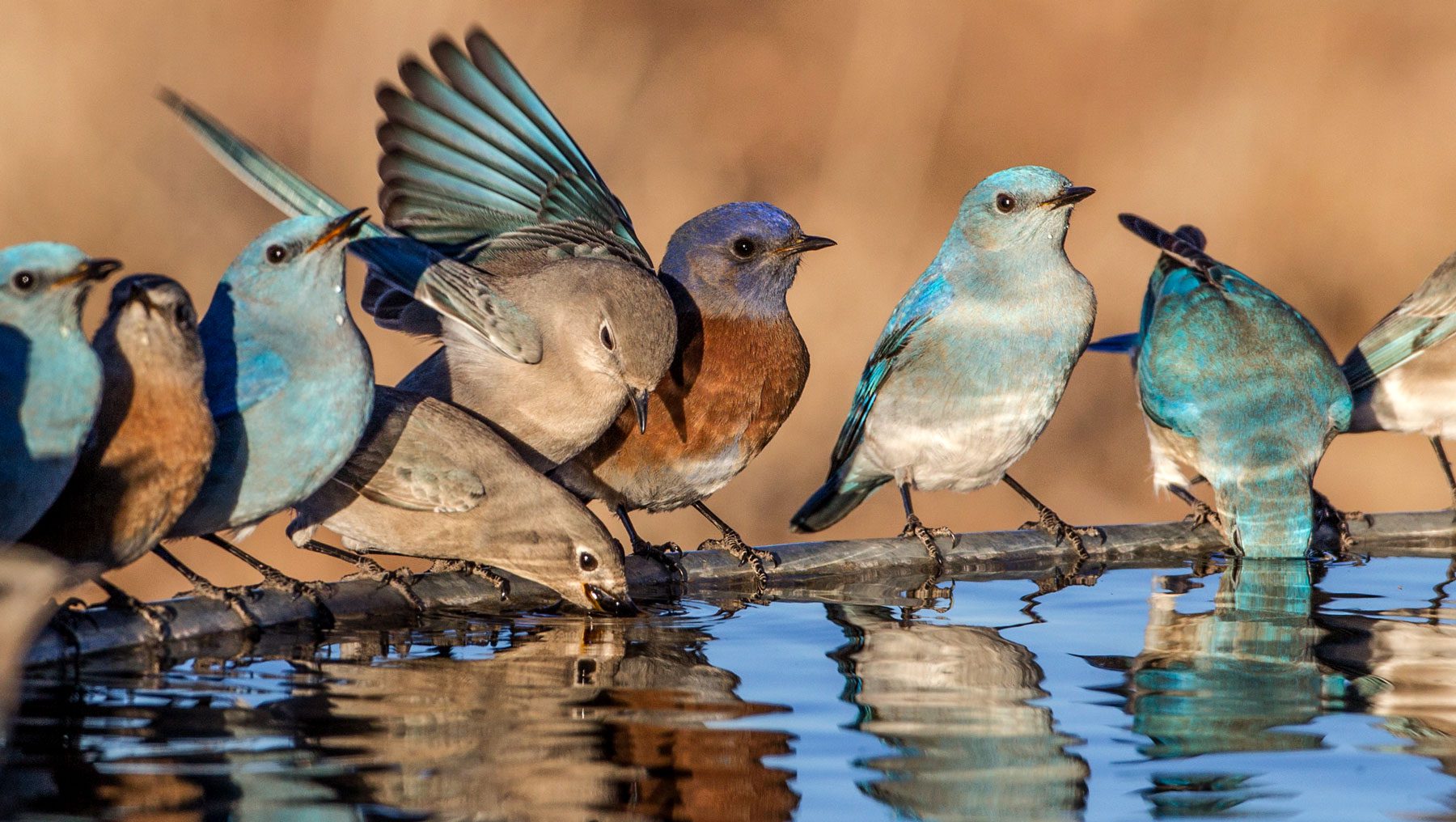
Have you ever wondered when birds visit your bird bath the most? Knowing the time of day when birds come to splash and drink can help you create a perfect spot that attracts more feathered friends.
Whether you want to enjoy their lively visits or help them stay refreshed, understanding their habits makes all the difference. Keep reading to discover the best times to watch your bird bath come alive with activity—and how you can make it even more inviting for your winged visitors.
Bird Bath Popularity Throughout The Day
Bird baths are great spots for birds to drink and clean themselves. Birds visit bird baths at different times during the day. Watching their daily routine helps understand their needs and habits.
Knowing when birds use bird baths most helps keep the water fresh and inviting. It also allows bird watchers to enjoy their visits more.
Morning Activity Peaks
Birds are very active in the morning. They often visit bird baths soon after sunrise. This is when they drink water and clean their feathers.
Morning is cool and safe, so birds feel comfortable bathing then. Many species gather together at this time.
- Birds start their day with a bath
- Water helps them stay hydrated
- Bathing removes dust and parasites
Midday Bathing Trends
Bird visits to baths slow down around midday. The sun is hottest then, so birds rest in the shade more. Baths get less crowded during these hours.
Some birds still take quick dips to cool off. But most prefer to stay hidden or hunt for food during midday.
- Less bird activity at bird baths
- Birds seek shade to avoid heat
- Short cooling baths may happen
Evening Visits
Bird activity picks up again in the evening. Birds use baths to clean off dust and bugs from the day. They also drink water before nightfall.
Evening visits are usually calm and less noisy. This is a good time for birds to relax and prepare for the night.
- Birds clean feathers after the day
- Drink water before roosting
- Visits are peaceful and quiet

Credit: www.allaboutbirds.org
Factors Influencing Bathing Times
Birds use bird baths to clean and cool themselves. The time they visit depends on many things. Understanding these factors helps you know when birds will bathe.
Birds choose bathing times based on weather, safety, and their species habits. These elements change their daily routines.
Temperature Effects
Birds often bathe when the temperature is warm. Warm water helps them cool down and stay comfortable. In cold weather, birds may avoid baths to keep warm.
Early morning and late afternoon are common bathing times. The temperature is not too hot or cold during these hours.
- Warm days increase bathing frequency
- Cold days reduce bathing
- Birds prefer water that is not freezing
Predator Presence
Birds watch out for predators while bathing. They choose times when predators are less active. Safety is important to avoid attacks.
Many birds bathe during times with fewer threats. Early morning or midday can be safer than dawn or dusk in some places.
- Birds look for quiet, safe times to bathe
- They avoid bathing near known predator activity
- Group bathing helps spot danger faster
Bird Species Differences
Different bird species have different bathing habits. Some like to bathe in the morning, others prefer afternoon times. Each species follows its own routine.
Smaller birds may bathe more often but for shorter times. Larger birds might bathe less often but stay longer in the water.
- Songbirds often bathe early in the day
- Waterfowl may bathe throughout daylight hours
- Bird size affects how and when they bathe
Behavior Patterns Around Bird Baths
Bird baths are popular spots where birds gather to drink and clean themselves. Birds visit these baths at different times of the day. Their behavior around bird baths shows interesting patterns.
Understanding these patterns helps bird watchers and gardeners create better environments for birds. It also shows how birds interact with each other around water sources.
Social Interactions
Birds often use bird baths as social places. They meet other birds and sometimes compete for space. Some species are more social and share the bath peacefully.
Other birds are territorial and may chase others away. These interactions depend on bird type, time of day, and weather conditions.
- Early morning visits usually have fewer birds and less competition.
- Midday can bring more birds, increasing social activity.
- Some species wait their turn to avoid conflicts.
Bathing Rituals
Birds use bird baths mainly for cleaning their feathers. Bathing helps remove dirt and parasites. Most birds splash water over their bodies to stay healthy.
Bathing usually happens in the morning or late afternoon. Birds take short baths, then shake off water and preen their feathers to dry.
- Birds dip their heads and wings repeatedly.
- They often bathe alone but sometimes in small groups.
- Bathing helps birds regulate body temperature.
Frequency Of Visits
Birds visit bird baths several times a day. The exact number depends on weather and bird species. Hotter days cause more frequent visits for drinking and cooling off.
Visits often peak in the morning and late afternoon. These times are cooler and safer for birds to stay longer at the bath.
- Morning: Birds drink and bathe after resting overnight.
- Afternoon: Birds return to cool down and refresh.
- Evening visits are less common but happen during hot weather.

Credit: www.birdwatchingdaily.com
Seasonal Variations In Bath Usage
Birds use bird baths throughout the year, but their bathing times change with the seasons. The weather and daylight affect when birds visit baths.
Understanding these seasonal habits helps keep bird baths clean and inviting all year round.
Summer Bathing Habits
In summer, birds use baths mostly in the early morning and late afternoon. These times are cooler and safer from predators.
Birds also use baths to cool down and drink water during hot days.
- Early morning visits help birds start their day clean.
- Late afternoon baths cool birds after a warm day.
- Birds drink water more often in summer heat.
Winter Adjustments
In winter, birds use baths less often and usually at midday. This is when the sun warms the water and air.
Frozen water can stop birds from bathing, so keeping baths ice-free helps them stay clean.
- Midday is the warmest time for winter baths.
- Birds bathe less to save energy in cold weather.
- Warm water encourages more frequent visits.
Migration Periods
During migration, birds use baths at different times depending on their travel schedule. They often stop to rest and refresh.
Birds may bathe early in the morning or late in the evening before or after flying long distances.
- Baths provide hydration and cleaning during long journeys.
- Birds use baths whenever they find safe stops.
- Migration timing changes bath usage patterns.
Tips To Attract Birds At Optimal Times
Birds often visit bird baths early in the morning or late in the afternoon. These times are cooler and safer for them to drink and bathe. Knowing when birds use baths helps you attract more birds to your yard.
By setting up your bird bath correctly and keeping it clean, you can make your space inviting for birds. Simple changes can bring more feathered friends to your garden during these key times.
Bath Placement Strategies
Place your bird bath where birds feel safe and comfortable. Morning sun warms the water, attracting birds early in the day. Avoid placing baths in full sun all day to keep water cool.
Near shrubs or trees is best. Birds use nearby cover to hide from predators. Open spaces make birds nervous and less likely to visit.
- Put bath in a spot with morning sunlight
- Keep some shade during the hottest hours
- Place near bushes or small trees for shelter
- Avoid busy or noisy areas
Water Maintenance
Clean, fresh water attracts more birds. Change the water every day or every other day, especially in warm weather. Dirty water can scare birds away or cause illness.
Keep the water level shallow. About one inch is enough for most birds to bathe and drink safely. Check the water before dawn and late afternoon for best results.
- Replace water daily in summer
- Use a soft brush to clean the bath weekly
- Keep water shallow, about one inch deep
- Remove leaves or debris promptly
Adding Shelter And Shade
Birds like to visit baths near shelter. Trees and bushes provide safety from predators and harsh weather. Shade helps keep the water cool during the day.
Use natural or artificial shade to protect the bath. A small canopy or nearby plants can create a comfortable spot for birds to rest after bathing.
- Plant shrubs or small trees near the bath
- Use a shade cloth or small roof if needed
- Keep shelter close but not blocking the bath
- Offer perches nearby for birds to dry off

Credit: www.youtube.com
Frequently Asked Questions
What Time Do Birds Prefer To Use Bird Baths?
Birds mostly use bird baths early morning and late afternoon. These times are cooler and safer for drinking and bathing. Morning visits help them hydrate after the night. Late afternoon use cools them before evening rest. Timing varies by species and weather conditions.
Why Do Birds Avoid Bird Baths At Midday?
Birds avoid midday bird baths due to heat and predators. The midday sun can be too hot, causing dehydration risks. Also, predators are more active, making birds cautious. Birds prefer safer, cooler times for bathing and drinking, typically morning and late afternoon.
How Does Time Of Day Affect Bird Bath Usage?
Time of day affects bird bath usage by temperature and safety. Birds bathe when it’s cooler and less risky. Morning and late afternoon offer ideal conditions. Extreme heat or bright sunlight reduces visits. Understanding this helps attract more birds to your bath.
Do Different Birds Use Bird Baths At Different Times?
Yes, bird species use baths at different times based on habits. Some birds are early risers, others prefer dusk. Feeding patterns, predator presence, and weather influence timing. Providing fresh water all day encourages diverse species to visit your bird bath.
Conclusion
Birds love using bird baths in the morning and late afternoon. These times are cooler and safer for them. It’s when the sun isn’t too harsh. Most birds feel refreshed and clean during these hours. Observing them can be a peaceful experience.
Placing your bird bath in a quiet spot helps too. It attracts more birds. Keep the water clean and fresh for their health. Now, you know when to watch for birds enjoying their bath. Enjoy these moments with our feathered friends.
They bring nature closer to your home.