
Are you worried your bird feels sick? Fungal infections in birds are hard to spot. Catching signs early is the only way to help.
Your bird might struggle silently with an infection. Look for odd behavior or breathing issues. You will learn the most common Symptoms of Fungal Infection in Birds to watch for here. Act fast to protect your pet. Keep reading to learn how to recognize these signs. Give your bird the care it deserves.
Common Fungal Infections In Birds
Fungi can hurt birds and ruin their health. These infections often cause breathing or skin issues.
Owners must spot symptoms early. Fast care stops the problem from growing.
Types Of Fungal Pathogens
Many fungi cause sickness in birds. The most common are Aspergillus, Candida, and Cryptococcus.
These fungi attack different body parts. They hurt the lungs, skin, or gut.
Aspergillus: Causes lung infections, often called aspergillosis.
Candida: Causes thrush in the mouth and gut.
Cryptococcus: Attacks the lungs and sometimes the brain.
Bird Species At Risk
Some birds get sick more often. This includes parrots, pigeons, and ducks.
Birds in damp or crowded cages face high risks. Young or stressed birds get sick easily.
Parrots: Get sick from poor air flow.
Pigeons: Can carry and spread Cryptococcus.
Ducks: Get infections in wet areas.
Young birds: Have weak immune systems.
Stressed birds: Cannot fight fungal growth well.
Physical Signs Of Infection
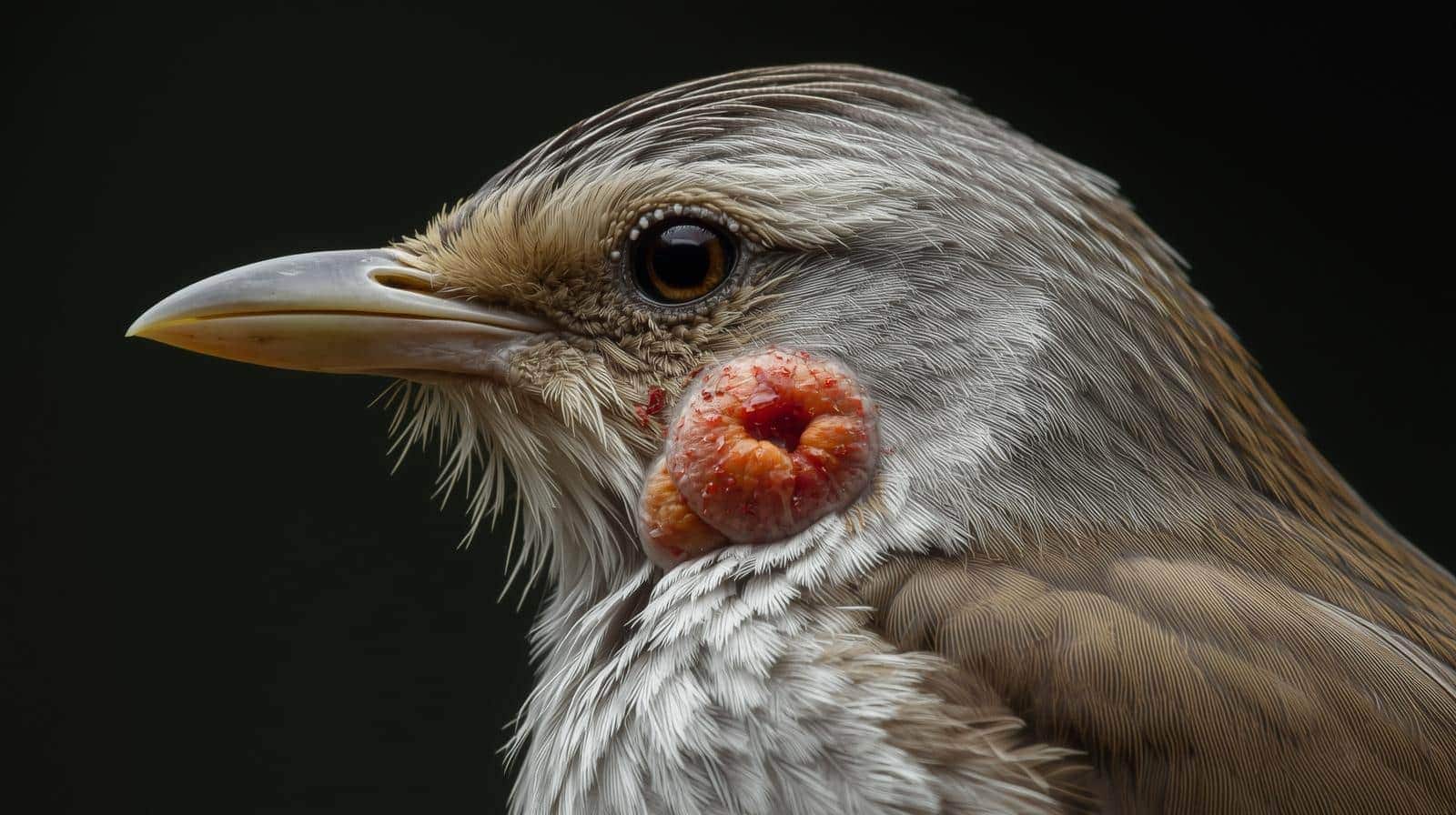
Fungal infections in birds show clear physical signs. These signs help identify the problem early.
Watching your bird closely can catch infections before they get worse. Look for changes in feathers, skin, and swelling.
Feather Changes
Infected feathers look dull or dry. Birds might lose patches of feathers.
Faded feather color.
Broken or missing feathers.
Growth that looks uneven.
Skin Irritation And Lesions
Infected skin looks red. Birds will scratch or rub the spot. You might see sores or scabs. These are visible Symptoms of Fungal Infection in Birds that require immediate attention.
Redness and swelling.
Constant scratching behavior.
Dry or wet sores.
Swollen Areas
Look for swelling near the eyes, beak, or legs. These spots may feel warm. This means the body is fighting.
Swelling on the face.
Thick or puffy skin.
Painful, warm areas.
Behavioral Changes
Fungal sickness often changes how a bird acts. This helps you spot illness early.
Lethargy And Weakness
Sick birds look very tired. They sit still and move very little. Weakness makes it hard to fly.
Loss Of Appetite
Sick birds often stop eating. They may refuse their favorite seeds. This makes the bird even weaker.
Unusual Vocalization
Fungal infections can cause birds to change their sounds. They may chirp less or make strange noises.
These vocal changes can mean discomfort or distress. Pay attention to any new or unusual sounds.

Credit: www.magonlinelibrary.com
Respiratory Symptoms
Fungal infections in birds often cause problems with breathing. These infections can harm the bird’s lungs and airways.
Recognizing signs early helps in getting treatment faster. Watch for changes in your bird’s breathing and nose area.
Labored Breathing
Birds with fungal infections may breathe with difficulty. You might see their chest moving more than usual. Their wings may open wide when they breathe. This is one of the most serious Symptoms of Fungal Infection in Birds.
Nasal Discharge
Liquid may come from the bird’s nose. This can be clear or thick. It makes feathers near the nose wet.
Clear liquid means mild issues.
Colored liquid shows a real infection.
Crusty buildup blocks the nose.
A bad smell means a deep infection.
Coughing And Sneezing
| Symptom | Meaning |
| Coughing | Bird is clearing its throat. |
| Sneezing | Nose or throat is itchy. |
| Wet Sounds | Shows the lungs are sick. |
Digestive Issues
Fungi can attack the gut. This causes pain and weight loss.
Diarrhea
Diarrhea is a common symptom of fungal infections in birds. It happens because the fungus irritates the intestines.
Loose or watery droppings can make the bird weak and dehydrated. This needs quick attention to avoid serious problems.
Regurgitation
Birds with fungal infections may show regurgitation. This means they bring up food from their stomach.
Regurgitation can make it hard for birds to keep food down. It may also cause bad breath and discomfort.
Weight Loss
Weight loss is a serious sign of fungal infection in birds. The infection stops them from absorbing nutrients well.
Birds may eat less or not digest food properly. This causes them to lose body weight quickly.

Credit: www.magonlinelibrary.com
Diagnosing Fungal Infections
Fungal infections in birds can be hard to spot. Early diagnosis helps treat the problem faster.
Veterinarians use several methods to find out if a bird has a fungal infection. These include physical exams and lab tests.
Veterinary Examination
The vet checks the whole body. They look for skin changes and breathing sounds.
Check eyes and beak.
Look for red skin.
Listen for lung cracks.
Check the bird’s energy.
Laboratory Tests
Lab tests confirm the presence of fungi. Samples from the bird’s feathers, skin, or droppings are tested.
| Test Type | Purpose | Sample Needed |
| Fungal Culture | Grow fungi to identify species | Skin or feather scrapings |
| Microscopy | View fungi under a microscope | Skin scrapings or swabs |
| Blood Test | Check for fungal infection markers | Blood sample |
| Molecular Test | Detect fungal DNA | Swabs or tissue samples |
Preventing Fungal Infections
Fungal infections can harm birds and cause serious health problems. Prevention is the best way to keep birds healthy and happy. Clean surroundings and good care help stop these infections from starting.
Learn easy ways to protect birds from fungi by keeping their home clean, controlling the environment, and feeding them well.
Hygiene Practices
Keep cages clean to kill fungal spores. Wash cages weekly with safe disinfectants. * Clean water bowls daily.
Remove bird droppings every day.
Change bedding often.
Wash toys every week.
Environmental Controls
Fungi grow well in warm, damp places. Keep bird areas dry and well ventilated. Avoid overcrowding birds to lower infection risks and the development of Symptoms of Fungal Infection in Birds
| Condition | Recommended Action |
| High humidity | Use dehumidifiers or fans |
| Poor airflow | Open windows or vents |
| Dirty cages | Clean frequently with safe products |
| Overcrowding | Provide enough space for each bird |
Diet And Nutrition
A strong immune system helps birds fight infections. Feed them fresh fruits and pellets. Never give them moldy food.
Store seeds in a dry spot.
Check food for mold daily.
Give fresh water every morning.

Credit: www.magonlinelibrary.com
Frequently Asked Questions
What Are Common Symptoms Of Fungal Infection In Birds?
Common symptoms include difficulty breathing, lethargy, loss of appetite, and feather abnormalities. Birds may also show nasal discharge and weight loss.
How Does A Fungal Infection Affect A Bird’s Health?
Fungal infections can damage respiratory systems and weaken immune defenses. This leads to severe illness and may cause permanent organ damage.
Can Fungal Infections In Birds Be Contagious?
Yes, some fungal infections spread through spores in the environment. Close contact and shared cages increase the risk of transmission.
How To Identify Fungal Infection In Pet Birds Early?
Watch for respiratory distress, unusual droppings, and changes in behavior. Early veterinary diagnosis is crucial for successful treatment.
Conclusion
You must watch for fungal signs. Early detection saves lives. Look for breathing issues or low energy.
Keep the cage clean to stop germs. A good diet makes a huge difference. By monitoring for Symptoms of Fungal Infection in Birds, you give your pet the best chance at recovery. Stay alert and keep them happy!



