Are you wondering how long your unopened bird seed will stay fresh and safe to use? Whether you love feeding backyard birds or want to keep your seed stash ready for the next season, knowing the shelf life of bird seed is key.
Using old or expired seed can mean wasted money and unhappy birds. You’ll discover exactly how long unopened bird seed lasts, how to store it properly, and signs that your seed might have gone bad. Keep reading to make sure your feathered friends always get the best!
Shelf Life Of Unopened Bird Seed
Unopened bird seed can last a long time if stored well. Knowing its shelf life helps keep your birds healthy.
Many factors affect how long bird seed stays fresh and safe to use. It is important to understand these to avoid spoilage.
Typical Expiration Period
Most unopened bird seed lasts between six months to one year. This depends on the seed type and packaging.
| Seed Type | Typical Shelf Life |
| Sunflower Seeds | 12 months |
| Millet | 6 to 8 months |
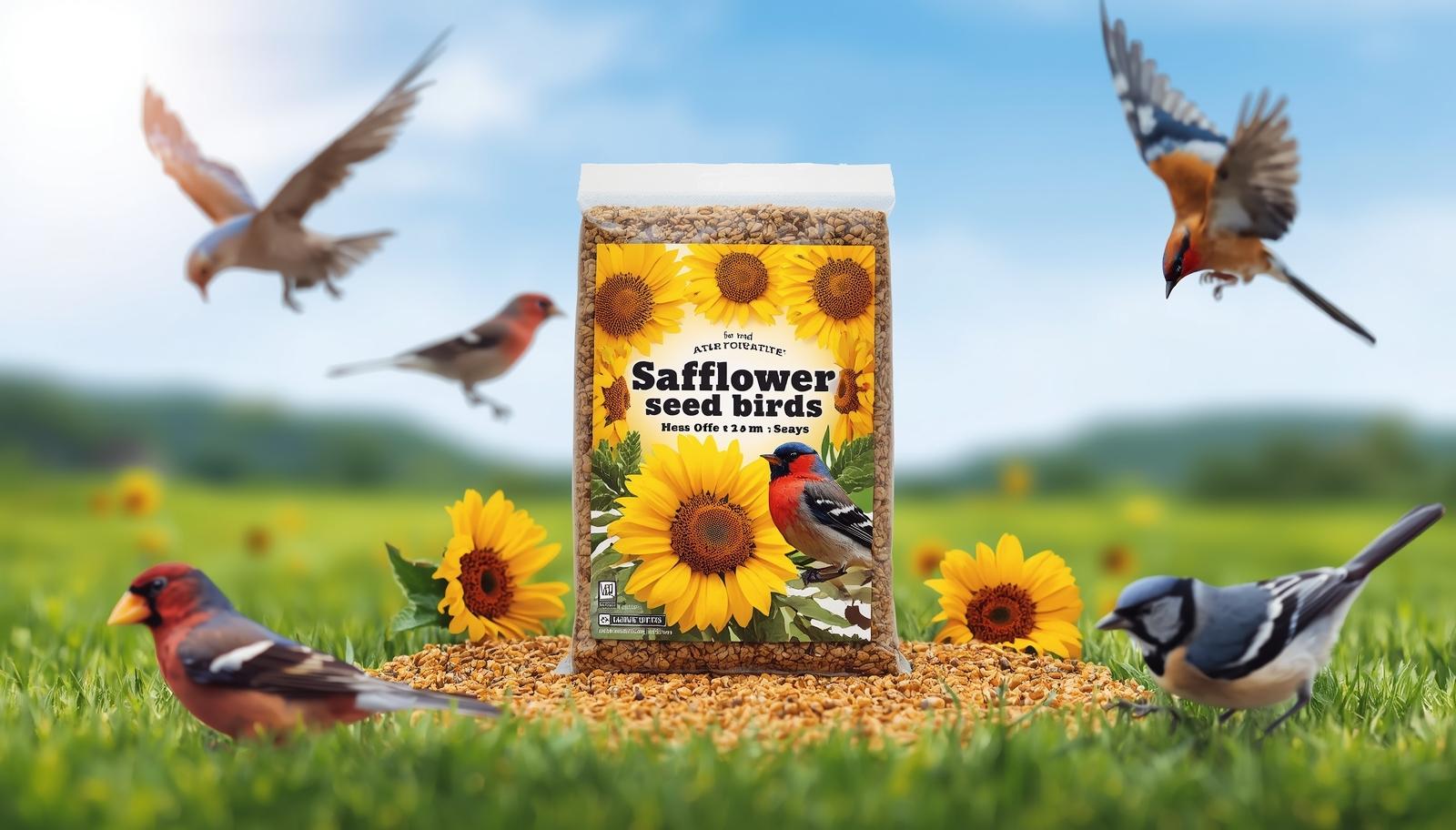
| Safflower Seeds | 12 months |
| Mixed Seed Blend | 6 to 12 months |
Factors Affecting Longevity
Several things can change how long unopened bird seed lasts. Proper storage is key to extending its shelf life.
- Storage temperature: Cooler places keep seeds fresh longer.
- Humidity: High moisture can cause mold and spoilage.
- Packaging: Airtight containers prevent air and pests.
- Seed type: Some seeds have natural oils that go bad faster.
- Light exposure: Dark storage avoids seed damage.
Types Of Bird Seed And Their Durability
Bird seed comes in many types, each with different shelf lives. Knowing how long unopened seed lasts helps keep birds safe and healthy.
Seeds can spoil or lose nutrition if stored too long. Proper storage keeps seed fresh for feeding wild or pet birds.
Mixed Seeds
Mixed seed blends often contain several types of seeds like millet, cracked corn, and sunflower chips. These mixes usually last about 6 to 12 months unopened.
- Contains different seeds with varying durability
- May spoil faster if one seed type goes bad
- Store in a cool, dry place to extend freshness
- Check for clumping or odd smells before use
Sunflower Seeds
Sunflower seeds are popular for their high oil content. They last longer than many seeds but can go rancid if stored poorly.
| Seed Type | Approximate Shelf Life |
| Black Oil Sunflower | 12 Months |
| Striped Sunflower | 9 Months |
| Sunflower Chips | 6 Months |
Millet And Others
Millet and smaller seeds like nyjer have shorter shelf lives. They tend to dry out or lose oil content faster than larger seeds.
To keep these seeds fresh longer:
- Keep seeds in airtight containers
- Avoid exposure to heat and moisture
- Store in a dark place to prevent damage
- Use older seed quickly to avoid spoilage
Storage Conditions For Maximum Freshness
Keeping bird seed fresh helps birds get the best nutrition. Proper storage stops seeds from going bad.
Two main factors affect seed freshness: temperature and humidity. Also, how you package the seed matters.
Ideal Temperature And Humidity
Bird seed stays fresh longer in cool, dry places. High heat and moisture cause seeds to spoil fast.
| Condition | Ideal Range |
| Temperature | 50°F to 70°F (10°C to 21°C) |
| Humidity | Below 50% |
Packaging And Sealing Tips
Good packaging keeps air and moisture out. Seal bags tightly and use strong containers.
- Use airtight containers made of plastic or metal
- Store seed in original packaging if resealable
- Keep bags sealed with clips or ties
- Label containers with purchase date
- Store containers off the floor to avoid dampness

Credit: www.kaytee.com
Signs Of Spoiled Or Stale Bird Seed
Bird seed can spoil or go stale over time, especially if not stored well. It is important to check your seed before feeding birds.
Spoiled seed can harm birds or make them avoid eating. Look for clear signs that show the seed is no longer good.
Visual Indicators
Check the seed carefully for any changes in its look. Spoiled seed often shows visible signs you can see with your eyes.
- Discoloration or dark spots on the seeds
- Mold or white fuzzy growth on the seed surface
- Clumping or caking of seeds together
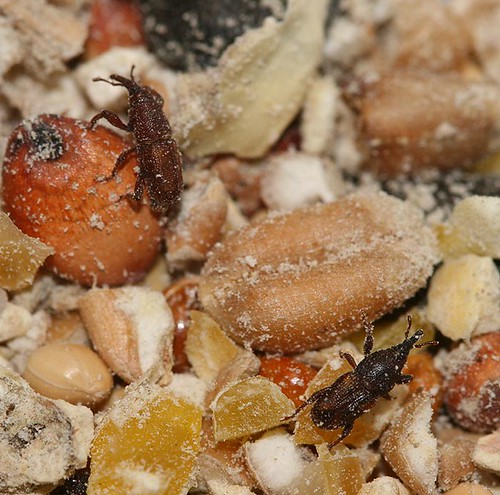
- Presence of insects or larvae inside the seed bag
- Broken or shriveled seeds that look dry and old
Smell And Texture Changes
Smell and feel the bird seed to find out if it is fresh. Spoiled seed often smells bad or feels different than fresh seed.
Check for these signs:
- A sour, musty, or rancid smell coming from the seed
- Seed feels damp or sticky instead of dry
- Seeds that crumble easily or feel powdery
- Seed that is hard or overly brittle
Impact Of Old Bird Seed On Birds
Unopened bird seed can last a long time, but it does not stay perfect forever. Old seed loses important nutrients. This can affect the health of birds that eat it.
Understanding how old bird seed changes helps keep birds safe and healthy. It is important to know what happens inside old seed and the risks it can cause.
Nutritional Degradation
Bird seed loses nutrients over time. Vitamins and oils break down slowly. This makes the seed less healthy for birds.
- Fats in seeds turn rancid, causing bad taste and smell.
- Vitamins like A and E decrease, reducing health benefits.
- Protein content can drop, which birds need for energy.
- Minerals may become less available as seed ages.
Health Risks To Birds
Old bird seed can cause health problems. Birds may get sick if they eat spoiled or moldy seeds.
| Risk | Effect on Birds |
| Mold Growth | Breathing issues and poisoning |
| Rancid Oils | Digestive upset and reduced appetite |
| Reduced Nutrients | Weakness and poor feather condition |
| Contaminants | Possible infections and illness |
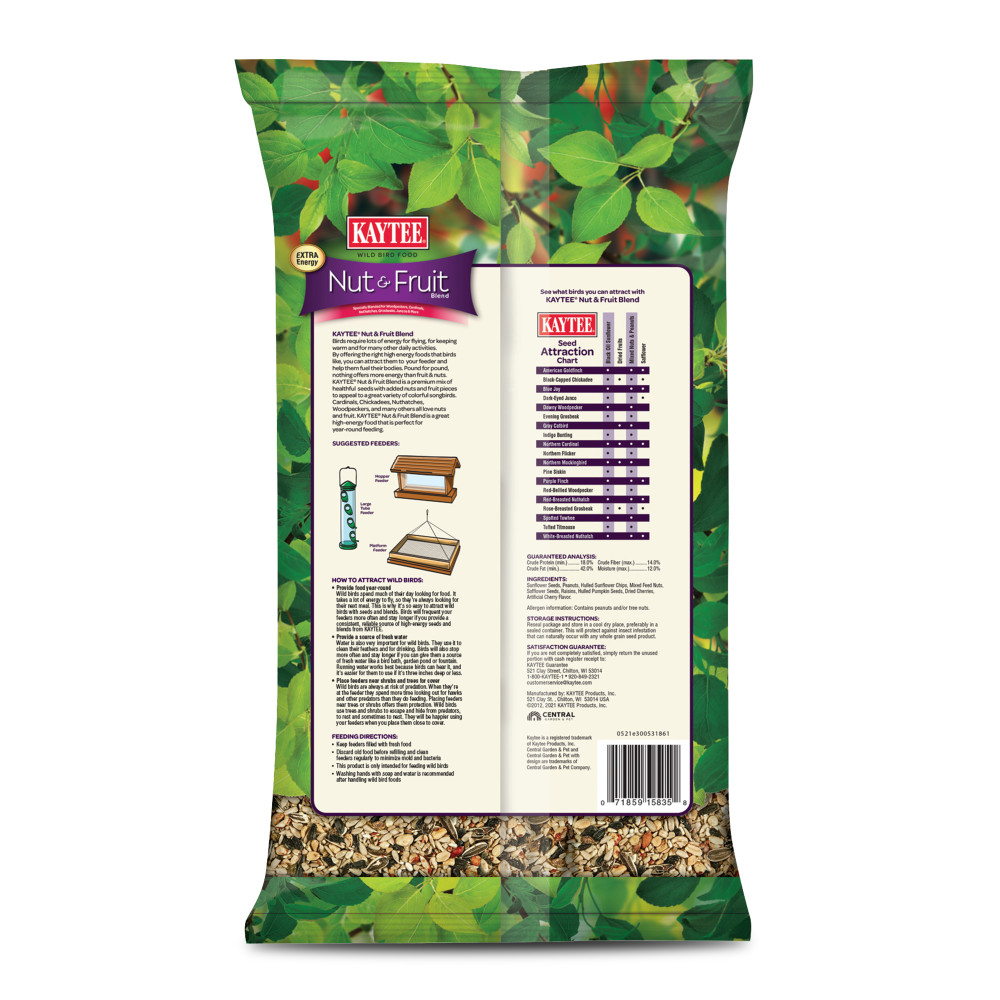
Credit: www.kaytee.com
Best Practices For Buying And Storing Bird Seed
Buying and storing bird seed properly helps keep it fresh and safe for birds. Unopened bird seed can last a long time if stored well.
This guide shares tips on how to pick good bird seed and store it for long use.
Purchasing Tips
Choose bird seed that looks clean and free from mold. Check the package for a clear expiration or best-by date.
- Buy seed from stores with high turnover to get fresh stock
- Select seed blends that match the types of birds in your area
- Avoid packages with holes, tears, or damp spots
- Prefer sealed packages to reduce contamination risks
- Check for any unusual smell that could mean spoilage
Long-term Storage Solutions
Store unopened bird seed in a cool, dry place away from direct sunlight. Proper storage keeps the seed fresh and prevents pests.
| Storage Method | Benefits | Tips |
| Original sealed bag | Keeps seed fresh and protected | Keep in a dry, dark cupboard |
| Airtight containers | Blocks moisture and pests | Use plastic or metal containers with tight lids |
| Cool basement or pantry | Maintains stable temperature | Avoid humid areas to prevent mold |
| Freezer storage | Extends shelf life up to 2 years | Seal seed in freezer bags before freezing |

Credit: drkilligans.com
Frequently Asked Questions
How Long Does Unopened Bird Seed Last?
Unopened bird seed typically lasts 1 to 2 years if stored in a cool, dry place. Proper packaging helps maintain freshness and prevents moisture damage. Always check the expiration date on the bag for the best guidance.
Can Bird Seed Go Bad If Unopened?
Yes, unopened bird seed can go bad over time. Exposure to heat, humidity, or pests can degrade its quality. Using old seed may reduce nutritional value and attract fewer birds.
How Should I Store Unopened Bird Seed?
Store unopened bird seed in a cool, dry, and dark area. Keep it in an airtight container to prevent moisture and pests. Proper storage extends shelf life and preserves seed quality.
Does Bird Seed Lose Nutritional Value Unopened?
Yes, bird seed can lose nutritional value over time, even if unopened. Oxidation and environmental factors degrade nutrients, affecting bird health. Use seed within the recommended shelf life for best results.
Conclusion
Unopened bird seed can last quite a while when stored properly. Keep it cool and dry to extend its shelf life. Check for signs of spoilage regularly. Mold, pests, or a bad smell mean it's time to discard. Fresh seed keeps your birds healthy and happy.
Plan your purchases to avoid waste. Store in airtight containers for best results. Quality seed equals happy birds chirping. Enjoy the beauty of nature in your backyard. With these simple steps, you can ensure your feathered friends always have fresh food.