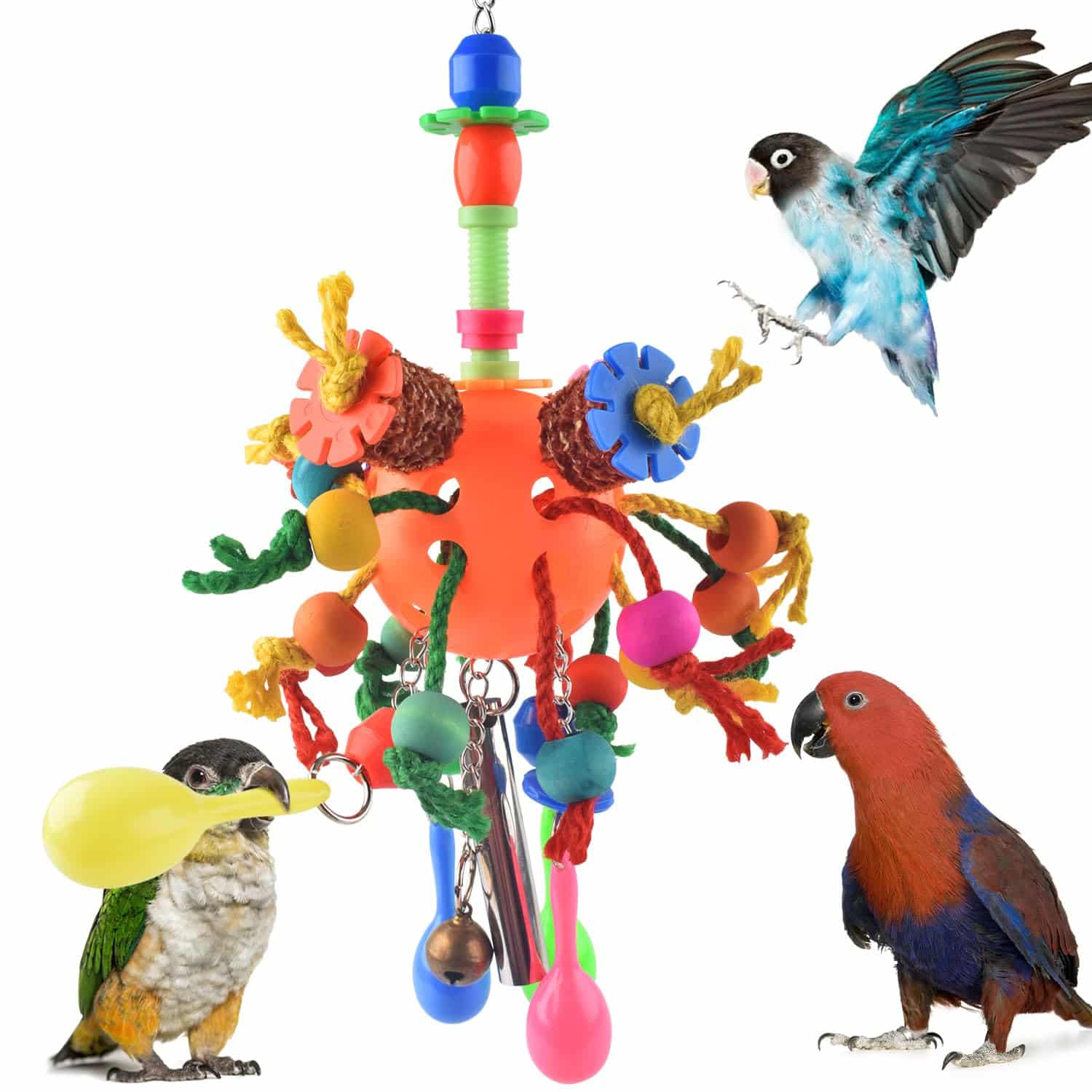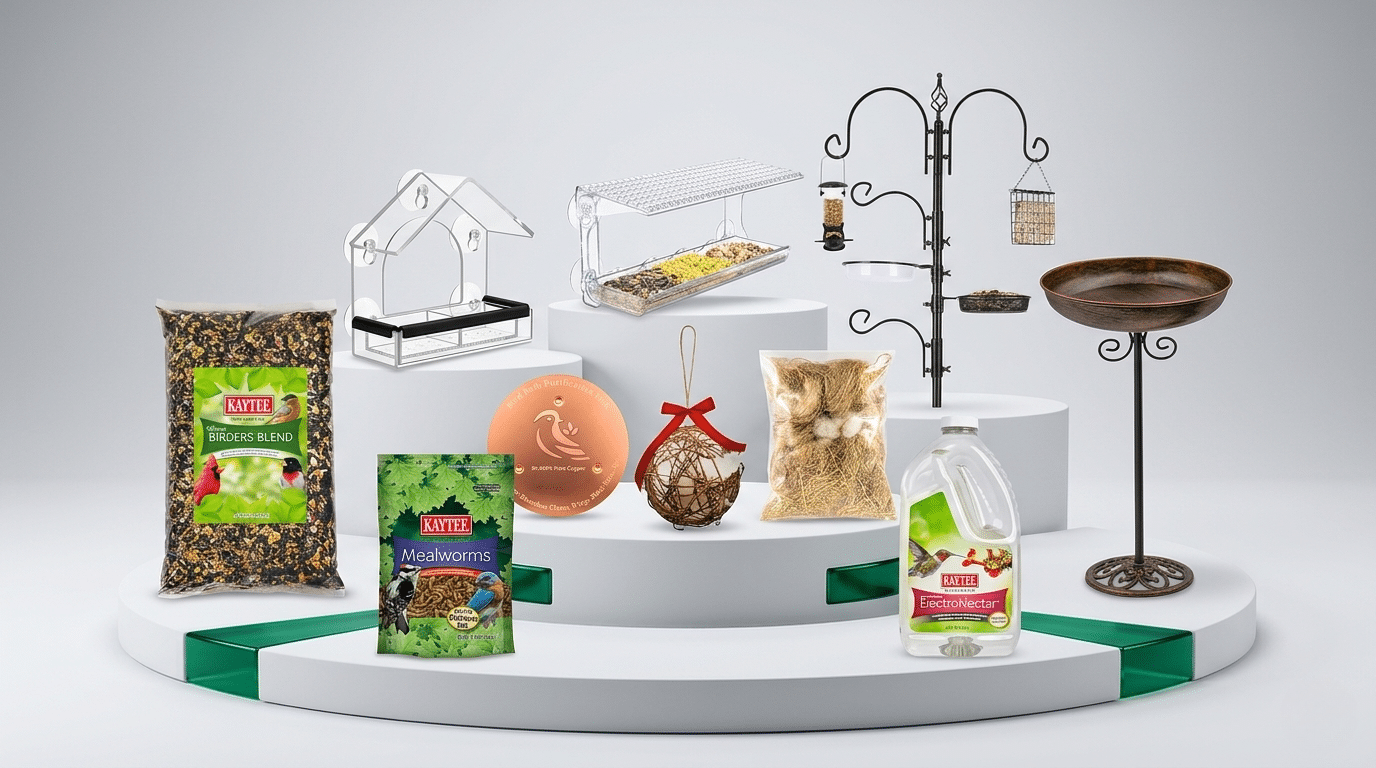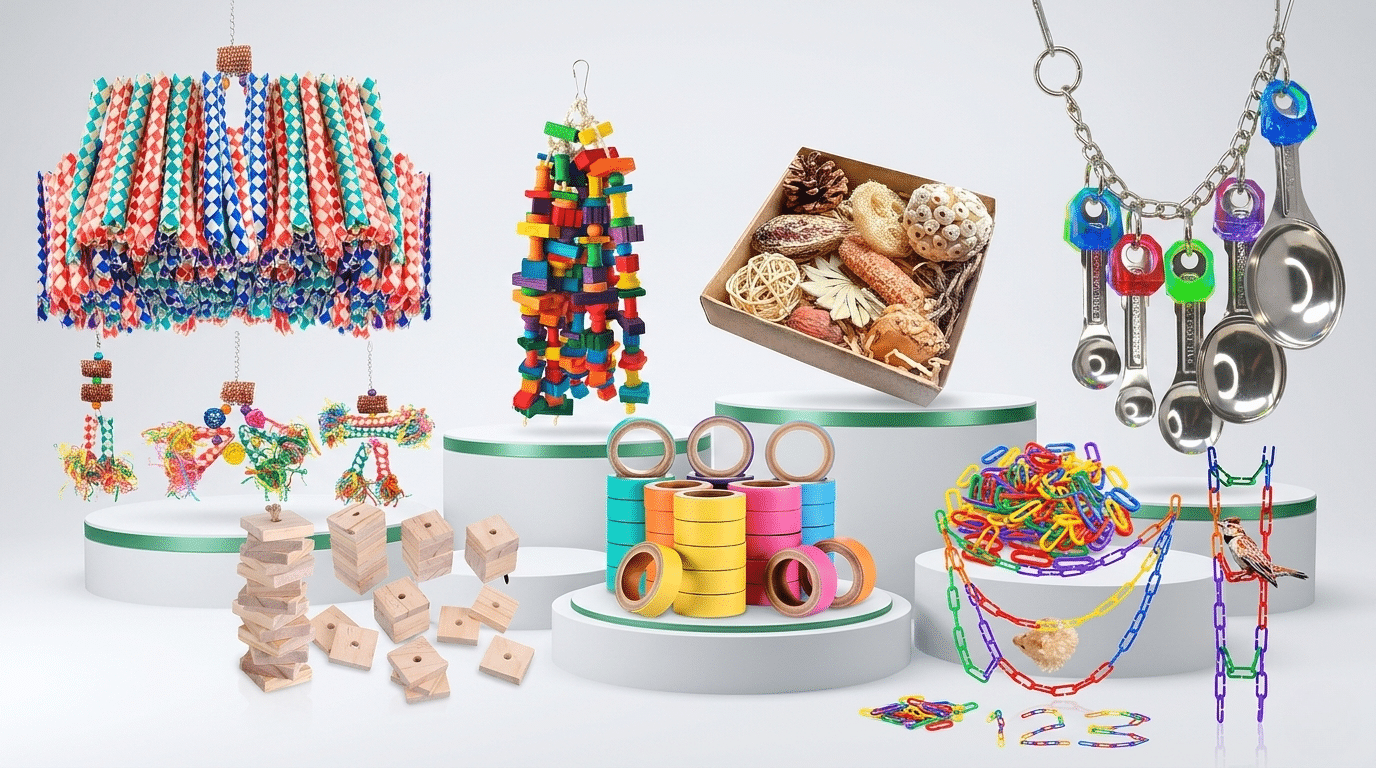
Are you looking to keep your feathered friend happy and entertained without breaking the bank? Creating toys for birds DIY style is a fun and rewarding way to do just that.
Not only will you save money, but you’ll also tailor each toy to your bird’s unique personality and needs. Imagine the joy on your bird’s face as it explores a toy made just for them—something safe, stimulating, and full of new textures and challenges.
Ready to discover simple, creative ideas that you can make at home? Keep reading, because your bird’s next favorite toy is just a few steps away!
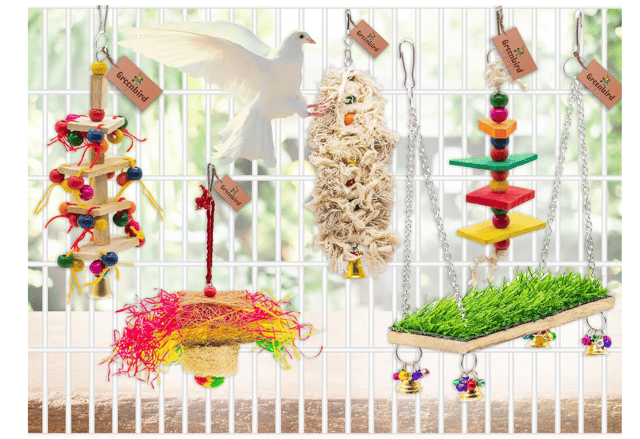
Credit: www.mystore.in
Benefits Of Diy Bird Toys
Making your own bird toys is a fun way to help your pet stay happy. DIY toys keep birds busy and healthy.
These toys can be made at home with simple materials. They offer many benefits for your bird’s well-being.
Mental Stimulation
Birds need to use their brains to avoid boredom. DIY toys challenge their minds and keep them sharp.
Different shapes and textures help birds think and explore. This keeps their minds active every day.
Physical Exercise
Birds get exercise by playing with toys. DIY toys encourage movement and help build strong muscles.
Climbing, chewing, and swinging are good activities. These actions keep birds healthy and fit.
Cost Savings
Making bird toys at home is cheaper than buying new ones. You can use safe, low-cost materials from around.
DIY toys last longer because you can fix them easily. This saves money over time.
Customization Options
You can make toys that fit your bird’s size and preferences. Custom toys suit your bird’s unique needs perfectly.
Choose colors, shapes, and materials your bird likes. This makes playtime more enjoyable and safe.
Safe Materials For Bird Toys
Birds need toys to stay happy and active. Choosing safe materials is very important. Unsafe materials can harm birds.
Use materials that do not hurt birds if chewed or touched. This keeps birds healthy and playful.
Non-toxic Wood And Paper
Non-toxic wood is strong and safe for birds to chew. Avoid woods that are treated with chemicals.
Paper used in toys should be plain and free from dyes or inks. Birds might eat small pieces, so safety matters.
- Use untreated pine, maple, or fruitwood
- Avoid cedar and treated wood
- Choose plain, uncolored paper
- Do not use glossy or printed paper
Bird-safe Fabrics
Bird-safe fabrics are soft and free from chemicals. They should not fray easily to prevent swallowing hazards.
Choose natural fabrics like cotton or fleece. Avoid synthetic fabrics that can melt or release toxins.
- Use 100% cotton or fleece
- Avoid polyester and nylon
- Check for loose threads or small parts
Natural Fibers
Natural fibers are safe for chewing and shredding. They keep birds busy and help keep their beaks healthy.
Choose fibers like sisal, jute, and hemp. These materials are strong and non-toxic for birds.
- Sisal rope is durable and safe
- Jute fiber is soft and chewable
- Hemp is strong and natural
- Avoid synthetic ropes or dyed fibers
Avoiding Harmful Chemicals
Do not use materials treated with pesticides, paints, or glue. These chemicals can poison birds.
Always check labels and buy bird-safe certified materials when possible. Keep toys simple and natural.
- Avoid painted or stained wood
- Do not use toxic glues or adhesives
- Skip plastic parts with BPA or phthalates
- Use natural finishes like beeswax only
Simple Diy Toy Ideas
Making toys for your bird is fun and easy. You can use simple materials found at home.
These toys keep birds active and happy. Try making some with safe, bird-friendly items.
Paper Roll Treat Holders
Use empty paper rolls to create treat holders. Fill them with bird-safe snacks or seeds.
Cut small holes so your bird can reach the treats. This encourages foraging and play.
- Choose cardboard rolls from toilet paper or paper towels
- Fill the roll with treats your bird likes
- Cut small holes or slits for access
- Hang or place in the cage for your bird
String And Bead Mobiles
Create colorful mobiles using bird-safe beads and string. Hang them inside the cage.
Birds enjoy batting and chewing the beads. This toy helps with mental stimulation.
- Use non-toxic beads made for birds or kids
- Thread beads on strong, natural string
- Make different lengths and shapes
- Secure the mobile to the cage top
Cardboard Chew Toys
Birds love to chew cardboard. Use scraps to make simple chew toys.
Layer pieces or cut fun shapes. Add small treats to encourage chewing.
- Collect clean, untreated cardboard pieces
- Cut into strips, squares, or fun shapes
- Layer or stack pieces for more fun
- Hide treats between layers
Foraging Boxes
Foraging boxes hide treats inside safe materials. Birds search for food and stay busy.
Use small boxes or containers. Fill with shredded paper, twigs, and treats.
- Find a small box or container
- Fill with shredded paper or natural fibers
- Add bird-safe treats inside
- Let your bird explore and find the treats
)
Credit: www.jiomart.com
Interactive Toys For Engagement
Birds need toys that keep them busy and happy. Interactive toys help birds stay active and sharp.
These toys encourage natural behaviors like foraging, swinging, and exploring. They make birds feel safe and entertained.
Puzzle Feeders
Puzzle feeders challenge birds to find food by solving simple tasks. They make feeding time fun and rewarding.
Birds use their beaks and feet to move parts and reach treats inside. This keeps their minds busy and reduces boredom.
- Use small boxes with sliding doors
- Hide seeds under lightweight covers
- Create holes for birds to reach food
- Change puzzles often for new challenges
Swing And Perch Combinations
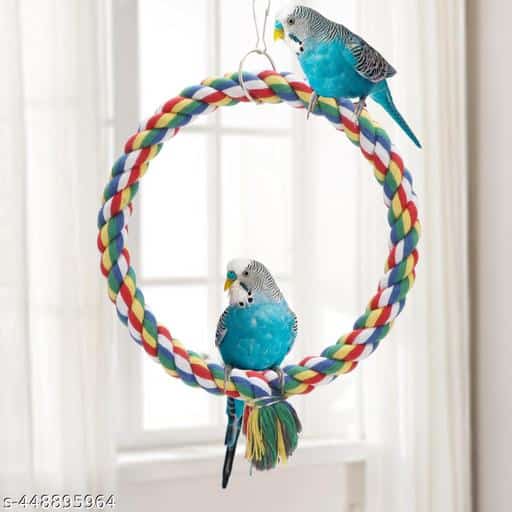
Swings and perches let birds move and play at the same time. These toys improve balance and build muscles.
Combining swings with different perch shapes adds variety. Birds enjoy climbing and swinging through these setups.
- Use natural wood for safe perches
- Add ropes or chains for swings
- Change heights to encourage movement
- Include multiple perches for resting spots
Bell And Mirror Toys
Bells and mirrors attract birds by making sounds and reflections. They provide social interaction and curiosity.
Birds enjoy ringing bells and watching themselves. These toys help reduce loneliness in single birds.
- Use small, safe bells with clear sounds
- Place mirrors with non-breakable glass
- Secure toys well to avoid choking hazards
- Monitor bird’s reaction to prevent stress
Hide And Seek Games
Hide and seek toys encourage birds to explore and search. These games stimulate curiosity and problem-solving skills.
Hide treats or toys inside boxes or cloth pieces. Birds use their beaks and feet to find hidden items.
- Use small boxes with holes
- Cover treats with cloth or paper
- Change hiding spots regularly
- Watch to ensure safety during play
Seasonal And Themed Toys
Making toys for birds can be fun and creative. Seasonal and themed toys keep birds interested and happy all year.
These toys use colors and shapes that match holidays or nature. They help birds feel active and curious.
Holiday Decorations
Holiday-themed bird toys add joy during special times. Use safe materials like wood, paper, or natural fibers.
Examples include small wreaths, bells, or stars shaped from bird-safe items. Avoid toxic paints or glitter.
- Mini wooden pumpkins for fall
- Paper snowflakes for winter
- Bright flowers for spring
- Leaf shapes for summer
Nature-inspired Designs
Nature-inspired toys use shapes and textures from outside. Birds enjoy toys that remind them of their home.
Use items like sticks, leaves, and pinecones. These materials are safe and fun for birds to explore.
- Branches tied with cotton string
- Leaf bundles for shredding
- Pinecone hanging toys
- Seed pods for pecking
Colorful And Textured Elements
Birds love toys with bright colors and different feels. Use safe, non-toxic dyes and varied materials.
Mix soft, rough, and smooth textures to keep birds interested. Colors like red, yellow, and blue attract their attention.
- Colorful wooden beads
- Soft cotton ropes
- Crinkly paper strips
- Natural feathers
Maintaining And Rotating Toys
Birds love playing with toys that keep them busy and happy. Keeping their toys clean and safe helps them stay healthy.
Changing toys often gives birds new things to explore. This stops them from getting bored and encourages activity.
Cleaning Tips
Clean bird toys regularly to remove dirt and germs. Use warm water and mild soap to wash them.
Rinse toys well and let them dry before giving them back to your bird. Avoid strong chemicals that can harm birds.
- Wash toys weekly
- Use soft brushes for tough spots
- Check for mold or mildew
- Air dry completely before use
Replacing Worn Parts
Bird toys can wear out or break from chewing and playing. Replace any broken parts to keep toys safe.
Look for loose strings, sharp edges, or cracked pieces. Fix or remove these parts to avoid injury.
- Check toys every week
- Remove frayed strings or threads
- Replace damaged wood or plastic parts
- Use bird-safe glue if needed
Rotating Toys For Variety
Changing toys regularly keeps birds interested and active. Rotate toys every few days or weeks.
Keep some toys out of reach and swap them with others. This gives birds new challenges and fun.
- Store unused toys safely
- Swap toys every 1-2 weeks
- Offer different textures and shapes
- Observe your bird’s favorite toys
Encouraging Safe Play Habits
Toys are important for birds to stay happy and active. Safe play helps prevent accidents and injuries.
Making toys at home can be fun but requires care. Knowing how to encourage safe play keeps birds protected.
Supervised Playtime
Always watch your bird when it plays with new or homemade toys. Supervision helps you stop unsafe chewing or swallowing.
Spend time near your bird during play. This builds trust and lets you quickly remove dangerous objects.
Recognizing Toy Damage
Check bird toys regularly for wear and tear. Broken parts can cause choking or cuts.
Replace or repair toys with cracks, loose pieces, or sharp edges. Damaged toys are unsafe for your bird.
- Look for frayed strings or ropes
- Check wooden parts for splinters
- Inspect plastic for cracks
- Remove toys with missing pieces
Training Birds To Use Toys
Introduce new toys slowly to help your bird get used to them. Show how to play safely with the toy.
Use gentle encouragement and praise. Train your bird to chew or peck only safe parts of the toy.
- Offer toys one at a time
- Demonstrate safe play by touching the toy
- Reward your bird for safe chewing
- Remove toys if the bird plays roughly

Credit: www.amazon.com
Frequently Asked Questions
What Materials Are Safe For Diy Bird Toys?
Safe materials include untreated wood, natural fibers, and paper. Avoid toxic paints, plastics, and metals. These materials prevent harm and encourage natural chewing and foraging behaviors in birds.
How Can I Make Bird Toys Stimulating?
Use varied textures, colors, and shapes. Incorporate foraging elements like hidden treats. This keeps birds mentally active and reduces boredom.
Which Diy Toys Are Best For Small Birds?
Small bells, paper shredders, and wooden blocks work well. These toys are sized appropriately and promote natural play and exercise.
How Often Should I Replace Diy Bird Toys?
Replace or rotate toys every 1-2 months. This prevents wear, maintains safety, and keeps your bird engaged with new stimuli.
Conclusion
Creating bird toys at home is fun and rewarding. Birds love new challenges and interactive play. DIY toys save money and provide variety. They also strengthen the bond with your feathered friends. Simple materials make great toys. Think cardboard, paper, and twine.
Always ensure materials are safe and non-toxic. Happy birds are healthy birds. Engaging them keeps them active and entertained. Try different designs and see what your bird loves. Your creativity knows no bounds. Enjoy crafting and watching your bird play with joy.