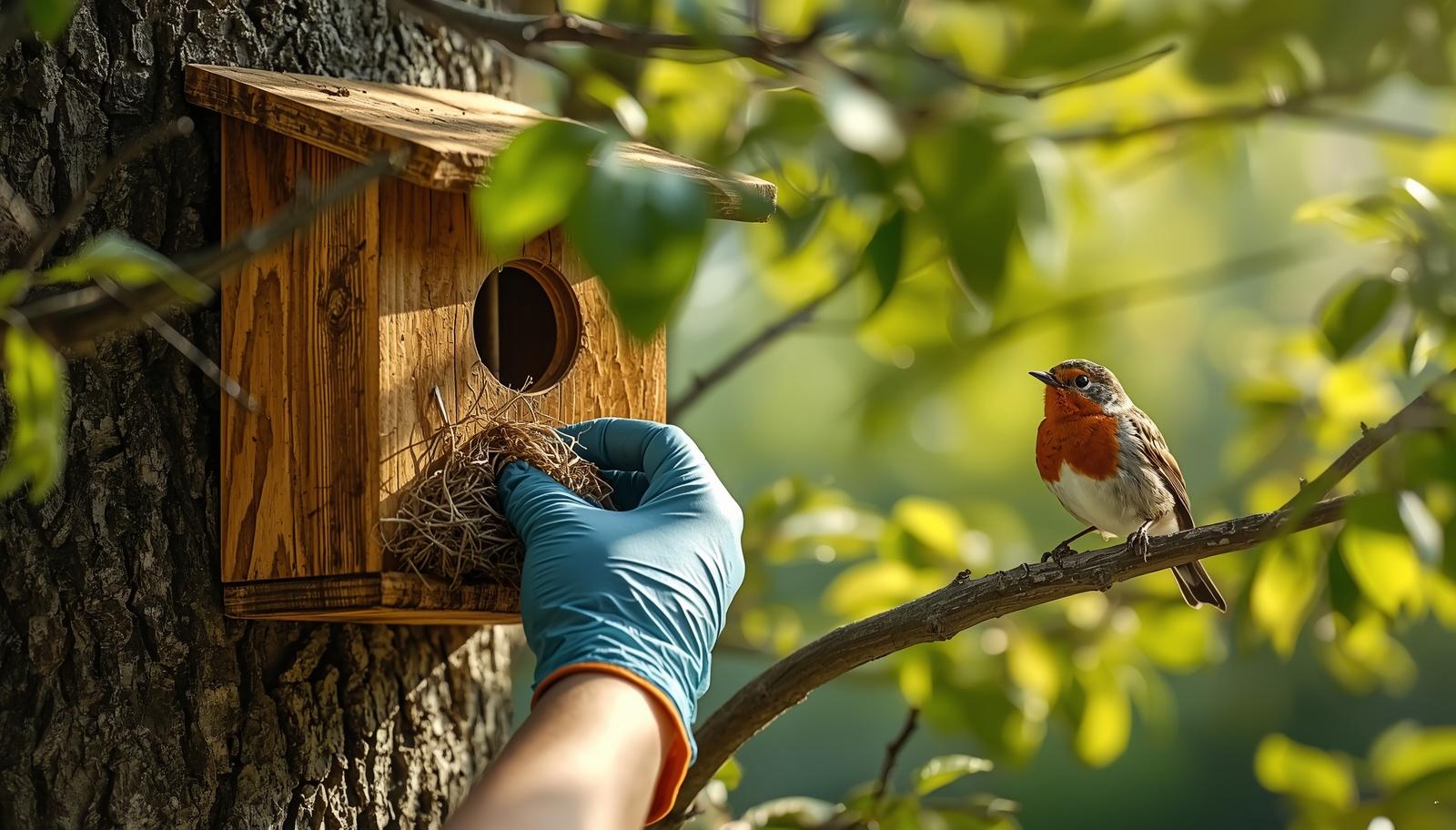
The United Kingdom is alive with birdsong, from bustling city parks to quiet woodlands and coastal marshes. Each bird species has its own unique calls and songs, which change by region and season. Listening closely reveals not just the beauty of nature, but also the story of how birds communicate, attract mates, and defend their territory. In this guide, we’ll explore the rich variety of Bird Sounds Uk, uncover why they matter, and show you how to recognize and enjoy them in the wild.
Bird Sounds Across the UK
The UK is home to many bird species. Their songs and calls differ greatly. Listening to these sounds helps us learn about nature. Bird sounds change by season and region. These changes reflect their living habits.
Regional Call Differences
Bird calls change based on where the birds live. Different parts of the UK have unique bird sounds. This helps birds know their own kind. For instance, robins in Scotland sing differently. They sound unlike robins in England. Coastal calls sound sharper. Inland birds often have softer songs.
-
Scottish robins sing a higher song.
-
Coastal birds use loud calls over ocean waves.
-
Woodland birds have quiet, complex songs.
-
City birds change calls to cut through noise.
Seasonal Song Changes
Bird sounds follow the seasons. In spring, many birds sing to find a mate. Summer birds may sing less. They must care for their young. In autumn and winter, some birds stop singing. Others use short calls to stay together. These changes fit their needs for life.
-
Spring: loud, long songs find mates.
-
Summer: fewer songs, more calls to chicks.
-
Autumn: quiet calls keep groups together.
-
Winter: little singing, focused on survival.

Credit: apps.apple.com
Common UK Birds and Their Calls
Bird sounds are a key part of the UK landscape. Many native birds have special calls. These calls help you know the bird. Learning these calls makes nature walks fun. Let us look at some common native birds and their songs.
Robin's Sweet Tunes
Robins are famous for their sweet songs. They sing all year long. You hear them most at dawn and dusk. Their tune is a series of short, high notes. It repeats in a pattern. It sounds like a soft, warbling whistle.
Song Thrush Repeats
Song thrushes have a loud, musical call. They repeat short phrases two or three times. Their song includes clear, ringing notes. They pause between each repeat. This makes their pattern easy to spot.
-
Repeats the same short phrases.
-
Notes are loud and very clear.
-
The song is rhythmic and musical.
Blackbird’s Deep Notes
Blackbirds sing deep, rich songs. Their calls mix whistles and soft phrases. They sing mostly at dawn and dusk. Their song is smooth and full. They often pause between each phrase.
Chaffinch's Quick Chirps
Chaffinches have a fast, happy song. Their call starts with a quick burst of notes. The song ends with a slower, falling sound. It sounds bright and lively in gardens.
Rare and Unique Calls
The UK has many birds with strange, rare calls. These sounds are a charming part of nature. They help birds find mates or claim space. Some calls are unusual. Others are hard to hear. Let us explore three unique UK bird sounds.
Nightjar’s Mystery Sound
The nightjar makes a continuous churring sound. This happens at night or dusk. The sound can last many minutes without stopping. It is hard to notice. It blends with the dark sounds. People describe it as a low, buzzing noise.
Woodcock’s Display Sounds
Woodcocks make strange sounds during flight displays. This happens at dawn and dusk. They make a soft "peent" call while on the ground. When they fly, they make a drumming sound. Air rushing through their feathers makes this noise.
-
"Peent" call on the ground attracts mates.
-
Drumming sound happens when flying.
-
Bleating noise comes from wing feathers.
Cuckoo’s Known Call
The cuckoo is famous for its clear "cuck-oo" call. You hear it in spring. It signals the start of breeding time. This call is easy to recognize. It has inspired many stories and songs. The cuckoo uses the sound to find a mate quickly.
Why Birds Use Sound
Birds make different sounds to communicate. Their calls have many uses. These sounds help birds survive in nature. They also help them live together.
Talk and Territory
Birds use calls to show their home. They tell other birds to stay away. These sounds mark their space. They keep their area safe from others.
-
Marking their territory avoids fights.
-
Showing their presence to other birds.
-
Keeping the boundaries clear.
Mating and Attraction
Bird calls help birds find partners. Males sing to attract females. The sounds show the male's health. This attracts potential mates.
-
Singing to attract a female mate.
-
Showing fitness and strong genes.
-
Building a bond between two birds.
Alarm and Warning
Birds use sharp calls to warn of danger. These sounds help them stay safe. When a predator is near, birds warn their group. They hide or fly away fast.
-
Alerting others to danger nearby.
-
Helping the group stay safe.
-
Allowing birds to react quickly.
Finding and Recording Bird Sounds
Listening to bird sounds is a fun way to learn. Recording these sounds helps you study birds. Identifying birds by sound needs practice. The right tools make recognizing calls easier.
Best Gear for Birdsong
Good equipment improves sound recording quality. You need a clear microphone. It must be sensitive to catch sounds well. A good recorder must have long battery life. Headphones let you hear sounds clearly while recording.
-
Directional microphone focuses on the bird sound.
-
Portable digital audio recorder is key.
-
Headphones for monitoring sounds.
Tools for Identification
Apps help you name birds by their calls. They check your recording against many others. Some apps show facts and pictures. This makes learning about birds simpler.
-
Bird identification apps with sound checks.
-
Online bird sound databases.
-
Field guides with audio clips.
Tips for Clear Recordings
Record bird sounds in quiet spots. Avoid loud noise. Early mornings are best. Birds are active. Their sound is clear then. Hold your microphone steady. Point it toward the bird. Stay still to reduce background noise.
-
Choose calm, quiet times and places.
-
Use a cover on your microphone.
-
Stay still; avoid rustling leaves.
-
Record close without disturbing the bird.
-
Check recordings right away for clarity.

Credit: apps.apple.com
Exploring Sounds in Nature
Bird sounds bring nature to life. Listening to birds helps us learn their ways. Many UK birds sing unique songs. These sounds tell the story of their world.
Great Spots for Listening
The UK has many great places to hear birds. Forests, parks, and wet areas offer many sounds. Some spots are famous for certain birds. Visit these to hear rare calls.
-
RSPB nature reserves are great spots.
-
Woodland areas like Sherwood Forest.
-
Coastal sites such as the Norfolk Broads.
-
Large city parks offer many birds.
Best Times to Hear Birds
Birds sing the most early in the morning. Dawn is the best time to hear many species. Some birds call at night. Knowing each bird's timing helps you listen well.
-
Early morning (5 AM to 8 AM) is best for songbirds.
-
Dusk (7 PM to 9 PM) is for owls and nightjars.
-
Spring and early summer for breeding songs.
-
Winter is for calls of birds that stay.
Respecting the Birds
Respect birds by staying a good distance away. Do not bother their nests or rest spots. Use binoculars and recorders quietly. Stay on paths to protect their home.
-
Do not play loud, recorded bird calls.
-
Keep dogs on a leash near birds.
-
Follow all local rules in nature areas.
-
Take all trash and gear with you.
Frequently Asked Questions
What Are Common Bird Sounds In The Uk?
Common UK bird sounds include the robin’s cheerful song, blackbird’s melodious tune, and the wood pigeon’s cooing. These sounds vary by species and season, helping birdwatchers identify them easily.
How Can I Identify Uk Birds By Their Sounds?
Listen for unique patterns, pitch, and rhythm in bird calls. Using apps or guides can help match sounds to UK bird species accurately.
When Is The Best Time To Hear Bird Sounds In The Uk?
Early mornings in spring are ideal for hearing diverse bird songs. Birds are most vocal during breeding season, making identification easier.
Why Do Uk Birds Sing Different Sounds?
Birds use sounds to attract mates, mark territory, and communicate danger. Variations help them adapt to different environments across the UK.
Conclusion
UK bird sounds connect you to nature. Each call tells a story. Listening helps you notice the changing seasons. It also brings joy to busy days. Try to hear different birds near you. Enjoy their unique songs. Nature's music is always waiting to be heard.