If you’ve found a baby bird and want to help it survive, feeding it the right food is crucial. Worms are a natural and nutritious choice, but you might wonder how to feed them safely and effectively.
You want to make sure your little feathered friend gets the care it needs without causing harm. This guide will walk you through simple, practical steps to feed a baby bird worms correctly. Keep reading, and you’ll gain the confidence to give your tiny rescue the best start possible.
Choosing The Right Worms
Feeding a baby bird the right worms is very important. Worms give them the nutrients they need to grow strong.
You must know which worms are safe and where to find them. Avoid harmful worms that can make baby birds sick.
Types Of Worms Suitable For Baby Birds
Not all worms are good for baby birds. Choose small, soft worms that are easy to eat and digest.
- Mealworms: They are small and high in protein.
- Earthworms: These are natural and safe if clean.
- Waxworms: Use only a few as treats because they have more fat.
- Black soldier fly larvae: Good source of protein and fat.
Where To Find Safe Worms
Finding safe worms is key. Pick worms from clean places to avoid chemicals and pollution.
- Look in moist soil away from roads and factories.
- Check garden beds with no pesticide use.
- Buy worms from pet stores if you cannot find them outside.
- Keep worms in clean containers before feeding.
Avoiding Harmful Worms And Parasites
Some worms carry parasites or chemicals that harm baby birds. Avoid these risks by careful selection.
| Risk | How to Avoid |
| Parasites | Only feed worms from clean soil or pet stores |
| Pollution | Do not pick worms near roads or factories |
| Pesticides | Avoid worms from treated gardens |
| Large, hard worms | Choose small, soft worms for easy digestion |

Credit: www.youtube.com
Preparing Worms For Feeding
Feeding baby birds worms requires care. You must prepare the worms properly before feeding.
Proper preparation keeps the baby bird safe and helps it eat easily.
Cleaning And Handling Worms Safely
Worms should be clean to prevent spreading germs to the baby bird. Handle them gently to avoid damage.
Rinse the worms in fresh water to remove dirt. Use clean hands or gloves when handling them.
- Rinse worms under cool running water
- Use gloves to avoid germs
- Handle worms gently to prevent injury
- Do not use soap or chemicals
Cutting Worms To Appropriate Size
Baby birds need small pieces of worms that they can swallow easily. Cut worms into small parts before feeding.
Use clean scissors or a sharp knife. Cut worms into pieces about the size of the bird’s beak.
- Cut worms into small, bite-sized pieces
- Use clean cutting tools
- Make sure pieces are soft and easy to swallow
- Remove any hard parts if needed
Storing Worms Properly
Store worms in a cool, moist place to keep them fresh. Proper storage helps worms stay alive longer.
Use a container with air holes and add some damp soil or paper towels for moisture. Keep the container away from heat.
- Use a container with air holes
- Add damp soil or paper towels for moisture
- Keep container cool but not cold
- Check worms daily and remove dead ones
Feeding Techniques
Feeding a baby bird worms requires care and patience. You must handle the bird gently and offer food safely.
Using the right feeding techniques helps the baby bird get the nutrition it needs. This guide explains how to feed worms properly.
Using Tweezers Or Fingers
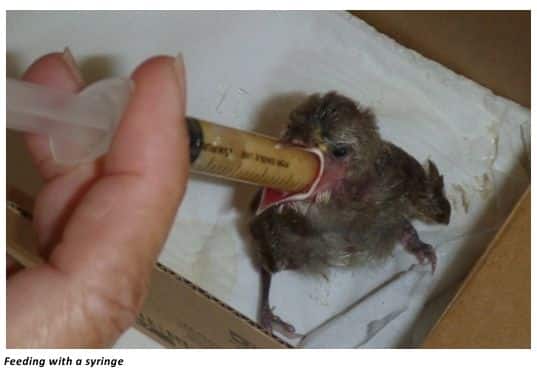
Use clean tweezers or your fingers to feed worms to the baby bird. Avoid using tools that are too big or sharp.
Hold the worm gently and offer it slowly near the bird’s beak. Let the baby bird grab the worm on its own.
- Sanitize tweezers before each feeding
- Use soft, small worms cut into pieces
- Do not force the worm into the bird’s mouth
Feeding Frequency And Amounts
Baby birds need feeding every 15 to 20 minutes during daylight hours. Do not feed them too much at once.
Offer small amounts of worms to avoid choking or stomach problems. Watch the bird’s cues to know when it is full.
- Feed every 15-20 minutes from dawn to dusk
- Give only a few worms per feeding
- Stop feeding if the bird turns away or closes its beak
Encouraging Baby Birds To Eat
Keep the baby bird calm and comfortable to help it eat well. Avoid loud noises or quick movements around it.
Gently open the bird’s beak if it does not eat on its own. Be patient and try feeding slowly and softly.
- Speak softly near the bird
- Touch the tip of the worm to the bird’s beak
- Wait for the bird to swallow before offering more

Credit: www.youtube.com
Monitoring Baby Bird Health
Feeding baby birds worms is important, but watching their health is key. Good care means checking their growth and behavior. It helps you know if they are getting enough food and staying safe.
Careful monitoring can prevent problems early. You can keep baby birds strong and ready for the wild by watching signs closely.
Signs Of Proper Growth
Healthy baby birds grow fast and look active. Their feathers should start to come in, and their eyes stay bright. They gain weight steadily and show energy when fed.
- Steady weight gain over days
- Feathers growing evenly
- Strong, loud calls when hungry
- Bright, clear eyes
- Active movements and stretching
Identifying Feeding Problems
Sometimes baby birds refuse food or spit it out. They might look weak or sleepy. These signs show feeding issues that need fixing fast.
| Problem | Signs | What To Do |
| Refusing food | Closes mouth or turns head away | Check worm size and temperature |
| Weakness | Low energy, droopy posture | Feed smaller portions more often |
| Food coming out | Spitting or vomiting after feeding | Slow feeding speed, avoid overfeeding |
| Breathing problems | Rapid or noisy breathing | Keep bird warm and quiet |
When To Consult A Wildlife Expert
Some signs mean you need expert help. If the bird stops eating or looks very sick, call a wildlife expert. They know how to give proper care and treatment.
- Bird is very weak or not moving
- Wounds or bleeding on the body
- Unusual breathing or constant noise
- Refusal to eat for more than one feeding
- Signs of dehydration or swelling
Alternative Food Options
Feeding a baby bird worms is common, but you can use other foods. These options help give the bird a balanced diet.
Using different foods can support the bird’s growth and health. Always choose safe and nutritious items.
Supplementing Diet With Other Foods
You can add small amounts of fruits and insects to a baby bird’s diet. These give vitamins and protein beyond worms.
Soft fruits like mashed bananas or berries work well. Small insects like crickets or mealworms also help.
- Mashed bananas
- Mashed berries
- Small crickets
- Mealworms
- Boiled egg yolk (mashed)
Homemade Baby Bird Formulas
You can make simple formulas at home to feed baby birds. These formulas help provide balanced nutrition.
Mix cooked rice or oats with water and add finely chopped boiled egg. Feed it warm and in small amounts.
- Cooked rice or oats
- Warm water
- Finely chopped boiled egg
- Mashed fruits (optional)
Foods To Avoid
Some foods can harm baby birds. Avoid these to keep them safe and healthy.
- Milk and dairy products
- Salted or seasoned foods
- Chocolate and caffeine
- Raw meat or fish
- Hard seeds or nuts
- Processed human foods

Credit: www.youtube.com
Frequently Asked Questions
What Type Of Worms Are Best For Baby Birds?
Mealworms and earthworms are ideal for baby birds. They provide essential protein and nutrients for growth. Avoid worms from treated soil or pesticides to ensure safety.
How Often Should I Feed Worms To A Baby Bird?
Feed baby birds every 15 to 20 minutes during daylight hours. Consistent feeding mimics natural parental care and supports healthy development.
Can I Feed Cooked Or Frozen Worms To Baby Birds?
Fresh or live worms are best as they retain nutrients. Avoid cooked or frozen worms, as they lose nutritional value and may be less appealing.
How Do I Safely Feed Worms To A Baby Bird?
Use tweezers or your fingers to gently offer worms. Ensure worms are small enough to swallow and avoid forcing food to prevent choking.
Conclusion
Feeding baby birds requires patience and gentle care. Offer small worms carefully. Ensure they’re fresh and suitable for the bird’s size. Monitor the bird’s response to the feeding. Adjust the amount as needed. Cleanliness is crucial to prevent infections. Always handle the bird with clean hands.
Consult a wildlife expert if unsure. This ensures the bird receives proper nutrition. Observing closely helps you learn the bird’s needs. With time, your confidence will grow. The bird’s health and safety come first. A well-fed bird thrives and grows strong.
Your efforts make a significant difference.