
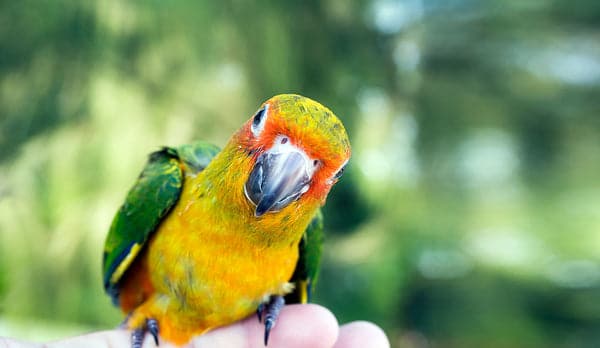
Are you wondering if your feathered friend is getting enough vitamin D? Just like you, your bird needs this essential nutrient to stay healthy and happy.
Without enough vitamin D, your bird could face serious health issues that are easy to prevent once you know what to look for. You’ll discover simple signs to watch for and practical tips to ensure your bird gets the vitamin D it needs every day.
Keep reading—your bird’s well-being depends on it!
Role Of Vitamin D In Birds
Vitamin D is very important for birds’ health. It helps birds grow strong and stay active.
Birds get vitamin D in different ways, and it helps many parts of their body work well.
Vitamin D And Bone Health
Vitamin D helps birds keep their bones strong. It helps their bodies absorb calcium.
Without enough vitamin D, birds can have weak bones or bone problems.
Impact On Immune System
Vitamin D helps birds fight infections. It supports their immune system to work well.
Birds with enough vitamin D are less likely to get sick from germs and viruses.
Sources Of Vitamin D
Birds get vitamin D mainly from sunlight. Their skin makes vitamin D when exposed to the sun.
Some foods also have vitamin D. Bird owners can give special diets to help birds get enough.
- Sunlight exposure is the best natural source
- Vitamin D rich foods like fish and eggs
- Fortified bird feed with added vitamins
Credit: birdsupplies.com
Symptoms Of Vitamin D Deficiency
Vitamin D is important for your bird’s health. Not getting enough can cause problems. Watch for signs that your bird may lack vitamin D.
Early detection helps prevent serious health issues. Learn the common symptoms to keep your bird healthy.
Behavioral Changes
Birds low in vitamin D may act differently. They might be less active or show unusual behaviors.
- Decreased energy and playfulness
- Increased irritability or aggression
- Less social interaction with humans or other birds
- Changes in eating habits or loss of appetite
- More time sleeping or resting
Physical Signs To Notice
Vitamin D helps keep bones and muscles strong. Deficiency can cause visible changes in your bird’s body.
| Sign | Description |
| Weak or brittle bones | Bird may have trouble standing or flying properly. |
| Soft or deformed beak and claws | Beak may crack or look misshapen. |
| Feather problems | Feathers may appear dull or fall out easily. |
| Swollen joints | Joints may look bigger or cause discomfort. |
Common Health Issues
Lack of vitamin D can lead to serious health problems. These issues affect your bird’s quality of life.
- Bone diseases like rickets or osteoporosis
- Muscle weakness and poor coordination
- Increased risk of infections
- Delayed healing of wounds
- Respiratory problems due to weak immunity
Vitamin D Requirements For Different Birds
Vitamin D is important for bird health. It helps them absorb calcium. Different birds need different amounts of vitamin D. This depends on their size and living conditions.
Birds get vitamin D from sunlight and food. Some birds need more sunlight or special diets to stay healthy.
Small Birds Vs. Large Birds
Small birds like finches and canaries need less vitamin D than large birds. Large birds such as parrots and cockatoos require more. Their larger bodies use more calcium, so they need more vitamin D to help absorb it.
| Bird Type | Vitamin D Need | Calcium Absorption |
|---|---|---|
| Small Birds | Low to moderate | Lower |
| Large Birds | High | Higher |
Indoor Vs. Outdoor Birds
Outdoor birds get natural sunlight. This helps their bodies produce vitamin D. Indoor birds may not get enough sunlight and need other sources of vitamin D.
- Outdoor birds usually get enough vitamin D from sunlight.
- Indoor birds need vitamin D-rich foods or supplements.
- UVB lamps can help indoor birds make vitamin D.
- Watch for signs of deficiency like weak bones or poor feathers.

Credit: parrotscuisine.com
Ways To Ensure Adequate Vitamin D
Vitamin D is important for your bird’s health. It helps with bone strength and the immune system. Birds get vitamin D through sunlight and food.
Knowing how to provide enough vitamin D keeps your bird happy and healthy. Here are some tips on sunlight and diet.
Sunlight Exposure Tips
Sunlight helps your bird make vitamin D naturally. Safe sunlight exposure is key to avoid harm.
- Place your bird near a window with direct sunlight for 15-30 minutes daily.
- Use a screened outdoor cage to let your bird enjoy fresh air and sun safely.
- Avoid midday sun; morning or late afternoon is best to prevent overheating.
- Monitor your bird for signs of stress or overheating and move to shade if needed.
- Consider UVB lamps designed for birds if natural sunlight is limited.
Dietary Sources And Supplements
Some foods have vitamin D naturally or are fortified. Supplements help if diet and sunlight fall short.
| Food | Vitamin D Content |
| Egg yolk | High |
| Fatty fish (like salmon) | High |
| Fortified bird pellets | Moderate |
| Mushrooms (exposed to UV light) | Low to moderate |
| Sunflower seeds | Low |
Talk to a vet before giving vitamin D supplements. Too much can harm your bird.
Risks Of Excess Vitamin D
Vitamin D is important for birds, but too much can cause problems. Excess vitamin D can harm your bird’s health. It is important to watch for signs of overdose.
Knowing the risks helps you keep your bird safe and healthy. Overdose happens when birds get too many supplements or too much sunlight.
Signs Of Overdose
Birds with too much vitamin D may show these signs:
- Loss of appetite and weight loss
- Weakness or difficulty moving
- Excessive thirst and urination
- Vomiting or diarrhea
- Bone pain or deformities
- Calcium deposits in organs
Preventive Measures
To avoid vitamin D overdose, follow these tips:
| Preventive Action | Details |
| Limit Supplements | Only give vitamin D if recommended by a vet |
| Control Sunlight Exposure | Provide balanced sunlight, avoid too much direct sun |
| Regular Check-ups | Visit the vet to check vitamin D levels |
| Balanced Diet | Feed a diet with natural sources of vitamin D |
When To Consult A Veterinarian
Vitamin D is very important for your bird’s health. It helps with bone strength and overall well-being. Sometimes birds may not get enough vitamin D.
If you notice your bird acting weak, losing feathers, or having trouble moving, it might need medical help. A vet can check if your bird has a vitamin D deficiency.
Diagnostic Tests
The vet will run tests to find out if your bird has low vitamin D. Blood tests are common to measure vitamin D levels. They also check calcium and phosphorus in the blood.
X-rays may be used to look for bone problems caused by vitamin D lack. These tests help the vet understand how serious the condition is.
- Blood tests to measure vitamin D, calcium, and phosphorus
- X-rays to check bone health
- Physical exams to observe symptoms
Treatment Options
Treatment depends on the test results. The vet may give vitamin D supplements to your bird. These help fix the deficiency and improve health.
Changing your bird’s diet and adding safe sunlight exposure can also help. The vet will guide you on the right steps to keep your bird healthy.
- Vitamin D supplements
- Diet changes with vitamin D-rich foods
- Safe sunlight or UV light exposure
- Regular check-ups to monitor progress

Credit: birdsupplies.com
Frequently Asked Questions
How Can I Tell If My Bird Lacks Vitamin D?
Signs include weak bones, lethargy, and poor feather quality. Birds may also show reduced appetite or abnormal posture. A vet can perform blood tests to confirm vitamin D deficiency. Early detection is crucial for proper treatment and bird health.
What Are The Best Sources Of Vitamin D For Birds?
Natural sunlight is the best source of vitamin D for birds. UVB light exposure helps them synthesize vitamin D naturally. Some bird foods are fortified with vitamin D. Avoid relying solely on supplements unless prescribed by a vet.
How Much Sunlight Does My Bird Need Daily?
Birds typically need 10 to 30 minutes of direct sunlight daily. Ensure the sunlight is safe and not too intense to avoid overheating. UVB lamps can be used indoors to provide necessary light. Consistency is key for vitamin D synthesis.
Can Vitamin D Overdose Harm My Bird?
Yes, excess vitamin D can cause toxicity and health problems. Symptoms include vomiting, weakness, and kidney damage. Always follow vet guidance on supplements and exposure. Balanced vitamin D levels are essential for bird safety and well-being.
Conclusion
Ensuring your bird gets enough vitamin D is crucial. It supports their bones and health. Sunlight is a natural source. Consider safe exposure for your bird. Vitamin D supplements can help, too. But consult a vet first. Balanced diet plays a role as well.
Include vitamin-rich foods in their meals. Pay attention to their behavior and health signs. Your bird deserves a healthy life. Regular check-ups are important. Keep learning and observing your feathered friend. Their well-being depends on it.



