Are you tired of finding little green sprouts growing in your bird seed? It can be frustrating when the food you put out for your feathered friends starts to grow instead of stay fresh.
You want to keep your bird seed dry, tasty, and ready to attract more birds, not turn into a mini garden. You’ll discover simple and effective ways to prevent bird seed from sprouting. By following these easy tips, you’ll save money, reduce waste, and keep your bird feeders full of fresh seed that birds love.
Keep reading to learn how to protect your bird seed and enjoy watching more birds visit your yard.
Credit: dengarden.com
Why Bird Seed Sprouts
Bird seed can sprout when it gets the right conditions for growth. This happens because seeds are alive and ready to grow into new plants.
When bird seed sprouts, it can change its texture and may not be good for birds anymore. Understanding why sprouting happens helps prevent it.
Conditions That Trigger Sprouting
Seeds need certain conditions to start growing. These include moisture, warmth, and sometimes light. If bird seed is stored in such conditions, it can begin to sprout.
- Moisture:Water activates the seed’s growth process.
- Warmth:Warm temperatures help seeds germinate faster.
- Air:Good airflow supports healthy seed condition.
- Light:Some seeds need light to start sprouting.
Common Seeds That Germinate
Not all bird seeds sprout easily. Some types are more likely to germinate if conditions are right. Knowing which seeds sprout helps in storing them properly.
| Seed Type | Sprouting Likelihood |
| Millet | High |
| Sunflower | Medium |
| Safflower | Low |
| Nyjer | Very Low |
| Cracked Corn | High |
Credit: dengarden.com
Choose The Right Seeds
Choosing the right seeds helps prevent bird seed from sprouting in your feeders. Some seeds sprout more easily than others. Picking seeds less prone to sprouting keeps your bird feed dry and fresh for longer.
Knowing what to look for when buying seeds can also reduce sprouting. Fresh and dry seeds make a big difference. Let’s look at which seeds are less likely to sprout and tips for buying fresh seed.
Seeds Less Prone To Sprouting
Some bird seeds do not sprout easily. These seeds stay dry longer and attract many bird species. Here are common seeds that resist sprouting:
- Black oil sunflower seeds
- Safflower seeds
- Nyjer (thistle) seeds
- Peanuts (shelled and unsalted)
- Millet
Choosing these seeds can reduce sprouting in feeders. These seeds have hard shells or low moisture content. They stay fresh longer in outdoor conditions.
Buying Fresh And Dry Seeds
Freshness and dryness are key to preventing sprouting. Old or damp seeds sprout quickly. Here are tips for buying fresh and dry bird seeds:
- Check the packaging date or expiration date on the bag.
- Buy from stores with high seed turnover to avoid old stock.
- Look for dry, clean seeds without mold or clumps.
- Avoid bags with moisture inside or damaged seals.
- Store seeds in cool, dry places after purchase.
| Tip | Reason |
|---|---|
| Check packaging date | Ensures seed freshness |
| Buy from busy stores | Seeds are less likely old |
| Look for dry seeds | Reduces chance of sprouting |
| Avoid moisture in bags | Prevents early sprouting |
| Store seeds properly | Keeps seeds dry and fresh |
Proper Storage Techniques
Storing bird seed correctly helps keep it fresh and prevents sprouting. Proper storage stops seeds from getting damp or warm.
Follow simple storage tips to keep bird seed dry and ready for feeding birds.
Cool And Dry Places
Choose a cool and dry spot to store bird seed. Avoid places that get hot or humid. Heat and moisture cause seeds to sprout or spoil quickly.
Basements, pantries, or closets that do not have much sunlight work well. Keep seeds away from heaters or windows.
Using Airtight Containers
Airtight containers block air and moisture from reaching the seeds. This stops sprouting and keeps the seed fresh longer.
- Use plastic or metal containers with tight lids.
- Label containers with the date of purchase.
- Clean containers before refilling with new seed.
- Store small amounts to avoid long storage times.
Avoiding Moisture Exposure
| Source of Moisture | How to Avoid |
| Rain or snow | Keep seed indoors or under cover |
| High humidity | Use dehumidifiers or dry locations |
| Wet hands or tools | Always use dry scoops and gloves |
| Condensation inside containers | Open containers only when dry outside |
Keeping moisture away stops seeds from swelling and sprouting inside storage.
Pre-treat Seeds To Stop Sprouting
Bird seed can sprout if it stays moist and warm. Sprouting makes the seeds wet and messy.
Pre-treating seeds helps keep them dry and fresh. This stops them from growing unwanted sprouts.
Drying Seeds Thoroughly
Dry seeds do not sprout easily. Make sure seeds are fully dry before storing or using them.
Spread seeds on a clean tray in a warm, dry place. Let them dry for several days.
- Use a fan to speed up drying
- Avoid direct sunlight to protect seed quality
- Stir seeds daily for even drying
Using Heat Or Freezing Methods
Heat or cold can stop seeds from sprouting. Both methods kill any early growth inside the seed.
Heat seeds at low temperature or freeze them for a few days. This prevents sprouting without damage.
- Heat seeds in an oven at 120°F (50°C) for 30 minutes
- Freeze seeds in a sealed bag for 48 hours
- Let seeds return to room temperature before use
Regular Maintenance Of Feeders
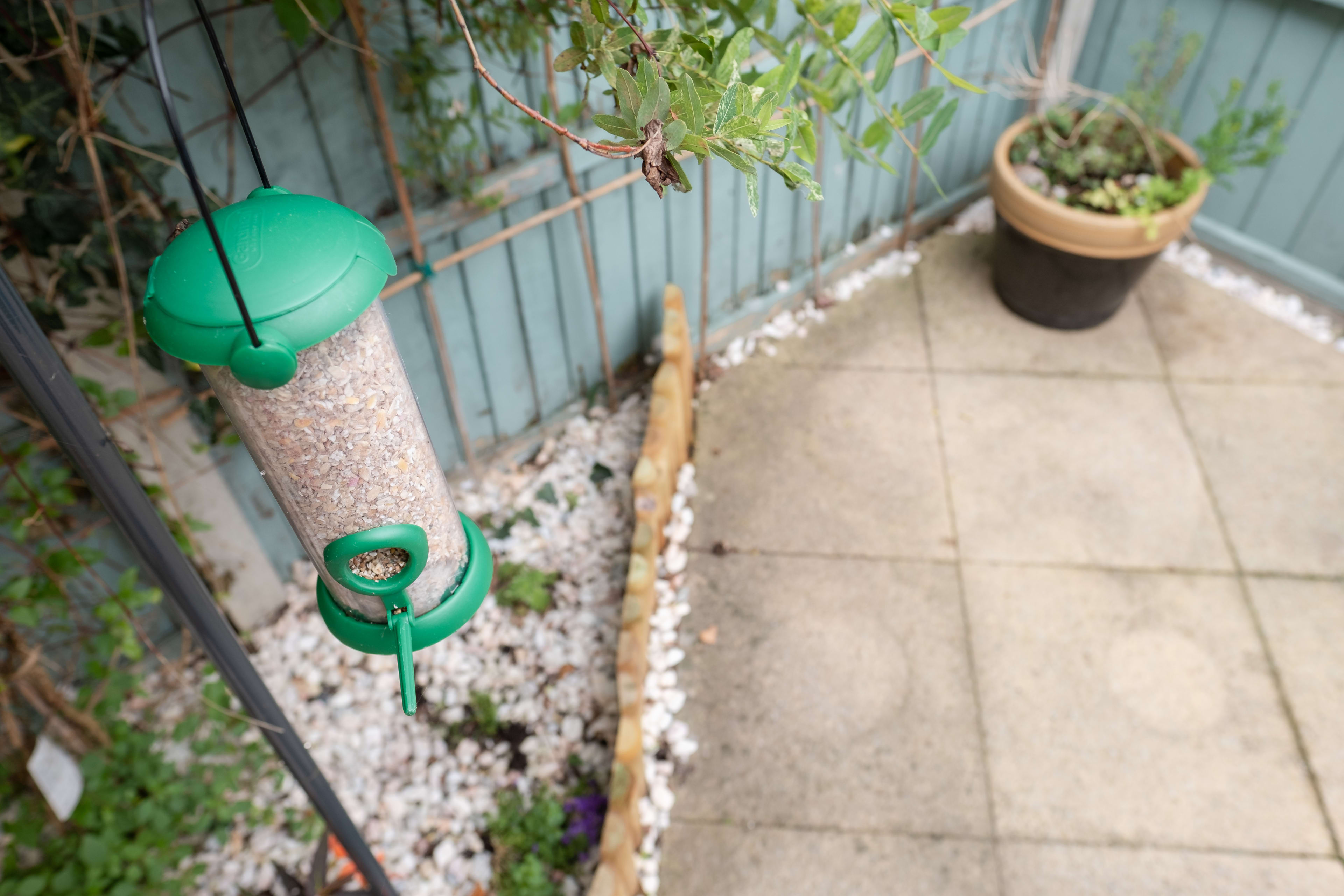
Keeping bird feeders clean and dry helps stop bird seed from sprouting. Regular maintenance makes your feeders safe and inviting for birds.
Seeds that sprout in feeders can spoil quickly. This causes mold and waste. Taking care of feeders often keeps seeds fresh and healthy.
Cleaning To Prevent Mold
Mold grows on damp seeds and inside feeders. Cleaning feeders often stops mold from forming. Use warm water and mild soap.
Rinse feeders well after washing. Let them dry completely before adding new seed. This keeps mold spores away.
- Empty feeders before cleaning
- Use a brush to scrub all surfaces
- Rinse thoroughly with clean water
- Dry feeders in the sun if possible
Removing Wet Or Spoiled Seed
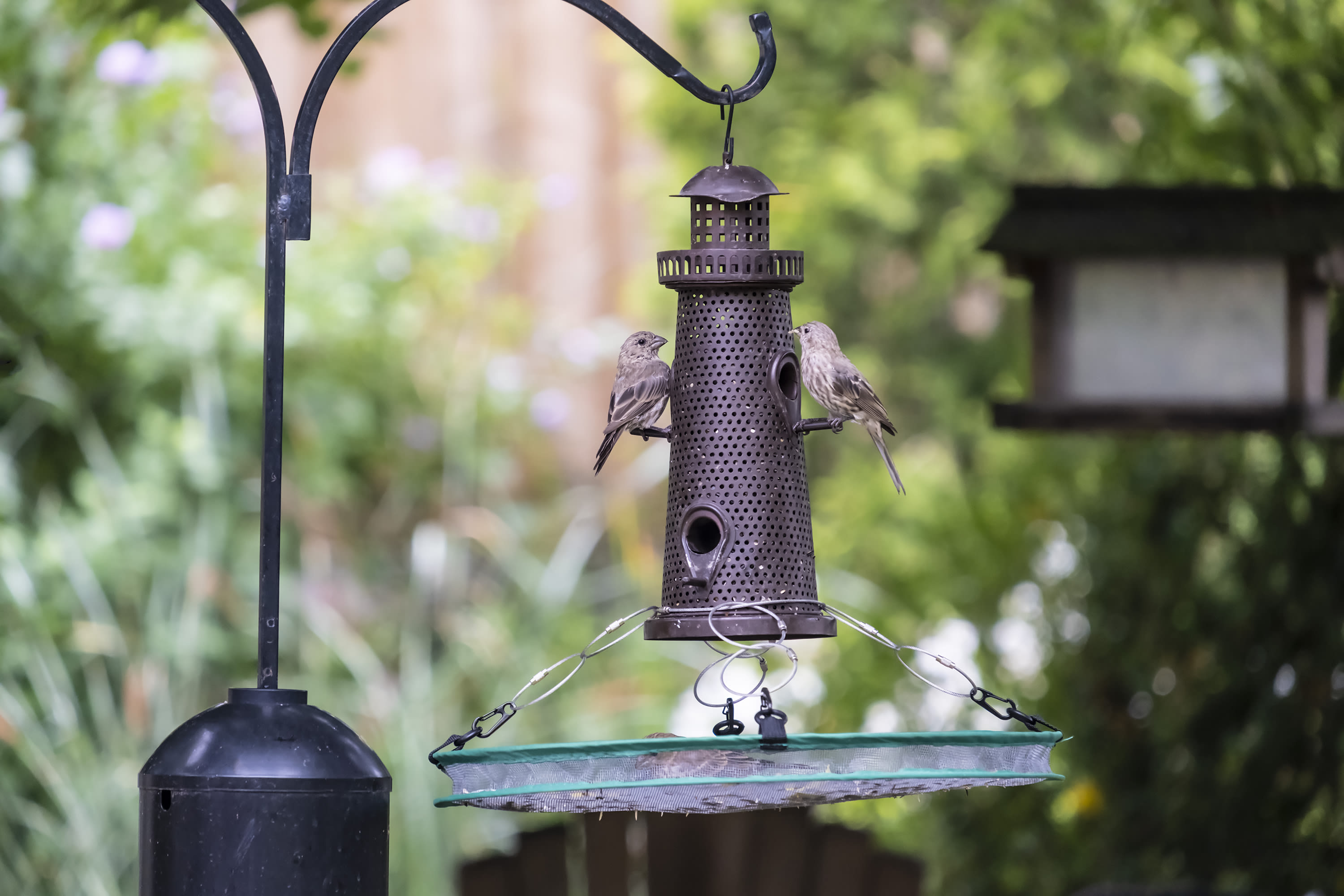
Wet seed can sprout or rot quickly. Remove any seed that looks damp or smells bad. This stops birds from eating spoiled food.
Check feeders after rain or snow. Replace wet seed with fresh, dry seed. This helps keep your feeder clean and safe.
- Look for clumps of sprouted seed
- Discard seeds with bad odor
- Refill feeders with dry seed only
- Store extra seed in a dry place
Credit: dengarden.com
Alternative Feeding Options
Bird seed often starts to sprout when left outside for too long. This can waste food and attract pests. Choosing the right feeding options helps keep seed fresh and birds happy.
Using alternative foods or special seed mixes can stop sprouting. These options also give birds good nutrition without the mess.
Using Seed Mixes With Additives
Some seed mixes include additives that stop sprouting. These additives prevent moisture from activating the seeds. This keeps the food dry and fresh longer.
Look for seed mixes with natural coatings or salt additives. These stop seeds from growing but still provide nutrition. These mixes reduce waste and mess at your feeder.
- Additives help keep seeds dry
- Natural coatings prevent sprouting
- Seed mixes still attract many bird types
- Less seed waste and fewer pests
Switching To Pellets Or Suet
Pellets and suet are good alternatives to loose seed. Pellets are compressed bird food that does not sprout. Suet is fat mixed with seeds and insects.
These foods stay fresh longer and attract many bird species. They reduce the chance of leftover food sprouting in your feeder or on the ground.
- Pellets do not sprout or grow plants
- Suet provides energy for cold weather
- Both options reduce feeder mess
- Good for attracting a variety of birds
Frequently Asked Questions
How Can I Stop Bird Seed From Sprouting Indoors?
Store bird seed in a cool, dry place away from sunlight. Use airtight containers to prevent moisture. Avoid storing seed near heat or humidity sources. Proper storage limits germination and keeps seed fresh for birds.
What Causes Bird Seed To Sprout In Feeders?
Moisture and warmth cause bird seed to sprout in feeders. Rain or dew can wet the seed, triggering germination. Using covered feeders or seed blends less prone to sprouting helps prevent this.
Are Certain Bird Seeds Less Likely To Sprout?
Yes, seeds like sunflower and safflower sprout less often. Smaller seeds like millet germinate quickly if wet. Choosing larger, harder seeds reduces sprouting risk in feeders.
How Often Should I Clean Bird Feeders To Prevent Sprouting?
Clean feeders every two weeks to remove damp seed and mold. Regular cleaning reduces moisture buildup and prevents seed from sprouting. Use mild soap and rinse thoroughly before refilling.
Conclusion
Bird seed sprouting can be a common problem. But simple solutions exist. Store seed in a dry, cool place. Use feeders with drainage holes. These steps help keep seeds fresh and sprout-free. Regular cleaning of feeders prevents moisture build-up. Moisture leads to sprouting.
You can also buy treated bird seed. This kind of seed reduces sprouting chances. Enjoy watching birds without the worry of unwanted sprouts. Keep your garden tidy and bird-friendly. These tips ensure a pleasant bird-watching experience. Happy bird feeding!