

Have you ever heard a bird whistle and wondered if it sounded just like a human? It’s surprising how some birds can mimic human sounds so closely that you might do a double-take.
If you’re curious about which bird whistles like a human and why it happens, you’re about to discover something truly fascinating. Keep reading, and you’ll learn not only which bird has this amazing talent but also what makes its whistle so special.
This could change the way you listen to the birds around you forever.
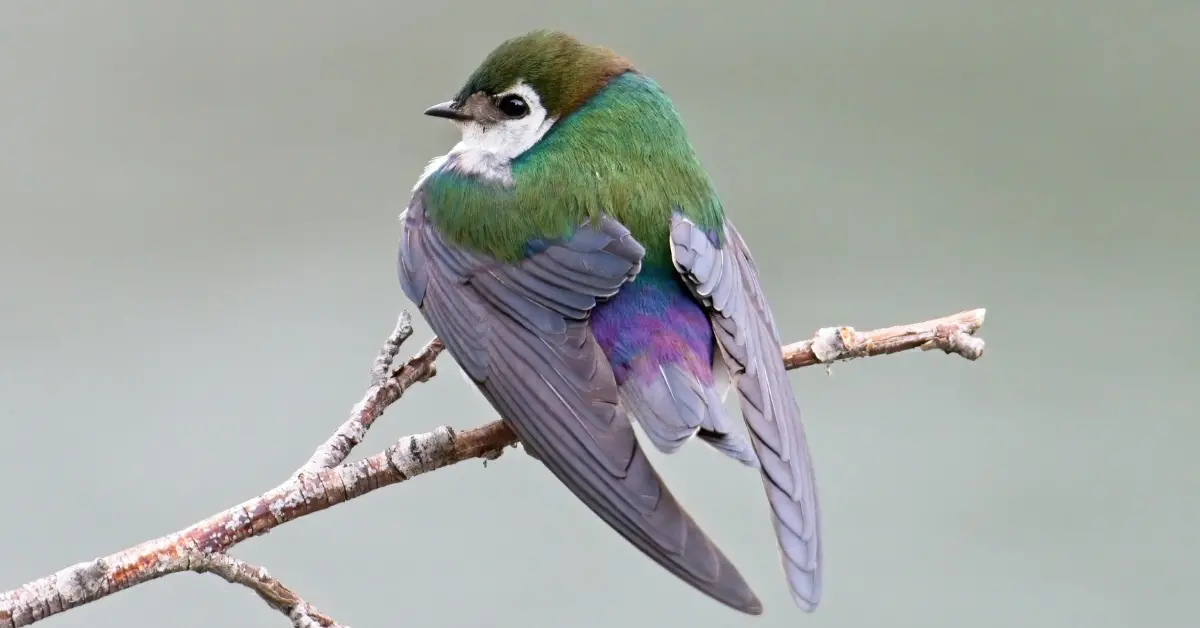
Credit: nestboxlive.com
The Bird That Whistles Like A Human
Some birds can whistle sounds that sound very much like a human whistle. These birds can mimic human sounds well.
One bird is famous for whistling like a human. It uses this skill to communicate and attract mates.
The Northern Mockingbird
The Northern Mockingbird is known for its amazing ability to copy sounds. It can imitate whistles, songs, and even car alarms.
This bird learns sounds from its environment, including human whistles. It repeats these sounds to mark its territory.
- Found in North America
- Can imitate over 200 sounds
- Uses whistling to attract mates
- Often heard during the night
The Lyrebird’s Human-like Whistles
Lyrebirds are famous for their ability to mimic many sounds. They can copy human whistles and even camera clicks.
These birds live in Australia and use their whistling skills to impress other lyrebirds during courtship.
- Native to Australia
- Imitates human-made sounds
- Uses whistling to attract mates
- Known for complex songs
The African Grey Parrot
The African Grey Parrot can copy human speech and whistles very well. It learns sounds from its owner or environment.
This parrot uses whistling to communicate and bond with people. It is one of the smartest talking birds.
- Lives in African rainforests
- Copies human whistles and words
- Uses sounds to communicate
- Highly intelligent bird species

Credit: www.youtube.com
Unique Vocal Abilities
Some birds can whistle like humans. Their vocal skills are rare and interesting. These birds use special ways to copy sounds from their environment.
Understanding how they mimic sounds helps us learn about their unique voices. We also explore sounds they make beyond just whistles.
How Mimicry Works
Birds use their syrinx, a voice box, to copy sounds. They listen carefully and practice to get the sounds right. This process takes time and patience.
- Hear a sound clearly
- Try to copy the sound
- Repeat until the sound matches
- Use the sound in their calls
Sounds Beyond Whistles
These birds do more than whistle. They can imitate human speech, other animal sounds, and even mechanical noises. Their range is wide and surprising.
| Sound Type | Example |
| Human Whistles | Clear and sharp tunes |
| Speech Imitation | Simple words and phrases |
| Animal Calls | Other bird songs or animal sounds |
| Mechanical Noises | Car alarms, phone rings |
Habitat And Behavior
Some birds can whistle in a way that sounds like a human. One famous example is the Northern Mockingbird. This bird copies many sounds, including human whistles. Its habitat and behavior help it learn and use these sounds well.
Understanding where this bird lives and how it acts helps us know why it whistles like a human. Its calls play a big role in its daily life and communication.
Where To Find This Bird
The Northern Mockingbird lives mostly in North America. It prefers open areas with some trees or bushes. You can find it in parks, gardens, and edges of forests.
This bird adapts well to human environments. It often lives near homes or cities where it finds food easily. It likes places with clear sightlines to watch for danger.
- North America, especially the United States and Mexico
- Open fields with scattered trees or shrubs
- Urban areas like parks and gardens
- Suburban backyards with bushes or small trees
Daily Life And Calls
The Northern Mockingbird is active during the day. It sings many songs and whistles, sometimes copying sounds it hears. This skill helps it attract mates and mark its territory.
Its calls include whistles, chirps, and clicks. It can repeat a sound many times in a row. This bird learns new sounds from other birds, animals, and even humans.
- Uses whistling to communicate and attract mates
- Copies sounds from its environment
- Sings mostly at dawn and dusk
- Defends territory with loud calls
Reasons Behind Mimicry
Some birds whistle like humans because they copy sounds from their environment. This ability helps them in many ways. Mimicry is common in birds like the lyrebird and mockingbird.
Birds use mimicry to communicate and attract mates. Their whistles can sound very close to human speech or other noises.
Communication Purposes
Birds mimic sounds to send messages to other birds. This helps them warn about danger or mark their territory. Copying human whistles can confuse predators or rivals.
Some birds learn many sounds to show they are smart and strong. This makes their calls more effective in nature.
Attracting Mates
Male birds often whistle like humans to attract female birds. A bird with a wide range of sounds seems more attractive. This shows good health and learning ability.
Whistling like a human can make a male bird stand out. It helps him find a mate and start a family.
Famous Stories And Recordings
Some birds can whistle like humans. They copy sounds they hear, including human whistles. People have shared many stories about these birds.
These birds are known for their clear, human-like whistles. Their sounds have been recorded and shared worldwide. These recordings show how closely birds can mimic us.
Notable Encounters
One famous bird known for whistling like a human is the lyrebird. It can copy many sounds, including human whistles and songs. People have heard lyrebirds whistling tunes from radios and people nearby.
Another bird is the mockingbird. It repeats sounds it hears often. Some mockingbirds learn to whistle human melodies very well. Many bird watchers have reported hearing these whistles in cities.
- Lyrebirds in Australia mimic human whistles and other sounds.
- Mockingbirds in North America copy human tunes and whistles.
- Starlings also imitate human whistles in urban areas.
- Some crows and ravens are known to whistle like humans too.
Popular Audio Clips
Many recordings show birds whistling like humans. These clips are shared online and in nature shows. They help people learn about bird sounds and mimicry skills.
Some popular clips include lyrebirds copying human whistles perfectly. Mockingbirds have also been recorded whistling famous songs. These clips often surprise listeners with how close the sounds are to humans.
- Lyrebird whistling a popular tune recorded in Australian forests.
- Mockingbird singing and whistling in urban parks in the USA.
- Starling copying human whistle sounds in city neighborhoods.
- Raven mimicking human whistles in recorded wildlife videos.
How To Spot And Identify
Some birds can whistle sounds that sound like humans. One of the most famous is the Northern Mockingbird. Knowing how to spot and identify this bird helps you enjoy its unique calls.
We will look at key visual features and listening tips to help you recognize this bird in nature.
Visual Features
The Northern Mockingbird has distinct looks that make it easier to spot. It is medium-sized with gray and white feathers. The wings have white patches that show when it flies.
- Gray upper body with lighter underparts
- White wing bars visible in flight
- Long tail with white edges
- Sharp, slightly curved beak
- Bright yellow eyes
Listening Tips
The Northern Mockingbird is famous for its whistling and mimicking sounds. It copies other birds, animals, and even human noises. Listen carefully to catch its whistles and varied calls.
| Sound Type | Description |
| Whistles | Clear, musical whistles that sound like a human whistling |
| Mimicry | Imitations of other birds and environmental sounds |
| Repetition | Repeats phrases several times in a row |
| Variety | Mixes many sounds in a single song |
Conservation Status
The bird that whistles like a human is known for its unique sounds. Its ability to mimic human whistles makes it special. Understanding its conservation status helps protect it better.
Conservation status shows how at risk the species is. This status guides actions to save the bird and its habitat.
Threats Facing The Species
Many dangers threaten this bird’s survival. Habitat loss and pollution are the biggest problems. These reduce the places where the bird can live and find food.
- Deforestation removes nesting areas
- Pollution harms the environment
- Illegal pet trade captures wild birds
- Climate change alters their habitats
Efforts To Protect
Many groups work to save this bird. They protect habitats and stop illegal trading. Education helps people understand why the bird is important.
| Protection Effort | Description |
| Habitat Conservation | Preserving forests and wetlands |
| Legal Protection | Laws against capturing and trading |
| Public Education | Raising awareness in communities |
| Research | Studying bird behavior and needs |
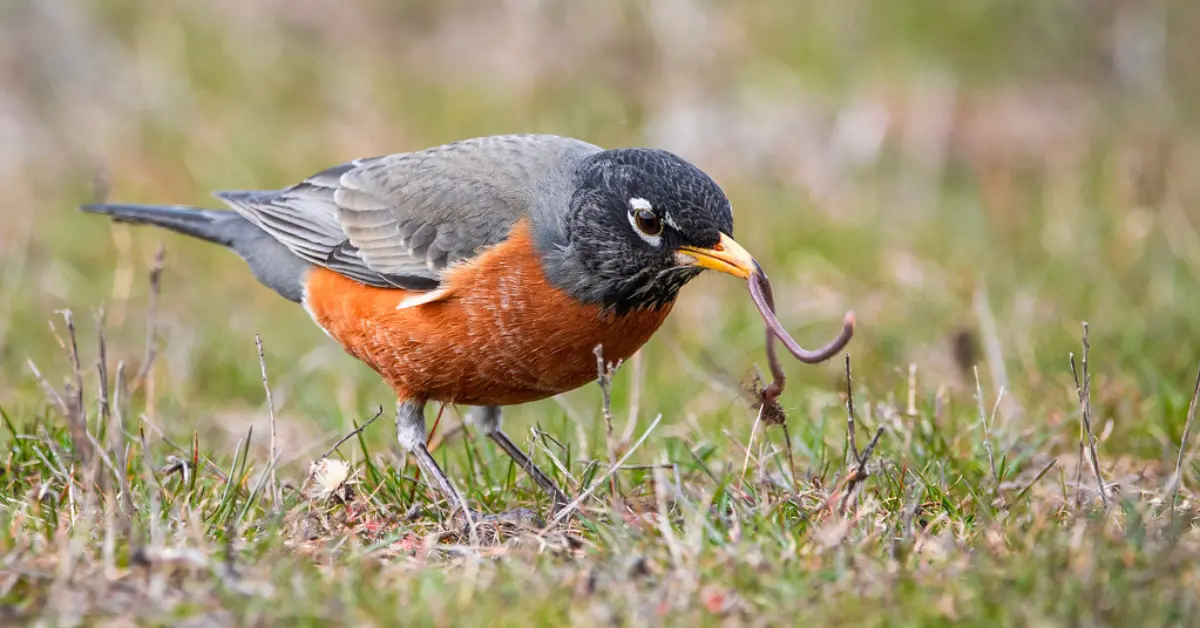
Credit: nestboxlive.com
Frequently Asked Questions
What Bird Whistles Like A Human Voice?
The Lyrebird is famous for mimicking human whistles and other sounds. It can imitate human speech and environmental noises clearly.
Can Any Bird Imitate Human Whistling Sounds?
Yes, several birds like the Lyrebird, Mockingbird, and Parrot can imitate human whistles. They use their vocal skills to mimic sounds.
Why Do Birds Whistle Like Humans?
Birds whistle like humans mainly to communicate or attract mates. Mimicking sounds helps them blend into their environment and show intelligence.
Where Can I Hear Birds That Whistle Like Humans?
You can hear whistling birds in Australia (Lyrebird), North America (Mockingbird), and tropical regions (Parrots). Parks and forests are common spots.
Conclusion
Birds that whistle like humans captivate many nature lovers. Their mimicry amazes and intrigues. Parrots, especially, can imitate human-like whistles. This skill helps them communicate in the wild. Understanding these birds enriches our appreciation of nature. It highlights the complexity and beauty of avian life.
Observing such birds can be a delightful experience. It offers a glimpse into their fascinating world. Next time you hear a whistle, it might just be a bird. Listen closely. You might discover a new feathered friend. Enjoy these moments of wonder and connection with nature.



