
If you love watching birds visit your yard, making your own bird suet is one of the best ways to attract them. You might think it’s complicated, but it’s actually simple and fun.
Imagine creating a tasty treat that brings colorful birds right to your window. In this guide, you’ll learn easy steps to make bird suet using ingredients you probably already have. Keep reading, and soon you’ll enjoy more bird visitors and the joy they bring to your outdoor space.
Benefits Of Bird Suet
Bird suet is a popular food for wild birds. It helps birds stay strong and healthy. Making your own suet is simple and rewarding.
Suet offers many benefits to birds, especially during cold months. It provides energy and attracts many bird types to your yard.
Why Birds Need Suet
Suet gives birds a high-energy food source. It helps them survive cold weather and harsh conditions. Birds need extra calories to keep warm.
- Provides quick energy for flight and warmth
- Helps birds during winter when food is scarce
- Supports healthy feathers and growth
- Offers a reliable food source when insects are not available
Nutritional Value For Wild Birds
Suet is rich in fat and protein. These nutrients are vital for birds’ survival. Fat helps birds store energy, and protein builds muscles and feathers.
| Nutrient | Benefit to Birds |
| Fat | Energy for warmth and flight |
| Protein | Muscle and feather growth |
| Carbohydrates | Quick energy boost |
| Vitamins & Minerals | Overall health support |
Attracting Different Bird Species
Different birds like different suet types. Adding seeds or nuts helps attract a variety of species. Suet feeders bring colorful birds to your yard.
- Woodpeckers prefer plain suet or suet with seeds
- Nuthatches enjoy suet mixed with peanuts
- Chickadees like suet with sunflower seeds
- Titmice are attracted to suet with dried fruits
- Warblers and other small birds visit suet feeders in cold weather

Credit: littlesproutslearning.co
Basic Ingredients For Suet
Making bird suet is simple and fun. You only need a few basic ingredients to create a tasty treat for wild birds. Suet provides energy and helps birds stay warm.
This guide covers the main ingredients for making suet: fats, seeds, nuts, and optional add-ins. Each part adds nutrition and flavor to attract different birds.
Types Of Fats To Use
Fat is the base of any suet mix. It gives birds the energy they need, especially in cold weather. Use solid fats that melt slowly outside.
- Beef suet (raw or rendered, from butcher shops)
- Lard (pork fat, available in grocery stores)
- Crisco or vegetable shortening (plant-based solid fats)
- Coconut oil (solid at room temperature, good for warmer areas)
Common Seeds And Nuts
Seeds and nuts provide protein and fats. Different seeds attract different bird species. Mixing several types makes the suet more appealing.
| Seed or Nut | Birds Attracted |
|---|---|
| Black oil sunflower seeds | Cardinals, chickadees, nuthatches |
| Peanuts (unsalted, chopped) | Woodpeckers, jays, titmice |
| Safflower seeds | Cardinals, grosbeaks, finches |
| Millet | Sparrows, doves, juncos |
| Cracked corn | Doves, jays, sparrows |
Optional Add-ins For Variety
Adding extras gives birds more nutrition and interest. Use these sparingly to keep the suet healthy and tasty.
- Dried fruits like raisins or cranberries
- Oats or granola for texture
- Chopped apple pieces for moisture
- Mealworms for extra protein
- Chia seeds for healthy fats
Essential Tools And Materials
Making bird suet at home is simple and requires just a few tools and materials. Having the right items ready helps you create suet that birds will enjoy.
This guide covers the main equipment needed, safe containers and molds for shaping, and useful storage tips to keep your suet fresh.
Equipment Needed
You will need some basic kitchen tools to prepare bird suet. These make the process smooth and safe.
- Mixing bowl to combine ingredients
- Spoon or spatula for stirring
- Measuring cups for accuracy
- Double boiler or microwave-safe container to melt fat
- Knife for chopping nuts or seeds
- Paper towels or cloth for cleanup
Safe Containers And Molds
Choosing the right containers or molds shapes your suet and keeps it safe for birds. Use items that hold up well to melting fat and cold.
| Container Type | Material | Notes |
|---|---|---|
| Suet cages | Metal or plastic | Designed for easy hanging outdoors |
| Silicone molds | Food-grade silicone | Flexible, easy to remove suet shapes |
| Small containers | Glass or metal | Reusable and sturdy |
| Paper cups | Waxed paper | Disposable, good for single use |
Storage Tips
Store your suet properly to keep it fresh and safe for birds. Proper storage also helps prevent spoilage and mess.
- Wrap suet in wax paper or plastic wrap
- Keep suet in airtight containers
- Store in the refrigerator if using soon
- Freeze extra suet for longer storage
- Label containers with date made
Step-by-step Suet Making
Making bird suet at home is simple and fun. You can feed wild birds with a tasty treat they will enjoy.
This guide will show you how to prepare and set suet in easy steps. You only need a few ingredients and tools.
Preparing The Fat Base
Start with a good fat base for your suet. You can use beef suet or lard. These fats stay solid when cold, which birds like.
Cut the fat into small pieces. Melt it gently in a pan over low heat. Avoid boiling or burning the fat.
Mixing Ingredients
Add bird-friendly ingredients to the melted fat. These give energy and nutrients to the birds.
- Cracked corn
- Rolled oats
- Peanut butter (unsalted)
- Sunflower seeds
- Dried fruits like raisins or cranberries
Stir the mixture well so all ingredients blend evenly with the fat.
Pouring And Setting Suet
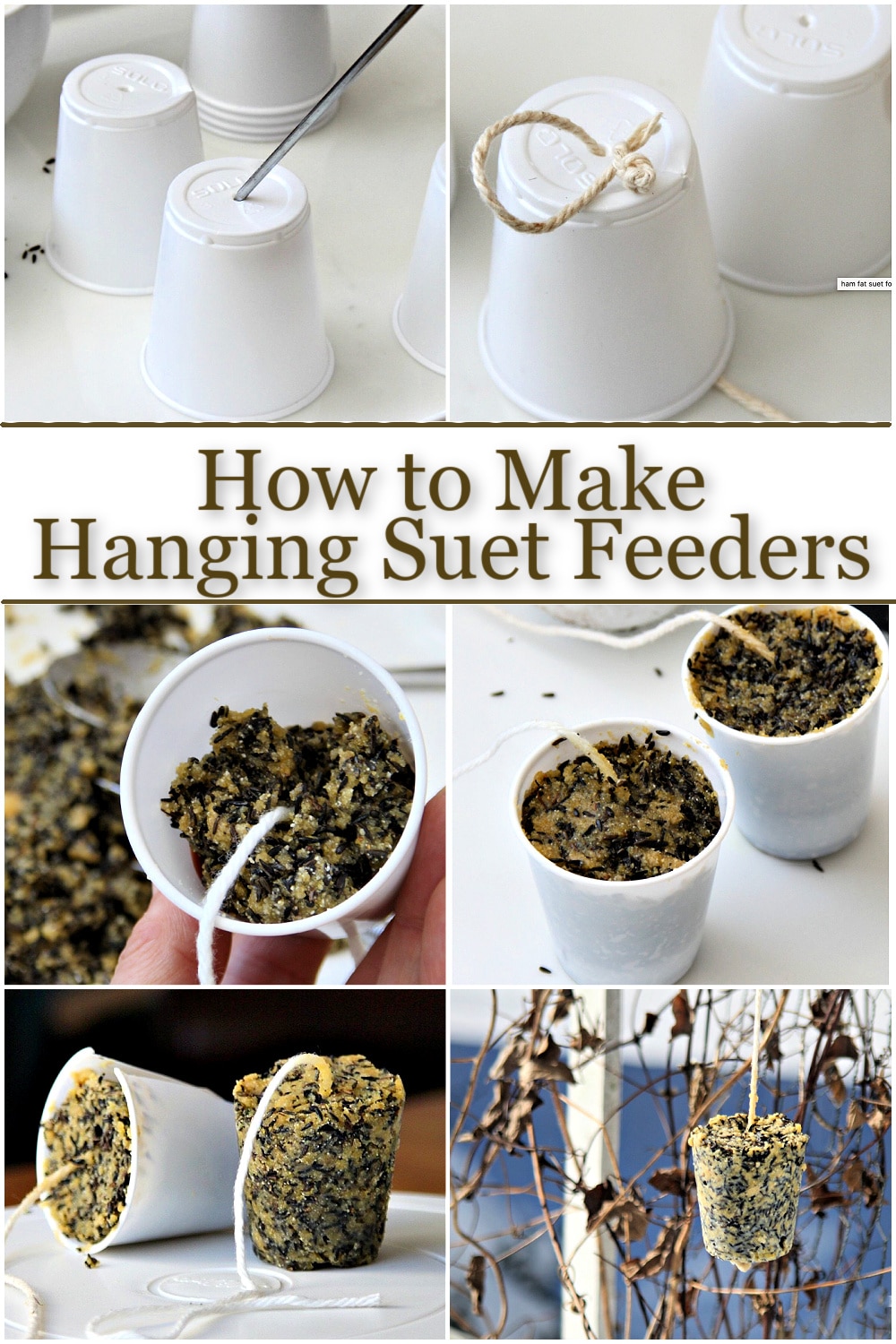
Pour the mixture into molds or containers. You can use silicone molds, small containers, or even paper cups.
| Container Type | Benefits |
|---|---|
| Silicone molds | Easy to remove hardened suet |
| Small plastic containers | Reusable and sturdy |
| Paper cups | Disposable and cheap |
Place the filled molds in the fridge or outside if it’s cold. Let the suet harden for several hours or until firm.
Easy Diy Suet Recipes
Making your own bird suet is simple and fun. It helps feed birds during cold months. You can use basic ingredients found at home.
Try these easy suet recipes to attract different bird species to your yard. Each recipe uses common pantry items.
Classic Nut And Seed Suet
This recipe is perfect for most wild birds. It combines fat with nuts and seeds to give birds energy and nutrients.
- 1 cup melted suet or lard
- 1 cup mixed birdseed
- 1/2 cup chopped peanuts
- 1/2 cup oats
Mix all ingredients well. Press into molds and chill until firm. Hang outside for birds to enjoy.
Fruit-infused Suet Mix
Add dried fruits to suet to attract fruit-eating birds like robins and thrushes. This mix is colorful and tasty.
| Ingredient | Amount |
| Melted suet or lard | 1 cup |
| Mixed birdseed | 1 cup |
| Dried cranberries | 1/3 cup |
| Raisins | 1/3 cup |
| Chopped dried apricots | 1/3 cup |
Combine all ingredients and press into molds. Let the suet cool and harden. Place it where birds visit often.
Peanut Butter Suet Variation
This version uses peanut butter for extra flavor and protein. It is loved by woodpeckers and chickadees.
Ingredients:
- 1 cup peanut butter (smooth or chunky)
- 1 cup melted suet or lard
- 1 cup cornmeal
- 1/2 cup birdseed
Mix all items until smooth. Fill molds and chill until solid. Hang the suet in a shaded spot outdoors.

Credit: littlesproutslearning.co
Tips For Suet Feeding
Suet is a great food for many wild birds, especially in cold weather. It gives them energy and helps them stay warm. Feeding birds with suet can attract a variety of species to your yard.
To get the best results, use the right feeders, place them well, and keep the suet fresh. These tips will help you enjoy watching healthy birds all season long.
Best Feeders For Suet
Choose feeders designed for suet cakes. Wire cages and mesh feeders work well. They hold the suet firmly and allow birds to cling while eating.
- Wire cage feeders: Easy to refill and clean
- Mesh feeders: Good for small suet pieces
- Tray feeders: Allow multiple birds to feed at once
- Suet balls in netting: Attract woodpeckers and nuthatches
Placement And Timing
Place feeders where birds feel safe. Near trees or shrubs is best. Avoid spots with too much sun or wind.
| Time of Year | Feeding Advice |
|---|---|
| Winter | Feed suet daily to help birds stay warm |
| Spring | Reduce feeding as natural food returns |
| Summer | Feed sparingly; watch for melting suet |
| Fall | Start feeding to prepare birds for cold months |
Maintaining Freshness
Keep suet fresh to avoid mold and spoilage. Replace suet cakes regularly and clean feeders well.
- Store suet in a cool, dry place before use
- Remove old or melted suet quickly
- Clean feeders with warm soapy water every two weeks
- Use fresh suet mixtures for best bird health
Safety Considerations
Making bird suet is simple, but safety is important. Using the right ingredients and storing the suet well keeps birds healthy. It also protects other wildlife and pets from harm.
Follow these safety tips to make your bird suet safe and enjoyable for the birds in your yard.
Avoiding Harmful Ingredients
Some ingredients can be dangerous for birds. Avoid anything with salt, sugar, or artificial sweeteners. Also, do not use processed foods or chocolate. These can harm birds and other animals.
- Use plain suet or lard without additives
- Include healthy seeds and nuts without shells
- Skip salty or sugary snacks
- Avoid foods with preservatives or chemicals
Preventing Mold And Spoilage
Mold can make birds sick. Keep suet fresh by storing it properly. Use clean containers and watch for signs of spoilage. Remove old suet quickly to avoid mold growth.
| Storage Tip | Why It Matters |
| Keep suet in a cool place | Prevents melting and spoiling |
| Use airtight containers | Keeps moisture out |
| Check suet weekly | Catch mold early |
| Discard moldy suet immediately | Protects bird health |
Wildlife And Pet Safety
Suet can attract unwanted animals. Keep pets and wild animals safe by placing feeders carefully. Avoid areas where larger animals can reach the suet. Clean feeders to stop bacteria and pests.
- Place suet feeders away from pets’ reach
- Use feeders with guards to stop squirrels and raccoons
- Clean feeders regularly with hot, soapy water
- Do not feed suet near areas with pets’ food or water bowls
Troubleshooting Common Issues
Making bird suet can be simple and fun. Sometimes, problems happen that stop birds from enjoying it. Fixing these issues helps birds come back.
Here are common problems and easy ways to solve them. These tips will make your suet better for the birds.
Suet Melting Too Fast
Suet can melt quickly if the weather is warm. This makes a mess and wastes food. It also scares birds away.
To stop suet from melting fast, try these ideas:
- Use beef fat or lard, which melts slower than vegetable fat.
- Keep suet feeders in shaded spots away from direct sun.
- Make smaller suet cakes that birds can eat quickly.
- Try adding fillers like cornmeal or oats to firm up the suet.
Birds Not Visiting
Sometimes birds ignore the suet feeder. This can be frustrating but easy to fix. Birds may not see the feeder or dislike the recipe.
To attract birds, try these tips:
- Place feeders near trees or bushes for cover.
- Keep feeders clean and refill often with fresh suet.
- Use suet with seeds, nuts, or berries to attract more birds.
- Avoid feeders near noisy or busy areas.
Pests And How To Manage Them
Pests like squirrels and ants can steal or spoil suet. They make feeding time harder for birds.
Try these ways to keep pests away:
- Use suet cages to keep squirrels out.
- Place feeders on poles with baffles to block pests.
- Clean up spilled suet to avoid attracting ants.
- Try adding cayenne pepper to suet; birds do not mind it.

Credit: gratefulprayerthankfulheart.com
Frequently Asked Questions
What Ingredients Do I Need To Make Bird Suet?
To make bird suet, you need suet or lard, birdseed, peanut butter, and optional nuts or dried fruits. These ingredients provide energy and nutrients for birds, especially in winter.
How Do I Safely Melt Suet For Bird Suet?
Melt suet slowly in a double boiler or microwave on low heat. Avoid overheating to keep nutrients intact and prevent burning.
Which Birds Are Attracted To Homemade Suet?
Homemade suet attracts woodpeckers, chickadees, nuthatches, and wrens. It provides essential fats and calories, especially in cold weather.
Can I Store Bird Suet For Later Use?
Yes, store bird suet in an airtight container in the fridge or freezer. Proper storage keeps it fresh and safe for birds.
Conclusion
Creating bird suet at home is simple and rewarding. Birds enjoy these nutritious treats, especially in cold weather. Start with basic ingredients like fat, seeds, and grains. Mix them well and let them cool before serving. Your backyard will soon be bustling with happy birds.
Keep experimenting with different ingredients. This ensures variety and attracts diverse bird species. Homemade suet is budget-friendly and healthy for birds. Plus, it’s a fun activity for nature lovers. Remember to store suet properly to keep it fresh. Enjoy watching the birds enjoy your creations!



