
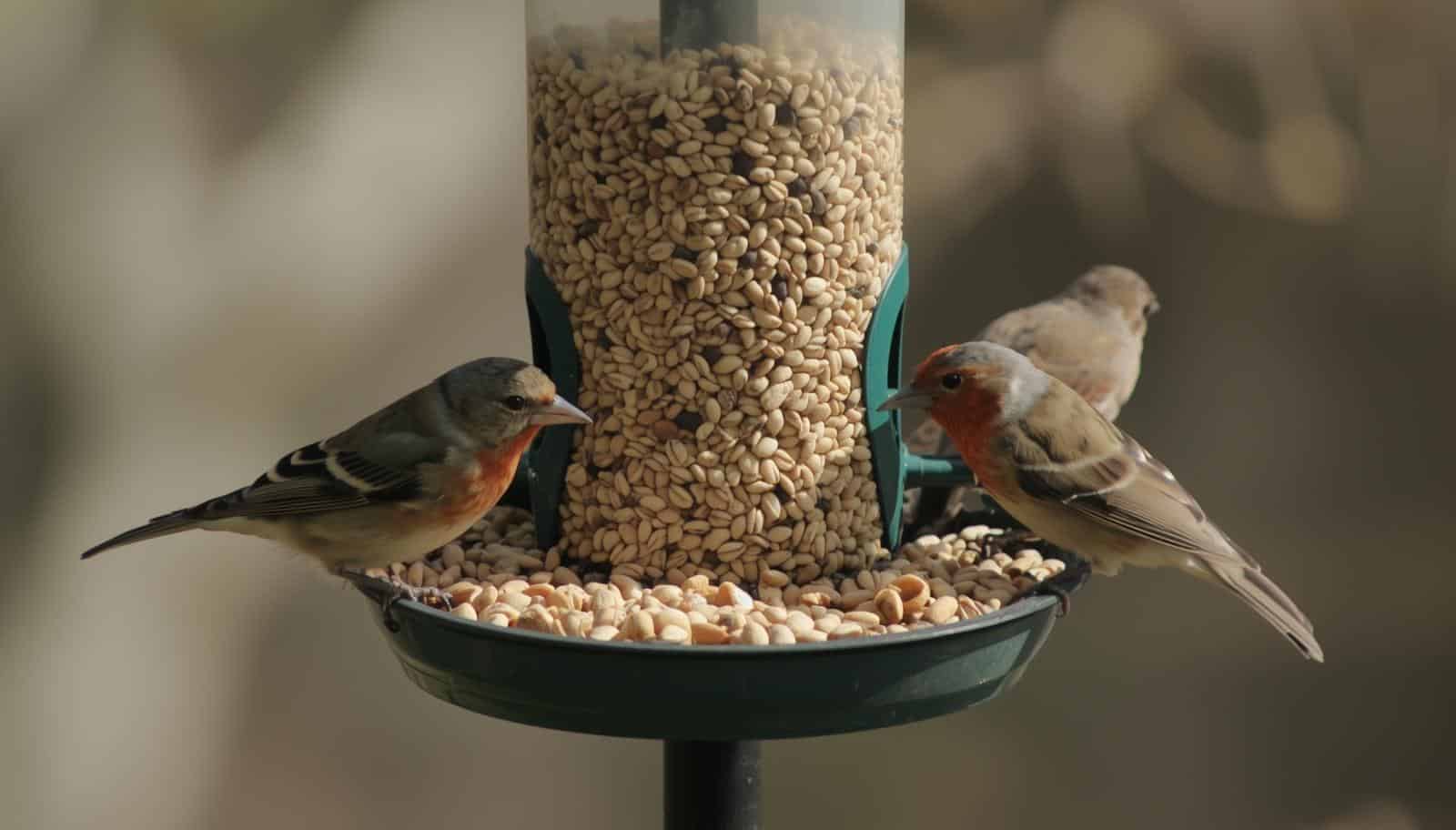
Choosing the right bird seed can make all the difference in attracting vibrant, happy birds to your yard. But with so many options on the market, how do you know which one is best for your feathered friends?
You want to offer food that’s nutritious, appealing, and fits your budget. In this guide, you’ll discover simple tips to pick the perfect bird seed that keeps birds coming back day after day. Ready to become the neighborhood’s favorite bird host?
Let’s dive in!
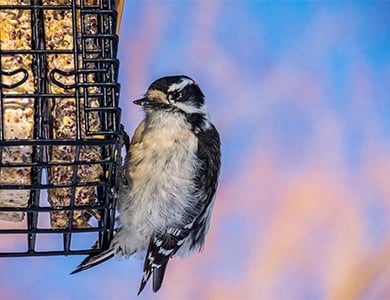
Credit: www.mondou.com
Types Of Bird Seed
Choosing the right bird seed helps attract the birds you want. Different birds prefer different seeds. Knowing seed types makes feeding birds easier. This guide covers common seed varieties and specialty seeds for specific birds. Use it to pick the best seed for your backyard visitors and understand how to choose bird seed effectively.
Common Seed Varieties
These seeds are popular and attract many types of birds. They are often found in mixed seed bags or sold alone.
- Black Oil Sunflower Seeds:High in fat and easy to crack. Loved by finches, chickadees, and cardinals.
- Safflower Seeds:White and hard. Attracts cardinals and grosbeaks but not squirrels or pigeons.
- Millet:Small and white or red. Preferred by ground-feeding birds like sparrows and doves.
- Nyjer (Thistle) Seeds:Tiny and black. Perfect for finches, especially goldfinches.
- Cracked Corn:Cheap and popular. Attracts larger birds like jays and pigeons.
Specialty Seeds For Specific Birds
Some birds need special seeds that match their diet. Offering these seeds helps attract particular species.
| Bird Type | Preferred Seed | Notes |
| Finches | Nyjer (Thistle) | Use special feeders to hold tiny seeds |
| Cardinals | Black Oil Sunflower, Safflower | Seeds must be easy to access |
| Doves | Millet, Cracked Corn | Best on ground feeders |
| Woodpeckers | Peanuts, Sunflower Seeds | Offer in shell or shelled for variety |
| Chickadees | Sunflower Seeds, Peanuts | Use tube feeders with small openings |
Credit: www.allaboutbirds.org
Nutritional Needs Of Wild Birds
Wild birds need a balanced diet to stay healthy and active. Choosing the right bird seed helps meet their nutritional needs. Different birds eat different seeds. Knowing their needs helps you pick the best bird seed for backyard birds in your area.
Essential Nutrients In Seeds
Bird seeds contain nutrients like fats, proteins, and carbohydrates. These help birds grow and keep warm.
Vitamins and minerals in seeds support strong bones and feathers. They also keep the bird’s immune system strong.
- Fats provide energy for flying and staying warm.
- Proteins help build muscles and feathers.
- Carbohydrates give quick energy.
- Vitamins A, D, and E support health and vision.
- Calcium and phosphorus strengthen bones and eggshells.
Seasonal Dietary Changes
Birds eat different foods in each season. Their energy needs change with the weather.
In cold months, birds need high-fat seeds for warmth. In warmer months, they eat more protein for breeding.
- Winter: sunflower seeds, suet, and peanuts for energy.
- Spring: more protein from seeds like millet and insects.
- Summer: fresh fruits, berries, and softer seeds.
- Fall: seeds with fats to prepare for migration or winter.
Choosing Seeds For Local Birds
Feeding birds in your area helps support local wildlife. Choosing the right seeds makes your feeder more attractive. Different birds eat different types of bird seed depending on their beak shape and size. Knowing what your local birds prefer will guide your seed choices.
Identifying Local Bird Species
Start by finding out which birds live near you. Use bird guides or apps to learn about local species.
Observe your yard or nearby parks. Note the birds you see often and their size and colors.
- Look for common backyard birds like sparrows and finches
- Notice larger birds such as cardinals or blue jays
- Record birds that visit feeders or ground areas
Matching Seeds To Bird Preferences
Each bird species likes certain seeds. Offering the right seeds will attract more birds to your feeder.
Choose seeds based on the birds you identified. Use a mix if you want to feed many types.
| Bird Species | Preferred Seeds |
|---|---|
| Finches | Nyjer, sunflower seeds |
| Sparrows | Milo, cracked corn |
| Cardinals | Sunflower seeds, safflower seeds |
| Blue Jays | Peanuts, sunflower seeds |
| Woodpeckers | Suet, peanuts |
Credit: www.allaboutbirds.org
Seed Quality And Freshness
Choosing the right bird seed is important for healthy birds. Fresh, high-quality seeds attract more birds and keep them safe. Old or poor-quality seeds can cause illness or waste your money. Learn how to spot good bird seed varieties before buying.
Signs Of Fresh Seeds
Fresh seeds look clean and dry. They should not have dust or broken pieces mixed in.
Good seeds have a strong natural smell. They should not smell musty or sour.
- Seeds are whole and unbroken
- No dust or debris in the bag
- Seeds feel dry, not damp
- Natural, mild seed smell
- Seeds are bright in color
Avoiding Mold And Contaminants
Mold can harm birds and spoil seed quality. Check for any signs of mold before buying or using seed.
Contaminants like dirt, stones, or insects reduce seed quality. Avoid bags that look dirty or damaged.
- Look for white or gray fuzzy patches (mold)
- Smell seeds for musty or bad odors
- Check packaging for holes or tears
- See that seeds are free from dirt and stones
- Store seeds in a dry, cool place to keep fresh
Seed Mixes Vs. Single Seeds
Bird seed comes in many forms. You can choose a mix or a single seed type.
Each option offers different benefits for feeding birds in your yard.
Benefits Of Seed Mixes
Seed mixes contain many types of seeds in one bag. This variety attracts many bird species.
Mixes provide a balanced diet and keep birds coming back for more.
- Attracts different bird species
- Offers varied nutrition
- Good for general bird feeding
- Reduces waste by appealing to more birds
When To Use Single Seed Types
Single seed types focus on one kind of seed. They attract specific birds that prefer that seed.
Use single seeds to target particular bird species or to avoid feeding unwanted birds.
- Feed goldfinches with nyjer seed
- Offer sunflower seeds for cardinals and chickadees
- Use millet for ground-feeding birds like doves
- Control which birds visit your feeder
Feeding Tips For Happy Birds
Choosing the right bird seed is important for keeping birds healthy and happy. Different birds like different types of seeds.
Feeding birds in the right way helps them stay safe and enjoy their food. Let’s look at some tips.
Proper Feeding Stations
Use feeding stations that protect the seed from rain and wind. This keeps the seed dry and fresh.
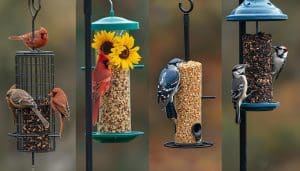
Choose a station that suits the birds you want to feed. Some birds like hanging feeders, others prefer platforms.
- Place feeders where birds feel safe from predators
- Use different types of feeders for different birds
- Keep feeders at a good height to avoid pests
Maintaining Cleanliness
Clean feeding stations often to stop mold and bacteria. Dirty feeders can make birds sick.
Remove old seed and wash feeders with warm water regularly. Dry them well before refilling.
- Clean feeders every two weeks or more if needed
- Use a brush to scrub hard to reach spots
- Check for seed spills under feeders and clean ground area
Common Mistakes To Avoid
Choosing the right bird seed is important for keeping birds healthy. Some mistakes can harm birds or waste money. Knowing what to avoid helps you feed birds better. Here are common errors people make when picking bird seed for wild birds in their garden. Avoiding these mistakes keeps your bird feeders clean and safe.
Overfeeding And Seed Waste
Giving too much seed can cause problems. Birds may not eat all the seed, leading to waste. Old seed can grow mold and make birds sick.
Overfeeding attracts unwanted animals like squirrels and rodents. They can damage feeders and scare away birds.
- Fill feeders only halfway to reduce waste
- Clean feeders regularly to avoid mold
- Use smaller feeders to limit seed amount
- Remove old seed quickly
Using Harmful Seed Types
Not all bird seeds are safe. Some seeds can harm birds or cause digestive problems. Avoid seeds with shells that birds cannot open easily. Seeds with pesticides or chemicals are dangerous. Always choose clean, natural seed blends made for wild birds. Researching how to choose bird seed without additives is vital for bird safety.
- Avoid seeds treated with chemicals
- Do not use cheap mixes with filler seeds
- Choose seeds suitable for local bird species
- Check seed labels for quality and safety
Frequently Asked Questions
What Type Of Bird Seed Attracts The Most Birds?
Black oil sunflower seeds attract the widest variety of birds. They are high in oil, nutritious, and easy to crack open. This seed suits many common backyard birds like finches, cardinals, and chickadees, making it a popular choice for feeders.
How To Choose Bird Seed For Specific Bird Species?
Research the preferred seeds of local birds before buying. For example, nyjer seed attracts finches, while safflower is good for cardinals. Matching seed type to bird species increases feeding success and bird visits to your feeder.
Can Mixed Bird Seed Harm Certain Bird Types?
Poor-quality mixed seeds may contain fillers that birds avoid. Fillers like milo or red millet offer little nutrition and waste money. Always check the bird seed mix to ensure it contains seeds suitable for your target birds.
How To Store Bird Seed To Keep It Fresh?
Store bird seed in a cool, dry place in airtight containers. Avoid moisture and pests to prevent mold and spoilage. Proper storage maintains seed quality and ensures safe feeding for birds.
Conclusion
Choosing the right bird seed is important for happy birds. Consider bird species in your area. Different birds enjoy different seeds. Check the label for ingredients. Avoid fillers. Fresh seeds attract more birds. Buy from a trusted source. Quality matters for bird health.
When you learn how to choose bird seed properly, you create a sanctuary for local wildlife. Store seeds in a cool, dry place. Protect from pests. Regularly clean bird feeders. This keeps birds healthy and safe. Observe which seeds attract birds. Adjust your choice as needed. Enjoy the lively chirping in your garden. Happy bird watching!



