Have you ever wondered what’s really inside the bird seed you scatter in your backyard? Knowing what’s in bird seed can help you attract the right birds and keep them healthy.
Whether you’re a seasoned bird watcher or just starting out, understanding the ingredients can make all the difference. You’ll discover the common seeds used, their benefits, and how to choose the best mix for your feathered visitors. Keep reading—you’ll soon see your garden become a lively haven for birds!

Credit: www.amazon.com
Common Bird Seed Types
Bird seed is a mix of different seeds that attract many types of birds. Each seed type offers unique nutrients and appeal.
Knowing the common seed types helps you choose the best mix for your backyard birds.
Sunflower Seeds
Sunflower seeds are popular for many bird species. They have a hard shell with a tasty kernel inside.
- Black oil sunflower seeds are easy for small birds to crack.
- Striped sunflower seeds have a thicker shell for larger birds.
- High in fat and protein to provide energy.
Millet
Millet is a small, round seed that many ground-feeding birds enjoy. It is easy to digest and rich in carbohydrates.
| Type of Millet | Birds Attracted | Seed Size |
| White Proso Millet | Sparrows, Doves, Juncos | Small |
| Foxtail Millet | Finches, Sparrows | Medium |
| Japanese Millet | Quail, Pigeons | Medium |
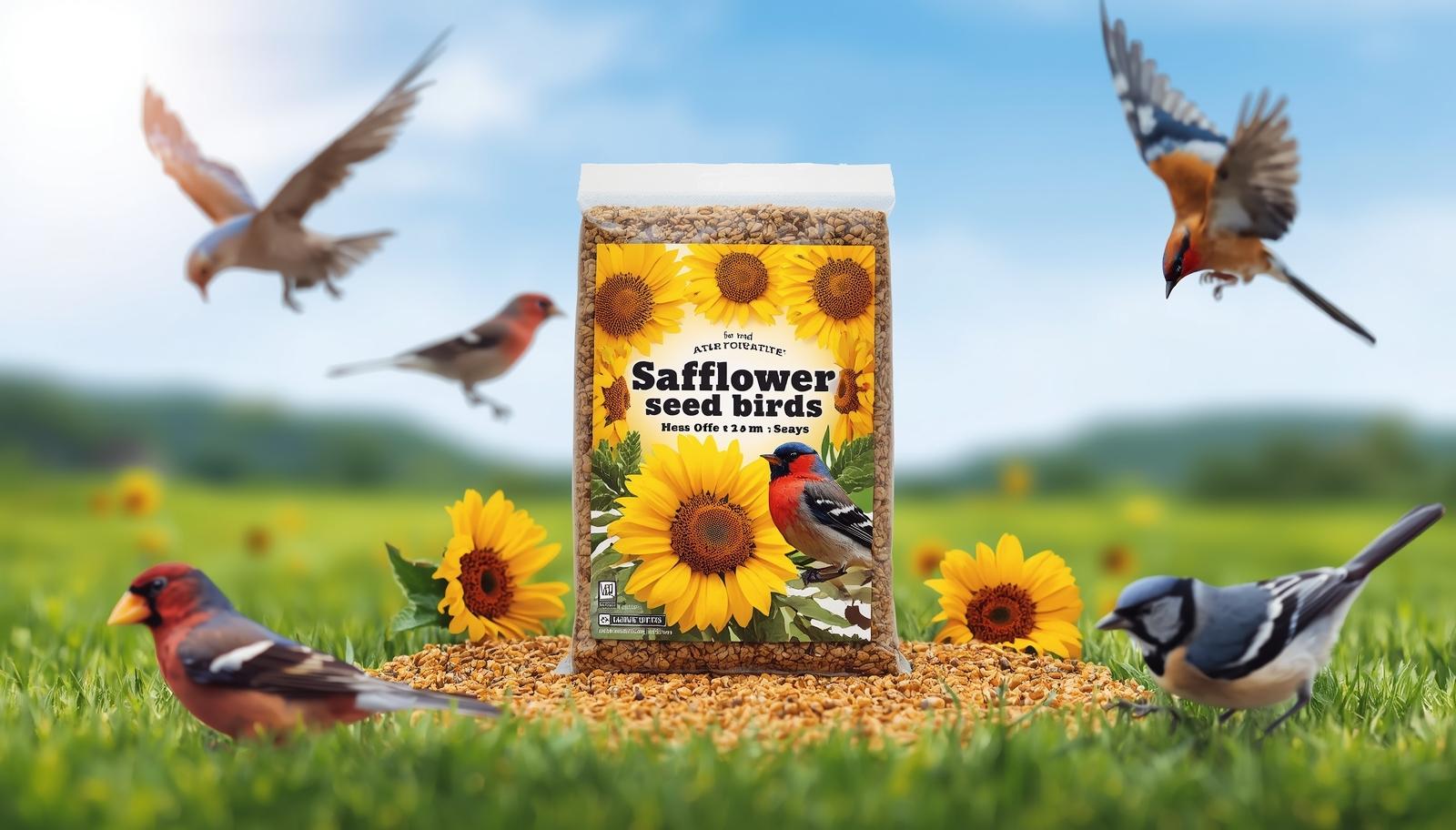
Safflower Seeds
Safflower seeds have a white shell and a slightly bitter taste. Many birds like them, but squirrels usually avoid them.
These seeds are high in protein and fat, helping birds stay warm in cold weather.
Nyjer Seeds
Nyjer seeds are tiny and black. They attract finches and small songbirds. These seeds are high in oil content.
| Seed Type | Birds Attracted | Key Nutrient |
|---|---|---|
| Sunflower Seeds | Cardinals, Chickadees | Fat and Protein |
| Millet | Sparrows, Doves | Carbohydrates |
| Safflower Seeds | Cardinals, Grosbeaks | Protein and Fat |
| Nyjer Seeds | Finches, Goldfinches | Oil |

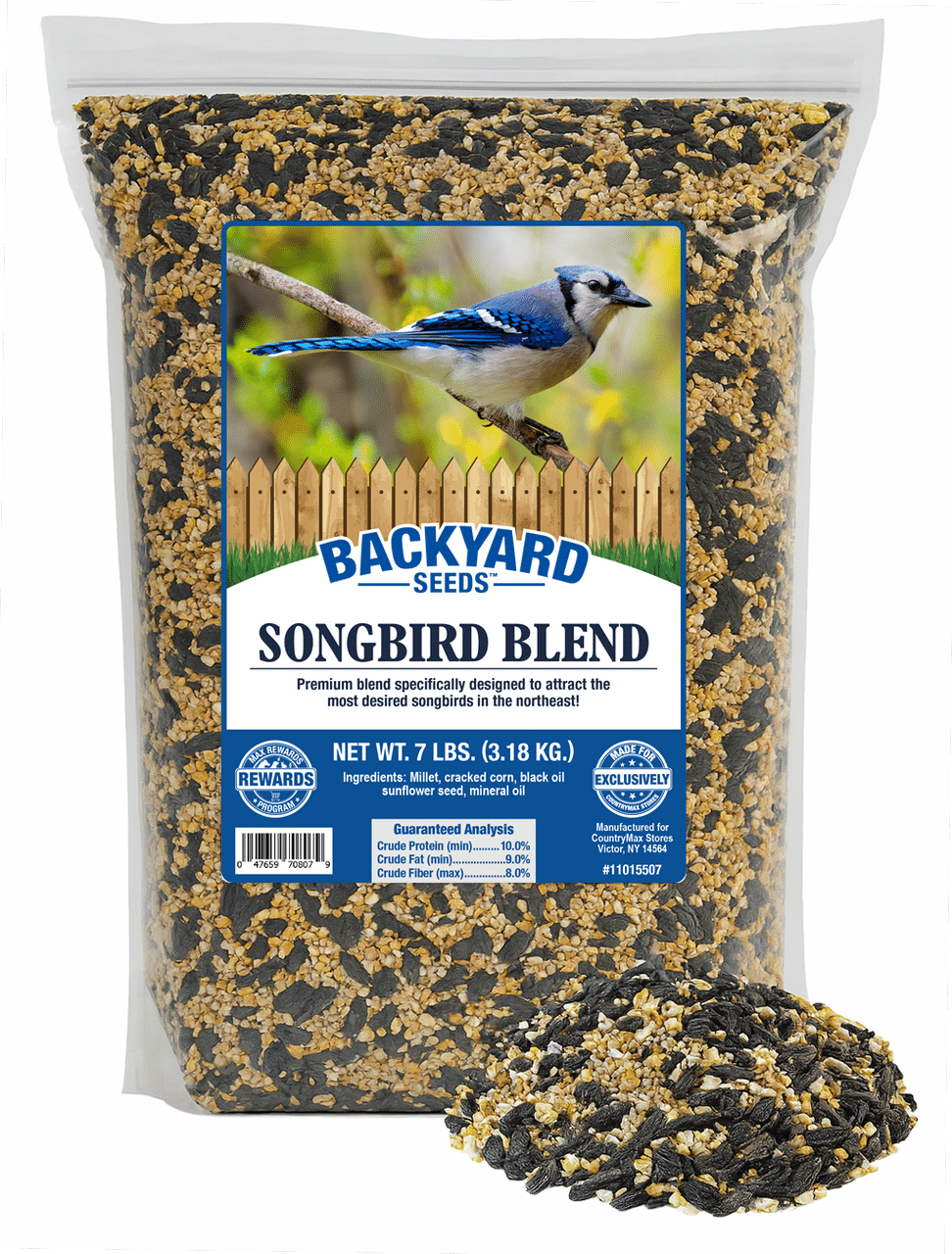
Credit: www.countrymax.com
Unexpected Additives
Bird seed often contains more than just seeds. Manufacturers add extra ingredients to make the mix last longer or taste better.
These additives can affect the health of wild birds and the quality of the food. Knowing what is inside helps you choose wisely.
Preservatives And Fillers
Preservatives keep bird seed fresh by stopping mold and bacteria. Fillers add bulk but may have little nutrition.
Some fillers include crushed grains or cheap seeds that birds may not like. These can lower the seed mix quality.
- Common preservatives: BHT, BHA, and ethoxyquin
- Fillers: wheat, corn, and millet husks
- Preservatives extend shelf life
- Fillers reduce cost but lower nutrition
Artificial Colors And Flavors
Some bird seeds have artificial colors to look brighter. Flavors may be added to attract birds.
These additives do not help birds and can cause harm. Natural seed colors and flavors are best for birds.
- Colors: Red, green, or yellow dyes
- Flavors: Sweet or fruity scents
- No nutritional value from these additives
- Can cause allergic reactions in some birds
Nutritional Enhancers
Some bird seed mixes include vitamins or minerals to boost nutrition. These help birds stay healthy in winter.
Added nutrients can improve bird strength but may raise the price of the seed mix.
- Common enhancers: Vitamin A, calcium, and omega-3
- Help birds with feather growth and energy
- May benefit weak or young birds
- Check labels to see what is added
Seeds To Avoid
Not all seeds are safe or healthy for birds. Some seeds can harm birds or provide little nutrition.
Knowing which seeds to avoid helps keep birds healthy and happy.
Toxic Seeds For Birds
Some seeds contain toxins that can hurt or even kill birds. Avoid these seeds in any bird seed mix.
- Apple seeds – contain cyanide compounds harmful to birds
- Cherry pits – toxic and hard to digest
- Avocado seeds – can cause heart and respiratory problems
- Tomato seeds – may upset a bird’s stomach
- Stone fruit pits (peach, plum) – contain harmful substances
Low-nutrition Fillers
Some seeds add bulk to bird seed mixes but offer little nutrition. Birds may fill up on these and miss needed nutrients.
| Seed Type | Reason to Avoid |
| Millet | Low in protein and fat |
| Wheat | Mostly starch, little nutrition |
| Oats | Hard to digest for some birds |
| Safflower | Low appeal to many bird species |
Benefits Of Natural Ingredients
Natural ingredients in bird seed provide essential nutrients. They help birds stay healthy and active.
Seeds from natural sources support birds’ growth and energy. They also improve feather quality and immunity.
Nutrient-rich Seeds
Bird seed with nutrient-rich seeds contains vitamins, minerals, and healthy fats. These elements help birds with daily energy and long-term health.
- Sunflower seeds provide protein and fat
- Millet offers carbohydrates and fiber
- Safflower seeds are rich in antioxidants
- Flax seeds contain omega-3 fatty acids
Organic And Non-gmo Options
Organic and non-GMO bird seeds avoid harmful chemicals. These options reduce risks to birds and the environment.
| Feature | Organic Seeds | Non-GMO Seeds |
| Free from synthetic pesticides | Yes | Usually |
| No genetically modified organisms | Yes | Yes |
| Supports natural farming | Yes | Depends |
| Better for bird health | Yes | Yes |
How To Choose Quality Bird Seed
Choosing the right bird seed is important for your birds' health. Good seed helps birds stay strong and active.
Not all bird seeds are the same. Knowing what to look for can help you pick the best option.
Reading Labels Carefully
Labels tell you what is inside the bird seed bag. Read them to find the ingredients and nutrients.
Look for seeds that match the birds you want to feed. Some seeds are better for small birds, others for large birds.
- Check for a list of seeds and grains
- Avoid seeds with many fillers like millet hulls
- Look for added vitamins or minerals
- Make sure the seed is fresh and not dusty
Recognizing Quality Brands
Quality brands use good ingredients and follow safety rules. They care about bird health.
Choose brands with clear labels and good reviews. This helps you avoid cheap or unsafe seed.
- Look for brands with a good reputation
- Choose seed made in clean, safe facilities
- Pick brands that specify seed origin and type
- Avoid brands with many complaints about mold or pests

Credit: jcswildlife.com
Homemade Bird Seed Mixes
Making your own bird seed mix is a fun way to feed wild birds. You can control what goes into the mix.
Homemade mixes often cost less and can attract many different birds.
Simple Recipes
Start with a few common seeds that birds like. You can mix them in a bowl or container.
Here are some easy seed ideas for a basic bird mix:
- Black oil sunflower seeds
- Millet
- Cracked corn
- Safflower seeds
- Peanuts (unsalted and chopped)
Mix these in equal parts or adjust based on what birds visit your area.
Customizing For Local Birds
Different birds like different seeds. Learn what birds live near you. Change your mix to match their tastes.
For example, finches enjoy nyjer seeds. Doves prefer cracked corn. Woodpeckers like peanuts.
- Check which birds visit your yard most
- Look up their favorite seeds online or in books
- Add more of those seeds to your mix
- Try small batches to see what works best
Frequently Asked Questions
What Ingredients Are Commonly Found In Bird Seed?
Bird seed typically contains sunflower seeds, millet, cracked corn, and safflower seeds. These ingredients provide essential nutrients like fats, proteins, and carbohydrates for birds.
Why Do Different Birds Prefer Different Bird Seed?
Bird species have varying dietary needs and beak shapes. Small seeds suit finches, while larger seeds attract cardinals and grosbeaks. This variety ensures better feeding for diverse bird types.
Is Bird Seed Safe For All Wild Birds?
Most bird seed blends are safe for wild birds. However, avoid moldy or spoiled seeds. Providing fresh, clean seed supports bird health and encourages frequent visits.
How Does Bird Seed Benefit Backyard Birdwatching?
Offering bird seed attracts a wide range of birds. It enhances bird diversity and viewing opportunities. Bird feeding also supports bird survival during harsh weather.
Conclusion
Bird seed offers a variety of nutrients for our feathered friends. Different seeds attract different bird species to your garden. Sunflower seeds, millet, and safflower are popular choices. These seeds provide essential energy and vitamins. Peanuts and cracked corn add protein to their diet.
Always check for mold and freshness before use. Clean feeding areas regularly to prevent diseases. Choose the right mix to welcome diverse birds. Enjoy watching them thrive with the right seed. Happy bird watching!