Are you looking for a fun and simple way to attract colorful birds to your garden? Making bird seed bells is a creative and rewarding project that anyone can try.
Not only do these bells provide food for your feathered friends, but they also add a charming touch to your outdoor space. In this guide, you’ll discover easy steps to craft your own bird seed bells using materials you probably already have.
Get ready to enjoy more bird visits while creating something beautiful with your own hands!
Materials Needed
Making bird seed bells is a fun and easy craft. You only need a few simple materials. These items help you create a tasty treat for birds in your garden.
Gather everything before you start. This way, your project will go smoothly and you won’t have to stop.
Bird Seed Mix
Bird seed is the main ingredient for your seed bells. Choose a mix that attracts many types of birds. Look for seeds like sunflower, millet, and cracked corn.
- Sunflower seeds
- Millet
- Cracked corn
- Safflower seeds
- Nyjer seeds
Unflavored Gelatin
Gelatin helps hold the bird seed together in a bell shape. Use unflavored gelatin powder or sheets. Avoid flavored or colored gelatin.
- Unflavored gelatin powder or sheets
- Helps bind seeds
- Safe for birds
Water
Water is needed to dissolve the gelatin. Use warm water to make mixing easier. The water and gelatin mix will hold the seeds together.
- Warm water
- Used to dissolve gelatin
Cookie Cutters Or Molds
Cookie cutters or molds shape the seed mixture into bells. Choose shapes that are easy to hang outside. Metal or plastic cutters work well.
- Metal or plastic cookie cutters
- Bell shapes or any fun shapes
- Helps form the seed bells
String Or Twine
String or twine is for hanging the seed bells. Use natural materials like cotton or jute. Avoid synthetic strings that can harm birds.
- Cotton string
- Jute twine
- Strong enough to hold the bell
- Safe for outdoor use
Mixing Bowl
You need a bowl to mix the bird seed and gelatin. Use a medium-sized bowl for easy stirring. A glass or plastic bowl works fine.
- Medium-sized mixing bowl
- Glass or plastic preferred
- Easy to clean

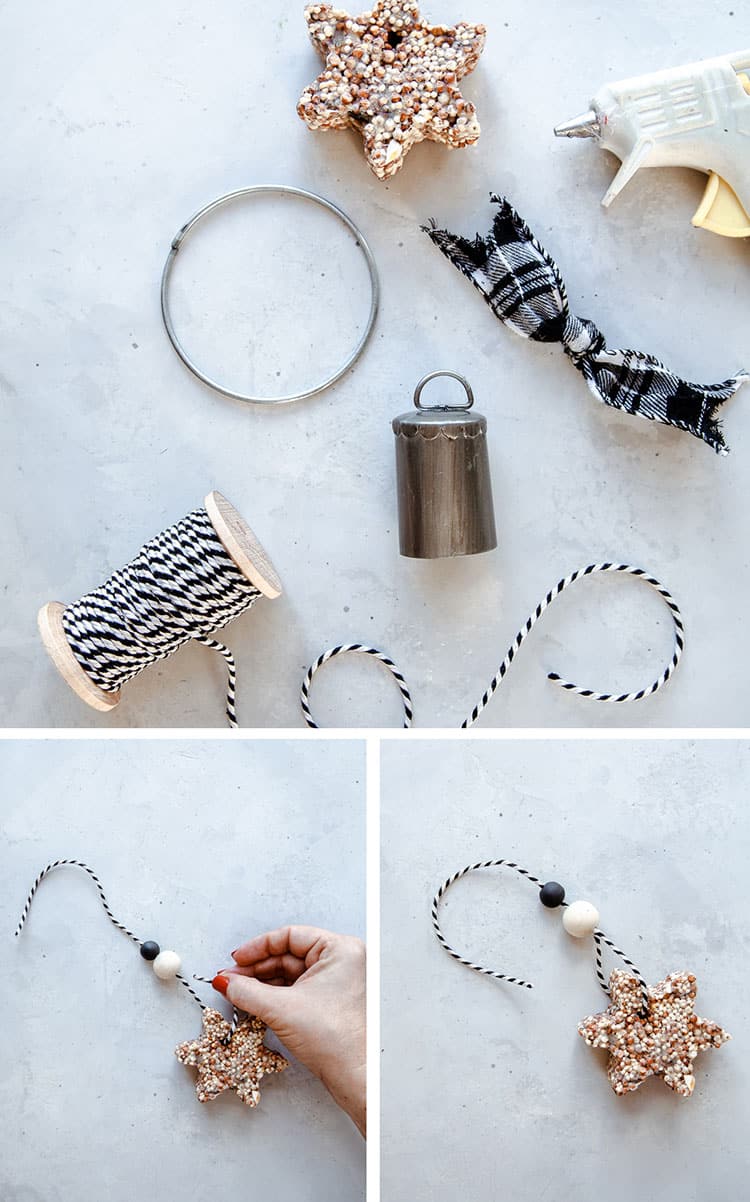
Credit: gluesticksblog.com
Choosing The Right Bird Seed
Picking the right bird seed is key for making bird seed bells that birds will love. Different seeds attract different birds.
This guide helps you select the best seeds to fill your bird seed bells and welcome many feathered friends.
Common Types Of Bird Seed
Each bird seed type feeds different bird species. Knowing the seed types helps you choose the best mix.
- Black oil sunflower seeds: Popular with many birds, easy to crack open.
- Millet: Small seeds loved by sparrows and finches.
- Nyjer (thistle): Tiny seeds for finches and small birds.
- Safflower: Bitter taste, preferred by cardinals and grosbeaks.
- Cracked corn: Attracts ground-feeding birds like doves and jays.
Seed Mixes For Bird Seed Bells
Choosing a seed mix helps you attract many bird species at once. Use a balanced mix for best results.
| Seed Type | Attracted Birds |
| Black oil sunflower | Cardinals, chickadees, finches |
| Millet | Sparrows, juncos, doves |
| Nyjer | Goldfinches, siskins |
| Safflower | Cardinals, grosbeaks |
| Cracked corn | Jays, doves, pigeons |
Avoiding Seeds Birds Don’t Eat
Some seeds are less popular or wasteful. Avoid these to keep your seed bells fresh and useful.
- Red millet: Birds rarely eat this seed.
- Wheat and oats: Often ignored by most wild birds.
- Flaxseed: Not favored by many common garden birds.
Buying And Storing Bird Seed
Fresh seed keeps your bird seed bells tasty. Store seeds in a dry, cool place to prevent mold.
Tips for Storage:
- Use airtight containers.
- Keep away from sunlight.
- Check seeds regularly for pests.
Preparing The Mixture
Making bird seed bells starts with preparing the right mixture. A good mix holds together and attracts birds.
This guide explains how to choose ingredients and combine them for the best bird seed bells.
Gathering Ingredients
Use seeds, nuts, and natural binders to make the mixture. Avoid anything toxic to birds.
- Black oil sunflower seeds
- Millet
- Peanuts (unsalted and chopped)
- Dried corn kernels
- Gelatin or natural peanut butter as binder
- Water to mix
Mixing The Ingredients
Combine the seeds and nuts in a large bowl. Stir them well to spread evenly.
Next, prepare the binder. If using gelatin, dissolve it in warm water. If peanut butter, soften it first.
Pour the binder over the seed mix. Use a spoon to blend everything until sticky and firm enough to hold shape.
Testing The Mixture
Check the mixture by pressing a small amount in your hand. It should hold together without falling apart.
| Mixture Texture | Result |
| Too dry | Seeds fall apart easily |
| Too wet | Mixture is sticky and messy |
| Just right | Firm and holds shape well |

Credit: www.firefliesandmudpies.com
Molding The Bells
Molding bird seed bells is a fun and simple process. It helps create shapes that birds will enjoy. Using the right tools makes shaping easier and neater.
This guide shows two ways to mold your bird seed bells. You can use bell molds or try other shaping methods. Both work well for making beautiful bells.
Using Bell Molds
Bell molds are designed to give your bird seed mixture a perfect bell shape. They are often made of plastic or metal. Using molds makes the bells look uniform and tidy.
- Fill the mold with your seed mixture, pressing it firmly.
- Place a loop or string in the mold to hang the bell later.
- Press more mixture on top to seal the string in place.
- Remove the bell carefully from the mold.
- Let the bell dry and harden before hanging.
Alternative Shaping Methods
If you do not have bell molds, you can use other items to shape your bells. Common household items work well to hold the seed mixture.
| Item | How to Use |
| Silicone cupcake liners | Fill and press seed mixture, then remove when firm |
| Small bowls | Press mixture inside and invert onto drying surface |
| Plastic cups | Use as a mold, making a hole for hanging string |
| Ice cube trays | Press mixture into sections, then pop out when set |
Adding Decorative Touches
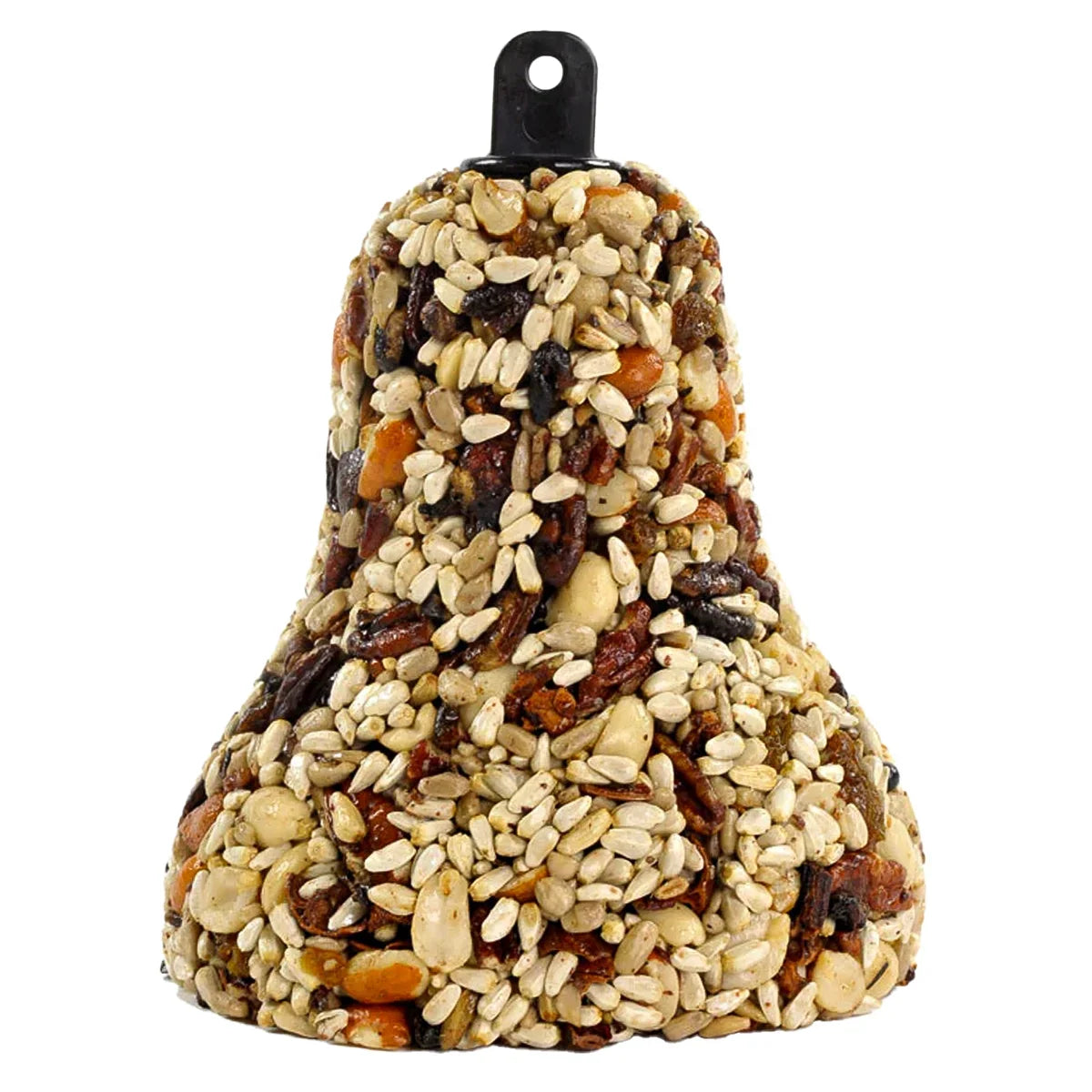
Decorating bird seed bells makes them more attractive in your garden. You can add colors and shapes to catch birds' attention.
Simple decorations also make your bird seed bells look pretty from inside your home. Use natural and safe materials for the best results.
Using Natural Dyes
Natural dyes add soft colors without harming birds. Try using beet juice or turmeric mixed with water. Dip the seed bells briefly and let them dry.
Adding Ribbons And Twine
Ribbons and twine give a charming look and help hang the bells easily. Choose colors that blend well with your garden.
- Use thin twine to tie the bell securely
- Add a small bow for decoration
- Choose weather-resistant ribbons
- Keep decorations small to avoid disturbing birds
Incorporating Natural Elements
Natural elements like pine cones, dried flowers, and small sticks add texture and interest. Attach them carefully so they do not fall off easily.
| Natural Element | How to Use | Safety Tip |
| Pine Cones | Glue at the top or bottom | Check for sharp edges |
| Dried Flowers | Press and glue flat on the surface | Avoid toxic plants |
| Small Sticks | Tie or glue along edges | Trim to size |
Sprinkling Bird-safe Glitter
Bird-safe glitter adds sparkle without harm. Sprinkle lightly on the wet seed mixture before it dries. Use colors that match nature.
Tip:Make your own bird-safe glitter by mixing fine sand with a small amount of natural mica powder.
Credit: duncraft.com
Drying And Setting
After making bird seed bells, drying and setting are important. They help the bells hold their shape.
Proper drying makes the bells hard and ready to hang outside for birds.
Drying Location
Choose a dry, cool place to dry your bird seed bells. Avoid direct sunlight, which can melt the mixture.
A well-ventilated area helps the bells dry evenly and faster. Keep them away from moisture to prevent mold.
- Use a flat surface covered with wax paper
- Place bells at least an inch apart
- Turn bells gently after 24 hours
Drying Time
Let your bird seed bells dry for at least 48 hours. Some may take longer depending on size and weather.
Check if the bells are hard and firm before hanging. Soft bells need more drying time to avoid falling apart.
- Small bells dry faster, about 2 days
- Larger bells might take up to 4 days
- Humidity slows the drying process
Setting The Bells
After drying, set the bells by gently pressing to check firmness. They should not crumble or stick to your fingers.
Add a string or ribbon to hang the bells. Secure it well so the bells stay safe outside.
- Use natural twine or ribbon
- Thread through the top carefully
- Tie a strong knot for hanging
Hanging Your Bird Seed Bells
After making your bird seed bells, you need to hang them properly. Hanging them well helps birds find food easily.
Good placement also keeps the bells safe and lasts longer outside.
Choosing The Best Location
Pick a spot where birds like to visit. Look for places near trees or bushes.
Make sure the area is quiet and away from heavy foot traffic or pets. Birds feel safer in calm spots.
- Near shrubs or trees for bird shelter
- Visible from a window for easy watching
- Away from busy walkways or playgrounds
- Not too close to feeders or bird baths
Safe Hanging Tips
Use strong string or twine that can hold the weight of the bird seed bell. Make sure it won’t break easily.
Hang the bells high enough to keep them safe from cats or other animals. Also, avoid spots where wind can knock them down.
- Check the string strength before hanging
- Hang at least 5 feet above the ground
- Secure the bells to a sturdy branch or hook
- Keep away from places with strong wind
Attracting Wildlife
Bird seed bells are a fun and easy way to feed birds in your yard. They help bring birds closer to your home. Making seed bells lets you offer food and shelter at the same time.
These bells are made from seeds and natural ingredients. Birds can eat from them while hanging in trees or bushes. This helps attract many types of birds to your garden.
Bird Species To Expect
Different birds visit depending on your region and the seeds you use. Common visitors include small songbirds and some larger birds. They come to eat seeds and find shelter.
- Finches enjoy small seeds like thistle and millet.
- Chickadees like sunflower seeds and suet.
- Cardinals prefer sunflower seeds and safflower.
- Nuthatches eat sunflower seeds and peanuts.
- Woodpeckers visit for suet and sunflower seeds.
Seasonal Feeding Tips
Bird feeding changes with the seasons. In winter, birds need high-energy seeds to stay warm. In spring and summer, offer seeds that help with nesting and raising young.
Keep seed bells fresh and clean to avoid mold. Replace old seeds to keep birds healthy. Change the seed mix seasonally to attract different species.
- Winter: Use high-fat seeds like sunflower and peanuts.
- Spring: Add millet and cracked corn for baby birds.
- Summer: Use softer seeds and suet for energy.
- Fall: Mix in seeds that help birds prepare for migration.
Troubleshooting Common Issues
Making bird seed bells is fun but sometimes problems happen. Knowing how to fix these issues helps you finish your project well.
This guide covers common problems and simple ways to solve them. Keep reading to make perfect bird seed bells every time.
Seed Bells Won't Hold Shape
If your seed bells fall apart, the mixture might be too dry or not sticky enough. Make sure to use enough gelatin or corn syrup to bind the seeds.
- Use warm water to dissolve gelatin fully.
- Mix thoroughly to coat all seeds.
- Press the mixture firmly into molds.
- Let bells dry completely before removing.
Bird Seed Bells Are Too Hard
Sometimes seed bells become too tough for birds to eat. This happens if you use too much gelatin or let them dry too long.
To fix this, reduce gelatin amount and check drying time. Bells should be firm but not rock hard.
Bird Seed Falls Out Easily
If seeds drop from your bells, the mixture may not be sticky enough or seeds are too large.
| Cause | Solution |
| Low binder amount | Add more gelatin or syrup |
| Large seed size | Use smaller seeds |
| Incomplete drying | Let bells dry longer |
| Loose pressing | Press seeds firmly in mold |
Mold Sticking To Seed Bells
Seed bells may stick to molds if you do not prepare molds correctly. This can break your bells when removing them.
Try these tips:
- Lightly grease molds with cooking spray or oil.
- Use silicone molds for easy release.
- Chill molds in the fridge before removing bells.
Eco-friendly Alternatives
Bird seed bells are a fun way to feed birds during cold months. Using eco-friendly materials helps protect nature.
These alternatives avoid plastic and harmful chemicals. They keep birds safe and reduce waste.
Natural Gelatin Or Agar Agar
Gelatin or agar agar helps bind bird seed without chemicals. Agar agar is plant-based and suits vegans.
Mix gelatin or agar agar with water and bird seed. Pour into molds and let it set.
Use Recycled Paper Molds
Recycled paper cups or cardboard shapes make good molds. They break down naturally outside.
Line molds with wax paper to prevent sticking. After the bell hardens, remove the mold gently.
Natural Twine For Hanging
Use natural twine or jute string instead of plastic thread. These materials are biodegradable.
They hold the bird seed bell firmly and blend well with outdoor settings.
Organic Bird Seeds
Choose organic bird seeds free from pesticides. They are safer for birds and the environment.
- Sunflower seeds
- Milo seeds
- Cracked corn
- Millet
Avoid Plastic Decorations
Do not add plastic beads or glitter. These can harm birds and pollute nature.
Use dried fruit slices or cinnamon sticks instead. They look natural and smell nice.
Frequently Asked Questions
What Ingredients Are Needed For Bird Seed Bells?
You need bird seed, gelatin or flour, water, and a mold. Optional items include string and festive decorations. These ingredients bind and shape the seed into bells that birds can enjoy outdoors.
How Do You Make Bird Seed Bells Step-by-step?
Mix bird seed with gelatin and water to bind. Press into molds and add string. Refrigerate until firm. Remove from molds carefully. Hang outdoors for birds to feed on during winter months.
Can Bird Seed Bells Attract Different Bird Species?
Yes, bird seed bells attract various species. Using mixed seeds like sunflower, millet, and cracked corn appeals to finches, sparrows, and chickadees. Placement and seed choice influence which birds visit your feeder.
How Long Do Bird Seed Bells Last Outside?
Bird seed bells typically last 1-2 weeks outdoors. Weather conditions like rain and humidity shorten lifespan. Store extra bells in the refrigerator to keep fresh before use.
Conclusion
Creating bird seed bells is simple and rewarding. Birds will love them. They make your garden lively with chirps and colors. Plus, they are a fun project for all ages. Gather your supplies and follow the steps. You'll soon see birds flocking to your trees.
Enjoy watching them as they enjoy your treats. It’s a great way to connect with nature. You’ll feel happy seeing your efforts pay off. Try different seeds for variety. Keep experimenting and learning. Your garden will become a bird paradise.
Enjoy every moment of it.