Are you looking to attract more wild birds to your yard? One of the best ways to do that is by offering the right kind of worm.
But with so many options out there, which worm should you choose to feed wild birds? Picking the wrong type might leave your feathered visitors hungry or uninterested. You’ll discover exactly which worms are best for wild birds and why.
Keep reading to make your garden a favorite spot for nature’s little guests.
Benefits Of Feeding Worms To Wild Birds
Feeding worms to wild birds is a natural way to support their diet. Worms provide many nutrients that birds need. They help birds stay healthy and active.
Worms also encourage birds to use their natural skills. Birds enjoy searching and catching worms. This behavior keeps them sharp in the wild.
Nutritional Value Of Worms
Worms are rich in protein, which helps birds build strong muscles. They also contain essential fats that give birds energy. Worms have important vitamins and minerals too.
- High protein content for muscle growth
- Healthy fats for energy
- Vitamins like B12 and minerals such as iron
Impact On Bird Health
Eating worms improves birds’ immune systems. Strong immunity helps birds fight diseases. Worms also aid in better feather growth and overall vitality.
Birds that eat worms often have more stamina and live longer. Worms help keep their digestive system healthy. This supports better nutrient absorption.
Encouraging Natural Foraging Behavior
Feeding worms lets birds practice their natural hunting skills. Birds dig and search for worms like they do in the wild. This keeps their instincts strong and sharp.
- Stimulates natural searching and digging actions
- Helps young birds learn survival skills
- Reduces boredom by providing mental challenges
Common Types Of Worms For Birds
Wild birds enjoy many kinds of worms as food. Worms provide protein and other nutrients. Feeding the right worms helps birds stay healthy.
Here are some common worms to feed wild birds. Learn about each type and its benefits.
Mealworms
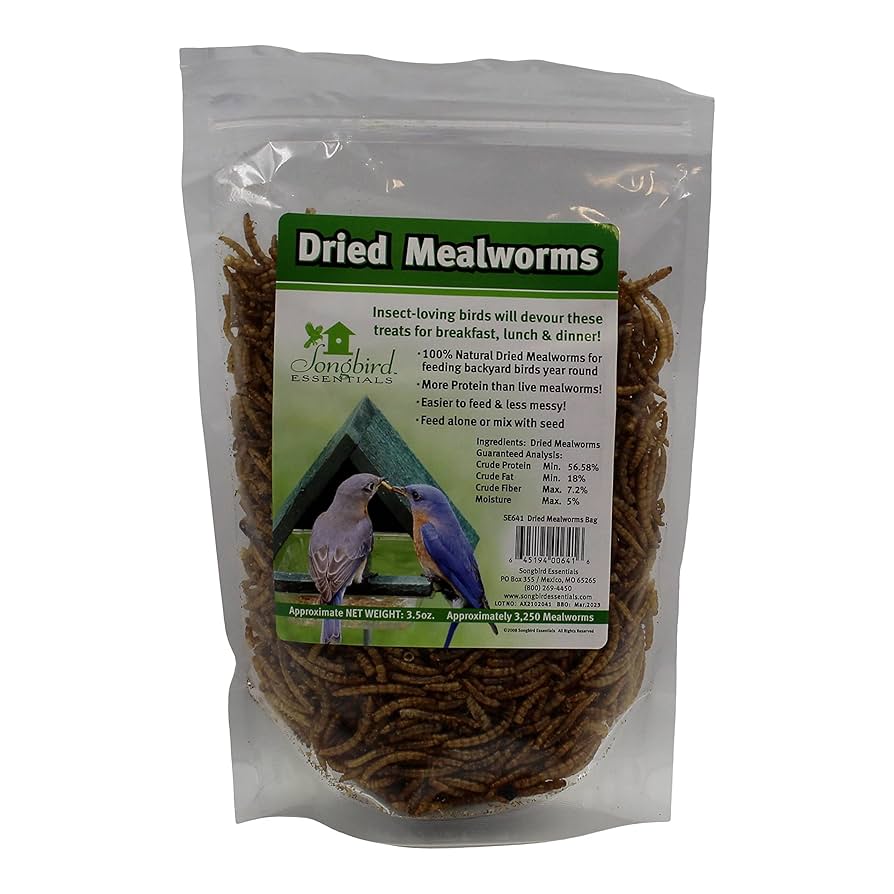
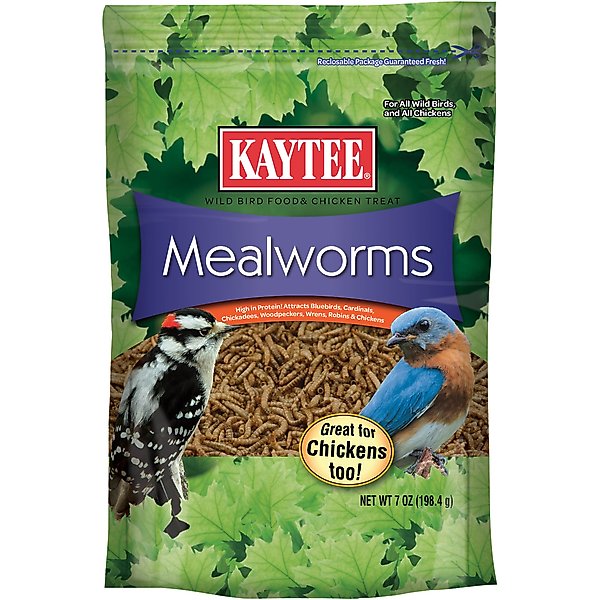
Mealworms are larvae of the darkling beetle. Birds like them because they are easy to catch and tasty. They are high in protein and fat.
- Good for insect-eating birds
- Can be fed live or dried
- Easy to store and handle
- Help birds during breeding season
Earthworms
Earthworms are found in soil and are natural food for many birds. They are rich in nutrients and easy to digest. Birds like robins and thrushes eat them often.
| Worm Type | Best For | Nutritional Value |
| Mealworms | Small birds and insect eaters | High protein, high fat |
| Earthworms | Ground-feeding birds | Rich in minerals and protein |
| Waxworms | Birds needing extra energy | Very high fat content |
| Bloodworms | Water birds and aquatic feeders | High protein, rich in iron |
Waxworms
Waxworms are larvae of wax moths. They have a soft body and a sweet taste. Birds like them as a treat because they have a high fat content. Use them sparingly.
Bloodworms
Bloodworms are small red larvae found in water. They are rich in protein and iron. Water birds and birds that eat insects like bloodworms. They help boost bird energy and health.
| Worm Type | Habitat | Birds That Eat Them |
|---|---|---|
| Mealworms | Stored or wild | Sparrows, bluebirds, chickadees |
| Earthworms | Soil | Robins, thrushes, starlings |
| Waxworms | Beehives and stored food | Woodpeckers, nuthatches |
| Bloodworms | Freshwater | Ducks, herons, shorebirds |
Choosing The Best Worms
Feeding wild birds with worms is a great way to support their diet. Picking the right worms helps birds stay healthy and strong. This guide explains how to choose the best worms for wild birds.
We will look at the nutritional value, availability, and safety of different worm types. These points will help you feed birds safely and wisely.
Nutritional Comparison
Different worms offer different nutrients. Some worms have more protein, while others have more fat. Both are important for birds.
| Worm Type | Protein (%) | Fat (%) | Calcium (mg) |
| Earthworms | 60 | 10 | 40 |
| Mealworms | 50 | 20 | 30 |
| Waxworms | 45 | 25 | 20 |
Availability And Sustainability
Some worms are easy to find, while others need to be bought. Choosing sustainable options helps protect nature and bird habitats.
- Earthworms grow naturally in soil and are easy to collect.
- Mealworms are farmed and available in pet stores.
- Waxworms are less common and should be used sparingly.
- Always avoid worms from polluted areas.
Safety Considerations
Feeding safe worms is very important. Some worms may carry parasites or chemicals that harm birds.
Follow these safety tips:
- Do not feed wild-caught worms from roads or gardens.
- Use worms from trusted stores or farms.
- Wash your hands after handling worms.
- Feed worms in small amounts to avoid waste.

Credit: www.amazon.com
Feeding Tips For Healthy Flocks
Feeding wild birds with the right worms helps keep them healthy. Worms provide important protein and nutrients.
Learning how to handle and feed worms properly supports strong bird flocks. Proper care prevents illness and waste.
Proper Handling And Storage
Keep worms cool and moist before feeding them to birds. Store worms in a breathable container with damp soil or paper.
Avoid direct sunlight and heat. Warmth can kill worms and make them unsafe for birds to eat.
- Use a container with air holes
- Keep worms in a dark, cool place
- Check moisture daily, add water if dry
- Remove dead worms quickly
Feeding Frequency And Quantity
Feed worms to wild birds in small amounts each day. Fresh worms attract birds and reduce waste.
Offer enough worms so birds can eat quickly. Remove leftover worms to keep feeding areas clean.
- Feed once or twice daily
- Start with a few worms per feeding
- Increase slightly if many birds visit
- Stop feeding if birds lose interest
Avoiding Overfeeding
Overfeeding worms can harm birds and their environment. Too many worms cause waste and attract pests.
Watch the birds’ eating habits. Stop feeding if worms remain uneaten for a long time.
- Feed only what birds eat quickly
- Clean feeding spots regularly
- Do not leave worms out overnight
- Reduce feeding in warm weather
Alternatives To Worms
Many wild birds eat worms, but you can feed them other healthy foods. These alternatives provide good nutrition and variety.
Using different food types can attract more bird species and keep your garden lively. Here are some great options.
Insects And Larvae
Insects and larvae are natural foods for many birds. They offer protein and energy like worms do.
- Mealworms are popular and easy to buy.
- Crickets are good for larger birds.
- Waxworms are soft and loved by picky eaters.
- Ants and beetle larvae also attract insect-eating birds.
Seeds And Nuts
Seeds and nuts are great for many wild birds, especially in colder months.
| Type | Birds Attracted | Benefits |
| Sunflower Seeds | Finches, Chickadees | High in fat and energy |
| Peanuts | Woodpeckers, Jays | Rich in protein |
| Millet | Sparrows, Doves | Easily digestible |
| Thistle Seeds | Goldfinches | Favorite small seed |
Fruits And Vegetables
Fresh fruits and vegetables provide vitamins and water. Many birds enjoy sweet or soft foods.
Try offering these safe options:
- Apple slices (no seeds)
- Blueberries and grapes
- Chopped carrots
- Peas and corn kernels

Credit: www.amazon.com
Seasonal Feeding Strategies
Wild birds eat different foods depending on the season. Worms are a great choice to feed birds. They offer protein and energy needed for growth and survival.
Choosing the right worm type for each season helps birds stay healthy. Feeding strategies change from spring to winter to match birds’ needs and natural food availability.
Spring And Summer Options
In spring and summer, birds are busy nesting and raising chicks. They need high-protein foods like worms to support growth. Nightcrawlers and red wigglers work well.
These worms are soft and easy for birds to eat. They also have a high moisture content. Offer worms in small pieces to help young birds feed easily.
- Nightcrawlers provide lots of protein
- Red wigglers are small and easy to digest
- Earthworms work well for larger birds
- Use fresh, live worms for best results
Fall And Winter Adjustments
In fall and winter, natural food is scarce. Birds need fat and energy to stay warm. Choose worms that have higher fat content or mix worms with other foods.
Mealworms are a good choice in cold months. They have more fat than earthworms. Keep worms in a warm place before feeding to keep them active and appealing.
- Mealworms provide extra fat and energy
- Store worms in cool, dry places
- Mix worms with seeds or suet for variety
- Feed in the morning to help birds prepare for cold nights
Credit: feedtheball.com
Frequently Asked Questions
What Types Of Worms Are Best For Wild Birds?
Mealworms and earthworms are excellent choices. They provide high protein and attract many bird species. Both are safe and nutritious for wild birds.
Can I Feed Wild Birds Live Worms?
Yes, live worms stimulate natural foraging behavior. Birds prefer live mealworms or earthworms, which help maintain their hunting skills and diet variety.
Are Dried Or Frozen Worms Good For Wild Birds?
Dried and frozen mealworms are convenient and safe. They retain nutrients and are easy to store, making them a practical option for feeding wild birds.
How Often Should I Feed Worms To Wild Birds?
Feed worms a few times weekly as a supplement. Overfeeding can cause dependency; maintain a balanced diet with seeds and fruits alongside worms.
Conclusion
Choosing the right worms helps wild birds stay healthy. Mealworms are a favorite. They offer protein and are easy to find. Earthworms are great too. Birds love their natural taste. Waxworms can be given as treats. They are fatty and tasty.
Always provide clean, fresh worms. This ensures birds get the best nutrition. Remember, feeding wild birds helps nature. It supports their survival and growth. Enjoy watching them thrive in your backyard. Your effort makes a difference. Happy bird feeding!