Have you ever wondered which birds are attracted to dried mealworms? If you’re trying to attract colorful and lively visitors to your backyard, knowing the right food is key.
Dried mealworms are a favorite snack for many birds, but not all birds enjoy them the same way. You’ll discover exactly what kind of bird eats dried mealworms and how offering them can bring more feathered friends right to your window.
Keep reading to unlock the secret to a vibrant and active birdwatching experience!
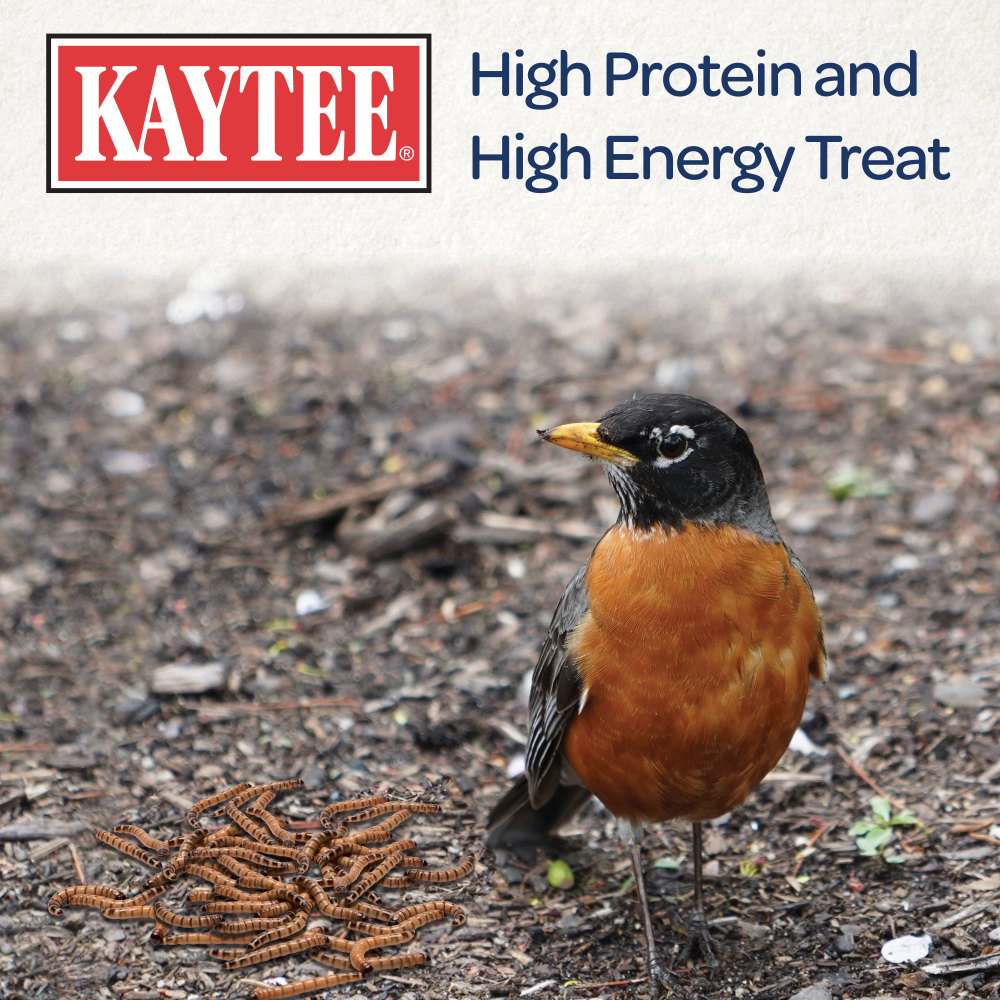
Credit: www.kaytee.com
Birds That Enjoy Dried Mealworms
Dried mealworms are a popular food choice for many wild birds. They provide a good source of protein and energy, especially during colder months. Offering dried mealworms can attract various bird species to your garden.
Different birds have different feeding habits, so not all birds eat dried mealworms. Knowing which birds enjoy them helps you choose the right food to attract them.
Common Garden Birds
Many common garden birds like dried mealworms. These birds often visit feeders and gardens in search of easy food. Mealworms add variety to their diet and help during breeding season.
Examples of garden birds that enjoy dried mealworms include robins, blue tits, and wrens. They find mealworms easy to eat and nutritious.
- Robins
- Blue Tits
- Wrens
- Blackbirds
- Starlings
Woodpeckers And Nuthatches
Woodpeckers and nuthatches enjoy dried mealworms too. These birds use their strong beaks to pick insects from bark. Mealworms are a good substitute when natural insects are scarce.
Feeding dried mealworms helps support these birds during colder months. They often visit feeders with mealworms placed on bark or in trays.
- Downy Woodpecker
- Hairy Woodpecker
- Red-bellied Woodpecker
- White-breasted Nuthatch
- Red-breasted Nuthatch
Songbirds And Warblers
Songbirds and warblers also eat dried mealworms. These small birds need protein to stay active and healthy. Mealworms provide a good food source during migration and breeding.
Offering dried mealworms attracts many colorful and lively birds to your yard. They often feed quickly and move on, so keep the supply fresh.
- Chickadees
- Goldfinches
- Warblers
- Wrens
- Flycatchers

Credit: www.amazon.com
Nutritional Benefits Of Dried Mealworms
Dried mealworms are a popular food choice for many wild and pet birds. They offer a rich source of nutrients that support bird health. Birds that eat dried mealworms gain energy and strength.
Mealworms come from beetle larvae and are easy to store. They provide many benefits compared to other common bird foods.
Protein Content
Dried mealworms have a high amount of protein. Protein helps birds build strong muscles and repair body tissues. It is essential for growing young birds and active adults.
Mealworms contain about 50% protein by weight. This makes them an excellent source of nutrition for insect-eating birds.
Energy Boost For Birds
Mealworms provide a good energy boost because they contain fats and calories. Birds need energy to fly, search for food, and stay warm. The fats in mealworms give birds lasting energy.
Birds often eat mealworms during breeding and cold seasons to meet their higher energy needs.
Comparison With Other Bird Foods
Dried mealworms offer more protein and fat than many seeds and grains. They are richer in nutrients than sunflower seeds or millet.
| Food Type | Protein (%) | Fat (%) |
|---|---|---|
| Dried Mealworms | 50 | 30 |
| Sunflower Seeds | 20 | 50 |
| Millet | 11 | 4 |
Dried mealworms balance protein and fat well. This makes them a great choice for birds needing both nutrients.
Feeding Tips For Dried Mealworms
Dried mealworms are a popular food for many wild birds. They provide protein and energy, especially during breeding seasons.
Feeding dried mealworms correctly helps attract more birds and keeps them healthy. Here are some tips for best results.
Best Feeding Times
Offer dried mealworms during early morning and late afternoon. Birds are most active at these times and need energy.
- Morning feeding encourages birds to start their day well.
- Afternoon feeding helps them prepare for cooler night hours.
- Avoid feeding at night to prevent attracting unwanted animals.
Safe Feeding Practices
Keep feeding areas clean to avoid disease. Replace dried mealworms regularly to keep them fresh.
| Practice | Reason |
| Clean feeders weekly | Prevents mold and bacteria |
| Store mealworms in a cool, dry place | Maintains quality and freshness |
| Do not mix with wet foods | Avoids spoilage and clumping |
| Use shallow dishes | Easy for birds to access mealworms |
Attracting More Birds
Place feeders near shrubs or trees to provide shelter. Use different feeder types to attract various bird species.
- Mix dried mealworms with seeds to draw seed-eating birds.
- Change feeder locations occasionally to reach different birds.
- Offer fresh water nearby to encourage longer visits.
Mealworm Storage And Handling
Mealworms are a popular food for many birds. Proper storage keeps them fresh and safe to eat. This guide covers how to store and handle dried mealworms.
Following the right steps helps prevent spoilage and contamination. It also keeps mealworms tasty and nutritious for birds.
Proper Storage Conditions
Store dried mealworms in a cool, dry place away from sunlight. Use airtight containers to keep out moisture and insects. Avoid storing near heat sources or damp areas.
- Keep containers sealed tightly
- Store at room temperature or cooler
- Place in dark or shaded areas
- Do not mix old and new mealworms
Shelf Life And Freshness
Dried mealworms usually last up to six months if stored properly. Check the package date and use them before expiration. Fresh mealworms have a pleasant smell and crisp texture.
| Storage Method | Shelf Life | Notes |
|---|---|---|
| Airtight container at room temperature | 3 to 6 months | Keep dry and away from heat |
| Refrigerated (in sealed bag) | 6 to 12 months | Slows aging and spoilage |
| Frozen storage | Up to 1 year | Use freezer-safe bags |
Avoiding Mold And Contamination
Mold grows if mealworms get wet or are stored in humid places. Clean hands and tools before handling to reduce contamination risks. Discard any mealworms with strange smells or visible mold.
Tips to avoid mold and contamination:
- Keep containers dry and sealed
- Use clean scoops or utensils
- Check mealworms regularly for spoilage
- Do not add moisture to the container
Seasonal Preferences For Mealworms
Many birds enjoy eating dried mealworms throughout the year. Their preference for mealworms changes with the seasons. Understanding these changes helps you feed birds better.
Seasonal shifts affect the availability of natural food. Birds adapt their diets to meet their energy needs during different times of the year.
Spring And Summer Feeding
Spring and summer are busy times for birds. They need extra protein for growing chicks. Mealworms offer a great source of this protein.
- Robins and bluebirds feed mealworms to their young.
- Wrens and chickadees eat mealworms to stay active.
- Many insect-eating birds prefer mealworms in warm months.
Winter Bird Diets
In winter, natural insects are scarce. Birds look for high-energy foods to survive cold days. Dried mealworms become an important food source.
| Bird Species | Winter Food Preference |
| Nuthatches | Dried mealworms and seeds |
| Woodpeckers | Mealworms and suet |
| House Sparrows | Mealworms and grains |
Adapting To Seasonal Changes
Birds change their feeding habits as seasons shift. Mealworms remain a flexible food choice year-round. Feeding birds with mealworms supports their changing needs.
Tips to feed mealworms through seasons:
- Offer live mealworms in spring and summer for active birds.
- Provide dried mealworms in cold months for easy storage.
- Place mealworms near natural cover for bird safety.

Credit: www.livingwithbirds.com
Alternatives To Dried Mealworms
Dried mealworms are a popular bird food. Many bird species enjoy them for their high protein. Some people look for other options to feed wild birds or pets. There are several good alternatives to dried mealworms.
This guide covers three main alternatives. These are live mealworms, other insect-based foods, and plant-based bird treats. Each option offers different benefits for birds.
Live Mealworms
Live mealworms are the larvae of darkling beetles. Birds love them because they are soft and fresh. These worms provide natural nutrition and moisture that dried mealworms lack.
Live mealworms encourage natural hunting behavior in wild birds. They are good for feeding insect-eating birds like bluebirds, robins, and wrens. You can buy them from pet stores or online.
Other Insect-based Foods
Besides mealworms, many insects are good bird food. These include crickets, waxworms, and black soldier fly larvae. Each insect has a unique nutrient profile that helps birds stay healthy.
- Crickets: High in protein and easy to digest.
- Waxworms: Fat-rich treats for energy.
- Black Soldier Fly Larvae: Great source of calcium and protein.
- Fruit Flies: Small insects for tiny birds.
These insects can be fed live or dried. They add variety to bird diets and attract different species.
Plant-based Bird Treats
Some birds prefer plant foods over insects. Seeds, nuts, and fruits are good alternatives to mealworms. These foods provide energy, vitamins, and minerals.
| Food Type | Benefits | Birds That Like It |
| Sunflower Seeds | High in fat and protein | Cardinals, Chickadees, Finches |
| Peanuts | Rich in protein and fat | Woodpeckers, Jays, Nuthatches |
| Apple Slices | Source of vitamins | Mockingbirds, Orioles, Thrushes |
| Millet | Easy to eat seed | Sparrows, Doves, Buntings |
Frequently Asked Questions
What Birds Commonly Eat Dried Mealworms?
Many birds like bluebirds, robins, chickadees, and wrens enjoy dried mealworms. These insects provide a rich protein source, especially during breeding season, helping birds stay healthy and energetic.
Are Dried Mealworms Suitable For Backyard Bird Feeding?
Yes, dried mealworms are excellent for backyard feeding. They attract insect-eating birds and are easy to store, making them a convenient and nutritious option for bird enthusiasts.
How Do Dried Mealworms Benefit Wild Birds?
Dried mealworms offer high protein and essential nutrients. They support growth, feather development, and energy needs, especially in young or migratory birds needing extra nourishment.
Can Dried Mealworms Attract Specific Bird Species?
Yes, dried mealworms attract insectivorous birds like bluebirds and wrens. Using them can help birdwatchers attract and observe these species more frequently in their gardens.
Conclusion
Many birds enjoy dried mealworms as a tasty treat. Bluebirds, robins, and wrens often eat them. These insects provide good protein for birds. Feeding dried mealworms helps attract more birds to your yard. It supports their energy and growth during tough seasons.
Try offering mealworms in a shallow dish or feeder. Watch as different bird species come to eat. Keep your bird visitors happy and healthy with this simple food. Dried mealworms make a great addition to any bird feeding routine.