Are you wondering if it’s safe to feed your chickens bird seed? You want to give your feathered friends the best, but not all food meant for birds is good for chickens.
What if that bird seed in your pantry could be a tasty treat—or a hidden danger? Keep reading to discover the truth about bird seed and your chickens’ health, so you can make smart choices that keep your flock happy and thriving.
Bird Seed Types For Chickens
Many chicken keepers wonder if bird seed mixes are safe for their flock. Bird seed can be a good treat or supplement. But not all seeds are good for chickens.
This guide looks at common seeds found in bird mixes. It also shows which seeds to avoid feeding your chickens.
Common Seeds In Bird Mixes
Bird seed mixes often include several types of seeds. Many are safe and healthy for chickens. These seeds provide energy and some nutrients.
- Millet: Small and easy to eat, millet is popular in bird mixes.
- Sunflower Seeds: High in fat and protein, but best in moderation.
- Safflower Seeds: Good source of protein and fat for chickens.
- Canary Seeds: Small seeds that chickens enjoy pecking at.
- Flax Seeds: Rich in omega-3 fatty acids, helpful for feather health.
Seeds To Avoid
Some seeds in bird mixes can harm chickens or cause digestion problems. Avoid these seeds to keep your flock safe and healthy.
| Seed | Reason to Avoid |
|---|---|
| Apple Seeds | Contain cyanide, toxic to chickens. |
| Cherry Pits | Also contain cyanide; dangerous if eaten. |
| Raw Kidney Beans | Have toxins that cause illness if not cooked. |
| Tomato Seeds | May upset digestion and are mildly toxic. |
| Avocado Pits and Skin | Contain persin, harmful to chickens. |
Credit: www.petsradar.com
Nutritional Value Of Bird Seed
Bird seed can be a part of a chicken’s diet. It contains nutrients that chickens need to stay healthy. Understanding the nutritional value helps you feed them properly.
Bird seed mixes vary but often include grains and seeds. These provide energy and essential nutrients for chickens.
Proteins And Fats
Bird seed contains proteins that help chickens build strong muscles and feathers. Fats give them energy and support healthy skin.
- Proteins help repair body tissues
- Fats provide a concentrated energy source
- Some seeds, like sunflower seeds, are rich in fats
- Balanced protein and fat help chickens grow well
Vitamins And Minerals
Bird seed also contains vitamins and minerals. These nutrients support a chicken’s immune system and bone health.
- Vitamin E helps protect cells from damage
- Vitamin B supports energy and metabolism
- Calcium strengthens bones and eggshells
- Magnesium and potassium aid muscle function
Safety Considerations
Feeding chickens bird seed may seem harmless. It is important to know the safety concerns. This helps keep chickens healthy.
Some bird seeds may cause problems for chickens. Knowing the risks helps you avoid harm.
Potential Risks
Not all bird seeds are safe for chickens. Some seeds contain ingredients that can upset their stomachs. Moldy or old seed can cause illness. Too much seed can lead to poor nutrition. Seeds with shells may cause choking.
- Moldy seed can cause respiratory problems.
- Seeds high in fat may lead to obesity.
- Hard shells can cause choking or digestive issues.
- Some seeds contain toxins harmful to chickens.
Signs Of Allergies Or Illness
Watch your chickens closely after feeding bird seed. Allergies or illness show clear signs. Early detection helps you act fast.
| Symptom | What It Means |
| Sneezing or coughing | Possible respiratory allergy |
| Swelling or redness | Skin allergy or irritation |
| Diarrhea | Digestive upset |
| Lethargy | General illness |
| Loss of appetite | Possible sickness |
Feeding Tips For Chickens
Chickens can eat bird seed as a treat. It provides variety in their diet but should not replace their main food.
Feeding bird seed properly helps keep chickens healthy and happy. Use these tips to feed them safely.
Proper Portions
Give chickens small amounts of bird seed. Too much can cause digestive problems or obesity.
Limit bird seed to about 5-10% of their daily diet. Use it as a snack, not a main meal.
- Offer bird seed once or twice a day
- Use a measuring cup to control portions
- Watch for any signs of upset stomach
Combining With Regular Feed
Bird seed should not replace chicken feed. Regular feed has all nutrients chickens need.
Mix bird seed with their usual feed for variety. Always provide fresh water along with food.
- Feed a balanced chicken feed daily
- Use bird seed as an occasional treat
- Keep feed area clean and dry
Unexpected Benefits Of Bird Seed
Bird seed is often used for feeding wild birds, but it can also be helpful for chickens. It contains a mix of grains and nutrients that chickens enjoy. Feeding bird seed to chickens can bring surprising benefits to their health and well-being.
Besides being a tasty treat, bird seed can support your chickens in ways you might not expect. Let’s explore how bird seed can improve egg quality and feather health in chickens.
Boosting Egg Quality
Bird seed provides extra nutrients that help hens lay better eggs. The mix of seeds supplies proteins and fats that are important for egg development. Feeding bird seed can make eggshells stronger and yolks richer in color.
- Improves eggshell strength
- Enhances yolk color
- Supports healthy embryo growth
- Increases overall egg nutrition
Enhancing Feather Health
Feather condition is a sign of good health in chickens. Bird seed offers essential oils and vitamins that keep feathers shiny and strong. These nutrients help prevent feather loss and support new feather growth.
| Seed Type | Key Benefit for Feathers |
| Sunflower Seeds | Rich in healthy fats |
| Flax Seeds | Provides omega-3 fatty acids |
| Millet | Contains vitamins and minerals |
Credit: www.petsradar.com
Alternatives To Bird Seed
Bird seed is not the best food for chickens. It lacks some nutrients they need. There are better options to keep chickens healthy and happy.
Below, you will find healthy treats and commercial feeds that work well as bird seed alternatives.
Healthy Treats
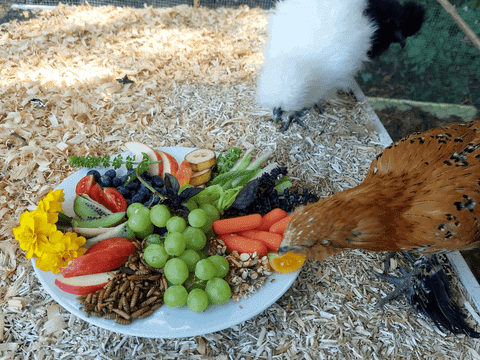
Chickens enjoy many healthy treats. These treats add variety and important nutrients to their diet. Offer treats in moderation to keep chickens balanced.
- Fresh vegetables like carrots, peas, and leafy greens
- Fruits such as apples, berries, and melons
- Cooked grains like rice or oats
- Mealworms and other insects for protein
- Cracked corn as a crunchy snack
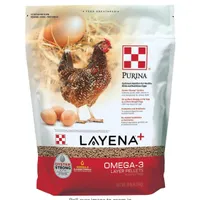
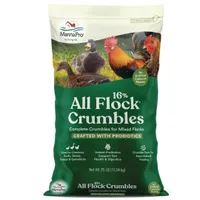
Commercial Chicken Feed Options
Commercial feeds give chickens balanced nutrition. They come in different forms to suit various chicken types and ages.
| Feed Type | Best For | Key Nutrients |
| Starter Feed | Baby chicks | Protein, vitamins |
| Grower Feed | Growing pullets | Balanced protein, minerals |
| Layer Feed | Egg-laying hens | Calcium, protein |
| Broiler Feed | Meat chickens | High protein, energy |

Credit: silverhomestead.com
Frequently Asked Questions
Can Chickens Safely Eat Bird Seed?
Yes, chickens can eat bird seed safely if it contains grains like millet or cracked corn. Avoid seeds with additives or mold, as these can harm chickens.
What Bird Seeds Are Best For Chickens?
Chickens thrive on seeds like millet, sunflower seeds, and cracked corn. These provide good nutrition and energy, supporting their health and egg production.
Is Bird Seed A Good Chicken Feed Substitute?
Bird seed can supplement chicken feed but shouldn’t replace a balanced diet. Chickens need protein, vitamins, and minerals from varied sources for optimal health.
Can Eating Bird Seed Harm Chickens?
Bird seed can harm chickens if it contains mold, pesticides, or harmful additives. Always check seed quality before feeding to prevent illness or digestive issues.
Conclusion
Chickens can indeed eat bird seed safely. It offers them variety and nutrients. But, moderation is key. Too much seed can lead to health issues. Mix seeds with other feeds for balance. Always provide fresh water. Keep an eye on their health and behavior.
Happy chickens lay better eggs. Remember, a balanced diet ensures healthy chickens. Enjoy raising your feathered friends!