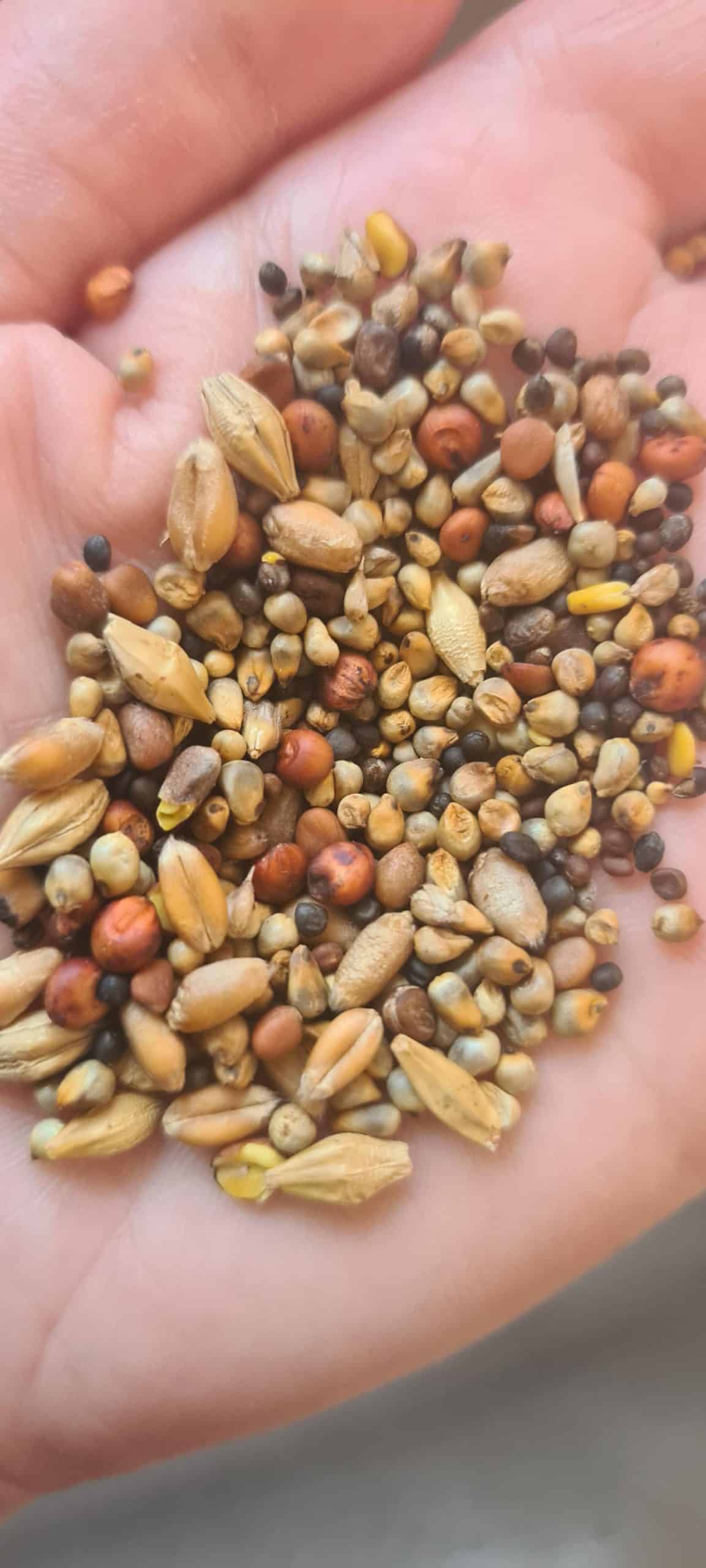
You love watching birds visit your feeder, right? But what if the bird seed you put out has gone moldy?
You might wonder, is moldy bird seed bad for birds or just a harmless mistake? The truth is, giving moldy seed to your feathered friends can cause serious health problems. If you want to keep your backyard birds safe and healthy, it’s important to know how mold affects them and what you can do about it.
Keep reading to find out everything you need to protect your birds from harmful moldy seed.
Dangers Of Moldy Bird Seed
Moldy bird seed can be harmful to birds. Birds eat seeds every day, so mold may affect their health.
It is important to know the risks moldy seed poses. This helps keep birds safe and healthy.
Health Risks To Birds
Moldy seed can cause many health problems for birds. Eating moldy seed can hurt their digestive system.
Birds may get sick, lose weight, or have breathing trouble after eating moldy seed.
- Digestive upset and vomiting
- Weakness and loss of energy
- Respiratory issues like coughing
- Increased risk of infections
- Possible death if mold is toxic
Types Of Mold Found In Seed
Several types of mold grow on bird seed. Some molds produce harmful toxins called mycotoxins.
Common molds include Aspergillus and Penicillium. These molds can spoil seed and harm birds.
- Aspergillus:Causes respiratory illness in birds.
- Penicillium:Produces toxins that harm the liver.
- Fusarium:Can cause poor growth and weakness.
Signs Of Moldy Seed Consumption
Birds eating moldy seed show warning signs. Watch for changes in behavior and health.
Early detection helps save sick birds. Remove moldy seed right away.
- Loss of appetite or refusal to eat
- Weight loss and weakness
- Labored breathing or coughing
- Diarrhea or vomiting
- Fluffed feathers and lethargy

Credit: www.birdsandblooms.com
Common Bird Illnesses Linked To Mold
Moldy bird seed can cause health problems for wild and pet birds. Mold grows on old or damp seeds. Birds eating moldy seeds can get sick.
Many bird illnesses come from mold exposure. These illnesses affect different parts of a bird’s body. Knowing these illnesses helps keep birds safe.
Mycotoxin Poisoning
Mold produces harmful chemicals called mycotoxins. Birds that eat moldy seeds may get mycotoxin poisoning. This poisoning can harm their liver and nervous system.
Symptoms include weakness, lack of appetite, and seizures. Mycotoxin poisoning can be deadly if not treated quickly.
- Weakness and trembling
- Loss of appetite
- Seizures and abnormal behavior
- Damage to the liver
Respiratory Issues
Birds breathe in mold spores from moldy seed or the air around it. These spores can cause lung infections and breathing problems. Birds may cough or breathe fast.
Respiratory issues make it hard for birds to fly and find food. In severe cases, they may stop singing or become very weak.
- Coughing and wheezing
- Rapid or difficult breathing
- Swelling around the eyes and beak
- Reduced energy and activity
Digestive Problems
Moldy seeds upset a bird’s stomach. Birds may vomit or have diarrhea after eating moldy seeds. This makes it hard for them to get nutrients.
Long-lasting digestive issues cause weight loss and weakness. Birds with these problems need clean food and water to recover.
- Vomiting or regurgitation
- Loose or watery droppings
- Weight loss
- Weakness and lethargy
How Mold Develops In Bird Seed
Mold grows on bird seed when conditions are right for fungus. Seeds get wet or stay damp, letting mold spores grow.
Moldy bird seed can harm birds by making them sick. It is important to understand how mold starts in seed.
Storage Conditions
Bird seed must be kept in a dry place to stop mold. A cool, dark spot works best for storing seed.
Open bags or containers let moisture enter. Use sealed containers to keep seed fresh and dry.
- Keep seed in airtight containers
- Store in a dry, cool area
- Avoid direct sunlight on seed
- Check seed regularly for dampness
Moisture And Temperature Factors
Mold needs moisture to grow. If bird seed is damp, mold spores can quickly spread.
Warm temperatures speed up mold growth. Cold, dry places slow down mold from forming.
- Moisture above 12% can cause mold
- Temperatures between 70°F and 90°F encourage mold
- Lower temperatures help keep seed safe
- Dry seed prevents mold spores from growing
Shelf Life Of Bird Seed
Bird seed does not last forever. Old seed loses nutrients and can grow mold.
Use seed within six months if stored well. Check for mold or bad smell before feeding birds.
- Use seed within 6 months of purchase
- Keep track of storage date
- Discard seed that smells musty
- Look for clumps or discoloration as signs of mold
Safe Bird Seed Storage Tips
Moldy bird seed can be harmful to birds. It may cause sickness or allergies. Storing bird seed properly helps keep it fresh and safe.
Good storage stops moisture and pests from spoiling the seed. This guide shares easy tips to store bird seed safely.
Choosing Proper Containers
Use containers that keep air and moisture out. Airtight containers stop mold from growing on bird seed. Plastic or metal bins work well.
Containers should be easy to clean. Avoid bags or boxes that let air pass through. Clear containers help you see the seed condition.
- Pick airtight plastic or metal containers
- Choose containers with tight-fitting lids
- Use containers easy to clean and dry
- Avoid paper or cloth bags for long storage
Ideal Storage Locations
Store bird seed in a cool, dry place. Heat and humidity help mold grow fast. A basement or closet can work well if dry.
Keep seed away from direct sunlight and rain. Avoid places near garbage or pet food. Pests may be attracted there.
- Choose cool and dry rooms
- Keep seed off the floor
- Protect seed from sunlight and rain
- Store away from trash or pet food
Regular Seed Inspection
Check bird seed often for mold, clumps, or bad smell. Moldy seed looks dusty or changes color. Throw away any bad seed.
Clean containers before refilling with fresh seed. Regular checks keep birds safe from illness caused by moldy seed.
- Inspect seed every few weeks
- Look for mold, clumps, or odd smells
- Discard seed that looks spoiled
- Wash containers before adding new seed
Selecting Quality Bird Seed
Bird seed is a main food source for many wild birds. Choosing good seed keeps birds healthy and safe.
Moldy bird seed can make birds sick. It is important to pick fresh and clean seed.
Recognizing Fresh Seed
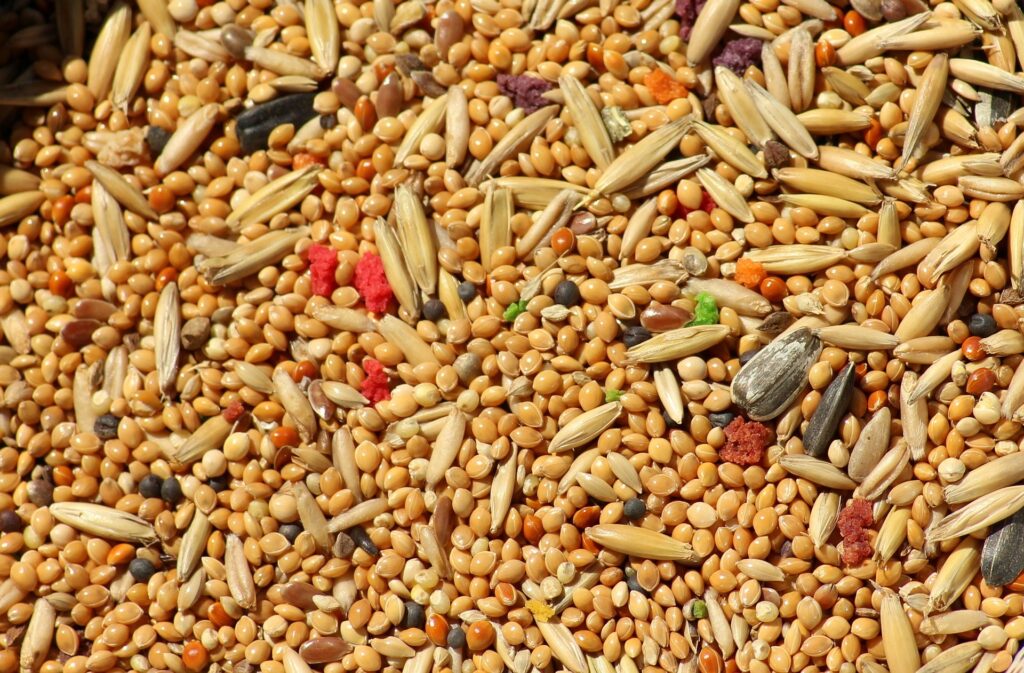
Fresh bird seed looks clean and dry. It should not have clumps or a bad smell.
Check the seed for broken pieces or dust. Too much dust means old or poor quality seed.
- Seed should be free of mold or mildew spots
- Smell the seed; it should have a mild, natural scent
- Look for dry seed with no moisture signs
Trusted Brands And Sources
Buy bird seed from brands known for quality. Trusted sellers store seed properly to avoid mold.
Local garden centers and wildlife stores often have fresh seed. Online shops with good reviews also help.
- Choose brands with clear packaging and expiration dates
- Look for seed that is stored in cool, dry places
- Avoid seed sold in damaged or open bags
Seed Types Less Prone To Mold
Some seed types resist mold better than others. These seeds stay fresh longer in feeders.
Seeds with hard shells dry out faster. They keep well in different weather conditions.
- Sunflower seeds, especially striped or black oil types
- Millet, which is small and dries quickly
- Safflower seeds, known for hard shells
Credit: localgardener.net
Feeding Practices To Protect Birds
Feeding birds is a popular hobby. It helps birds find food, especially in winter.
Using safe feeding practices keeps birds healthy. Moldy bird seed can harm birds.
Cleaning Feeders Frequently
Clean feeders at least once a week. Mold grows easily on old seed and dirt.
Use warm, soapy water to wash feeders. Rinse well and dry before refilling.
- Remove all seed before cleaning
- Scrub corners and small parts
- Let feeders dry completely
Avoiding Overfeeding
Give birds only what they can eat in a few days. Too much seed leads to waste.
Leftover seed can get moldy and attract pests. Feed smaller amounts often.
- Check seed levels daily
- Refill feeders as needed
- Store extra seed in a cool, dry place
Removing Old Seed
Discard seed that looks damp or clumped. Moldy seed is bad for birds’ health.
Check seed for unusual smell or color. Always use fresh seed for feeding.
- Inspect seed before refilling feeders
- Throw away any seed that is moldy or smelly
- Keep seed dry to prevent mold growth

Credit: green-backyard.com
Frequently Asked Questions
Is Moldy Bird Seed Harmful To Birds?
Yes, moldy bird seed can be harmful. It contains toxins that may cause illness or death in birds if ingested.
How Can Moldy Bird Seed Affect Bird Health?
Moldy seed can lead to respiratory issues and digestive problems in birds. It weakens their immune system, making them vulnerable.
Can Birds Eat Moldy Seed Safely?
No, birds should not eat moldy seed. It poses health risks and should be replaced immediately with fresh seed.
How To Prevent Bird Seed From Molding?
Store bird seed in a cool, dry place. Use airtight containers and avoid moisture to prevent mold growth.
Conclusion
Moldy bird seed poses risks to birds. It can make them sick. Birds need fresh, clean seed for health. Always check seed storage. Keep it dry and mold-free. Replace moldy seed immediately. Birds deserve safe, nutritious food. Their well-being depends on it.
Regularly inspect feeders for moisture. Protect your feathered friends. Healthy seeds ensure happy, chirping birds. A little care goes a long way. Your actions can make a difference. Enjoy watching them thrive.