If you’ve found an injured bird and want to help, you might be wondering, “Can I give an injured bird worms?” It’s natural to want to feed them something nutritious and familiar. But is feeding worms the right choice?
What should you know before offering food to a fragile bird? Keep reading to discover the best way to care for your feathered friend and how you can make a real difference in its recovery. Your quick actions could save a life, so understanding the right steps is key.
Assessing Bird Injuries
Finding an injured bird can be upsetting. It is important to check the bird carefully. This helps you understand how serious the injury is.
Knowing how to assess the bird’s condition can guide you in giving the right help. Sometimes, giving worms is okay, but only if the bird is not seriously hurt.
Common Signs Of Injury
Birds often show clear signs when they are hurt. Watch for these signs to know if the bird needs care.
- Bleeding or open wounds on the body
- Broken or bent wings or legs
- Difficulty flying or walking
- Swelling or bruises on the body
- Bird is weak or not moving much
- Bird is shaking or appears dizzy
- Eyes are closed or not reacting
When To Seek Professional Help
Some injuries need expert care. If you see serious signs, contact a wildlife rehabilitator or vet quickly.
Do not try to feed worms or anything else if the bird is very hurt. Feeding may cause more harm if done incorrectly.
- Bird is bleeding heavily or has deep wounds
- Broken bones or inability to stand or fly
- Bird is unconscious or not responding
- Signs of poisoning or sickness
- Bird is in pain or distress

Credit: www.forthebirdsofacadiana.com
Feeding Injured Birds
When you find an injured bird, feeding it correctly is important. The right food helps the bird heal and gain strength.
Worms are a common food for many birds. You should know if they are safe and how to feed them properly.
Suitability Of Worms As Food
Worms provide good protein and moisture for birds. Many wild birds eat worms naturally. They are soft and easy to swallow, which is good for injured birds.
- Worms are rich in nutrients.
- They help birds stay hydrated.
- Most birds accept worms as food.
- Do not feed worms that are dead or dirty.
- Avoid worms from treated soil or pesticides.
Safe Feeding Practices
Feeding injured birds requires care to avoid harm. Use gentle methods and clean food sources. Avoid overfeeding and keep the bird calm.
| Practice | Reason |
| Use fresh, live worms | More nutritious and safe |
| Feed small amounts | Prevents choking or digestive issues |
| Offer food on a flat surface | Easier for the bird to eat |
| Keep feeding area clean | Stops bacteria growth |
| Handle bird gently | Reduces stress and injury |
Providing Immediate Care
Finding an injured bird can be stressful. Knowing how to care for it right away helps its chance to heal.
One common question is whether giving worms to an injured bird is a good idea. Let’s focus on the first steps you should take.
Creating A Safe Environment
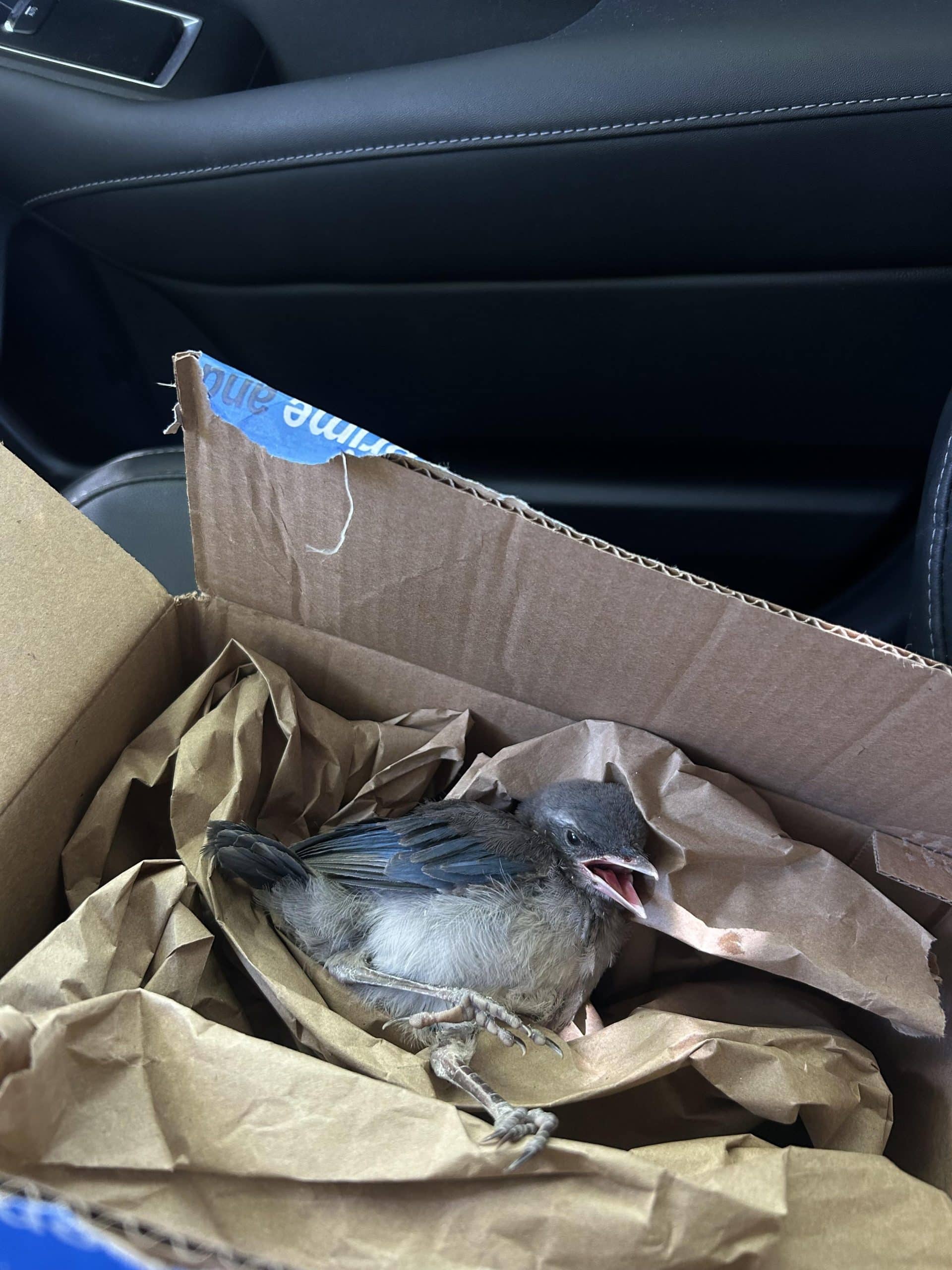
Keep the injured bird in a quiet, warm place. Avoid loud noises and bright lights to reduce stress.
Use a small box or container lined with soft cloth. Make sure the bird can breathe easily and cannot escape.
- Choose a ventilated box with a lid
- Place a soft towel or cloth inside
- Keep the box away from pets and children
- Keep the area warm but not hot
Handling Techniques
Handle the bird gently to avoid causing more injury. Use light pressure when holding it.
Wear gloves to protect yourself and the bird. Support its body fully without squeezing.
- Approach the bird slowly and calmly
- Place one hand over the wings to prevent flapping
- Use the other hand to support the bird’s body
- Avoid touching the beak or eyes
Hydration Needs
Injured birds need water to stay alive and heal. Water helps their bodies work well.
Giving the right amount of water is important. It keeps birds from getting sicker.
Water Provision Methods
You can offer water in several ways to help an injured bird stay hydrated.
- Use a shallow dish with clean water easy to reach.
- Offer water with a dropper near the bird’s beak if it cannot drink alone.
- Spray a fine mist of water on feathers to help with cooling and moisture.
- Provide fresh water daily to avoid germs and contamination.
Signs Of Dehydration
Watch for signs that show an injured bird may not have enough water.
| Sign | Description |
| Sunken eyes | Eyes look hollow and dull |
| Dry mouth | Mouth feels sticky or cracked |
| Weakness | Bird moves slowly or not at all |
| Fluffed feathers | Feathers puff out and look rough |
| Loss of skin elasticity | Skin stays lifted after pinch test |
Long-term Recovery Tips
Caring for an injured bird takes time and patience. Long-term recovery needs proper care and attention.
Focus on good nutrition and watching the bird’s progress carefully. These help the bird heal well.
Nutrition For Healing
Good food helps injured birds regain strength. Provide a balanced diet with the right nutrients.
- Offer soft foods like soaked seeds or finely chopped fruits
- Include protein sources such as worms or small insects
- Give fresh water daily to keep the bird hydrated
- Avoid processed or salty foods that can harm the bird
- Feed small amounts several times a day to avoid overfeeding
Monitoring Progress
Track the bird’s health and behavior daily. Look for signs of improvement or problems.
| Sign | What to Watch For | Action |
| Eating | Bird is eating regularly | Keep feeding same diet |
| Movement | Bird moves more and shows strength | Allow more space to exercise |
| Feather Condition | Feathers look clean and smooth | Continue care and avoid stress |
| Alertness | Bird is alert and responsive | Keep monitoring closely |
| Signs of Illness | Weakness, swelling, or discharge | Contact a vet immediately |
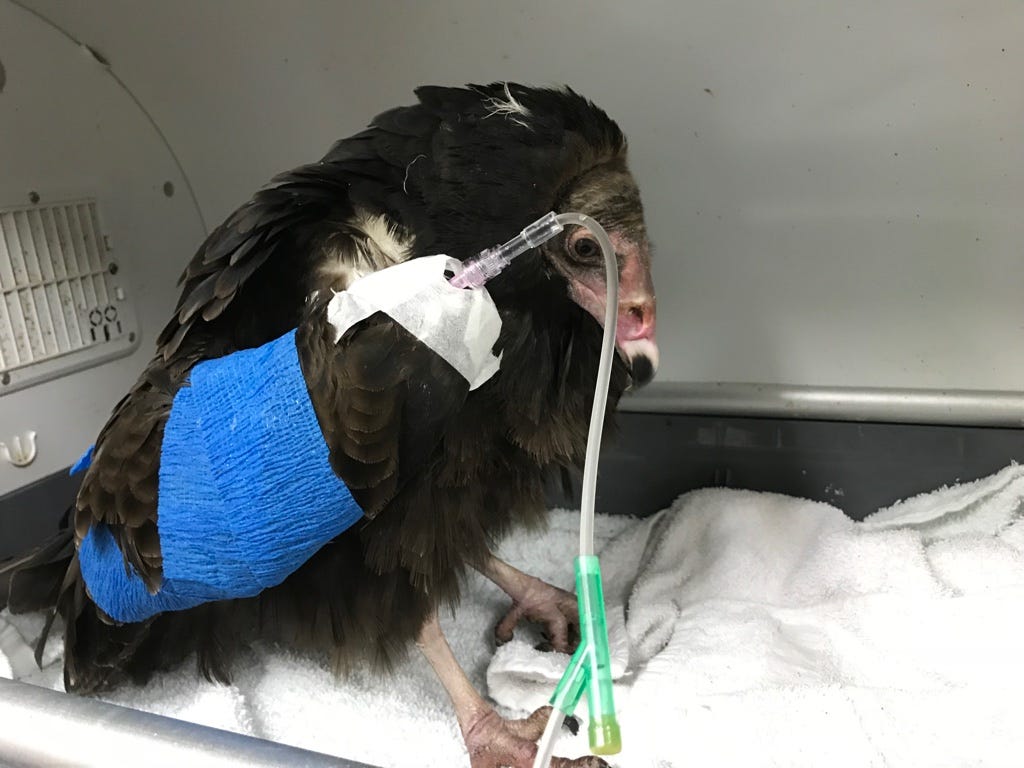
Credit: medium.com
When To Release Or Transfer
Knowing when to release or transfer an injured bird is very important. Giving worms can help, but care must go beyond feeding.
Some birds heal quickly and can go back to nature. Others need extra help from experts to survive.
Criteria For Release
Release a bird only when it is fully healthy and able to survive alone. Check if it can fly well and find food.
Also, make sure the bird has no injuries or signs of sickness. It should respond well to natural surroundings.
- Bird can fly strong and steady
- Shows alertness and normal behavior
- Has healed injuries fully
- Can find and eat food on its own
- No signs of disease or weakness
Finding Wildlife Rehabilitators
When a bird cannot be released, contact a wildlife rehabilitator. They have skills to care for injured birds properly.
Rehabilitators provide safe places and medical care. They help birds recover until they are ready for release.
- Look for licensed wildlife rehabilitators in your area
- Check local animal rescue or wildlife centers
- Use online directories for wildlife care professionals
- Call local animal control or nature organizations for help
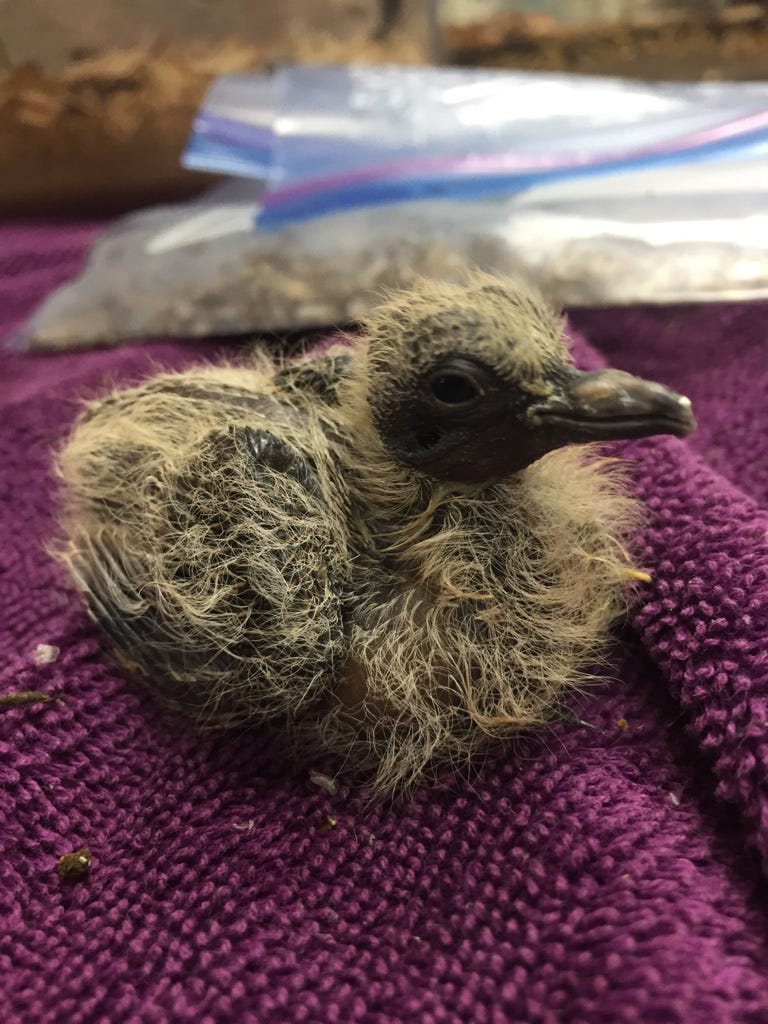
Credit: medium.com
Frequently Asked Questions
Can Injured Birds Eat Worms Safely?
Injured birds can eat worms, but it’s essential to assess their condition first. Worms provide essential nutrients. However, ensure the bird is stable and able to eat. Consult a wildlife rehabilitator for guidance. They will offer proper care instructions. Avoid feeding if the bird shows signs of distress.
What Should I Do If A Bird Can’t Eat?
If a bird can’t eat, it’s crucial to seek expert help. Contact a wildlife rehabilitator immediately. They have the expertise to provide the necessary care. Avoid attempting to force-feed the bird. Improper feeding can cause more harm. Professional assistance ensures the bird receives the right treatment.
Are Worms A Natural Part Of A Bird’s Diet?
Yes, worms are a natural part of many birds’ diets. They provide essential proteins and nutrients. Birds, especially insectivorous ones, often consume worms in the wild. Feeding worms can be beneficial if the bird is accustomed to them. Always ensure the bird is comfortable with this food source.
How Often Should I Feed An Injured Bird?
Feeding frequency depends on the bird’s species and condition. Generally, feed every few hours. However, it’s best to consult a wildlife rehabilitator for specific guidance. They can provide a feeding schedule tailored to the bird’s needs. Overfeeding or underfeeding can harm the bird’s recovery process.
Conclusion
Injured birds need careful feeding to heal well. Worms can be good food but only if safe and clean. Always check with a wildlife expert before offering worms. Providing water and a quiet place helps birds recover faster. Quick action and gentle care make a big difference.
Remember, feeding injured birds is a kind act that needs knowledge. Help them get back to nature strong and healthy. Small steps save lives.