
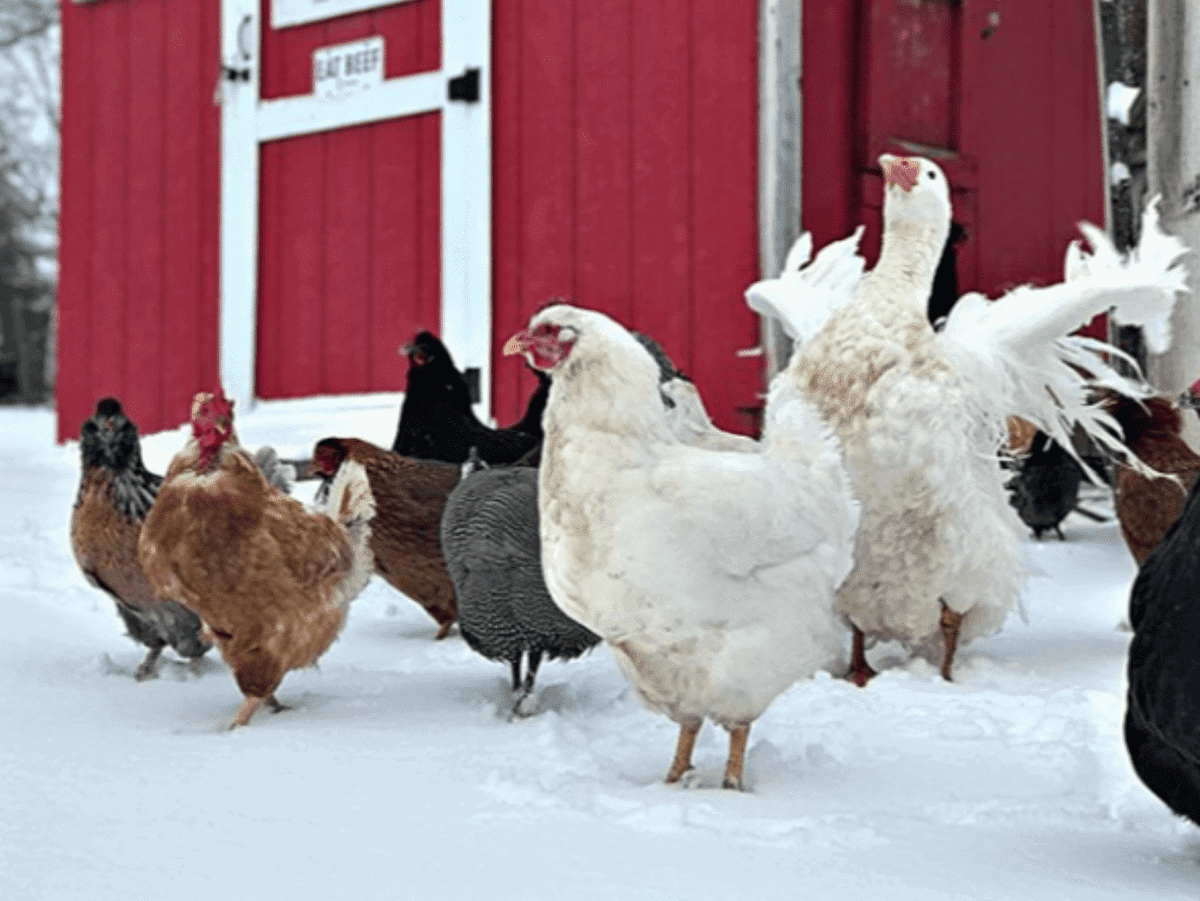
Your bird is more than just a pet – it’s a cherished part of your life. When cold weather hits, frostbite can become a real threat to your feathered friend.
Knowing how to spot the signs and act quickly can make all the difference between a minor scare and serious harm. You’ll learn simple, effective steps to treat frostbite in birds right away. Keep reading to protect your bird and give it the care it deserves when winter bites hard.
Recognizing Frostbite In Birds
Frostbite happens when a bird’s skin freezes from cold weather. It can cause serious harm if not noticed early.
Knowing how to spot frostbite helps you act fast. Early care can save your bird from pain and damage.
Common Signs And Symptoms
Birds with frostbite show clear signs that need attention. Watch for changes in their skin and behavior.
- Swollen or red skin that looks irritated
- Skin turns pale, gray, or blue
- Cold and hard areas on the skin
- Bird may be less active or eat less
- Blisters or sores in severe cases
Affected Body Parts
Frostbite usually affects parts of the bird with less feather cover. These areas freeze first in cold weather.
Common body parts to check include:
- Feet and toes, which are often bare
- Comb and wattles in certain bird species
- Tips of wings and tail feathers
- Beak edges if exposed to cold
Credit: en.engormix.com
Immediate Care For Frostbitten Birds
Frostbite can harm birds quickly. Cold temperatures cause their skin and tissues to freeze. Acting fast helps reduce damage and pain.
Knowing how to care for frostbitten birds is important. Gentle handling and proper warming can save their affected body parts.
Safe Handling Techniques
Handle frostbitten birds with care. Their skin and feathers are fragile after frostbite. Follow these tips to avoid causing more harm.
- Wear soft gloves to protect yourself and the bird.
- Hold the bird gently but firmly to prevent struggling.
- Keep the bird calm by speaking softly and moving slowly.
- Support the bird’s body to avoid extra stress on frostbitten parts.
- Do not rub or massage the frostbitten areas.
Warming Methods
Warming frostbitten areas helps restore blood flow. Use safe and gentle warming to avoid burns or shock.
| Warming Method | Details |
| Warm Water Bath | Use water at 100°F (38°C). Soak affected parts gently for 15-20 minutes. |
| Warm Cloth | Apply a warm, damp cloth to frostbitten areas without rubbing. |
| Heat Lamp | Keep the bird near a heat lamp but not too close to prevent burns. |
| Room Temperature | Move the bird indoors to a warm room to prevent further cold exposure. |
Medical Treatment Options
Treating frostbite in birds requires quick and careful medical care. This helps prevent damage and supports healing.
Medical treatment focuses on warming the affected areas and managing pain. A veterinarian can guide proper care.
Veterinary Care And Medications
A vet will examine the bird to assess frostbite severity. They may clean wounds and remove dead tissue.
Medications can include antibiotics to prevent infection. Sometimes, anti-inflammatory drugs reduce swelling.
- Cleaning and dressing wounds
- Antibiotic treatment
- Anti-inflammatory medications
- Possible fluid therapy for dehydration
Pain Management
Pain control is important for bird comfort and recovery. Vets may give pain relief medications suited for birds.
Proper pain management helps birds eat and move better. This supports faster healing and lowers stress.
- Use of safe pain relievers prescribed by vets
- Monitor bird behavior for signs of pain
- Avoid handling the bird too much during recovery
Home Care And Recovery Tips
Frostbite can harm birds, especially in cold weather. You can help your bird heal at home with the right care.
Providing warmth and good nutrition helps your bird recover faster. Watch your bird closely during recovery.
Providing A Warm Environment
Keep your bird in a warm, dry place away from drafts. A gentle heat source like a heating pad helps.
Do not use very hot heat or direct sunlight. The goal is to warm the bird slowly and safely.
- Place the bird in a small box or cage with soft bedding.
- Use a low setting heating pad under half the cage.
- Check the temperature often to avoid overheating.
- Keep the area quiet and calm to reduce stress.
Nutrition And Hydration
Offer fresh water and nutritious food to support healing. Birds need extra energy to recover.
Warm water can encourage drinking. Provide soft foods if the bird struggles to eat hard seeds.
- Fresh water should be available at all times.
- Offer high-quality pellets, fruits, and vegetables.
- Soft foods like cooked rice or baby food help if eating is hard.
- Feed small amounts several times a day.
Preventing Frostbite In Birds
Frostbite can cause serious harm to birds in cold weather. Taking steps to prevent it helps keep birds safe and healthy. Proper care during winter is important.
Birds need protection from cold air and moisture. You can reduce frostbite risk with good housing and seasonal care changes.
Proper Housing And Shelter
Provide a dry, draft-free shelter for birds. The shelter should block cold winds and keep birds warm. Use bedding to insulate the floor and keep feet dry.
- Build windbreaks around the coop or aviary.
- Use straw or wood shavings for bedding.
- Ensure good ventilation without drafts.
- Keep the shelter clean and dry at all times.
Seasonal Care Adjustments
Adjust bird care routines as the seasons change. Cold weather requires more attention to warmth and moisture control.
| Care Task | Winter Adjustment |
| Feeding | Provide extra calories for warmth |
| Water | Check regularly to prevent freezing |
| Inspection | Look for early signs of frostbite daily |
| Bedding | Replace often to keep dry |

Credit: mannapro.com

Credit: www.homeocareclinic.in
Frequently Asked Questions
What Are The Early Signs Of Frostbite In Birds?
Early signs include pale, cold skin, swelling, and blisters on extremities. Birds may show discomfort or limping. Prompt detection helps prevent severe damage and improves recovery chances.
How Do I Safely Warm A Frostbitten Bird?
Warm the bird gradually using a warm water bath (around 102°F). Avoid direct heat sources. Keep the bird dry and in a warm, draft-free environment until fully warmed.
Can Frostbite Cause Permanent Damage To Birds?
Yes, frostbite can lead to tissue death, causing permanent damage or loss of toes, feet, or wings. Early treatment reduces the risk of severe complications.
When Should I Seek Veterinary Care For Frostbitten Birds?
Seek veterinary help if blisters, blackened tissue, or severe swelling appear. Also, consult a vet if the bird shows lethargy, loss of appetite, or worsening symptoms.
Conclusion
Caring for birds in cold weather is important. Frostbite can harm them. Quick action helps recovery. Keep birds warm and sheltered. Provide fresh water and food. Ensure they are healthy and active. Regularly check for frostbite signs. Early detection can prevent severe damage.
Always consult a vet if unsure. Understanding their needs keeps birds safe and happy. Protecting them from cold ensures their well-being. Your efforts make a difference. Birds thrive with proper care and attention. Stay informed and attentive. Keep our feathered friends safe all winter long.



