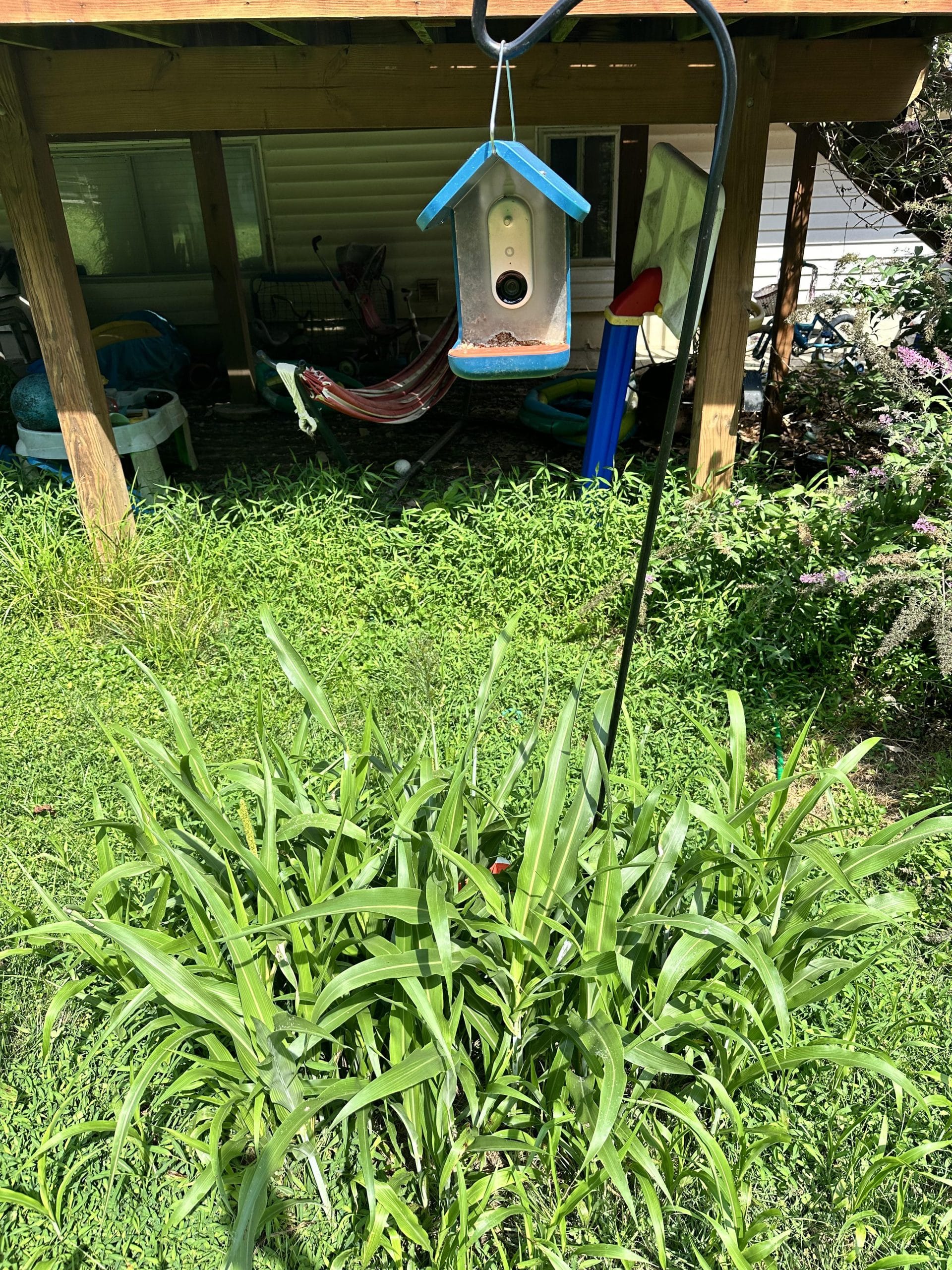
Have you ever scattered bird seed outside and noticed tiny green shoots popping up where the seeds fell? It might surprise you to learn that bird seed can actually grow grass.
If you’re curious about why this happens and what it means for your garden or backyard, you’re in the right place. Understanding this simple yet fascinating process will help you make the most of the seeds you use and avoid unexpected sprouting.
Keep reading to discover the reasons behind bird seed growing grass—and how it could affect your outdoor space.
Bird Seed Composition
Bird seed mixes contain different types of seeds. Some seeds can sprout and grow grass or plants.
Knowing the seed types helps explain why bird seed sometimes grows grass in your yard.
Common Seeds In Bird Feed
Bird seed mixes often contain sunflower, millet, and cracked corn. These seeds feed many wild birds.
Other seeds include safflower, nyjer, and wheat. Each seed offers different nutrients to birds.
- Sunflower seeds
- Millet
- Cracked corn
- Safflower
- Nyjer (thistle)
- Wheat
Seeds With Germination Potential
Some seeds in bird feed can sprout if they land in soil. These seeds are still alive and can grow.
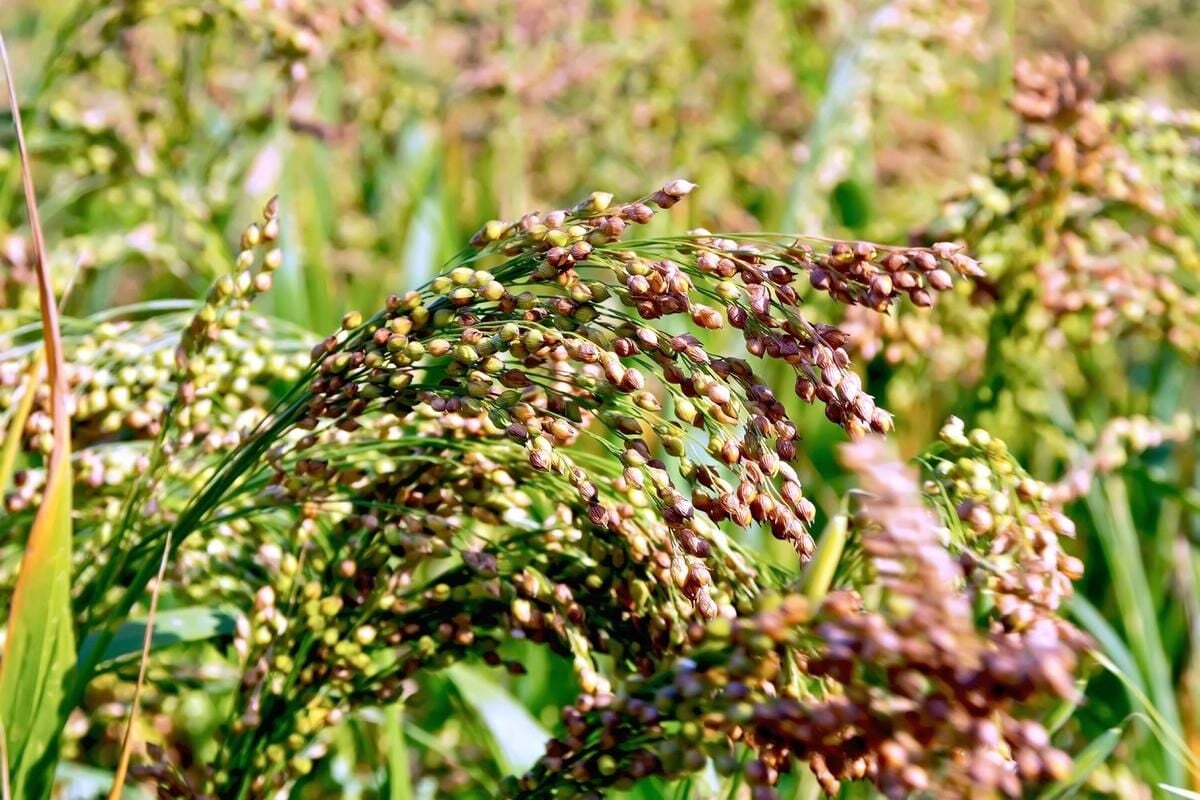
Millet, wheat, and sunflower seeds often have germination potential. They can grow into grass or plants.
- Millet seeds can grow into grass-like plants
- Wheat seeds sprout green shoots quickly
- Sunflower seeds may produce small sunflower plants
Conditions For Seed Germination
Bird seed can sometimes grow grass because the seeds inside can sprout. Germination needs certain conditions to start. These conditions help seeds change from resting to growing.
Understanding these conditions explains why bird seed may grow grass. The main factors are moisture, soil, temperature, and light. Each plays a key role in seed sprouting.
Moisture And Soil Requirements
Seeds need water to begin growing. Moisture softens the seed coat and starts chemical changes inside. Without enough water, seeds stay dormant.
- Keep soil damp but not soaked to avoid rotting seeds.
- Use loose, well-drained soil so roots can grow easily.
- Bird seed often sprouts in soil that holds moisture well.
- Too dry or compact soil stops seeds from germinating.
Temperature And Light Influence
Temperature controls how fast seeds sprout. Most seeds need warmth to grow. Light can help or stop germination depending on seed type.
| Factor | Effect on Germination |
| Warm Temperature (65-75°F) | Speeds up seed sprouting |
| Cold Temperature (Below 50°F) | Slows or stops germination |
| Light | Some seeds need light to start growing |
| Darkness | Some seeds sprout better without light |
How Bird Seed Sprouts Outdoors
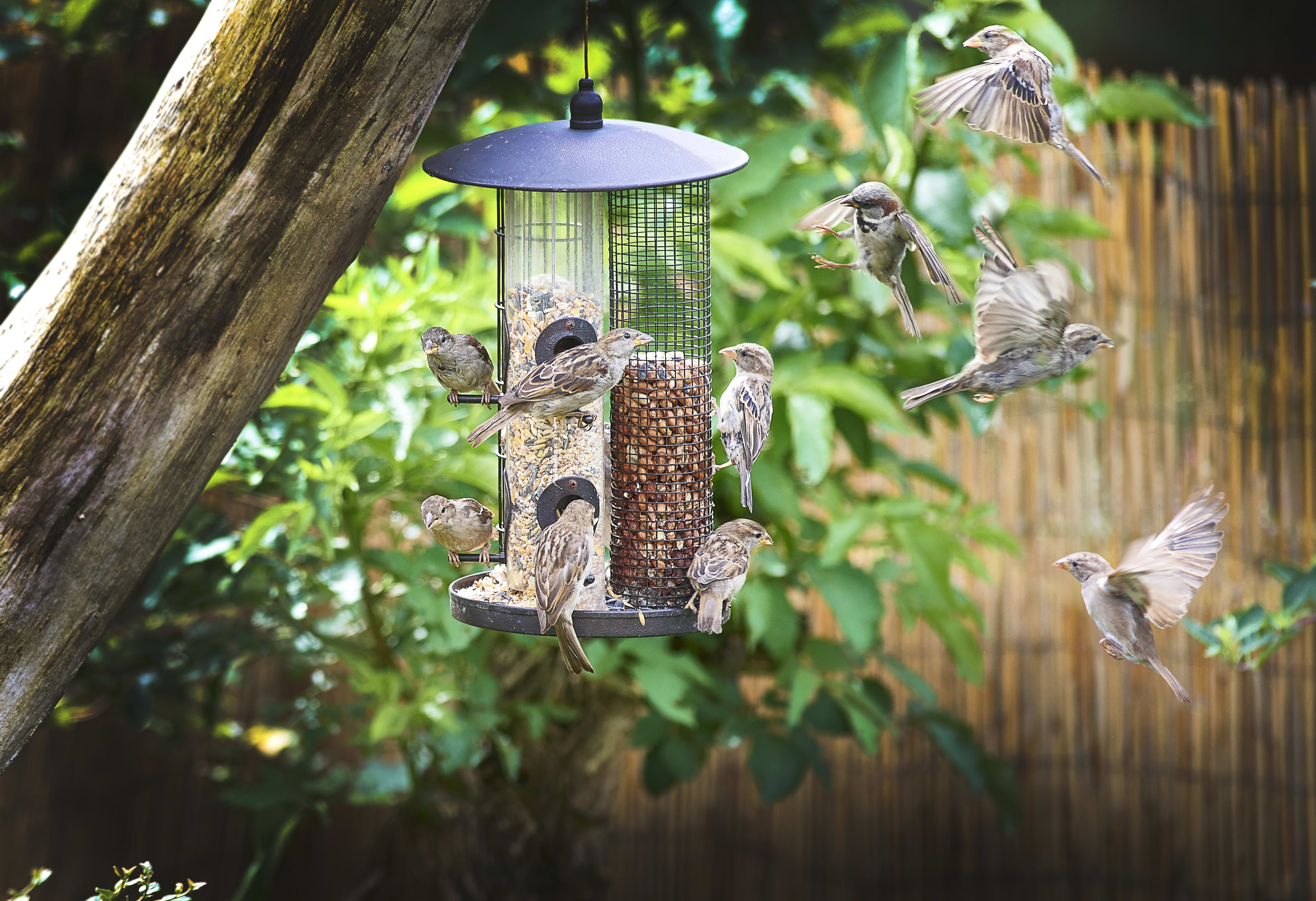
Bird seed often contains many types of seeds that can grow into plants. When birds eat and drop these seeds outside, they can start to grow.
Seeds need the right conditions to sprout, such as soil, water, and sunlight. Outdoors, these conditions can help bird seed grow grass and other plants.
Seeds Dropped By Birds
Birds eat seeds and sometimes drop them while flying or eating. These dropped seeds land on the ground and can start to grow.
Not all seeds grow, but some find the right place and begin to sprout grass or other plants. This natural spread helps plants grow in new areas.
Natural Soil Contact And Growth
For seeds to grow, they need to touch soil. Soil gives seeds water and nutrients to start growing roots and shoots.
When bird seeds land on soft soil, rain or dew helps them soak up water. This starts the sprouting process and helps grass grow from the seeds.

Credit: www.thestar.com
Types Of Grass From Bird Seed
Bird seed mixes often contain different types of seeds. Some of these seeds can grow into grass-like plants if left in soil or on the ground. This happens because many bird seed mixes include grass seeds or other grains.
Knowing what types of grass or plants grow from bird seed helps gardeners and bird lovers understand what to expect. It also explains why unexpected plants sometimes appear after feeding birds outdoors.
Grass-like Seeds In Mixes
Bird seed mixes often have grass-like seeds such as millet, ryegrass, and oats. These seeds are part of the diet for many birds and can sprout easily in soil. When moisture and warmth are present, these seeds grow into thin, green blades like grass.
Some common grass-like seeds found in bird seed mixes include:
- Millet – small round seeds that grow into thin grass
- Ryegrass – fast-growing grass often used in lawns
- Oats – grain seeds that can sprout tall, grass-like plants
- Wheat – can grow into stalks similar to grass blades
Unexpected Plants Growing From Feed
Sometimes, bird seed mixes contain seeds that are not just grass but other plants. These plants may grow unexpectedly in gardens or near bird feeders. Some seeds come from wildflowers or weeds included in the mix.
Examples of unexpected plants growing from bird feed are:
- Sunflower – seeds that grow into tall, bright flowers
- Thistle – a spiky plant that birds like
- Milkweed – a plant important for butterflies
- Wildflowers – various colorful flowers that grow from mixed seeds
Impact On Gardens And Lawns
Bird seed can sometimes sprout into grass or small plants after birds drop it in your garden or lawn. This natural growth can affect your outdoor space in many ways.
Understanding these effects helps you decide how to manage the plants that grow from bird seed in your yard.
Benefits Of Natural Growth
When bird seed grows into grass or plants, it can add some natural beauty and help the environment.
- New plants can attract beneficial insects like bees and butterflies.
- They can improve soil health by adding organic matter.
- Natural growth may reduce soil erosion by covering bare patches.
- Some bird seed plants provide food for wildlife beyond birds.
Potential Challenges And Control
Plants from bird seed can sometimes cause problems in gardens and lawns. They may grow where you do not want them.
| Challenge | Explanation | Control Method |
| Weed Growth | Seedlings compete with garden plants for nutrients. | Remove seedlings early by hand pulling. |
| Lawn Damage | Grass from seed may not match existing lawn grass. | Regular mowing and reseeding with lawn grass. |
| Allergies | Some plants may cause allergic reactions. | Identify and remove allergenic plants promptly. |
| Overcrowding | Excess plants can crowd out desired flowers or vegetables. | Thin out plants to maintain garden balance. |
Credit: dengarden.com
Preventing Unwanted Grass Growth
Bird seed can sometimes sprout into grass if spilled or left on the ground. This growth may cause lawn problems. Knowing how to stop this can help keep your yard tidy and healthy.
Controlling unwanted grass from bird seed involves choosing the right seeds and managing any spills quickly. These steps reduce the chance of seeds growing where you do not want them.
Seed Selection Tips
Choosing the right seeds helps limit grass growth. Some bird seeds are less likely to sprout into grass than others. Selecting these options can prevent unwanted plants.
- Pick hulled seeds to reduce germination chances.
- Avoid grass seeds like millet that grow easily.
- Choose seeds meant for bird feeding, not planting.
- Look for seeds treated to prevent sprouting.
Managing Seed Spills Effectively
Cleaning up spilled seed fast stops grass from growing. Seeds left on soil or mulch can start to sprout with rain or water. Proper cleanup is key to control unwanted growth.
| Action | Why It Helps |
| Regularly sweep or rake under feeders | Removes seeds before they sprout |
| Use seed trays to catch spills | Prevents seeds from reaching soil |
| Water cleanup areas lightly after removal | Discourages seed germination |
| Dispose of seed waste properly | Stops seeds from spreading elsewhere |
Credit: www.thestar.com
Frequently Asked Questions
Why Does Bird Seed Often Grow Grass?
Bird seed contains viable grains that can sprout under moist soil conditions. When left on the ground, seeds absorb water and germinate, producing grass or seedlings.
Can All Bird Seeds Grow Into Grass?
Not all bird seeds grow grass. Seeds like millet, wheat, or oats often sprout. Others, like sunflower seeds, usually do not grow grass.
How Does Bird Seed Contribute To Natural Grass Growth?
Bird seed acts as a natural source of grass seeds. When spilled, these seeds germinate and grow, enriching the local greenery and supporting wildlife.
Is Sprouting Grass From Bird Seed Harmful To Gardens?
Sprouting grass from bird seed is usually harmless and can improve soil health. However, excessive growth may compete with garden plants for nutrients.
Conclusion
Bird seed can lead to unexpected grass growth. Seeds often contain grains. These grains sprout when conditions are right. Moist soil and sunlight help them grow. Understanding why this happens helps gardeners manage it. Simple solutions exist. Use trays or feeders to catch stray seeds.
Regularly clean up spills. This prevents unwanted grass. Some people enjoy the surprise plants. Others prefer a tidy yard. It all depends on personal preference. Knowledge helps make informed choices. Happy bird watching and gardening to all!