Are you wondering if extruded bird food really provides the vitamins your feathered friends need? Choosing the right food for your birds can be confusing, especially when it comes to their health and nutrition.
You want to be sure that every bite gives them the energy and nutrients to thrive. You’ll discover how extruded bird food stacks up when it comes to vitamins, and whether it’s a smart choice for your birds’ diet. Keep reading to find out what makes this type of bird food special and how it can impact your birds’ well-being.

Credit: www.ebay.com
What Is Extruded Bird Food
Extruded bird food is a type of pet food made using a special cooking process. It creates shapes that birds can easily eat and digest.
This food often contains important nutrients, including vitamins, to help keep birds healthy and active.
Manufacturing Process
Extruded bird food is made by mixing ingredients into a dough-like paste. This paste is cooked under heat and pressure in an extruder machine.
The cooked dough is pushed through a shaped opening, creating specific shapes and sizes. It then cools and hardens before packaging.
Common Ingredients
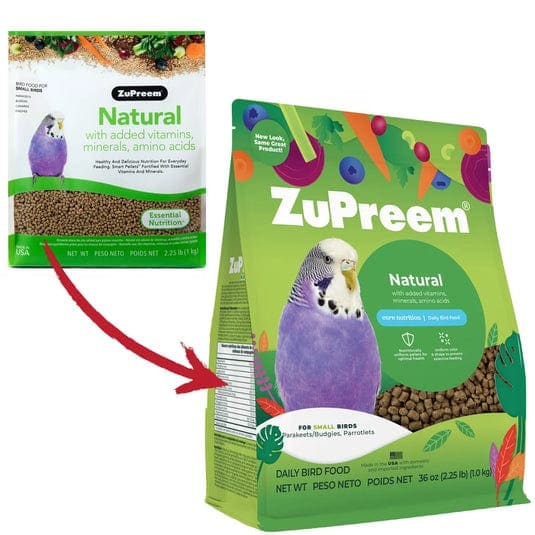
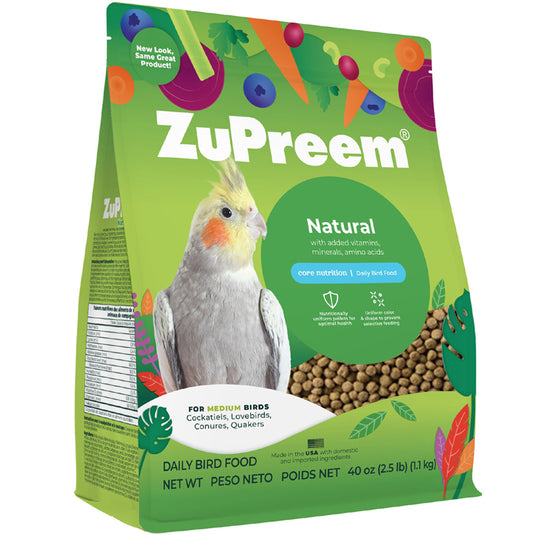
Typical ingredients in extruded bird food include grains, seeds, and added vitamins. These ingredients provide energy and essential nutrients.
- Whole grains like corn and wheat
- Seeds such as sunflower and millet
- Vegetable proteins
- Added vitamins and minerals
- Fats for energy

Credit: www.exoticwings.ca
Vitamin Content In Extruded Bird Food
Extruded bird food is made by cooking ingredients under heat and pressure. This process shapes the food into pellets that birds can eat easily.
Understanding the vitamin content in extruded bird food helps ensure birds get the nutrients they need for health and growth.
Types Of Vitamins Included
Extruded bird food usually contains many essential vitamins. These vitamins support bird health and development.
- Vitamin A: Helps with vision and immune function.
- Vitamin D: Supports bone growth and calcium absorption.
- Vitamin E: Acts as an antioxidant to protect cells.
- Vitamin K: Important for blood clotting.
- Vitamin B-complex: Includes B1, B2, B6, and B12, which aid energy production and brain function.
Vitamin Stability During Processing
Heat and pressure in extrusion can reduce vitamin levels in bird food. Some vitamins are more sensitive than others.
| Vitamin | Stability During Extrusion |
| Vitamin A | Moderate loss due to heat |
| Vitamin D | Relatively stable |
| Vitamin E | Can degrade with high temperature |
| Vitamin K | Stable under extrusion conditions |
| B-complex Vitamins | Some losses, especially B1 and B6 |
Benefits Of Extruded Bird Food Vitamins
Extruded bird food contains vitamins essential for bird health. These vitamins help birds stay active and strong.
Birds absorb vitamins better from extruded food because of its unique processing method. This improves their overall well-being.
Nutrient Absorption
The extrusion process makes vitamins more available for birds to absorb. Heat and pressure help mix nutrients evenly.
- Improves vitamin stability during storage
- Breaks down hard ingredients for easier digestion
- Ensures consistent nutrient content in every bite
Health Advantages For Birds
Vitamins in extruded bird food support many body functions. Birds get better immune defense and stronger feathers.
| Vitamin | Health Benefit |
| Vitamin A | Supports eye health and skin |
| Vitamin D | Strengthens bones and muscles |
| Vitamin E | Protects cells and boosts immunity |
| Vitamin B Complex | Improves energy and metabolism |
Potential Drawbacks And Limitations
Extruded bird food is popular for its convenience and balanced nutrition. Still, it has some drawbacks, especially about vitamin content. Understanding these limits helps bird owners make better choices.
This section explores the risks of vitamin loss during extrusion and compares extruded food with natural sources of vitamins.
Vitamin Degradation Risks
The extrusion process uses heat and pressure to shape bird food. These conditions can reduce vitamin levels. Vitamins like A, C, and some B types are sensitive to heat.
- Heat can break down heat-sensitive vitamins.
- Pressure during extrusion may lower vitamin stability.
- Storage after extrusion can cause further vitamin loss.
- Long shelf life may reduce vitamin potency over time.
Comparison With Natural Sources
Natural foods like fresh fruits and seeds usually have higher vitamin levels. They provide vitamins in their original form, often with better absorption.
| Aspect | Extruded Bird Food | Natural Sources |
| Vitamin Content | May be reduced by processing | Usually intact and fresh |
| Vitamin Stability | Lower during storage | Higher in fresh state |
| Vitamin Variety | Added vitamins may be limited | Wide natural variety |
| Absorption | May be less bioavailable | Generally better absorbed |
Tips For Choosing Quality Bird Food
Choosing good bird food helps keep your pet healthy and happy. Vitamins in bird food support strong feathers and good energy.
Not all bird foods have the same vitamin content. Learn how to read labels and store food properly to keep vitamins fresh.
Reading Labels For Vitamins
Look for bird food labels that list essential vitamins. Check for vitamin A, D, E, and B-complex. These help with vision, bones, and metabolism.
- Check the vitamin amounts to meet your bird’s needs.
- Look for natural sources like fruits and seeds in the ingredients.
- Avoid foods with too many fillers or artificial additives.
- Choose foods with added minerals for overall health.
Storage And Handling
Proper storage keeps vitamins from breaking down. Store bird food in a cool, dry place. Keep the container sealed tightly.
| Storage Tip | Why It Matters |
| Use airtight containers | Prevents moisture and pests |
| Keep food away from sunlight | Protects vitamin content |
| Buy small amounts | Ensures freshness |
| Check expiration dates | Avoids feeding old food |
Alternatives To Extruded Bird Food
Extruded bird food is common but not the only way to give birds vitamins. Birds can get nutrients from fresh foods and supplements.
Some bird owners prefer homemade options. These choices can provide a variety of vitamins and minerals naturally.
Fresh Foods And Supplements
Fresh fruits and vegetables offer natural vitamins for birds. These foods add moisture and variety to their diet.
Supplements can fill in gaps in nutrition. They help ensure birds get enough vitamins like A, D, and E.
- Carrots and sweet potatoes are rich in vitamin A.
- Leafy greens like spinach provide vitamins and minerals.
- Fresh berries supply antioxidants and vitamin C.
- Calcium supplements support strong bones and eggshells.
- Mineral blocks offer essential trace elements.
Homemade Bird Food Options
Homemade bird food can be made from grains, seeds, and fresh ingredients. It allows control over nutrition and avoids additives.
Mixing different ingredients ensures birds get a balanced diet. It can include cooked vegetables and grains for easy digestion.
- Cooked brown rice or quinoa for carbohydrates.
- Chopped vegetables like peas and carrots for vitamins.
- Hard-boiled eggs for protein and vitamin D.
- Seed mixes with sunflower and millet for fats and nutrients.
- Small amounts of fruit for extra vitamins and flavor.
Credit: www.exoticwings.ca
Frequently Asked Questions
What Vitamins Are In Extruded Bird Food?
Extruded bird food typically contains essential vitamins like A, D3, E, and B-complex. These vitamins support bird health, immunity, and feather quality. The extrusion process helps preserve these nutrients, making the food a reliable vitamin source for pet birds and wild birds alike.
Does Extrusion Affect Vitamin Content In Bird Food?
The extrusion process can slightly reduce some heat-sensitive vitamins. However, manufacturers often add extra vitamins after extrusion. This ensures that the final bird food product retains adequate vitamin levels for balanced nutrition and optimal bird health.
Is Extruded Bird Food Better Than Seed Mixes For Vitamins?
Yes, extruded bird food usually offers more balanced vitamins than seed mixes. Seeds often lack certain vitamins and minerals. Extruded foods are formulated to meet birds’ dietary needs, providing consistent vitamin levels for improved health and vitality.
How Often Should I Feed Extruded Bird Food For Vitamins?
Feeding extruded bird food daily ensures birds get consistent vitamins. It can be the main diet or a supplement to fresh foods. Regular feeding supports steady vitamin intake, promoting overall bird wellness and preventing nutritional deficiencies.
Conclusion
Extruded bird food can offer essential vitamins for birds. It provides a balanced diet. This food type helps maintain bird health. Vitamins play a vital role in their growth. Birds need these nutrients daily. Owners should consider their bird’s specific needs.
Check labels for vitamin content. Quality ingredients matter for optimal nutrition. Always consult with a vet for advice. They can guide on dietary choices. Remember, a healthy bird is a happy bird. Choose wisely for your feathered friend’s well-being.