If you have pet birds, you know how important their health is to you. One common problem many bird owners face is canker, a painful and contagious infection that can quickly take a toll on your feathered friend’s well-being.
But what if you could stop canker before it even starts? You’ll discover simple and effective ways to protect your birds from this uncomfortable disease. By learning these easy prevention tips, you’ll keep your birds happy, healthy, and thriving. Keep reading to find out exactly how you can make a real difference in your bird’s health today.

Credit: www.vibrantanimalhealth.com.au
Causes Of Canker In Birds
Canker in birds is a common disease affecting their throat and mouth. It is caused by tiny parasites and other factors that weaken birds' health. Understanding these causes helps prevent the disease.
This guide covers the main parasites involved and the risk factors that trigger canker outbreaks in birds.
Common Parasites Involved
The main cause of canker in birds is a parasite called Trichomonas gallinae. This tiny organism infects the bird’s mouth and throat, causing sores and difficulty eating.
- Trichomonas gallinae:The primary parasite responsible for canker in pigeons and doves.
- Other protozoans:Sometimes other tiny parasites also contribute to the infection.
- Secondary bacteria:Bacteria can infect the sores, making the condition worse.
Risk Factors And Triggers
Canker spreads faster and becomes more common when birds face certain risks. These triggers weaken their defenses and help parasites grow.
| Risk Factor | How It Increases Canker Risk |
| Close Contact | Birds living close together pass parasites easily. |
| Poor Nutrition | Weak immune system allows parasites to infect quickly. |
| Dirty Water | Parasites spread through contaminated drinking sources. |
| Stress | Stress lowers natural resistance to infections. |
| Young Age | Young birds have weaker immune defenses. |

Credit: www.reddit.com
Recognizing Symptoms
Canker is a common disease in birds caused by a parasite. It mainly affects the bird’s mouth and throat. Early detection helps prevent serious health problems.
Bird owners should watch for signs that show a bird may have canker. These signs can be seen in behavior and physical changes.
Behavioral Changes
Birds with canker often act differently than usual. They may stop eating or drinking as much as before. You might notice your bird is less active or sleepy during the day.
Some birds may scratch their beaks or rub their heads on cage bars. This behavior shows they feel discomfort or pain in their mouth area.
- Loss of appetite
- Less activity or tiredness
- Scratching or rubbing the beak
- Changes in vocal sounds
Physical Signs
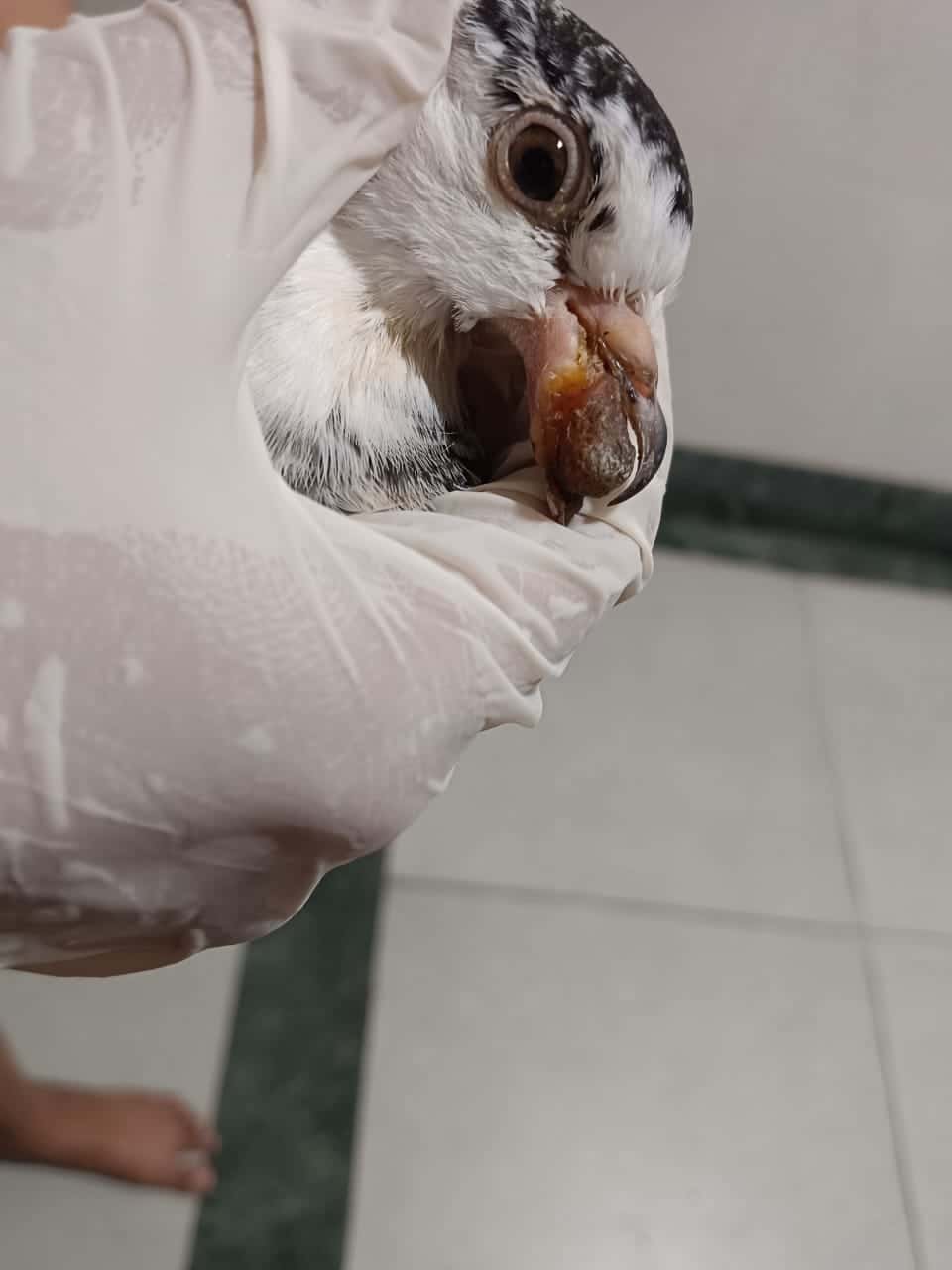
Physical signs of canker include white or yellowish spots inside the bird’s mouth or throat. These spots can look like cheese or cottage cheese. The bird’s mouth may also look swollen or red.
Sometimes, the bird will have trouble swallowing or breathing. You may see drooling or bad smell from the mouth. The bird might lose weight if the disease lasts long.
- White or yellow spots in mouth or throat
- Red or swollen mouth area
- Difficulty swallowing or breathing
- Drooling or bad mouth odor
- Weight loss over time
Maintaining Clean Habitat
Keeping your bird's living space clean helps stop canker. A clean habitat lowers germs that cause illness.
Regular cleaning keeps birds healthy and comfortable. Clean surroundings reduce infection risks.
Sanitizing Cages And Accessories
Wash bird cages and accessories often. Use safe cleaners to remove dirt and germs.
Remove old food and droppings daily. Clean toys, perches, and food bowls well.
- Use warm water and mild soap
- Rinse thoroughly to remove soap
- Disinfect with bird-safe solutions
- Dry items completely before reuse
Proper Ventilation And Lighting
Good airflow lowers moisture and germs. Keep the bird area well-ventilated but free from drafts.
Natural light helps birds stay healthy. Ensure the space has enough light without overheating.
- Open windows or use fans for fresh air
- Avoid crowded or stuffy rooms
- Provide 10-12 hours of light daily
- Use full-spectrum bulbs if no sunlight
Balanced Nutrition
Balanced nutrition helps keep birds healthy and strong. It supports their immune system to fight diseases like canker.
Feeding birds the right foods with needed nutrients lowers the chance of infections. Good nutrition is a key part of care.
Essential Vitamins And Minerals
Birds need vitamins and minerals to stay healthy. These nutrients help repair tissues and fight off infections like canker.
Important vitamins include A, E, and the B-complex group. Minerals like calcium and zinc also support their immune health.
- Vitamin A keeps skin and mucous membranes healthy
- Vitamin E protects cells from damage
- B vitamins help with energy and metabolism
- Calcium strengthens bones and beak
- Zinc supports immune system functions
Safe Feeding Practices
Clean and safe feeding prevents the spread of canker in birds. Use fresh food and clean water every day.
Avoid feeding spoiled or moldy food. Keep feeding areas clean to stop bacteria growth that causes infections.
- Wash food and water containers daily
- Remove uneaten food quickly
- Use fresh fruits, vegetables, and grains
- Keep feeding areas dry and clean
- Do not share feeding tools between birds
Regular Health Checks
Regular health checks help prevent canker in birds. Early detection keeps your bird safe and healthy.
Check your bird often for any signs of illness. Healthy habits reduce the risk of canker.
Home Monitoring Tips
Watch your bird’s behavior and appearance daily. Look for changes in eating, drinking, or activity.
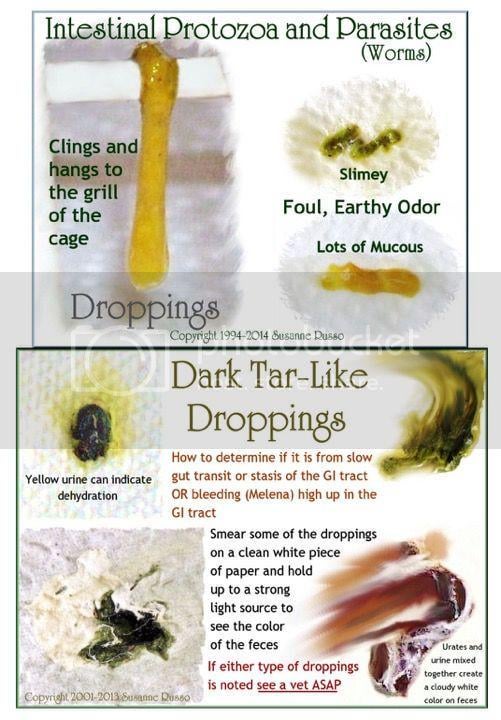
- Observe the bird’s droppings for unusual color or consistency
- Check the mouth and throat for white or yellow spots
- Notice if the bird has trouble swallowing or breathes loudly
- Keep an eye on weight loss or feather condition
- Maintain a clean cage to reduce infection risk
When To Visit A Vet
Visit a vet if you see signs of canker or if your bird acts weak. Early treatment is important.
| Symptom | Action |
| White or yellow mouth spots | Schedule a vet visit quickly |
| Loss of appetite or weight | Consult your vet immediately |
| Difficulty breathing or swallowing | Seek emergency vet care |
| Lethargy or unusual behavior | Get a health check soon |
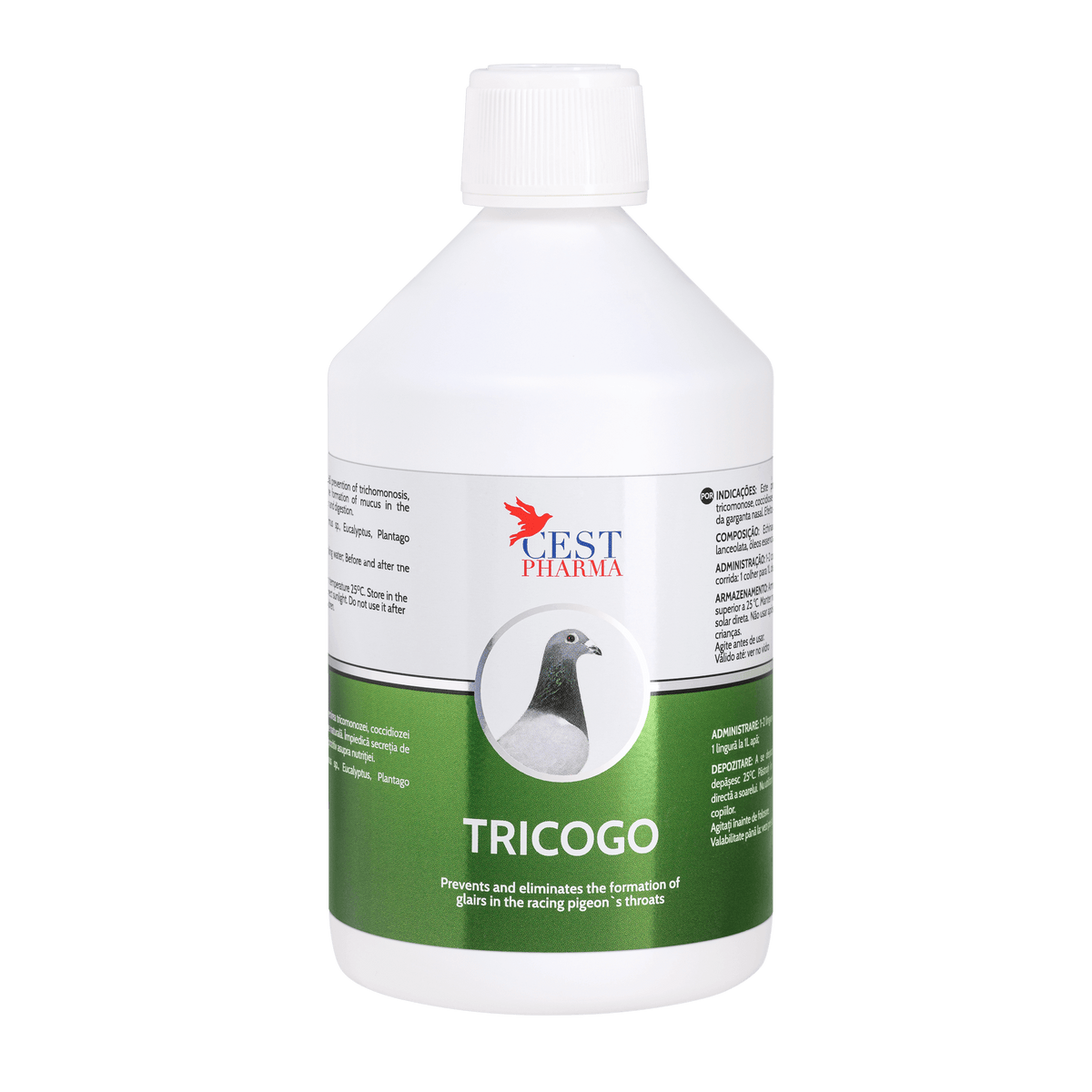
Credit: birdpalproducts.com
Stress Reduction Strategies
Stress can weaken birds and make them prone to canker. Lowering stress helps keep birds healthy and happy.
Simple steps to reduce stress support their immune system and prevent illness like canker.
Creating A Calm Environment
Birds need a peaceful place to feel safe. Loud noises and sudden changes cause stress.
- Keep the cage away from busy areas and loud sounds
- Provide soft bedding and perches for comfort
- Maintain a stable room temperature and avoid drafts
- Clean the cage regularly to prevent odors and bacteria
- Use gentle lighting with a natural day-night cycle
Social Interaction Needs
Birds are social animals. They need company and attention to avoid loneliness.
| Type of Interaction | Benefits |
|---|---|
| Daily Talking | Builds trust and reduces anxiety |
| Playing with Toys | Keeps birds active and mentally sharp |
| Companion Birds | Offers social support and prevents isolation |
| Safe Outdoor Time | Provides fresh air and natural stimulation |
Preventive Treatments
Canker is a common disease in birds caused by parasites. Preventing it keeps birds healthy and active. Proper care and treatments reduce the risk of infection.
Using the right preventive treatments helps stop canker before it starts. Bird owners should know safe and effective ways to protect their pets.
Use Of Antiparasitic Medications
Antiparasitic medications kill the parasites that cause canker. These medicines help keep birds free from infection. They are often given as drops or in food.
Regular use of these medications is important, especially for birds at risk. Always follow the dosage instructions to avoid harm. Consult a vet for the best treatment plan.
- Use medications recommended by veterinarians
- Apply treatments on a regular schedule
- Monitor birds for side effects
- Keep the bird’s living area clean
Natural Remedies And Supplements
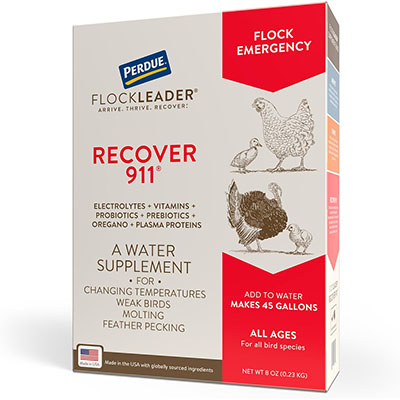
Natural remedies can support bird health and prevent canker. Supplements boost the immune system to fight infections. They include vitamins, herbs, and probiotics.
Adding these supplements to a bird’s diet helps keep its mouth and crop healthy. Choose natural options that are safe and tested for birds.
- Vitamin A supports skin and mucous membranes
- Probiotics promote good bacteria in the digestive system
- Herbs like garlic may reduce parasites
- Fresh fruits and vegetables provide nutrients
Quarantine New Birds
Bringing new birds into your home can introduce diseases. Quarantine helps protect your current birds from infections.
Keeping new birds separate is the first step in preventing canker and other illnesses.
Isolation Period Guidelines
New birds should stay isolated for at least 30 days. This period lets you watch for any signs of illness without risking your healthy birds.
- Keep new birds in a separate room or cage.
- Clean their area daily to prevent germs.
- Feed and water them separately using different utensils.
- Avoid contact between new and existing birds.
- Monitor their behavior and health closely.
Observing For Early Signs
Watch new birds carefully during quarantine. Early detection helps stop canker from spreading.
| Symptom | Description |
| Yellowish Growths | Soft, yellow patches inside the mouth or throat |
| Difficulty Eating | Bird may refuse food or show discomfort |
| Swollen Throat | Visible swelling around the neck area |
| Weight Loss | Bird becomes thinner over a short time |
| Breathing Trouble | Labored or noisy breathing |
If you see any signs, separate the bird immediately. Contact a vet for proper care and treatment.
Frequently Asked Questions
What Causes Canker In Birds?
Canker is caused by the protozoan parasite Trichomonas gallinae. It spreads through contaminated water, food, or direct contact. Poor hygiene and overcrowding increase infection risks.
How Can I Identify Canker Symptoms In Birds?
Look for yellowish sores in the mouth or throat. Birds may show difficulty swallowing, lethargy, and weight loss. Early detection helps effective treatment.
What Are Effective Prevention Methods For Bird Canker?
Maintain clean feeding areas and fresh water. Avoid overcrowding and quarantine new birds. Good nutrition boosts immunity, reducing infection chances.
Can Canker In Birds Be Treated At Home?
Mild cases might improve with proper hygiene and diet. However, veterinary-prescribed antiprotozoal medications are usually necessary for full recovery.
Conclusion
Caring for birds means ensuring their health and happiness. Preventing canker is crucial. Clean their cages regularly to keep them safe. Provide fresh water and balanced nutrition daily. Watch for any signs of illness. Quick action can save lives. Consult a vet if you notice unusual symptoms.
A healthy bird is a happy bird. Keep their environment stress-free. Regular check-ups help catch problems early. Your feathered friend deserves the best care. With attention and love, you can prevent canker. Enjoy the joy your bird brings to your life.