If you love watching birds visit your garden, you’re going to enjoy this simple and fun way to attract them. Making bird food with peanut butter is easy, affordable, and a great way to bring nature closer to your home.
Imagine seeing colorful birds fluttering around, enjoying the treat you made just for them. You’ll discover step-by-step how to create delicious bird snacks that your feathered friends will love. Ready to become your neighborhood’s favorite bird feeder? Let’s get started!
Benefits Of Peanut Butter For Birds
Peanut butter is a popular ingredient for making bird food. It offers many benefits for birds in different seasons. Birds enjoy its rich taste and energy.
Using peanut butter in bird food helps keep birds healthy and active. It is easy to mix with other ingredients like seeds and grains.
Nutritional Value
Peanut butter contains important nutrients that birds need. It has protein, fats, and vitamins that support bird health. These nutrients help birds grow strong.
Birds get energy and build feathers from the nutrients in peanut butter. It also helps their immune system stay strong.
- High protein content for muscle growth
- Healthy fats for energy and warmth
- Vitamins like E and B to support health
Energy Boost
Peanut butter gives birds a quick energy boost. Its fats and proteins provide long-lasting fuel. Birds need this energy to fly and stay active.
In cold weather, birds use more energy to keep warm. Peanut butter helps them survive harsh conditions by supplying extra calories.
- Fats provide dense energy
- Protein helps repair muscles
- Supports activity during cold seasons
Attracting Different Bird Species
Peanut butter attracts many types of birds. Its smell and taste draw birds like woodpeckers, chickadees, and nuthatches. It is a favorite treat for many species.
Using peanut butter in bird feeders can increase bird watching fun. You can see a variety of birds visiting your yard. Different birds enjoy peanut butter mixed with seeds or suet.
- Woodpeckers love peanut butter on tree bark
- Chickadees enjoy peanut butter with seeds
- Nuthatches are attracted by the rich taste
Ingredients Needed
Making bird food with peanut butter is simple and fun. You only need a few ingredients. These ingredients attract birds and keep them healthy.
This guide covers the main items you need. Knowing what to use helps you create tasty bird treats.
Choosing The Right Peanut Butter
Pick natural peanut butter without added sugar or salt. Avoid peanut butter with xylitol, which is toxic to birds.
Look for smooth or crunchy types based on your preference. Natural oils in peanut butter help bind ingredients well.
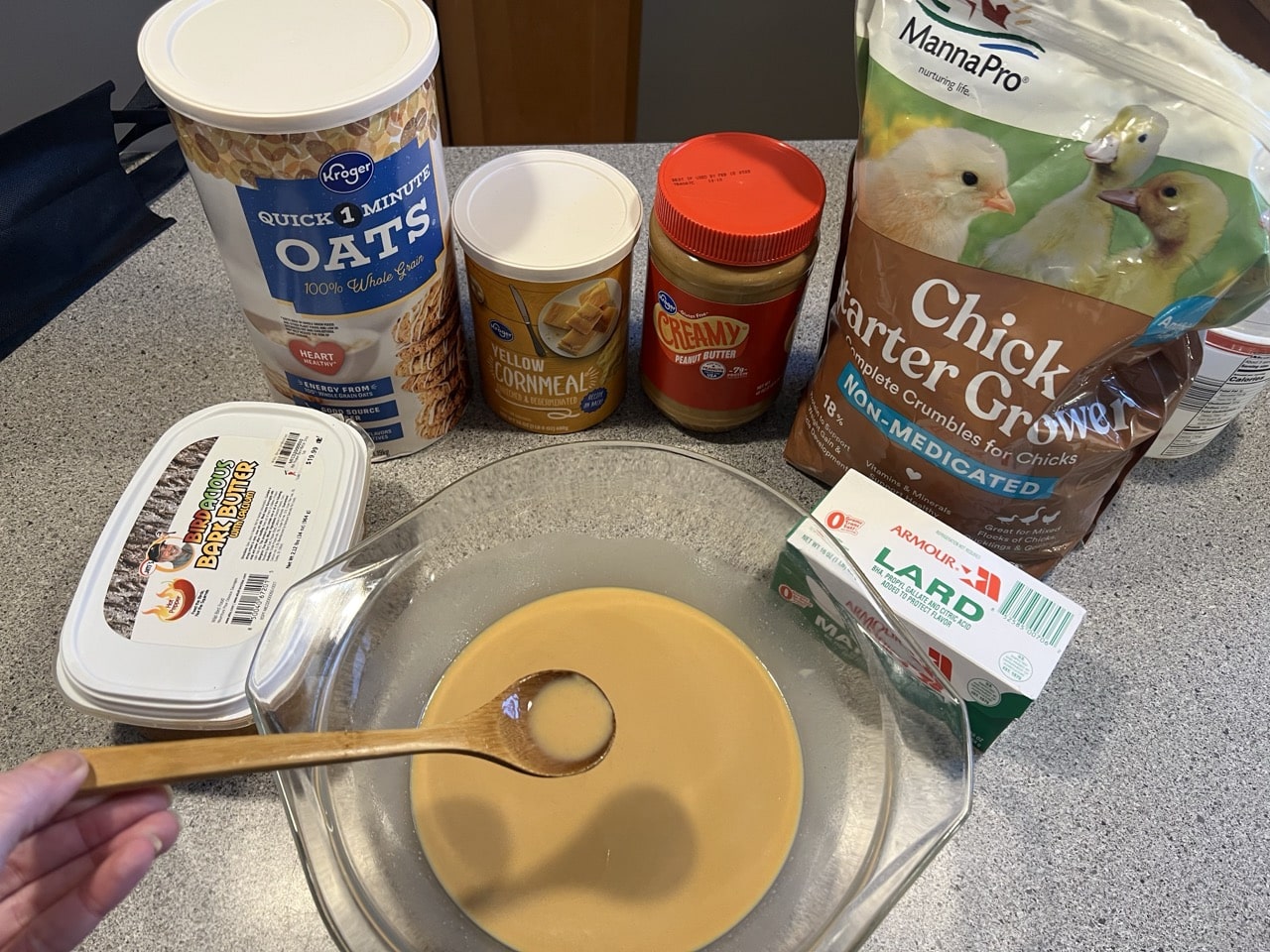
Additional Ingredients
- Birdseed mix with sunflower and millet
- Oats or rolled grains
- Unsalted nuts, chopped
- Dried fruits like raisins or cranberries
- Cornmeal or crushed crackers
These ingredients add nutrition and texture. They make your bird food more appealing and healthy for wild birds.
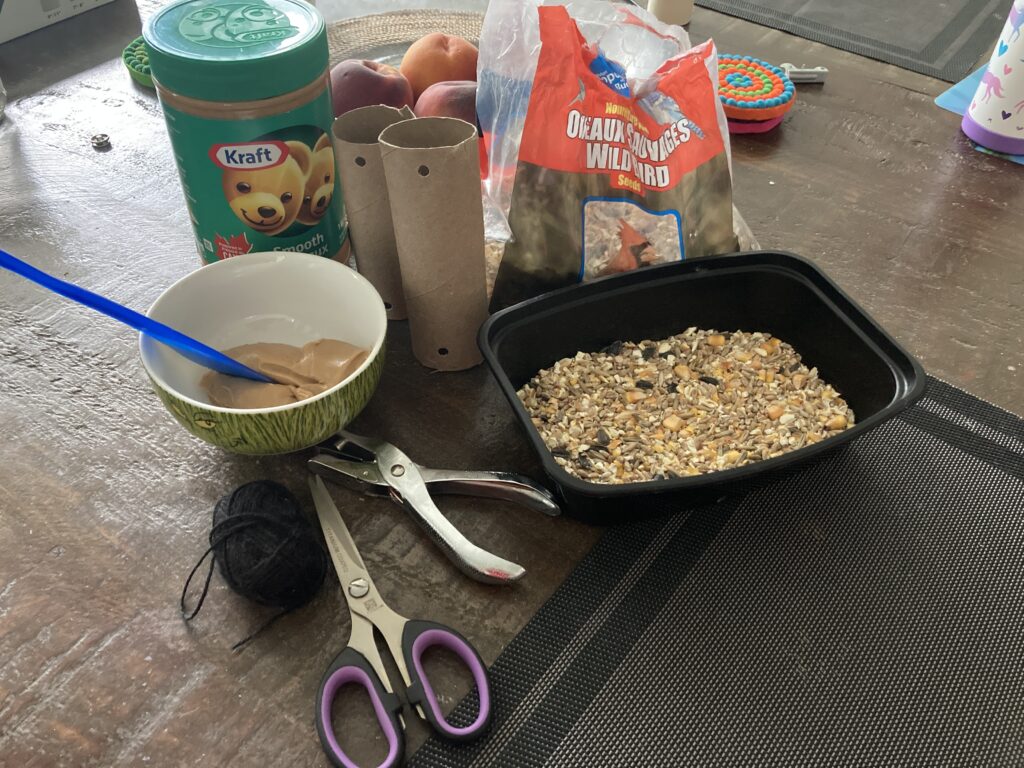
Tools And Materials
| Tool | Purpose |
| Bowl | Mix peanut butter and ingredients |
| Spoon or spatula | Stir and spread mixture |
| Cookie cutter or mold | Shape bird food |
| Baking sheet | Place shaped food to set |
| Parchment paper | Prevent sticking on the baking sheet |
| String or twine | Hang bird food if needed |
Step-by-step Preparation
Making bird food with peanut butter is easy and fun. This guide shows you clear steps to prepare it at home.
You only need a few ingredients and simple tools. Follow these steps to create tasty treats for birds.
Mixing Ingredients
Start by gathering peanut butter, birdseed, and oats. These ingredients form the base of your bird food.
- Use 1 cup of peanut butter as a sticky base.
- Add 1 cup of birdseed for nutrition and variety.
- Mix in 1 cup of rolled oats for texture.
- Stir all ingredients well until combined.
Shaping The Bird Food
Shape the mixture so birds can easily eat it. You can use your hands or molds.
- Take small portions of the mixture.
- Press firmly into balls or shapes.
- Place shapes on wax paper to dry.
- Let them sit for at least 2 hours before using.
Adding Seeds And Nuts
Adding extra seeds and nuts gives birds more energy. Sprinkle them on top or mix inside.
| Seed or Nut | Benefit for Birds |
| Sunflower Seeds | High in fat and protein |
| Chopped Peanuts | Good energy source |
| Millet | Easy to digest |
| Cracked Corn | Fills and nourishes |
Safe Storage Tips
Making bird food with peanut butter is fun and easy. Storing it safely keeps it fresh and tasty for birds.
Good storage stops spoilage and keeps the mixture safe for wildlife to eat.
Preventing Spoilage
Keep bird food in a cool, dry place to avoid mold and bacteria growth. Moisture can spoil peanut butter quickly.
Check the food regularly for signs of mold or bad smell. Throw away spoiled food immediately to protect birds.
- Store away from direct sunlight
- Keep containers tightly closed
- Use clean utensils when handling food
Ideal Containers
Use airtight containers to keep bird food fresh. Plastic or glass jars with lids work well.
Containers should be easy to open and clean to avoid contamination. Avoid containers that absorb moisture.
- Glass jars with screw lids
- Plastic containers with tight seals
- Reusable food storage bags (airtight)
Shelf Life
Bird food made with peanut butter lasts about two weeks if stored well. After that, it may spoil.
Keep small batches to use quickly. Check for changes in smell or texture before feeding birds.
- Store in cool, dry place
- Use within 14 days
- Discard if mold or bad smell appears
Best Ways To Feed Birds
Feeding birds with peanut butter is easy and fun. It helps birds get energy, especially in cold months.
Use safe methods to feed birds. This keeps them healthy and coming back to your yard.
Using Bird Feeders
Bird feeders hold peanut butter treats well. They keep the food clean and safe from pests.
- Choose feeders that are easy to clean.
- Use mesh feeders for peanut butter balls or suet cakes.
- Place feeders where birds can perch safely.
- Fill feeders regularly to keep birds coming back.
Placing Food In Natural Spots
Put peanut butter treats where birds feel safe. Trees and bushes are great spots.
| Location | Benefits |
| Tree branches | Birds can hide from predators |
| Near shrubs | Offers cover and easy access |
| Close to water | Birds can drink after eating |
| Quiet garden corners | Less disturbance from people |
Avoiding Common Feeding Mistakes
Some feeding errors can harm birds. Avoid these to keep them safe and healthy.
- Do not use salted or sugary peanut butter.
- Keep feeding areas clean to stop disease.
- Do not overfeed; birds find natural food too.
- Avoid feeding near busy roads or pets.
Credit: creators.yahoo.com
Seasonal Feeding Advice
Feeding birds peanut butter treats can help them through the year. Birds need different foods in each season.
Learn how to make peanut butter bird food and the best ways to feed birds in winter, summer, spring, and fall.
Feeding In Winter
Birds need extra energy in winter to stay warm. Peanut butter is a great source of fat and protein.
Mix peanut butter with seeds or oats to make a sticky ball. Hang it on trees where birds can reach it.
- Use natural, unsalted peanut butter
- Add sunflower seeds or oats for variety
- Place food in sheltered spots to avoid snow
- Check feeders often to keep food fresh
Summer Considerations
Birds eat less fat in summer because they need less energy to stay warm. Use peanut butter in small amounts.
Mix peanut butter with dry seeds or crushed nuts. Avoid leaving it in hot sun to prevent melting.
- Feed early in the morning or late evening
- Keep food dry and cool
- Offer fresh water nearby
- Clean feeders regularly to avoid mold
Spring And Fall Tips
Spring and fall are times when birds prepare for migration or nesting. They need protein and energy.
Use peanut butter mixed with seeds and small fruits. Offer food near shrubs or trees for cover.
- Use mixes with sunflower seeds, peanuts, and berries
- Refill feeders often as birds eat more
- Provide water for drinking and bathing
- Change feeding spots to reduce predator risk
Troubleshooting Common Issues
Making bird food with peanut butter is simple but can bring some challenges. Problems like pests, mold, and safety concerns might happen.
Knowing how to fix these issues will help keep your bird feeders clean and safe for birds.
Dealing With Pests
Pests like squirrels and ants love peanut butter bird food too. They can eat all the food quickly and cause damage.
Keep pests away by using squirrel-proof feeders or placing feeders in hard-to-reach spots. Clean spilled food regularly.
- Use feeders with weight-activated doors
- Hang feeders on thin wires or poles
- Remove fallen food daily
- Try natural pest repellents around feeders
Preventing Mold
Peanut butter bird food can get moldy if it stays wet or old. Mold is bad for birds and can harm them.
To stop mold, make fresh food in small amounts. Keep feeders dry and clean them often with warm water.
- Make small batches to avoid leftovers
- Place feeders in shaded, dry areas
- Clean feeders weekly to remove mold
- Throw away any moldy food immediately
Ensuring Bird Safety
Birds need safe food and feeders. Avoid using sticky or harmful ingredients besides peanut butter.
Check feeders for sharp edges or loose parts. Use natural peanut butter without salt or sugar for bird food.
- Choose natural peanut butter without additives
- Inspect feeders for damage before filling
- Use safe, bird-friendly feeder designs
- Keep feeders away from predators and pets
Credit: crafty-mummy.com
Credit: creators.yahoo.com
Frequently Asked Questions
What Ingredients Are Needed To Make Bird Food With Peanut Butter?
You need peanut butter, birdseed, and oats or cornmeal. Mix them well to create a sticky, nutritious bird food mix. Avoid using salted or flavored peanut butter as it can harm birds.
How Do You Safely Prepare Peanut Butter Bird Food?
Use natural, unsalted peanut butter. Combine it with dry birdseed and oats. Shape the mixture into balls or spread on pine cones. Let it dry before hanging outside for birds to enjoy safely.
Can Peanut Butter Bird Food Attract Specific Bird Types?
Yes, peanut butter bird food attracts woodpeckers, chickadees, nuthatches, and titmice. These birds enjoy the protein and fat content in peanut butter. It’s an excellent way to support local bird populations during colder months.
How Should Peanut Butter Bird Food Be Stored?
Store bird food in an airtight container in a cool, dry place. Avoid moisture to prevent mold growth. Use it within two weeks for the best freshness and to keep birds healthy.
Conclusion
Creating bird food with peanut butter is simple and rewarding. Birds love the tasty treat. You can easily attract a variety of birds. Homemade bird food is cost-effective and fun. Making it yourself ensures quality ingredients. It's a great activity for families.
Kids learn about nature while helping. This DIY project supports local wildlife. Enjoy watching birds visit your yard. Keep your feathered friends happy and healthy. With these steps, you create a welcoming space. Birdwatching becomes a delightful hobby. Start making bird food today and see the difference.
Your backyard will buzz with life and color.