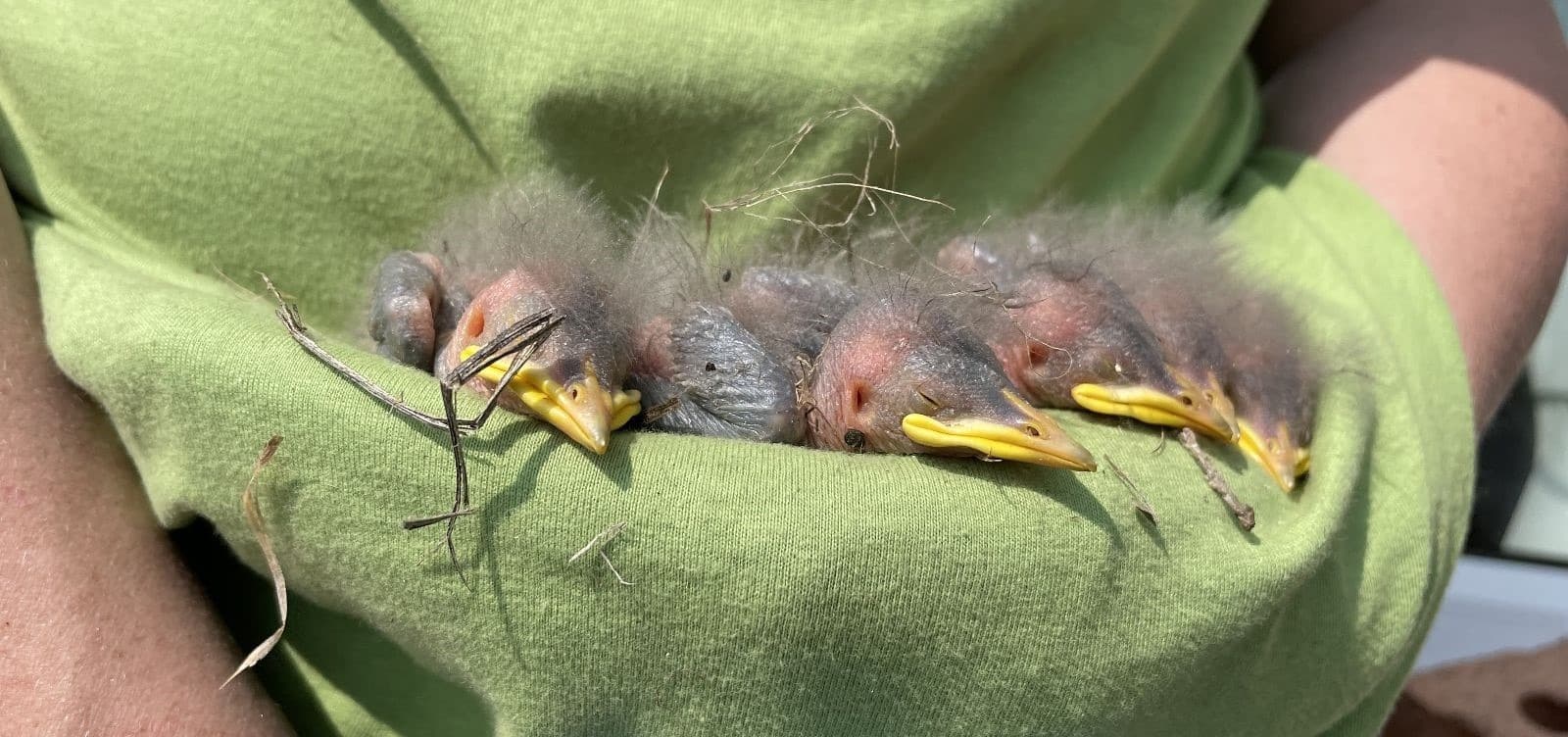
Finding parasites on a baby bird can be worrying. You want to help, but you might not know where to start.
These tiny pests can harm the bird’s health quickly if left untreated. If you act fast and follow the right steps, you can keep the baby bird safe and comfortable. In this guide, you’ll learn simple, effective ways to get parasites off a baby bird.
Keep reading to discover how you can make a real difference in the bird’s life right now.

Credit: www.reddit.com
Identifying Parasites On Baby Birds
Baby birds can get parasites that harm their health. It is important to spot these parasites early.
This guide helps you learn how to find and recognize common parasites on baby birds.
Common Types Of Parasites
Parasites on baby birds come in different forms. Each type has unique signs and effects.
- Mites:Tiny insects that crawl on skin and feathers. They cause itching and feather damage.
- Lice:Small wingless insects found on feathers. They feed on skin flakes and blood.
- Fleas:Jumping parasites that bite and cause irritation.
- Ticks:Larger parasites that attach to skin and suck blood.
- Worms:Internal parasites found in the bird’s digestive system.
Signs Of Parasite Infestation
Look for changes in the baby bird that suggest parasites are present. These signs help you act quickly.
| Sign | Description |
| Feather Loss | Missing or damaged feathers due to parasites chewing or biting. |
| Restlessness | Birds scratch or shake often because of itching. |
| Visible Bugs | Small insects or mites seen moving on skin or feathers. |
| Scabs or Sores | Red or irritated skin spots where parasites have bitten. |
| Weight Loss | Baby bird looks thin or weak from parasite blood loss. |
| Droppings Change | Unusual droppings may signal internal parasites. |
Preparing For Parasite Removal
Removing parasites from a baby bird needs careful preparation. It helps keep the bird safe and calm.
Getting ready means gathering the right supplies and creating a quiet place for the bird.
Gathering Safe Supplies
Use gentle and safe items to remove parasites. Avoid anything that could harm the baby bird’s skin or feathers.
Common safe supplies include soft cloths, warm water, and mild soap if needed. Also, have tweezers for picking off ticks or mites.
- Soft cloths or cotton balls
- Warm, clean water
- Mild baby shampoo or soap
- Tweezers with a fine tip
- A small bowl or container
- Disposable gloves to keep clean
Ensuring A Calm Environment
Keep the baby bird calm before and during parasite removal. A quiet place helps reduce stress and keeps the bird still.
Turn off loud sounds and bright lights. Speak softly and move slowly to avoid frightening the bird.
- Find a warm, quiet room
- Dim the lights
- Close windows to block noise
- Handle the bird gently and slowly
- Keep your hands clean and steady
Safe Methods To Remove Parasites
Parasites can harm baby birds and cause discomfort. Removing them safely is very important to protect the bird’s health.
Use gentle and natural ways to remove parasites. Avoid harsh chemicals or rough handling.
Gentle Manual Removal
Carefully remove visible parasites by hand. Use tweezers or your fingers with soft pressure.
Work in a calm and quiet place. Hold the bird gently to avoid stress or injury.
- Wear gloves to protect yourself
- Use tweezers with rounded tips
- Remove parasites one at a time
- Do not pull hard on the bird’s skin
Using Natural Remedies
Natural remedies help repel and kill parasites without harming baby birds. Many plants and oils work well.
Apply these remedies carefully and avoid the bird’s eyes and mouth.
- Use diluted neem oil to repel parasites
- Apply a small amount of coconut oil for moisture and protection
- Lavender oil can help keep bugs away
- Use a soft cloth to apply oils gently
Applying Bird-safe Treatments
Bird-safe treatments remove parasites without harming the baby bird. Choose products made for birds.
Follow instructions carefully and use only the needed amount to avoid side effects.
- Use bird-safe mite sprays or powders
- Apply treatments in a well-ventilated area
- Keep the baby bird warm after treatment
- Monitor the bird for any reaction to the treatment
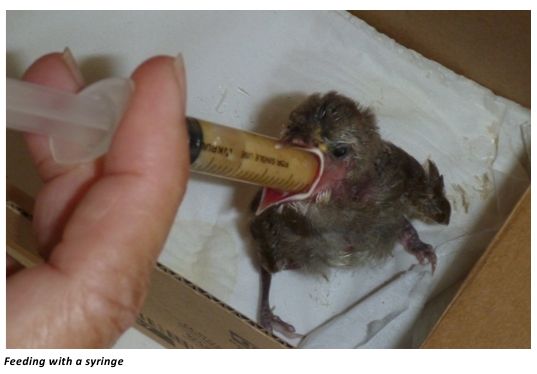
Credit: besgroup.org
Aftercare For The Baby Bird
After removing parasites from a baby bird, proper care is important. This helps the bird heal and stay healthy.
Taking care of the nest and watching the bird’s health will support its recovery.
Cleaning And Disinfecting The Nest
Clean the nest carefully to remove any leftover parasites or eggs. Use safe and gentle methods to avoid harming the baby bird.
- Remove old nesting material and replace it with fresh, dry materials.
- Use a mild, bird-safe disinfectant to clean the nest area.
- Allow the nest to dry completely before returning the baby bird.
- Wear gloves to avoid spreading parasites or infections.
- Keep the nest in a quiet and warm place.
Monitoring Health And Recovery
Watch the baby bird closely for signs of health or trouble. Early detection helps prevent serious problems.
| Sign | What to Do |
| Active and alert | Keep providing food and warmth |
| Weak or lethargic | Contact a wildlife rehabilitator |
| Visible parasites | Repeat parasite treatment carefully |
| Refusing food | Check for illness or injury |
| Unusual droppings | Monitor and seek advice if needed |
Preventing Future Parasite Infestations
Keeping baby birds free from parasites is important for their health. Preventing future infestations helps them grow strong.
Simple steps can reduce the chances of parasites coming back. Careful attention to their environment and health works best.
Maintaining Nest Hygiene
Clean nests stop parasites from hiding and breeding. Remove old nesting material often and replace it with fresh, dry material.
Keep the area around the nest tidy. Remove debris and check for signs of parasites regularly to catch problems early.
- Change nesting material every week
- Remove dead leaves and twigs nearby
- Use natural repellents like dried herbs if safe
- Keep the nest dry to prevent parasite growth
Regular Health Checks
Check baby birds for parasites often. Look for signs like itching, redness, or tiny bugs on their skin and feathers.
Early detection helps treat parasites before they spread. Handle birds gently to avoid stress during checks.
- Inspect feathers and skin weekly
- Watch for unusual behavior or scratching
- Use a magnifying glass for better viewing
- Consult a vet if parasites are found

Credit: www.reddit.com
Frequently Asked Questions
How Do Parasites Affect Baby Birds?
Parasites can cause weakness, weight loss, and disease in baby birds. They may interfere with growth and development. Infestations can be harmful, affecting the bird’s overall health and well-being. Early intervention is crucial to prevent serious complications and ensure the bird thrives in its natural environment.
What Signs Indicate A Parasite Infestation?
Look for signs like feather loss, excessive scratching, or lethargy. Reduced appetite and visible mites on the skin are indicators. Observing any of these symptoms warrants a closer inspection. Early detection helps in taking timely action to remove parasites effectively.
Can I Use Natural Remedies For Parasites?
Yes, natural remedies like diatomaceous earth and essential oils can help. They are often safe for young birds. Consult a veterinarian before using any home treatment. Ensure the remedy is appropriately applied to avoid harm to the baby bird.
How Often Should I Check For Parasites?
Regular checks are advisable, ideally once a week. Frequent inspections help in early detection of any infestation. Catching parasites early ensures they don’t cause significant harm. Consistent monitoring is key to maintaining the bird’s health.
Conclusion
Parasites can harm baby birds quickly. Act fast to keep them safe and healthy. Use gentle cleaning and safe treatments to remove pests. Check the bird often to catch new parasites early. Keep the bird’s environment clean and dry. Healthy birds grow strong and fly well.
Caring for baby birds takes patience and care. Small steps can make a big difference. Helping a baby bird stay parasite-free supports nature. Stay calm and kind while treating the bird.