How to Make Hot Pepper Bird Seed: Protect Your Feeders in Easy Steps
Are you tired of squirrels stealing the bird seed in your backyard? What if you could keep those pesky critters away while still feeding your feathered friends?
Making hot pepper bird seed is a simple and natural way to do just that. You’ll learn how to prepare a spicy mix that birds love but squirrels and other unwanted guests avoid. Keep reading to discover an easy, effective solution that protects your bird feeders and brings more birds to your garden.

Credit: duncraft.com
Why Use Hot Pepper Bird Seed
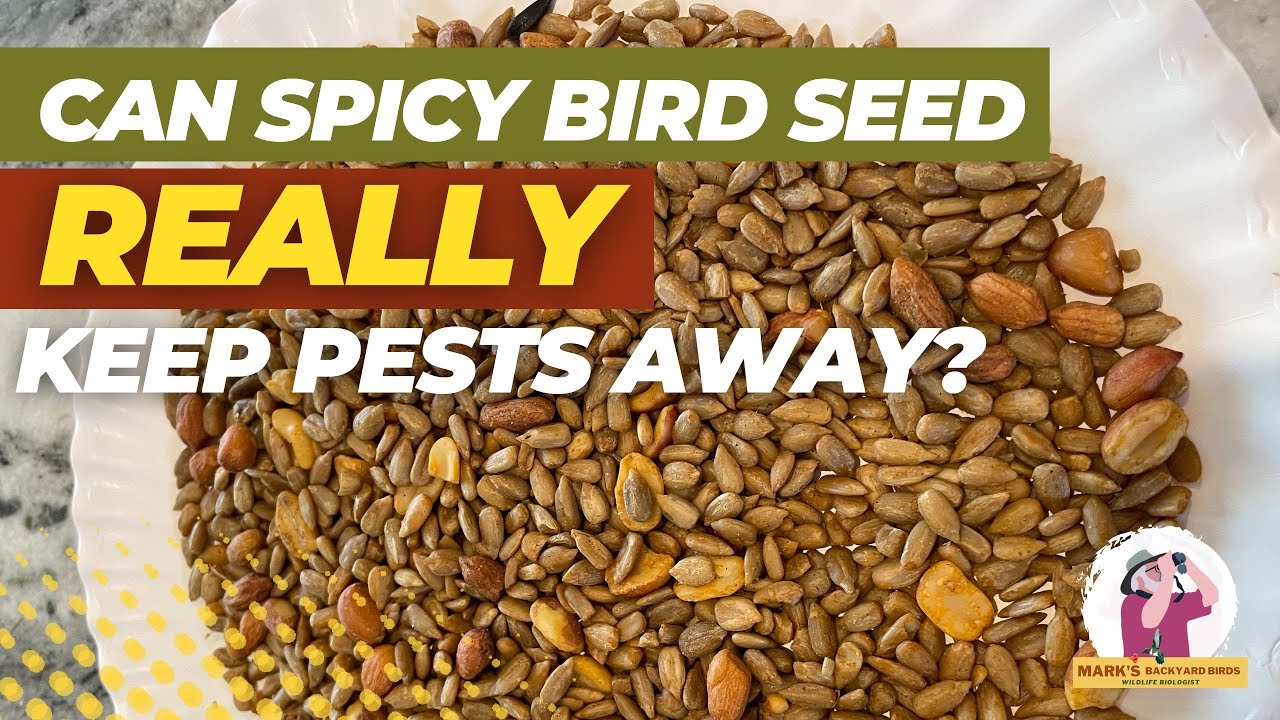
Hot pepper bird seed keeps squirrels and other pests away from bird feeders. It lets birds eat without disturbance.
The spicy pepper does not harm birds. It only stops animals that dislike spicy food from eating the seed.
Benefits Of Natural Repellents
Natural repellents like hot pepper protect your bird seed without chemicals. They are safe for the environment.
Using natural repellents helps keep your garden healthy. They do not harm plants or soil.
- Safe for birds and plants
- Eco-friendly and biodegradable
- Reduces use of harmful pesticides
- Cost-effective and easy to use
How Hot Pepper Affects Birds
Birds have no taste buds for spicy heat. They can eat hot pepper seed without pain.
The pepper irritates mammals like squirrels. This stops them from stealing food meant for birds.
- Birds eat normally
- Mammals avoid the spicy seed
- Helps maintain a bird-friendly feeding area
Safety For Pets And Wildlife
Hot pepper seed is safe for most pets and wildlife. It only affects animals sensitive to spice.
Keep pet food separate from bird feeders to avoid accidental contact. Use hot pepper seed responsibly.
- Non-toxic to birds and wildlife
- Spicy taste deters squirrels and rodents
- Safe when used as directed
- Avoid direct contact with pet food
Gathering Ingredients
Making hot pepper bird seed is simple and fun. You need the right ingredients for best results.
This guide helps you pick good seeds, hot peppers, and other needed materials.
Choosing The Right Bird Seed
Bird seed is the main part of your mix. Pick seeds birds like and that hold spice well.
Sunflower seeds and safflower seeds work great. They are easy for birds to eat and carry flavor.
- Black oil sunflower seeds
- Safflower seeds
- Millet
- Cracked corn
Selecting Hot Peppers
Hot peppers keep squirrels away but do not harm birds. Choose spicy peppers for best effect.
Use dried or fresh hot peppers, ground or whole. Cayenne is popular and safe for birds.
- Cayenne pepper powder
- Dried chili flakes
- Fresh hot peppers (finely chopped)
Additional Materials Needed
You need some extra items to mix and store your hot pepper bird seed safely.
Mixing tools and airtight containers help keep the seed fresh and spicy.
- Large mixing bowl
- Measuring spoons
- Gloves to handle hot peppers
- Airtight storage container
- Spoon or spatula for stirring
Preparing The Hot Pepper Mix
Making hot pepper bird seed starts with preparing the pepper mix. The right preparation helps keep birds safe and pests away. This guide covers drying and grinding peppers, mixing them with bird seed, and adjusting the heat level.
Drying And Grinding Peppers
Start by drying the peppers well. Use fully ripe peppers for the best heat. Lay them out in a sunny spot or use a food dehydrator. Make sure they are completely dry to avoid mold.
Once dry, grind the peppers into a fine powder. Use a spice grinder or mortar and pestle. Wear gloves and avoid touching your face during this step to protect your skin and eyes from irritation.
Mixing Peppers With Bird Seed
Mix the ground pepper powder evenly with your bird seed. This helps spread the heat across all the seeds. Stir well to avoid clumps of pepper in the mix.
- Use a large bowl or container for mixing
- Add pepper powder gradually while stirring
- Mix until seeds are coated lightly and evenly
- Store the mix in a sealed container to keep it fresh
Adjusting Pepper Intensity
You can change the heat level by adjusting how much pepper powder you add. Start with a small amount and test how birds react. Increase or decrease the pepper to find the best balance.
| Heat Level | Amount of Pepper Powder per Cup of Seed |
| Mild | 1 teaspoon |
| Medium | 2 teaspoons |
| Hot | 1 tablespoon |
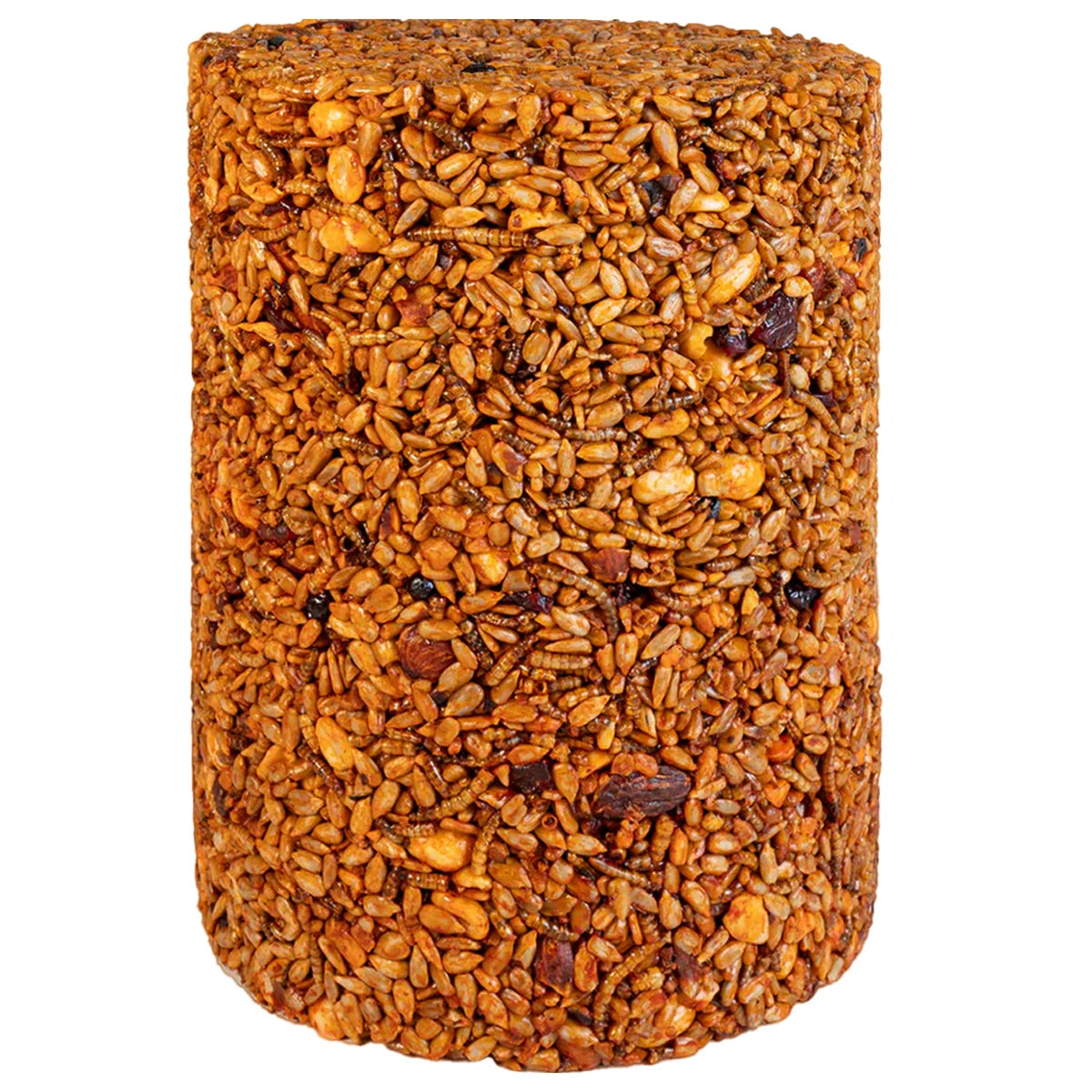
Credit: duncraft.com
Applying The Pepper Seed Mixture
Applying the hot pepper bird seed mixture correctly helps keep unwanted animals away. It also attracts the right birds to your feeder.
This guide explains where to place the mixture, how to spread it, and how often to reapply it for best results.
Best Locations For Placement
Choose spots that birds visit often but pests avoid. Place the mixture near bird feeders or perches.
- Near windows where birds like to feed
- On tree branches away from the ground
- Close to birdbaths or water sources
- Away from pet feeding areas
- In shaded areas to keep the seeds fresh
How To Spread The Seed
Spread the pepper seed mixture evenly to cover the feeding area well. Avoid clumps to ensure birds can feed easily.
| Method | Instructions |
| Hand Spreading | Use gloves to scatter seeds gently over the feeder or ground. |
| Spoon or Scoop | Use a small spoon to place seeds in tight spots or on perches. |
| Seed Tray | Fill a shallow tray to hold seeds in one place for easy access. |
| Sprinkler Bottle | Mix seeds with water and spray lightly to stick seeds on surfaces. |
Frequency Of Reapplication
Reapply the pepper seed mixture regularly to keep it effective. Weather and bird activity affect how often you need to add more.
- Check the feeder every 3 days for seed levels.
- Reapply after heavy rain or wind.
- Add fresh mixture weekly to maintain scent and taste.
- Clean feeding areas monthly to prevent mold and pests.
Tips For Maximizing Effectiveness
Using hot pepper bird seed helps keep unwanted birds away from your garden. To get the best results, follow some simple tips.
These tips will help you use hot pepper bird seed safely and effectively without harming other wildlife.
Combining With Other Repellents
Combine hot pepper bird seed with other natural repellents to boost protection. Using more than one method can keep birds away longer.
- Place reflective tape near your seed feeders
- Use motion-activated sprinklers to scare birds
- Hang fake predator decoys like owls or hawks
- Spray garlic or vinegar solutions on nearby plants
Monitoring Bird Activity
Watch how birds react to your hot pepper bird seed. Check often to see if birds avoid the area or return.
| Observation | Action |
| Birds avoid feeding area | Keep seed and repellents as is |
| Birds try to eat seed but leave quickly | Reapply hot pepper coating regularly |
| Birds ignore seed and feed normally | Increase repellent methods or change location |
Avoiding Common Mistakes
Many people make mistakes that reduce the effectiveness of hot pepper bird seed. Avoid these errors to get better results.
- Do not use too little hot pepper; birds may still eat the seed
- Avoid placing seed where pets or children can reach it
- Do not mix hot pepper seed with regular bird seed without coating
- Keep seed dry to maintain the hot pepper effect
- Refill seed containers often to keep supply fresh
Troubleshooting Common Issues
Making hot pepper bird seed can be simple, but some issues may arise. Knowing how to fix these problems helps you keep birds happy and safe.
This guide covers common problems like birds ignoring the seed, allergic reactions, and how to store your mix.
What To Do If Birds Ignore The Seed
If birds do not eat your hot pepper bird seed, try changing the recipe or placement. Birds may avoid the seed if it is too spicy or in a bad spot.
Try these tips to attract birds:
- Use milder hot pepper powder to reduce heat
- Mix the seed with some plain bird seed
- Place the feeder in a quiet, sheltered area
- Clean the feeder regularly to avoid old seed build-up
Handling Allergic Reactions
Hot pepper powder can cause allergies in people and pets. Always wear gloves and a mask when mixing the seed. Avoid touching your face.
If you or someone else has an allergic reaction, follow these steps:
- Wash the skin with soap and water
- Rinse eyes with clean water if irritated
- Move to fresh air if breathing feels hard
- Seek medical help if symptoms worsen
Storage And Shelf Life
Store your hot pepper bird seed in a cool, dry place. Use an airtight container to keep the seed fresh and safe from pests.
The seed mix usually lasts 3 to 6 months. Check for mold or bad smell before use. Throw away old seed to protect birds.
- Keep away from direct sunlight
- Use sealed containers to stop moisture
- Label the container with the date made
- Check seed quality before refilling feeders
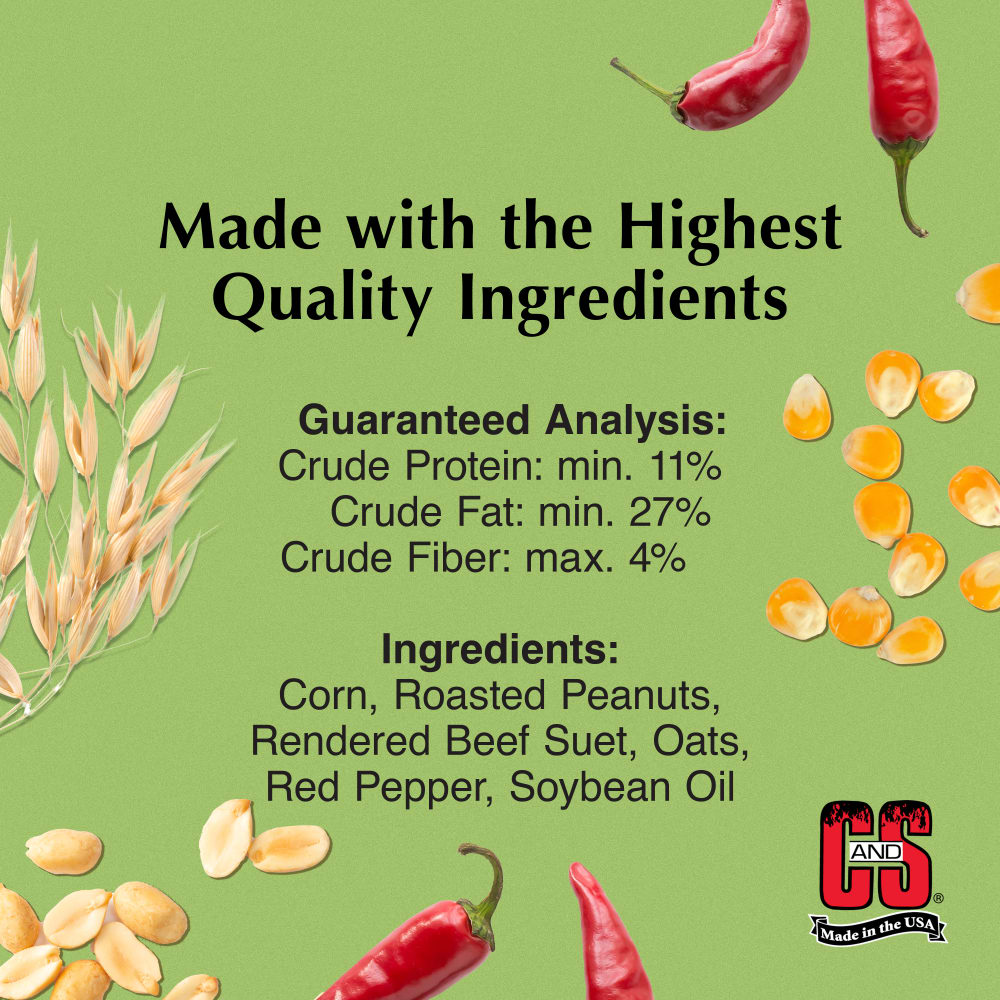
Credit: www.wildbirdsuets.com
Frequently Asked Questions
What Is This Spicy Bird Food?
This bird food is mixed with spicy pepper to deter squirrels and other pests. Birds are unaffected and can enjoy the nutritious seeds safely.
Why Add Spicy Peppers to Bird Seed?
Adding peppers keeps squirrels and other mammals away from feeders. Birds cannot taste the heat, making it an effective way to protect their food naturally.
Is It Safe for Birds?
Yes, birds can eat this spicy mix without harm. They lack receptors for the capsaicin in peppers, so it only deters pests while keeping birds well-fed.
How Can I Make This Bird Seed Mix at Home?
Mix your preferred bird seeds with a measured amount of cayenne pepper or chili powder. Stir well to coat the seeds evenly. Always wear gloves when handling the spice.
What Are the Benefits of Using Spicy Bird Food?
It helps prevent squirrels from raiding your feeders, keeps birds safe, and is eco-friendly. Plus, it’s easy to make with a few simple ingredients.
Conclusion
Making Spicy Bird Food seed helps protect feeders from squirrels. It keeps birds safe and happy while stopping pests. You only need a few simple ingredients to try it at home. This method saves money and is easy to do.
Keep your garden peaceful and enjoy watching birds visit. Give it a try and see the difference today. Small steps make a big change in your backyard. Enjoy birdwatching without unwanted visitors.