Are you tired of finding moths invading your bird seed? Those tiny pests can quickly ruin your carefully stored food and keep the birds away.
But don’t worry—getting rid of moths in your bird seed is easier than you think. You’ll discover simple, effective ways to protect your seed and keep it fresh. Keep reading, and you’ll learn how to stop moths from taking over, so your feathered friends stay happy and healthy.
Common Moth Types In Bird Seed
Moths can infest bird seed and cause damage. Knowing which moths attack bird seed helps with control.
Different moth species lay eggs in seed bags or feeders. The larvae feed on the seeds and create webbing.
Indian Meal Moth
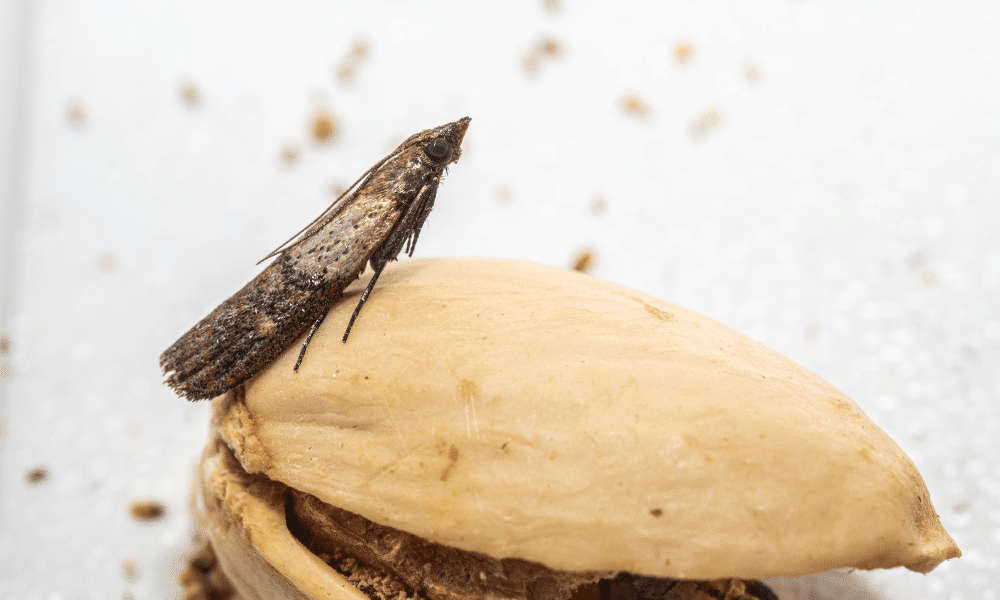
The Indian Meal Moth is a common pest in stored bird seed. It has a wingspan of about 16 to 20 mm.
Adults have a distinctive coppery color on the outer half of their forewings. Larvae are creamy white and feed on many types of seeds.
Mediterranean Flour Moth
This moth also attacks bird seed. It has gray wings with dark markings.
Its larvae feed on flour, grains, and seeds. The damage includes webbing and seed clumping.
Angoumois Grain Moth
The Angoumois Grain Moth is smaller, with a wingspan of 10 to 15 mm. It has pale yellow to brown wings with darker spots.
This moth lays eggs directly on stored seeds. The larvae tunnel inside the seeds, causing damage.
Comparison Of Common Moth Types
| Moth Type | Wingspan | Appearance | Feeding Habits |
| Indian Meal Moth | 16-20 mm | Coppery outer wing halves | Feeds on many seeds, webbing |
| Mediterranean Flour Moth | 14-18 mm | Gray wings with dark marks | Feeds on flour, grains, seeds |
| Angoumois Grain Moth | 10-15 mm | Pale yellow/brown with spots | Larvae tunnel inside seeds |

Credit: www.amazon.com
Why Moths Invade Bird Seed
Moths often invade bird seed because it provides a perfect environment for their larvae. The seeds offer food and shelter that moths need to grow.
Understanding why moths are attracted to bird seed can help prevent infestations and protect the food meant for birds.
Moisture In Bird Seed
Moths are drawn to bird seed that holds moisture. Damp seed creates an ideal place for moth eggs to hatch and larvae to thrive.
Warmth And Shelter
Bird seed stored in warm, dark places attracts moths. These conditions protect moths from predators and help them reproduce quickly.
Seed Quality And Freshness
Old or poor-quality seed invites moths because it is easier for larvae to digest. Fresh seed is less likely to attract moths.
| Moth Type | Appearance | Behavior |
| Indian Meal Moth | Gray with copper wings | Lays eggs in stored seeds |
| Angoumois Grain Moth | Light brown with narrow wings | Feeds on dry seeds and grains |
| Mediterranean Flour Moth | Silvery gray wings | Prefers stored dry food products |
How Bird Seed Storage Attracts Moths
- Plastic bags with holes let moths enter
- Open containers expose seed to moths
- Seed stored near light sources attracts moths
- Unsealed containers allow moths to lay eggs inside
Signs Of Moth Infestation
Moths in bird seed can cause damage and waste. Early detection helps stop the problem quickly.
Look for certain signs to know if moths have invaded your bird seed storage.
Webbing And Silk Threads
Moths often leave webbing or silk threads inside the bird seed container. These threads can cover the seeds or stick to the container walls.
Larvae And Small Caterpillars
Look closely for tiny larvae or caterpillars. They are cream-colored and may wiggle among the seeds.
Unpleasant Odor
A musty or sour smell can mean moth larvae are growing in the seed. Fresh seed usually has a neutral scent.
Damaged Or Clumped Seeds
Moths eat the bird seed, causing damage. Seeds may look chewed or stick together in clumps.
Visible Adult Moths
Adult moths fly near the seed container, especially in dim light. They are small and tan or brown in color.
- Check under lids and around storage areas for moths
- Inspect seeds weekly to catch infestations early
- Keep seed containers clean and sealed tightly
Proper Storage Techniques
Keeping bird seed safe from moths starts with how you store it. Proper storage stops moths from laying eggs in the seed.
Using the right containers and choosing the best place to keep your seed can make a big difference.
Sealed Containers
Store bird seed in airtight containers to keep moths out. These containers block moths and their eggs from entering.
- Use plastic or metal containers with tight lids.
- Check containers for cracks before use.
- Label containers with the date of purchase.
- Clean containers before refilling with fresh seed.
Cool, Dry Places
Store bird seed in cool, dry places to slow moth growth. Heat and moisture help moths hatch and grow faster.
| Storage Condition | Effect on Moths |
| Cool Temperature (50-70°F) | Slows moth development |
| Warm Temperature (above 80°F) | Speeds up moth growth |
| Dry Environment (low humidity) | Prevents mold and moth eggs |
| Moist Environment (high humidity) | Encourages moth hatching |
Cleaning And Disposal Methods
Moths in bird seed can cause damage and waste. Cleaning and disposing of infested seed helps stop moths from spreading.
This guide explains how to remove infested seed and clean storage areas to keep bird seed fresh and safe.
Removing Infested Seed
Check all bird seed for moths or larvae. Throw away any seed that shows signs of infestation.
Place the infested seed in a sealed plastic bag. Dispose of it in an outdoor trash bin to prevent moths from returning.
- Look for webbing, larvae, or clumped seed
- Do not keep infested seed near clean seed
- Seal infested seed tightly before disposal
- Remove trash regularly to avoid moth return
Cleaning Storage Areas
Empty all seed containers before cleaning. Sweep or vacuum the storage area to remove all seed debris.
Use soapy water to wipe down shelves and containers. Dry everything fully before adding new seed to stop moths from growing.
- Remove all seed and debris
- Sweep or vacuum cracks and corners
- Wash surfaces with warm, soapy water
- Let area dry completely before refilling

Credit: drkilligans.com
Natural Repellents For Moths
Moths can ruin bird seed by eating it and laying eggs. Using natural repellents helps keep moths away safely.
Natural options avoid chemicals that might harm birds or the environment. Two common repellents are bay leaves and cedar chips.
Bay Leaves
Bay leaves have a strong smell that moths dislike. Placing them in bird seed containers keeps moths away.
Replace bay leaves every few weeks to keep the scent fresh. This simple method helps protect the seeds naturally.
- Use dry bay leaves only
- Put leaves inside seed storage
- Check leaves regularly and replace
Cedar Chips
Cedar chips release natural oils that moths do not like. Adding these chips near seed storage stops moths from coming.
Cedar also absorbs moisture, which helps keep bird seed dry and fresh. Use a small bag or loose chips around your seeds.
- Place cedar chips around seed containers
- Use fresh or lightly sanded chips for best scent
- Avoid direct contact with bird seed
Using Moth Traps
Moths can ruin bird seed by eating it and laying eggs. Using moth traps helps catch moths before they cause damage.
Moth traps attract moths with light or scent. They trap moths safely and reduce their numbers around your bird seed.
How Moth Traps Work
Moth traps use light or pheromones to lure moths. When moths enter, they get stuck on sticky surfaces or trapped inside.
Where To Place Moth Traps
Place traps near bird seed storage or feeders. Keep them away from direct sunlight and rain for best results.
- Near bird seed containers
- Close to bird feeders
- In dark corners or sheds
- Away from windows and strong lights
Types Of Moth Traps
| Trap Type | How It Works | Best Use |
| Light Trap | Uses UV light to attract moths | Indoor or covered areas |
| Pheromone Trap | Uses moth scent to lure males | Near seed storage |
| Sticky Trap | Moths stick to glue surface | Anywhere moths appear |
Tips For Using Moth Traps Effectively
- Change traps regularly to keep them sticky or fresh.
- Check traps weekly for trapped moths.
- Combine traps with proper seed storage.
- Clean the area around traps to remove moth eggs.
Preventive Measures To Avoid Moths
Moths can infest bird seed and cause problems. Preventing moths helps keep seed fresh and safe for birds.
Simple steps can stop moths from laying eggs in your bird seed. Keep moths away with regular care.
Regular Inspection
Check your bird seed often for signs of moths or larvae. Early detection stops infestations.
Look for webbing, holes, or clumps in the seed. Clean containers regularly to remove eggs.
- Open seed bags carefully and inspect inside
- Check storage containers every week
- Remove any old or damp seed
- Clean feeders and storage bins often
Buying Fresh Seed
Buy bird seed in small amounts to use it quickly. Fresh seed is less likely to have moths.
Choose seed from reliable stores with good turnover. Avoid old or dusty seed bags.
- Check the packaging date on seed bags
- Buy seed in sealed containers or bags
- Store seed in cool, dry places
- Use seed within a few weeks of purchase

Credit: www.amazon.com
Frequently Asked Questions
How Do Moths Infest Bird Seed?
Moths lay eggs in bird seed, which hatch into larvae. These larvae feed on the seeds, causing infestation and damage.
What Natural Methods Remove Moths From Bird Seed?
Store seed in airtight containers and freeze for 48 hours. Use bay leaves or cloves nearby to repel moths naturally.
Can Moth Traps Help With Bird Seed Infestation?
Yes, pheromone traps attract and capture adult moths. This reduces breeding and limits further seed contamination effectively.
How Often Should Bird Seed Be Cleaned To Prevent Moths?
Clean bird feeders and storage areas weekly. Regular cleaning stops moth eggs and larvae from building up.
Conclusion
Eliminating moths from bird seed is crucial for healthy birds. Regular cleaning helps prevent infestations. Airtight containers protect your seeds from moths. Consider adding natural repellents like bay leaves. They deter moths without harmful chemicals. Inspect your seed storage often.
Look for signs of infestation early. Quick action stops moths from spreading. Proper storage keeps seeds fresh and safe. Following these steps ensures a moth-free environment. Happy and healthy birds are the result. Consistent effort leads to long-term success. Enjoy watching your birds thrive with clean, moth-free seed.