Choosing the right bird seed can feel confusing. You want to attract colorful birds to your yard, but with so many options, where do you start?
The truth is, picking the perfect seed mix makes all the difference. When you get it right, your garden becomes a lively, beautiful space full of chirping visitors. Keep reading, and you’ll discover simple tips that help you choose bird seed like a pro—so your feathered friends keep coming back for more.

Credit: www.allaboutbirds.org
Types Of Bird Seed
Choosing the right bird seed helps attract different birds to your yard. Each seed type suits certain birds and offers unique benefits.
Knowing the types of seeds can help you feed birds better. This guide explains common seeds and what birds like.
Common Seed Varieties
Bird seed comes in many types. Some popular seeds include sunflower, millet, safflower, and nyjer. Each seed has a different size, color, and taste.
- Black oil sunflower seed: favored by many birds, easy to crack
- White proso millet: small, liked by ground-feeding birds
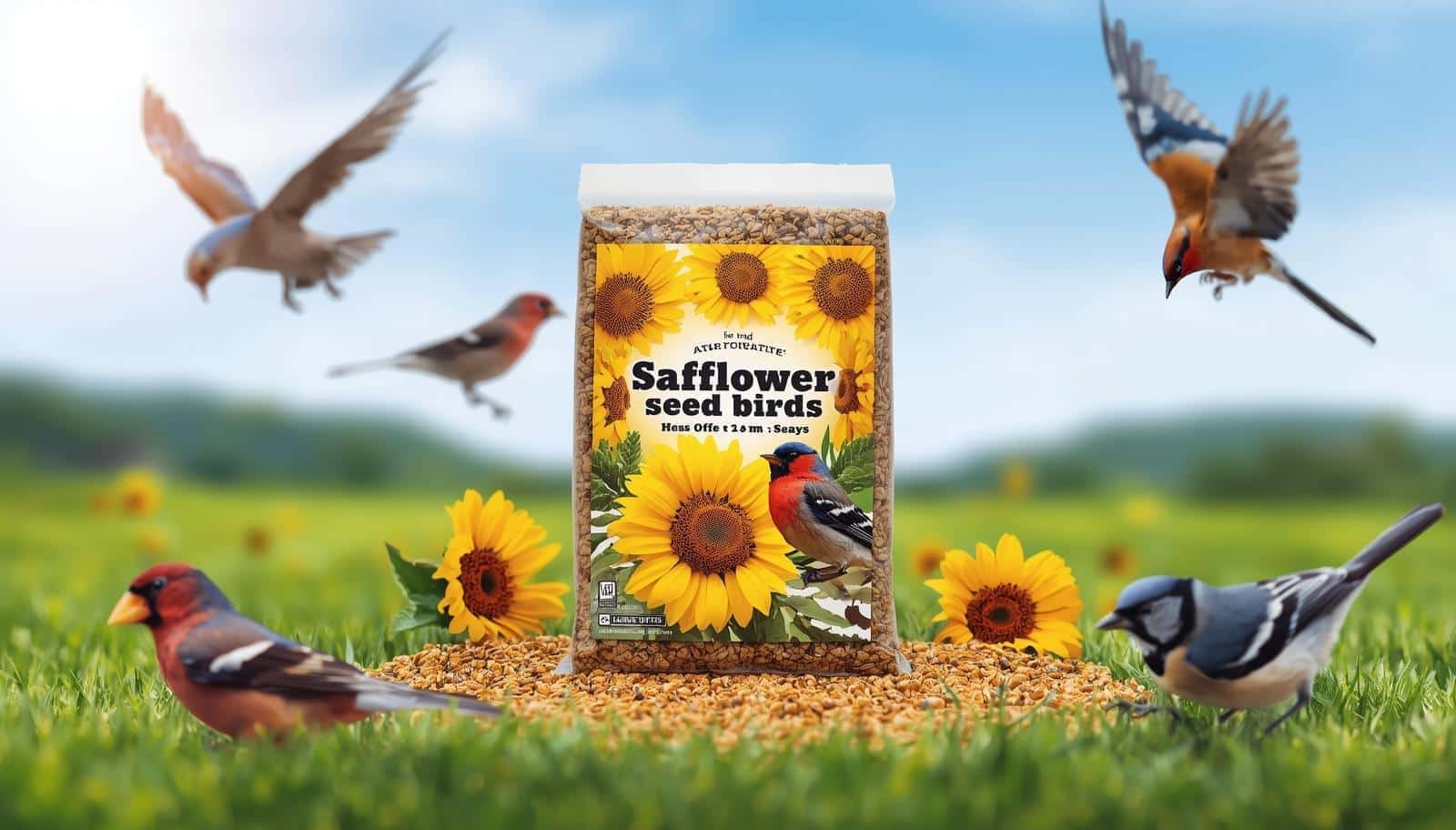
- Safflower seed: bitter taste, good for squirrels' control
- Nyjer (thistle) seed: tiny, preferred by finches
- Cracked corn: attracts larger birds like pigeons and doves
Nutritional Benefits
Different seeds provide various nutrients. These include fats, proteins, and carbohydrates. Seeds give birds energy and help them stay healthy.
High-fat seeds like sunflower help birds during cold weather. Protein-rich seeds support growth and feather development. Seeds also supply essential vitamins and minerals.
- Black oil sunflower: high fat and protein
- Millet: rich in carbohydrates for energy
- Safflower: good source of fiber and fat
- Nyjer: rich in oil and protein
- Cracked corn: high in carbohydrates
Seed Preferences By Bird Species
Different birds like different seeds. Small birds prefer tiny seeds while bigger birds choose larger seeds. Knowing this helps attract certain species.
For example, finches enjoy nyjer, while cardinals like safflower. Sparrows and doves often eat millet and cracked corn. Black oil sunflower attracts many birds.
| Bird Species | Preferred Seeds |
|---|---|
| Finches | Nyjer (thistle) |
| Sparrows | Millet, cracked corn |
| Cardinals | Safflower, sunflower |
| Woodpeckers | Sunflower, peanuts |
| Doves | Millet, cracked corn |

Credit: www.allaboutbirds.org
Factors To Consider
Choosing the right bird seed helps attract and feed birds safely. Different birds prefer different seeds. Also, seasons change bird feeding habits.
Picking fresh, quality seed keeps birds healthy. Below are key points to help you select the best bird seed.
Bird Species In Your Area
Identify common birds around your home. Each bird likes certain seeds. For example, finches enjoy nyjer seed, while cardinals prefer sunflower seeds.
- Sparrows eat millet and cracked corn
- Woodpeckers like suet and peanuts
- Blue jays prefer peanuts and sunflower seeds
- Chickadees enjoy sunflower seeds and suet
Seasonal Changes
Bird feeding needs change with the seasons. In winter, birds need high-energy seeds to stay warm. In spring and summer, they eat more insects and fruits.
| Season | Seed Type | Reason |
| Winter | Sunflower, Nyjer, Suet | High energy to keep warm |
| Spring | Mixed seeds, Fruits | Supports nesting and breeding |
| Summer | Insects, Fruits | Natural diet preference |
| Fall | Seeds, Nuts | Build fat for migration |
Seed Freshness And Quality
Fresh seed attracts more birds and prevents illness. Old or moldy seed can harm birds. Always check the seed before buying or feeding.
- Buy seed in small amounts to keep it fresh
- Store seed in a cool, dry place
- Avoid seed with dust or mold
- Look for clear packaging to check seed quality
Mixes Vs. Single Seeds
Choosing the right bird seed helps attract the birds you want. You can pick from seed mixes or single seed types. Each option has its own uses and benefits.
Understanding the differences can help you feed birds better. This guide looks at seed mixes and single seeds.
Advantages Of Seed Mixes
Seed mixes contain many types of seeds in one bag. They offer variety for different bird species. Mixes often attract more birds to your feeder.
- Attracts many bird types
- Provides a balanced diet
- Easy to buy and store
- Good for beginners
- Reduces waste by offering multiple seeds
Benefits Of Single Seed Types
Single seed types let you feed specific birds. You can choose seeds that your favorite birds like most. This helps support their health and habits.
| Seed Type | Best For | Birds Attracted |
| Black Oil Sunflower | High energy | Cardinals, Chickadees, Finches |
| Nyjer (Thistle) | Small-beaked birds | Finches, Siskins |
| Safflower | Less messy | Cardinals, Grosbeaks |
| Millet | Ground feeders | Doves, Sparrows, Juncos |
Customizing Your Seed Blend
Mix your own seed blends to meet local bird needs. You control what seeds go in. This way, you can attract specific birds while reducing waste.
Try this simple blend for a balanced mix:
- 50% Black Oil Sunflower
- 20% Millet
- 15% Safflower
- 15% Nyjer
Adjust percentages to suit your local birds and seasons.

Credit: www.allaboutbirds.org
Avoiding Harmful Seeds
Choosing the right bird seed helps keep your birds safe and healthy. Some seeds can harm birds or cause illness. Learning which seeds to avoid protects your feathered friends.
This guide explains which seeds to skip, the risks they pose, and safer options you can offer instead.
Seeds To Skip
- Apple seeds
- Cherry pits
- Avocado pits and skins
- Raw kidney beans
- Unhulled buckwheat
These seeds contain toxins or hard shells that birds cannot digest. Avoid feeding them to prevent choking or poisoning.
Potential Health Risks
| Seed Type | Risk | Effect on Birds |
| Apple seeds | Contains cyanide | Poisoning, breathing problems |
| Cherry pits | Cyanide and hard shell | Poisoning, choking |
| Avocado pits and skins | Persin toxin | Heart damage, death |
| Raw kidney beans | Phytohemagglutinin toxin | Digestive upset, vomiting |
| Unhulled buckwheat | Hard to digest | Digestive blockage, choking |
Safe Alternatives
- Sunflower seeds (hulled)
- Millet
- Safflower seeds
- Cracked corn
- Thistle (nyjer) seeds
These seeds provide good nutrition without risks. They are easy to digest and popular with many bird species.
Buying And Storing Seed
Choosing the right bird seed is important for feeding wild birds. Good seed keeps birds healthy and happy.
Buying from trusted sources and storing seed well helps keep it fresh and safe from damage.
Choosing Reliable Suppliers
Buy bird seed from stores or brands that sell fresh, clean seed. Check if the supplier has good reviews.
Look for seed that is free from dust and debris. Avoid seed with broken shells or mold spots.
- Choose suppliers with clear packaging dates
- Pick seed that matches the birds you want to feed
- Ask about seed origin and quality checks
Proper Storage Techniques
Store bird seed in a cool, dry place to keep it fresh longer. Avoid areas with high heat or humidity.
Use airtight containers to protect seed from air and moisture. This also helps keep pests away.
- Plastic or metal containers with tight lids work best
- Keep seed off the ground to prevent dampness
- Store smaller amounts to use seed before it gets old
Preventing Mold And Pests
Mold grows on wet seed and can harm birds. Check seed often for signs of mold or smell changes.
Keep seed containers sealed to stop pests like rodents and insects. Clean storage areas regularly.
- Discard seed that smells musty or looks fuzzy
- Use mesh or screens to keep bugs out
- Clean feeders and storage bins often to avoid contamination
Feeding Tips For Happy Birds
Choosing the right bird seed helps keep birds healthy and active. Good feeding habits make birds visit often.
Learn how to pick seed and feed birds to enjoy watching them.
Best Feeding Practices
Offer fresh seed and clean feeders regularly. Avoid old or moldy seed to protect birds.
Keep feeding times consistent so birds know when to visit. Provide water near feeders for drinking and bathing.
- Use seed mixes suitable for local birds
- Remove wet or spoiled seed quickly
- Clean feeders every two weeks
- Feed birds year-round for best results
Feeder Types And Placement
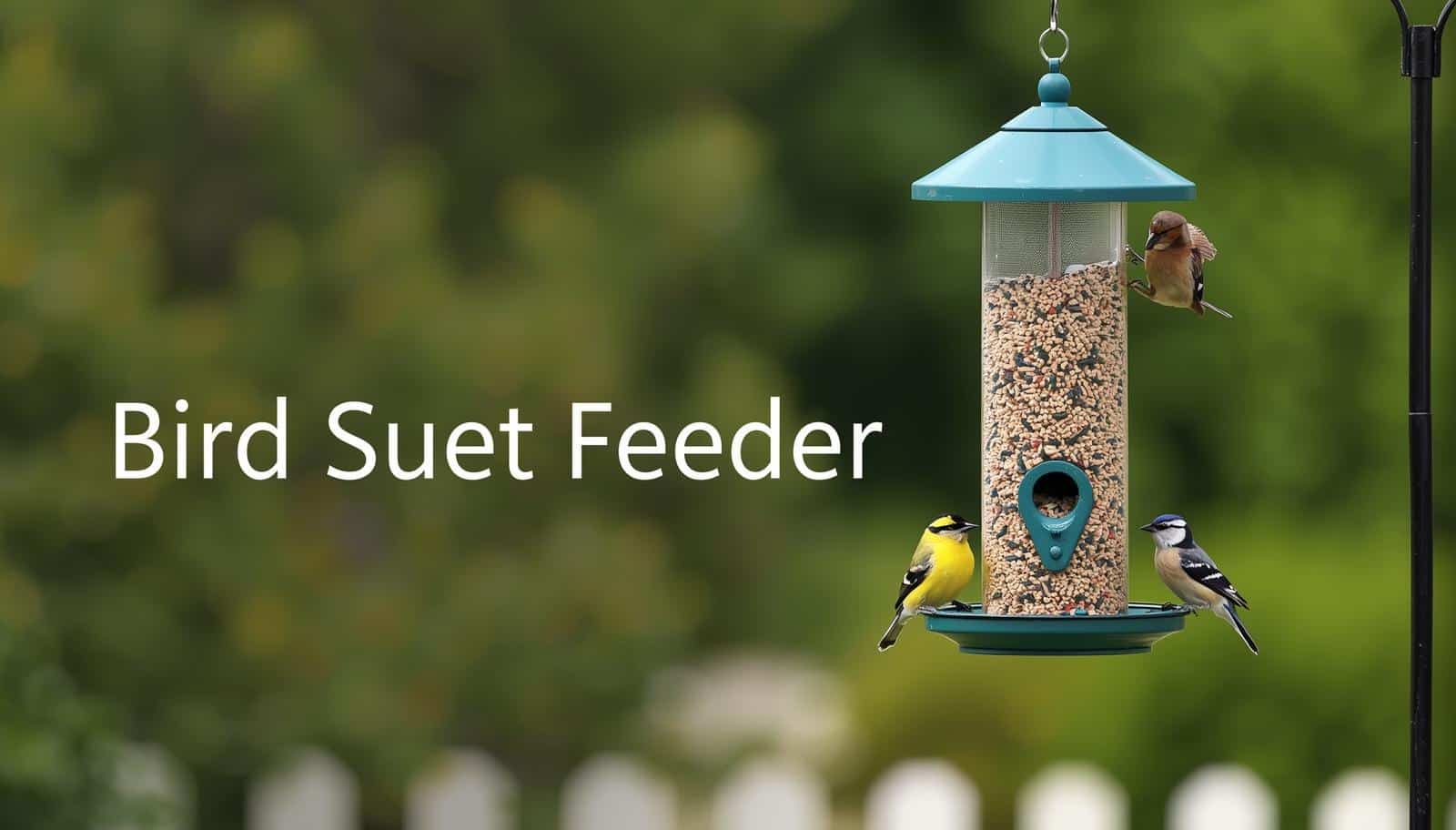
Choose feeders that match the seed you offer and the birds you want. Tube feeders work well for small seeds.
Place feeders where birds feel safe, like near shrubs or trees. Avoid areas with heavy wind or direct sun.
- Hopper feeders hold large seed amounts
- Platform feeders attract ground-feeding birds
- Nyjer feeders are for finches and small birds
- Keep feeders 5 feet off the ground to deter predators
Monitoring Bird Health
Watch birds for signs of illness like fluffed feathers or unusual behavior. Healthy birds are active and alert.
Clean feeding areas often to prevent disease spread. Remove sick birds' food and contact wildlife experts if needed.
- Look for clear eyes and smooth feathers
- Check for droppings that are too watery or discolored
- Disinfect feeders regularly to stop germs
- Keep seed dry and fresh to avoid mold
Frequently Asked Questions
What Types Of Bird Seed Attract Common Backyard Birds?
Sunflower seeds, millet, and nyjer seeds attract many backyard birds. Black oil sunflower seeds are versatile and preferred by most species. Millet is great for ground-feeding birds. Nyjer seed specifically attracts finches and smaller birds.
How To Choose Bird Seed For Specific Bird Species?
Identify the bird species you want to attract first. Research their preferred seed types. For example, cardinals love sunflower seeds, while sparrows prefer millet. Choosing the right seed ensures better bird visits and feeding.
Can Mixed Bird Seed Attract More Bird Varieties?
Yes, mixed bird seed blends attract a wider variety of birds. Ensure the mix contains seeds like sunflower, millet, and cracked corn. Avoid cheap fillers like red millet that birds often discard. Quality blends increase bird diversity in your yard.
How To Store Bird Seed For Freshness?
Store bird seed in a cool, dry place inside airtight containers. Avoid moisture and direct sunlight to prevent mold and spoilage. Proper storage maintains seed quality and keeps birds healthy when feeding.
Conclusion
Choosing the right bird seed can seem tricky at first. But with a little knowledge, it becomes easier. Start by understanding your local birds' needs. Experiment with different seeds to see what they like. Also, consider your budget and the seed's availability.
Don't forget to check for quality and freshness. Fresh seeds attract more birds and keep them healthy. Enjoy watching your backyard come alive with chirping friends. Happy bird feeding!