
Have you ever wondered why bird seed seems to cost more than you expected? If you love feeding birds, you might feel frustrated when you see the price tag.
But there’s more to this story than just numbers on a label. Understanding why bird seed is so expensive can help you make smarter choices and get the best value for your money. Keep reading, and you’ll discover the surprising reasons behind the cost and how it affects your feathered friends.
Rising Costs Of Raw Materials
The price of bird seed is going up because raw materials cost more. This change affects farmers, suppliers, and buyers.
Understanding why prices rise helps explain why bird seed costs have grown. Several key factors play a role.
Impact Of Crop Prices
Crop prices affect the cost of seeds used in bird seed mixes. When crop prices go up, seed costs rise too.
| Crop | Price Increase (%) |
| Sunflower Seeds | 15% |
| Millet | 10% |
| Safflower | 12% |
| Cracked Corn | 8% |
Effects Of Weather And Climate
Bad weather harms crop growth and lowers seed supply. This makes seeds harder to find and more expensive.
- Drought reduces crop yields significantly
- Floods can destroy seed crops
- Unusual temperatures stress plants
- Storms damage farmland and equipment
Supply Chain Disruptions
Delays in shipping and higher transport costs raise seed prices. Factories and warehouses also face challenges.
- Fuel price increases add to transport costs
- Port delays slow down seed shipments
- Labor shortages affect packaging and delivery
- Global demand shifts cause supply gaps
Quality And Variety Of Seeds
Bird seed costs more because of the quality and variety it offers. Different seeds serve different bird types.
High-quality seeds attract more birds and keep them healthy. This raises the price for consumers.
Premium Seed Types
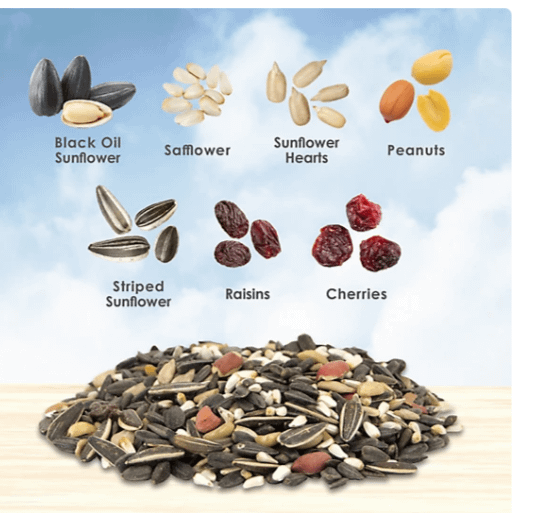
Premium seeds like sunflower, safflower, and nyjer are popular but costly. These seeds are chosen for their high energy content.
They are cleaned and sorted to ensure no waste. This process adds to the final price.
- Sunflower seeds attract many bird species
- Safflower seeds resist squirrels
- Nyjer seeds feed finches and small birds
Nutritional Benefits
Bird seeds provide essential fats, proteins, and vitamins. Good nutrition keeps birds strong and active.
Higher-quality seeds have better nutrition. This helps birds survive harsh weather and breed well.
- Fats give energy for flight and warmth
- Proteins support growth and feather health
- Vitamins boost immune systems
Seed Sourcing Challenges
Many bird seeds come from specific regions. Growing these seeds needs the right climate and soil.
Weather issues and pests reduce seed supplies. Transporting seeds safely also adds to the cost.
- Limited growing areas for some seeds
- Crop failures affect availability
- Shipping and storage require care
Production And Processing Expenses
Bird seed costs more than many expect. The price reflects many steps from farm to bag. These steps ensure quality and safety for birds.
Understanding these costs helps explain why bird seed is not cheap. Production and processing require care and resources.
Cleaning And Sorting Processes
Raw seeds must be cleaned and sorted before packaging. This removes dirt, stones, and broken seeds. Machines and manual labor work together for this task.
- Seeds go through air blowers to remove light debris
- Magnets remove metal pieces
- Sorting machines separate seeds by size and weight
- Workers inspect seeds for quality
Packaging Innovations
Packaging protects seeds during transport and storage. It must keep seeds fresh and dry. Modern packaging uses special materials and designs.
| Packaging Type | Benefit | Cost Factor |
| Plastic Bags | Lightweight and moisture-resistant | Moderate cost |
| Paper Bags with Liners | Eco-friendly and breathable | Higher cost due to materials |
| Resealable Bags | Convenient for users | More expensive due to added features |
Labor And Equipment Costs
Workers operate machines and manage production. Skilled labor is needed to keep quality high. Equipment costs include buying and maintaining machines.
| Expense | Description | Impact on Price |
| Labor | Salary for workers and supervisors | High |
| Equipment | Cost to buy and repair machines | Medium |
| Energy | Electricity and fuel for machines | Medium |

Credit: www.reddit.com
Distribution And Retail Markups
Bird seed prices are affected by costs beyond just production. Distribution and retail markups play a big role in the final price you pay.
Understanding these factors helps explain why bird seed can seem expensive at times.
Transportation Costs
Transporting bird seed from farms to stores adds to the price. Fuel prices, distance, and handling all increase costs.
- Fuel price changes affect shipping expenses
- Long distances require more fuel and time
- Special packaging for seed adds to weight and cost
- Delays in transport can increase storage costs
Retail Pricing Strategies
Retailers set prices based on many factors. They add markups to cover rent, staff, and other expenses.
| Cost Factor | Effect on Price |
| Store Rent | Increases price to cover rent |
| Staff Salaries | Added to product markup |
| Marketing | Costs included in price |
| Profit Margin | Retailers add percentage to earn profit |
Impact Of Demand Fluctuations
Demand for bird seed changes with seasons and trends. When demand rises, prices often increase too.
Examples of demand effects:
- More bird watchers in spring raise demand
- Cold winters increase seed use for wild birds
- Low demand seasons may cause price drops
Environmental And Regulatory Factors
Bird seed prices have risen due to many environmental and regulatory reasons. These factors affect how bird seed is grown and sold.
Understanding these reasons helps explain why bird seed is more costly than before.
Sustainability Practices
Farmers use sustainability practices to protect the land and wildlife. These methods can cost more but help keep nature safe.
Using less water and avoiding harmful chemicals are common sustainability steps. These practices keep soil healthy for future crops.
- Crop rotation to maintain soil health
- Organic fertilizers instead of chemicals
- Water-saving irrigation techniques
- Protecting habitats for birds and insects
Government Regulations
Governments create rules to ensure bird seed is safe and grown responsibly. These rules can increase the cost of growing and selling seed.
Companies must follow laws about pesticide use and seed labeling. They also pay fees for inspections and certifications.
- Limits on pesticide and chemical use
- Seed quality and safety standards
- Environmental impact assessments
- Inspection and certification costs
Pest And Disease Control
Pests and diseases can damage bird seed crops. Farmers spend money to protect their crops and keep seed quality high.
Using safe pesticides and crop management methods helps reduce losses but adds to the cost of production.
- Regular crop monitoring
- Use of approved pesticides
- Integrated pest management techniques
- Removing infected plants quickly

Credit: www.reddit.com
Consumer Trends And Market Demand
Bird seed prices have increased due to changes in consumer habits and market needs. More people now feed birds as a hobby and to support nature.
This growing interest affects how much seed is bought and when. It also influences the types of seed that are popular in the market.
Rise In Bird Feeding Popularity
More people enjoy watching birds at home. Feeding birds has become a common activity for families and individuals. This trend raises demand for bird seed all year round.
- Bird feeding helps people connect with nature.
- It is a relaxing pastime for many.
- People share their bird feeding experiences on social media.
- Wildlife enthusiasts promote feeding to support birds.
Seasonal Demand Variations
Demand for bird seed changes with the seasons. Cold months see higher sales because birds need extra food. Spring and summer show less demand as natural food is more available.
| Season | Demand Level | Reason |
| Winter | High | Birds need extra energy to stay warm. |
| Spring | Medium | Birds find food naturally during nesting. |
| Summer | Low | Natural food sources are abundant. |
| Fall | Medium | Birds prepare for migration and need more food. |
Influence Of Wildlife Conservation
Conservation efforts raise awareness about feeding birds properly. People buy special seed blends that help bird health. This pushes prices higher due to quality and demand.
Popular seed types for conservation:
- Black oil sunflower seeds for energy
- Nyjer seeds for finches
- Safflower seeds for cardinals and grosbeaks

Credit: www.amazon.ca
Frequently Asked Questions
Why Is Bird Seed More Expensive Than Other Pet Food?
Bird seed costs more due to specialized ingredients and sourcing. Quality seeds require careful harvesting and processing. Packaging and transportation add to the overall price. Demand for rare or organic seeds also raises costs.
Does Seed Quality Affect Bird Seed Prices?
Yes, higher quality seeds are costlier to produce. Premium seeds undergo strict quality checks for freshness and nutrition. Organic and non-GMO seeds cost more due to sustainable farming. Better quality attracts more birds, justifying the price.
How Does Packaging Impact Bird Seed Cost?
Packaging protects seeds from moisture, pests, and spoilage. Durable, eco-friendly packaging increases production costs. Smaller packages often cost more per weight. Packaging design and labeling also add to the final price.
Are Rare Bird Seeds Pricier To Buy?
Rare seeds are more expensive due to limited supply. They require special cultivation and harvesting methods. Importing exotic seeds raises transportation costs. Bird enthusiasts pay more for unique seed blends.
Conclusion
Bird seed prices reflect various factors. Quality ingredients and production costs influence pricing. Suppliers face challenges like weather and transportation issues. These affect seed availability and costs. Consumer demand also plays a role in setting prices. Choosing the right seed can support bird health and attract diverse species.
Understanding these factors helps make better purchasing decisions. It’s important to weigh quality against cost. With this knowledge, buying bird seed becomes more informed. Supporting local or sustainable brands can make a difference too. Happy bird watching!



