Bird Nest Citizen Science: How Everyday Observers Help Protect Birds and Habitats
Have you ever wondered what goes on inside a bird’s nest? Imagine being able to watch nature’s most delicate moments unfold, all while helping real scientists learn about our feathered friends.
Bird Nest Citizen Science gives you that chance. By simply observing and sharing what you see, you become part of a global effort to protect birds and their habitats. This is your invitation to connect with nature like never before—and make a difference.
Keep reading to find out how easy and exciting it can be to join this amazing community.
Bird Nest Citizen Science
Bird Nest Citizen Science involves everyday people helping scientists study birds. Volunteers watch and record information about bird nests.
This work helps researchers learn more about bird habits and how to protect them.

What Is Bird Nest Citizen Science
Bird Nest Citizen Science is a project where volunteers find and watch bird nests. They note details like the number of eggs and chicks.
Volunteers share this data with scientists to help track bird health and population changes over time.
Importance For Wildlife Conservation
Data from bird nest watchers helps protect bird species. It shows which birds need more help to survive.
Scientists use this information to create better rules for wildlife protection and habitat care.
- Tracks bird population trends
- Identifies threats to birds and nests
- Supports habitat preservation efforts
How To Get Involved
You can join Bird Nest Citizen Science by observing nests in your area. Note the number of eggs or baby birds you see.
Record your findings and submit them to local or online bird monitoring groups to help scientists.
- Learn to identify local bird species
- Find nests carefully without disturbing birds
- Use simple forms or apps to send your data
- Share your observations regularly
Discovering Bird Nests
Finding bird nests is an exciting way to learn about nature. It helps scientists and bird lovers watch birds safely.
Knowing where and how to find nests makes the search easier. This guide shows common places, nest types, and useful tools.
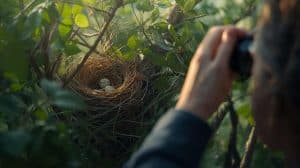
Common Nesting Sites
Birds build nests in many places. They pick spots that protect their eggs and young chicks from danger.
- Tree branches or forks
- Dense shrubs and bushes
- Under roof eaves or ledges
- Ground hidden by grass or leaves
- Inside hollow logs or cavities
Identifying Different Bird Nests
Bird nests vary in shape, size, and material. Recognizing them helps identify the bird species nearby.
| Type of Nest | Description | Common Birds |
| Cup Nest | Small, round, woven with twigs and leaves | Robins, Sparrows |
| Platform Nest | Flat and large, built with sticks | Ravens, Hawks |
| Burrow Nest | Made in holes underground or in banks | Kingfishers, Puffins |
| Pendant Nest | Hanging, pouch-like structure | Orioles, Weavers |
Tools For Nest Discovery
Using the right tools makes nest finding safe and fun. Always observe nests without disturbing birds.
- Binoculars to see nests from a distance
- Field guides to identify birds and nests
- Notebook to record nest locations and details
- Camera to document nests carefully
- Mobile apps for bird watching and data logging
Tracking Nest Activity
Tracking bird nest activity helps us learn about bird behavior and their environment. Citizen scientists play a big role in watching nests carefully.
By recording data over time, we can see patterns in nesting and help protect birds. This guide explains how to track nest activity step-by-step.
Recording Nest Observations
Watch the nest often but stay quiet and still. Note changes like eggs, chicks, or parent birds coming and going.
Write down the date, time, and what you see. Use a notebook or a simple form to keep your notes organized.
- Check for eggs or hatchlings
- Note parent bird visits
- Record any unusual behavior
- Keep track of weather conditions
Monitoring Nest Success
Monitor nest success by counting how many eggs hatch and how many chicks grow up. This shows if the nest is healthy.
Look for signs of predators or damage to the nest. This information helps scientists understand threats to birds.
- Count eggs laid and hatched
- Track chick growth stages
- Watch for nest damage
- Note any predator visits
Using Apps And Online Platforms
Many apps help you record nest data easily. You can upload photos and notes from your phone or computer.
Online platforms connect citizen scientists worldwide. Sharing data helps build a big picture of bird nesting trends.
- Use apps to log observations quickly
- Upload photos to confirm sightings
- Join online groups to share results
- Help scientists with large data sets
Protecting Birds And Their Nests
Bird nests are important homes for baby birds. Protecting these nests helps keep bird populations safe. Citizen science lets people watch and learn about nests.
By joining citizen science projects, you can help protect birds and their nests. Simple actions can make a big difference for bird survival.
Threats To Bird Nests
Bird nests face many dangers from nature and people. Predators like snakes and raccoons can eat eggs or chicks. Bad weather can also destroy nests.
Human activities like cutting trees or building near nests cause problems. Pollution and litter can harm birds and their homes.
- Predators eating eggs or chicks
- Strong storms damaging nests
- Tree cutting and habitat loss
- Pollution and trash near nests
- Disturbance from people and pets
Best Practices For Nest Protection
Watch nests from a distance to avoid scaring birds. Do not touch or move nests or eggs. Protect nesting areas by keeping pets away.
Plant native trees and shrubs to create safe places for birds. Remove trash and avoid using chemicals near nests. Report damaged nests to local experts.
- Observe nests quietly and from afar
- Do not touch nests or eggs
- Keep pets and children away
- Plant trees and shrubs for shelter
- Keep nesting areas clean and chemical-free
Community Efforts And Education
Communities can work together to protect bird nests. Schools and groups can teach people about birds and their needs. Citizen science projects help track birds and nests.
Sharing knowledge helps more people care for birds. Local events and workshops can inspire actions to save nests. Everyone can join in to protect bird homes.
- Organize bird watching groups
- Hold talks and workshops about bird care
- Join citizen science nest monitoring
- Share information on social media
- Encourage safe backyard habitats
Benefits Of Participating
Joining the Bird Nest Citizen Science project helps both nature and people. You can make a real difference by watching and recording bird nests.
This work supports science and brings many rewards for those involved.
Contributing To Scientific Research
Your observations provide valuable data to scientists. This information helps track bird populations and nesting habits over time.
By joining, you help create a large database that guides conservation efforts and study of the environment.
Enhancing Local Biodiversity
Watching bird nests helps protect many species in your area. Your reports can alert others to important habitats.
- Identify different bird species
- Spot changes in local bird numbers
- Help keep natural areas safe
- Support native plants and animals
Personal Rewards And Learning
Participating teaches you about birds and nature. You gain skills in observation and data collection.
| Benefit | Description |
| Knowledge | Learn about bird species and their behaviors |
| Connection | Feel closer to your local environment |
| Community | Meet others who love nature and science |
| Well-being | Enjoy time outdoors and reduce stress |

Frequently Asked Questions
What Is Bird Nest Citizen Science?
Bird nest citizen science involves volunteers monitoring and recording bird nests. It helps track bird populations and breeding patterns. Data collected supports conservation efforts and scientific research. Anyone can participate with basic training and proper tools. It fosters community engagement with local wildlife.
How Can I Participate In Bird Nest Citizen Science?
You can join local or online bird monitoring programs. Sign up with organizations that run nest observation projects. Follow their guidelines to record nest location, species, and activity. Use apps or websites to submit your data. Participation requires patience and respect for bird habitats.
Why Is Bird Nest Monitoring Important?
Nest monitoring provides vital data on bird reproduction and survival rates. It helps identify environmental threats and habitat changes. This information guides conservation strategies and policy decisions. Regular monitoring can detect trends in bird populations early. It supports biodiversity and ecosystem health.
What Tools Are Needed For Bird Nest Citizen Science?
Basic tools include a notebook or digital app, binoculars, and a camera. A GPS device helps record precise nest locations. Field guides assist with bird species identification. Some programs may provide specialized equipment or training. Safety and minimal disturbance to birds are essential.
Conclusion
Bird Nest Citizen Science offers exciting learning opportunities. Anyone can join and contribute. Observing nests helps understand bird behavior better. Citizen scientists gather valuable data. This data supports bird conservation efforts. Every observation counts. Your involvement can make a real difference.
Watch and learn from nature. Share your findings with the community. Engage with fellow bird enthusiasts. Together, we can protect bird habitats. Inspire others to join this movement. Enjoy the beauty of birds. Contribute to science. Explore the wonders of nature.
Bird Nest Citizen Science is an enriching experience for all ages.