Have you ever wondered if your feathered friends can eat too much bird seed? It’s natural to want to keep your backyard birds happy and well-fed.
But just like with people, too much of a good thing can cause problems. If you’re curious about how much bird seed is just right, and what happens when birds overindulge, you’re in the right place. Keep reading to discover the surprising facts about bird seed and your birds’ health.
Bird Seed And Bird Health
Bird seed is a common food for wild and pet birds. It provides energy and nutrients they need daily.
Feeding birds too much seed can cause health problems. It is important to understand bird seed and health.
Nutritional Value Of Bird Seed
Bird seed contains fats, proteins, and carbohydrates. These help birds stay active and healthy.
Seeds also have vitamins and minerals. These support birds’ immune systems and growth.
- Fats provide energy for flying and warmth
- Proteins help build muscles and feathers
- Carbohydrates give quick energy
- Vitamins and minerals keep birds strong
Common Ingredients In Bird Seed Mixes
Bird seed mixes have many types of seeds and grains. Each seed offers different nutrients for birds.
Some common seeds are sunflower, millet, and safflower. These are favorites for many bird species.
- Sunflower seeds: High in fat and protein
- Millet: Small seeds rich in carbohydrates
- Safflower: Good source of fat and fiber
- Nyjer seed: Small and oily, good for finches
- Cracked corn: Provides energy and fiber
Credit: freerangeparrots.org
Risks Of Overfeeding Birds
Feeding birds is a popular hobby, but giving them too much bird seed can cause problems. Overfeeding may harm their health and change their habits.
It also affects wild bird populations and the environment around them. Knowing the risks helps keep birds safe and healthy.
Health Problems From Excess Seed
Eating too much bird seed can cause birds to get sick. They may become overweight or have poor digestion. Moldy seeds can cause infections or poisonings.
- Obesity and related diseases
- Digestive blockages
- Exposure to mold and bacteria
- Vitamin imbalances
Behavioral Changes In Birds
Overfeeding birds can change how they act. Birds may become less active and rely only on feeders for food. This hurts their ability to find natural food and survive.
| Behavioral Effect | Description |
|---|---|
| Reduced Foraging | Birds stop searching for natural food sources. |
| Increased Aggression | Birds fight more over feeders and food. |
| Dependence | Birds rely on humans for feeding and lose survival skills. |
Impact On Wild Bird Populations
Too much seed can change wild bird numbers and health. Some species grow too large, while others suffer from disease spread. This upsets the natural balance.
- Population imbalances
- Spread of diseases through crowded feeders
- Damage to local ecosystems
- Increase in non-native bird species
Safe Feeding Practices
Feeding birds bird seed is a fun way to watch wildlife. But giving too much seed can harm birds. Use safe feeding habits to keep birds healthy.
Understanding how much seed to offer, what types to choose, and when to feed helps protect birds. Follow these simple tips to feed birds safely.
Recommended Seed Amounts
Giving birds the right amount of seed is important. Too much seed can cause waste and attract pests. Too little seed may not feed the birds well.
- Offer about 1 to 2 tablespoons of seed per feeding.
- Fill feeders once or twice a day, not all day long.
- Remove old or wet seed to avoid mold and bacteria.
Choosing The Right Seed Types
Pick seed types that are healthy and safe for local birds. Some seeds attract more birds and cause less waste.
| Seed Type | Best For | Notes |
|---|---|---|
| Black oil sunflower | Most songbirds | High energy, easy to crack |
| Nyjer (thistle) | Finches and small birds | Requires special feeders |
| Milo (sorghum) | Doves and pigeons | Less popular with small birds |
| Millet | Ground-feeding birds | Good for sparrows and juncos |
Feeding Frequency And Timing
Feed birds at times when they need food most. Regular schedules help birds rely on feeders safely.
- Feed early in the morning for energy after night.
- Offer food again in late afternoon before dark.
- Stop feeding in late spring and summer to encourage natural foraging.
Alternatives To Bird Seed
Bird seed is a common food for backyard birds. But birds can eat too much bird seed, which is not good for them.
There are other healthy food options for birds. These alternatives help keep birds strong and active.
Healthy Treat Options
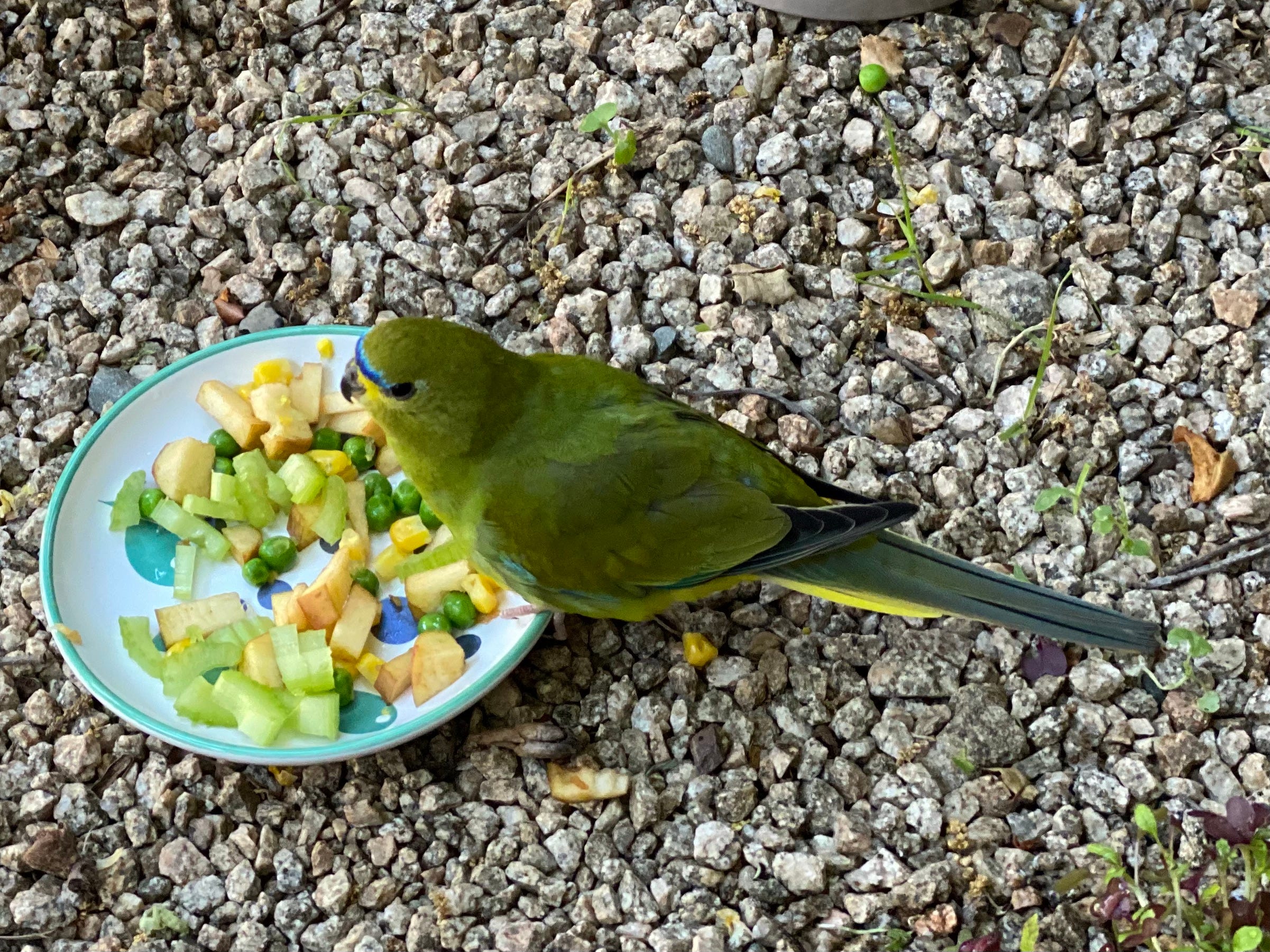
Birds enjoy treats that give them extra nutrition. Healthy treats include nuts, fruits, and vegetables.
These treats should be given in small amounts. Too many treats can upset birds’ digestion.
- Unsalted peanuts and almonds
- Chopped apples and berries
- Cooked sweet corn and peas
- Sunflower hearts without shells
- Mealworms for protein
Natural Food Sources For Birds
Birds find many foods in nature. These natural foods help birds get balanced nutrition.
Planting native trees and shrubs can provide food and shelter. This supports local bird populations.
- Seeds from native grasses and flowers
- Fruits and berries from shrubs
- Insects like beetles and caterpillars
- Tree sap and nectar from flowers
- Small worms and larvae found in soil
Maintaining Clean Feeding Areas
Birds can eat too much bird seed if feeders are not clean and safe. Dirty areas cause health problems. Keeping feeding spots clean helps birds stay healthy.
Regular cleaning stops mold and bacteria growth. It also keeps seeds fresh and tasty for birds. This guide shows how to keep feeders clean.
Preventing Mold And Bacteria
Mold and bacteria grow fast in wet or old bird seed. These can make birds sick. Check feeders often and remove wet seeds to prevent this.
- Empty feeders when seed is wet or clumped
- Use dry seed only and store in a dry place
- Clean spilled seed from the ground
- Keep feeding areas dry and shaded
- Replace seed regularly to keep it fresh
Proper Feeder Maintenance
Cleaning feeders regularly stops disease spread. Use warm water and mild soap for washing. Rinse well and dry before refilling with seed.
| Maintenance Task | Frequency |
| Empty old seed | Every 3 days |
| Wash feeder thoroughly | Once a week |
| Check for cracks or damage | Monthly |
| Store seed in airtight container | Always |
Credit: freerangeparrots.org
Credit: freerangeparrots.org
Frequently Asked Questions
Can Birds Eat Too Much Bird Seed Safely?
Yes, birds can eat too much bird seed, leading to obesity and health issues. Moderation is key to their diet.
What Happens If Birds Overeat Bird Seed?
Overeating bird seed can cause digestive problems and nutrient imbalances in birds. It may reduce their overall health.
How To Prevent Birds From Eating Too Much Seed?
Limit seed quantity and offer varied foods like fruits and insects. Regularly clean feeders to avoid overeating.
Does Overeating Bird Seed Affect Bird Behavior?
Yes, overeating may cause lethargy and reduced activity. Birds might become less vigilant and more prone to predators.
Conclusion
Feeding birds requires balance and care. Overeating bird seed can harm them. Ensure they have a varied diet. Seeds alone lack essential nutrients. Fresh fruits and vegetables are important. Water is crucial too. Keep their habitat clean and safe. Watch for signs of overfeeding.
Fatigue or weight gain indicate issues. Encourage natural foraging habits. This helps maintain their health. Happy birds are active and lively. So, provide a balanced diet. Your feathered friends will thrive.