
Are you ready to attract more beautiful wild birds to your yard? Choosing the best wild bird seed can make all the difference.
But with so many options out there, it’s easy to feel overwhelmed. What seed will bring the most colorful birds? Which mix will keep them coming back day after day? You’ll discover exactly what to look for in bird seed that will turn your outdoor space into a lively haven for wild birds.
Keep reading to find the perfect seed that matches your goals and makes your birdwatching more exciting than ever.

Credit: www.amazon.com
Choosing Wild Bird Seed
Choosing the right wild bird seed helps attract many bird species. It also supports their health and energy. Different seeds suit different birds and seasons.
Knowing the types of seeds and their benefits lets you make better choices. Quality matters to keep birds safe and well-fed.
Types Of Wild Bird Seeds
Many seeds attract wild birds. Each seed type draws different birds and has unique features.
- Black oil sunflower seeds: Popular with many birds and easy to crack.
- Nyjer (thistle) seeds: Small seeds loved by finches and siskins.
- Millet: White proso millet attracts sparrows and juncos.
- Cracked corn: Attracts larger birds like doves and jays.
- Safflower seeds: Help keep squirrels away and attract cardinals.
Nutritional Benefits
Seeds offer important nutrients to wild birds. They provide energy, fats, and proteins for survival.
| Seed Type | Main Nutrients | Bird Types |
|---|---|---|
| Black oil sunflower | High fat and protein | Cardinals, chickadees, finches |
| Nyjer | Rich in oil and fiber | Goldfinches, siskins, redpolls |
| Millet | Carbohydrates and protein | Sparrows, juncos, doves |
| Cracked corn | Carbohydrates | Doves, jays, pigeons |
| Safflower | Fat and protein | Cardinals, grosbeaks |
Seed Quality Factors
Good seed quality ensures birds get safe and fresh food. Look for clean, dry seeds without mold or dust.
- Check for fresh smell and no musty odor.
- Seeds should be whole, not broken or crushed.
- Avoid seeds with signs of mold or insect damage.
- Store seeds in cool, dry places to keep freshness.

Credit: www.amazon.com
Seeds For Different Bird Species
Different wild birds prefer different types of seeds. Choosing the right seed helps attract specific bird species to your feeder.
Knowing what seeds different birds like can improve your birdwatching experience.
Seeds For Finches And Sparrows
Finches and sparrows enjoy small seeds. They like seeds they can easily hold and eat.
Nyjer and millet are popular choices for these birds. These seeds attract finches and sparrows alike.
- Nyjer seed is favorite for finches
- White proso millet attracts sparrows
- Small seeds fit their small beaks
Seeds For Cardinals And Grosbeaks
Cardinals and grosbeaks prefer larger seeds. They need seeds that give good energy and nutrition.
Black oil sunflower seeds are a top choice. These seeds have thin shells that are easy to crack.
- Black oil sunflower seeds are rich and easy to eat
- Safflower seeds are also liked by cardinals
- Mixed seed blends attract both cardinals and grosbeaks
Seeds For Woodpeckers And Nuthatches
Woodpeckers and nuthatches enjoy seeds with more fat. They need energy for their active movements.
Suet mixed with seeds or peanuts works well. These birds also like sunflower seeds and safflower seeds.
- Suet provides high energy for woodpeckers
- Peanuts and sunflower seeds attract nuthatches
- These seeds support their strong beaks and diet
Top Wild Bird Seed Picks
Choosing the right seed helps attract more wild birds to your yard. Different seeds appeal to different bird species.
Learn about popular seeds that work well for wild bird feeding. This guide covers four common types.
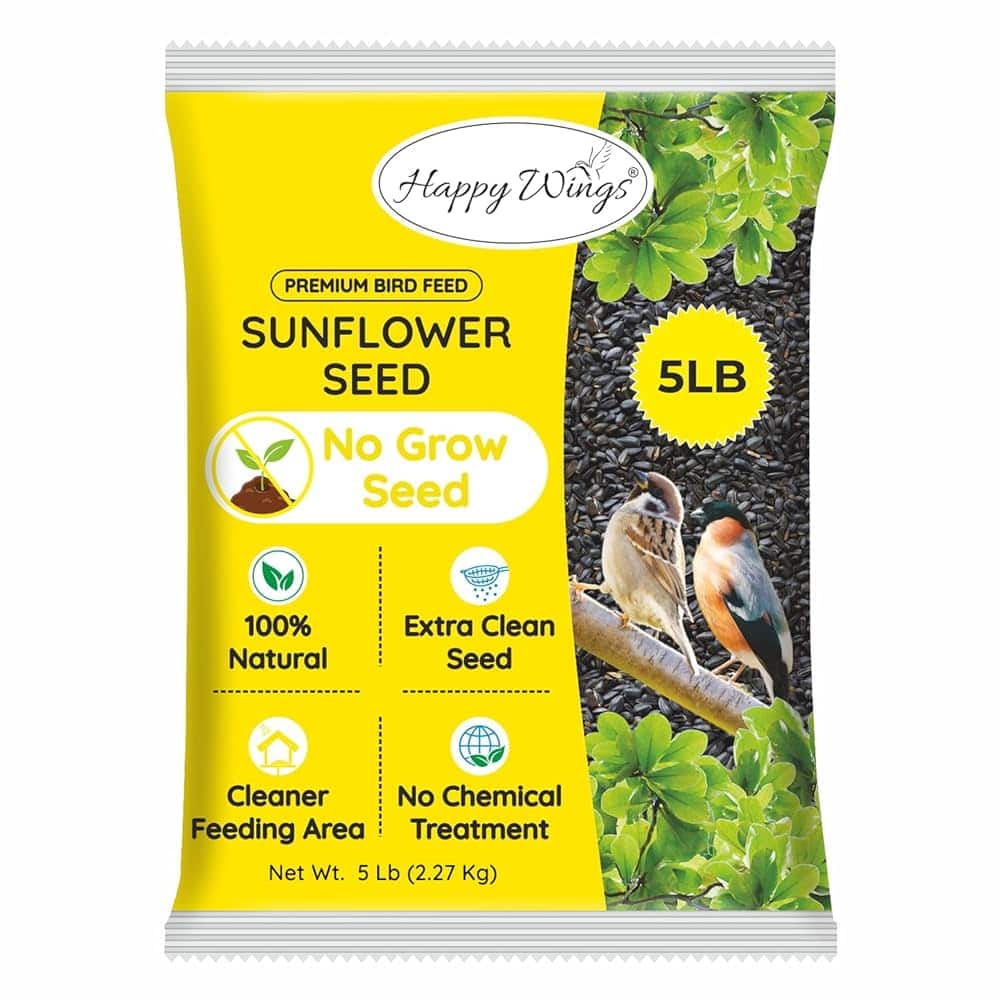
Black Oil Sunflower Seeds
Black oil sunflower seeds have thin shells and high oil content. Many birds like them because they are easy to crack open.
Common visitors to these seeds include cardinals, chickadees, and finches. These seeds also attract woodpeckers and nuthatches.
Nyjer (thistle) Seeds
Nyjer seeds are tiny and high in oil. They attract small birds like finches and siskins. You need special feeders with small holes to hold nyjer seeds well.
- Goldfinches
- Pine siskins
- Redpolls
- Purple finches
Millet And Cracked Corn
Millet and cracked corn are favorite seeds for ground-feeding birds. These seeds suit sparrows, doves, and juncos well.
| Seed Type | Birds Attracted | Feeding Style |
| Millet | Sparrows, Juncos, Doves | Ground feeder |
| Cracked Corn | Doves, Quail, Pigeons | Ground feeder |
Safflower Seeds
Safflower seeds have a hard shell and a bitter taste. They attract cardinals and grosbeaks. These seeds keep away squirrels and blackbirds.
Safflower seeds benefits:
- Good for cardinals and grosbeaks
- Discourages squirrels
- Less messy than sunflower seeds
Buying And Storing Bird Seeds
Choosing the right bird seed keeps wild birds healthy and happy. Proper buying and storage help maintain seed quality. This guide shares tips to buy and store bird seeds safely.
Good seeds attract many bird types. Storing seeds well prevents waste and protects birds from bad food.
Where To Buy Quality Seeds
Buy seeds from stores that sell fresh and clean products. Look for shops that specialize in bird supplies or garden centers. Online stores can also offer a wide choice but check reviews first.
- Check the seed package date to ensure freshness
- Choose seeds without dust or broken pieces
- Buy from sellers with good return policies
- Look for seeds free of fillers and chemicals
Proper Storage Tips
Store seeds in a cool, dry place away from sunlight. Use airtight containers to keep seeds fresh longer. Avoid storing seeds in damp or warm areas.
| Storage Condition | Best Practice |
| Temperature | Below 70°F (21°C) |
| Humidity | Less than 50% |
| Container Type | Airtight plastic or metal |
| Location | Dark, dry room |
Avoiding Mold And Pests
Mold and pests ruin seeds and can harm birds. Check seeds often for signs of mold or bugs. Remove any spoiled seeds immediately to protect the rest.
- Keep storage areas clean and dry
- Use mesh covers on feeders to block pests
- Do not mix old seeds with new seeds
- Discard seeds that smell bad or look discolored
Feeding Tips For Vibrant Birds
Choosing the best wild bird seed helps attract bright and lively birds. Feeding birds the right way keeps them healthy and active.
Follow simple tips to make your bird feeding area safe and inviting. This helps birds visit often and show their vibrant colors.
Choosing The Right Feeder
Select a feeder that matches the type of seed you use. Some seeds work best in tube feeders, while others do well in platform feeders.
Use feeders that keep seed dry and safe from pests. Clean feeders regularly to prevent mold and disease.
- Tube feeders for small seeds like nyjer and millet
- Platform feeders for mixed seeds and larger grains
- Hopper feeders hold large amounts of seed and protect from rain
Feeding Frequency
Feed birds daily to keep them coming back. Birds get used to a steady food supply and feel safe.
Check your feeder often and refill when seed runs low. Clean out old seed to avoid mold and spoilage.
- Refill feeders once or twice a day in busy seasons
- Remove leftover seed every few days
- Keep water fresh if you provide a birdbath
Seasonal Feeding Considerations
Bird needs change with the seasons. Offer high-energy seeds in winter to help them stay warm.
In spring and summer, provide seeds that support nesting and raising young birds. Reduce feeding in warm months if natural food is abundant.
- Sunflower seeds and suet for winter energy
- Milo and cracked corn in fall for fat building
- Mixed seeds in spring and summer for growing birds

Credit: www.amazon.com
Frequently Asked Questions
What Is The Best Seed For Attracting Wild Birds?
Black oil sunflower seeds are the best for attracting most wild birds. They have high oil content and thin shells, making them easy to eat. This seed appeals to a wide variety of bird species, providing essential energy for them throughout the year.
Which Seeds Do Songbirds Prefer The Most?
Songbirds prefer millet, nyjer, and sunflower seeds. Millet is especially favored by ground-feeding birds like sparrows. Nyjer seed attracts finches, while sunflower seeds are popular with cardinals and chickadees. Using a mix ensures you attract diverse songbird species.
How To Choose Quality Wild Bird Seed?
Choose fresh, clean seeds without dust or debris. Look for seeds that are free from mold or discoloration. Buying from reputable brands ensures high-quality seed that retains nutrition. Proper storage in a cool, dry place also maintains seed freshness.
Can Mixed Bird Seed Attract More Bird Species?
Yes, mixed bird seed attracts a wider variety of birds. It offers different seed types catering to various feeding preferences. Mixing sunflower, millet, cracked corn, and safflower seeds increases your chances of seeing diverse bird species in your yard.
Conclusion
Choosing the best wild bird seed helps birds thrive. Quality seeds attract a variety of bird species. Sunflower seeds, millet, and cracked corn are popular choices. They provide essential nutrients. Always consider the local bird population. Different birds have different seed preferences.
Clean bird feeders regularly to ensure bird health. A good seed mix can make a difference. It brings joy to your backyard and benefits nature. Regularly refill feeders for continuous bird visits. With the right bird seed, your garden becomes a lively sanctuary.
Enjoy the beauty and sounds of happy, visiting birds.



