
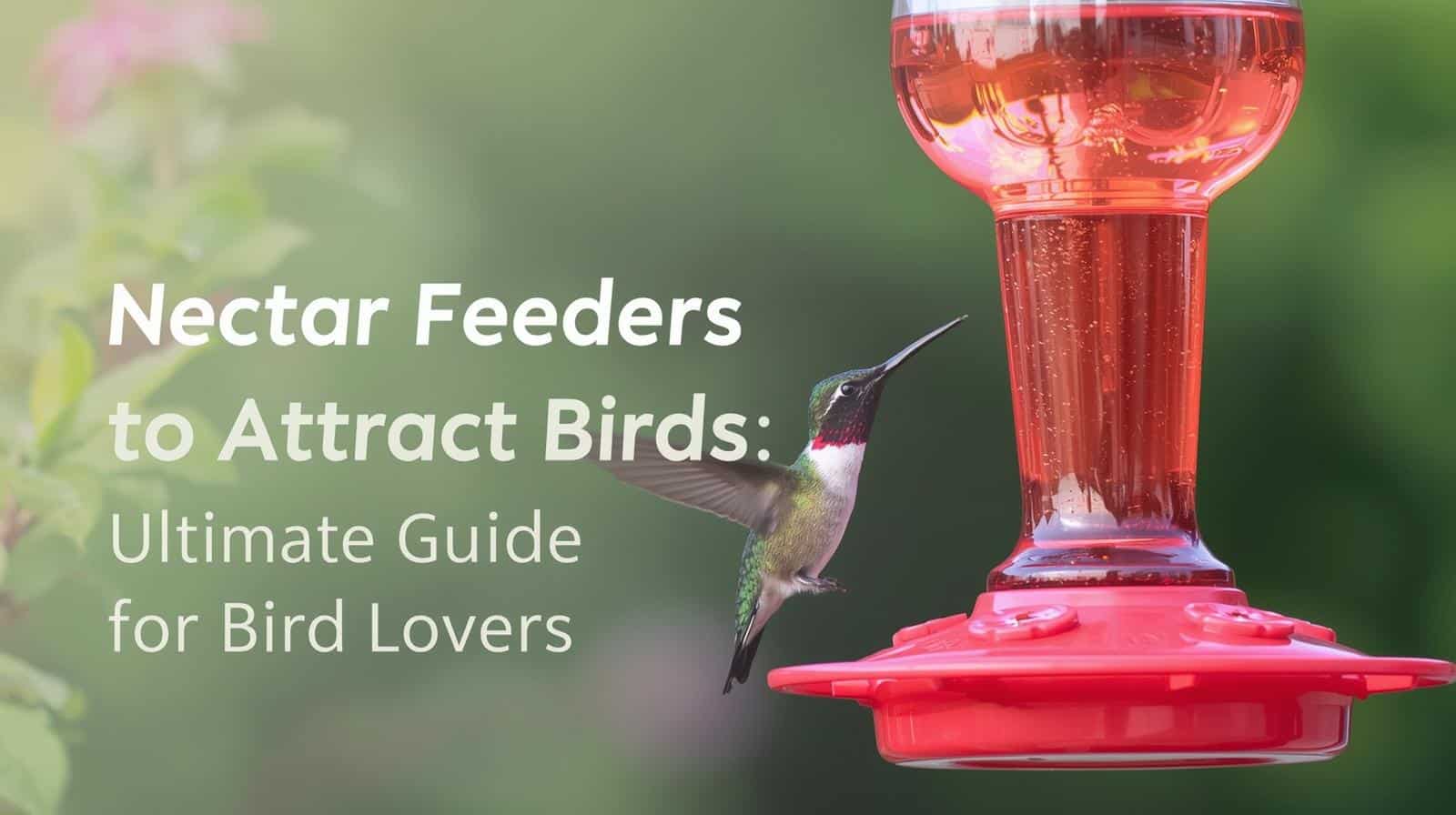
If you want to bring more color and life to your garden, nectar feeders are a simple and effective way to attract beautiful birds right to your backyard. Imagine watching vibrant hummingbirds and orioles flutter close, sipping sweet nectar from feeders you’ve set up.
You don’t need to be an expert to create a bird-friendly space that invites these delightful visitors. You’ll discover how nectar feeders work, the best types to use, and tips to keep your feathered friends coming back again and again.
Get ready to transform your outdoor space into a lively bird haven!

Credit: www.amazon.com
Types Of Nectar Feeders
Nectar feeders help attract many types of birds, especially hummingbirds. Choosing the right feeder can bring more birds to your garden.
There are several types of nectar feeders. Each type offers unique features for feeding and viewing birds.
Tube Feeders
Tube feeders are long and narrow with multiple feeding ports. They hold nectar inside a clear tube.
Birds can feed from different sides at once. Tube feeders are easy to clean and refill.
- Clear tube shows nectar level
- Multiple feeding holes
- Usually made of plastic or glass
Hummingbird Feeders
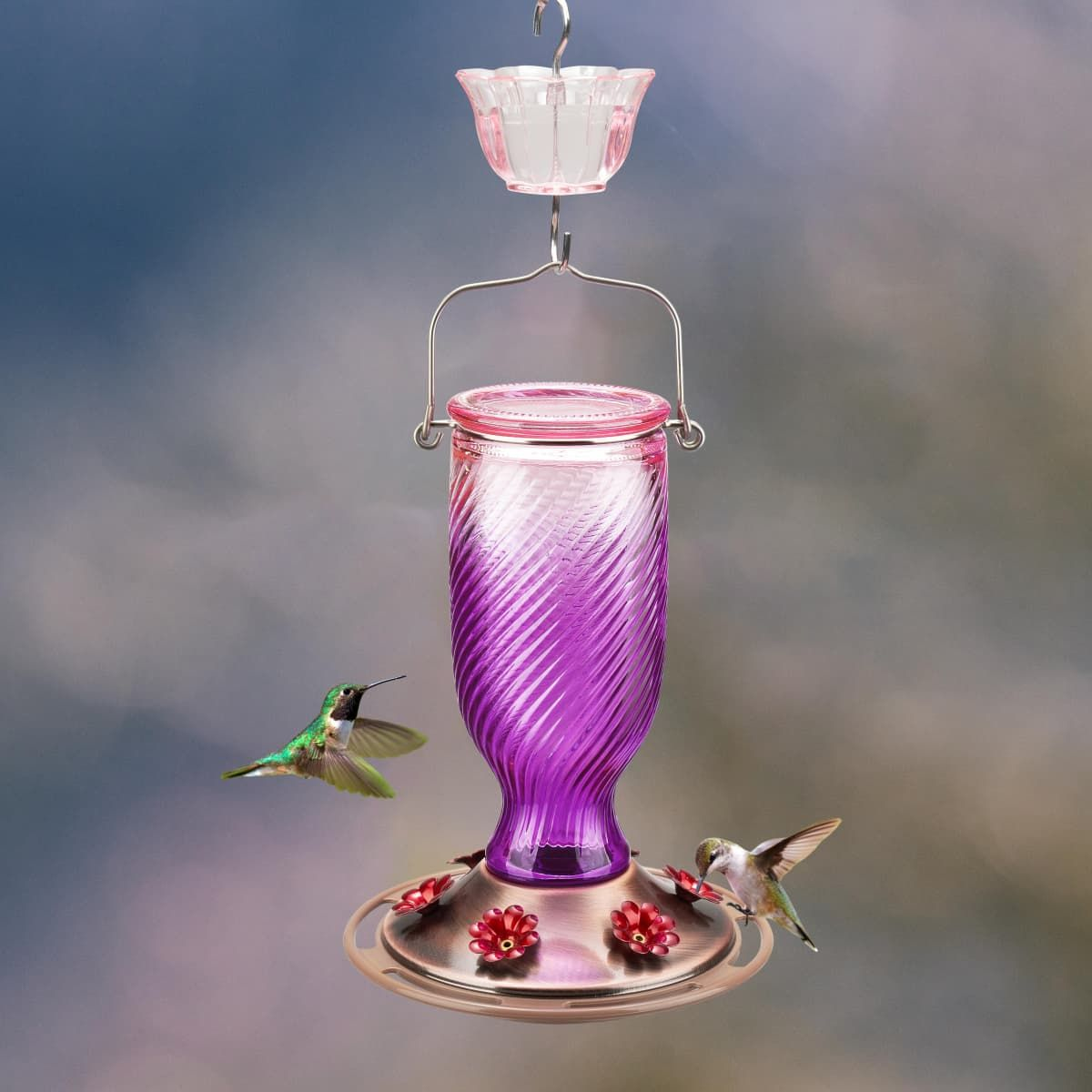
Hummingbird feeders are designed specifically for tiny hummingbirds. They often have red parts to attract birds.
These feeders have small feeding ports shaped like flowers. They help keep nectar fresh and prevent bees.
- Bright red colors attract hummingbirds
- Flower-shaped feeding holes
- Bee guards to keep insects away
Window Feeders
Window feeders stick directly on glass windows. They give a close-up view of birds while feeding.
These feeders are small and easy to refill. They usually have suction cups for mounting.
- Mounts on window glass
- Clear container for nectar
- Great for bird watching indoors
Dish Feeders
Dish feeders hold nectar in a shallow bowl or dish. Birds perch around the edge to drink.
These feeders are easy to clean. They allow more bird species to feed, not just hummingbirds.
- Shallow bowl holds nectar
- Birds perch around the dish
- Simple to clean and refill

Credit: americanspcc.org
Choosing The Right Feeder
Choosing the right nectar feeder helps attract more birds to your garden. The feeder you pick should meet your needs and be safe for the birds.
Consider factors like the feeder's material, size, ease of cleaning, and durability. These will affect how well it works and lasts.
Material Options
Nectar feeders come in various materials. Each has benefits and drawbacks you should know.
- Plastic:Lightweight and affordable, but may crack in cold weather.
- Glass:Easy to clean and looks nice, but can break if dropped.
- Metal:Very durable and often used for the feeder parts, but can heat up in the sun.
Capacity And Size
Feeder size affects how often you refill it and how many birds it can serve.
| Size | Best For |
| Small (8-12 oz) | Few birds or small gardens |
| Medium (16-24 oz) | Average bird activity |
| Large (32 oz or more) | Many birds or busy feeding spots |
Ease Of Cleaning
Cleaning the feeder often keeps birds healthy and stops mold growth. Choose a feeder that is easy to take apart and clean.
- Look for wide openings for easy scrubbing.
- Avoid feeders with many small parts.
- Check if the feeder is dishwasher safe.
Durability
A durable feeder resists weather and bird pecks. It lasts longer and saves money.
- Choose feeders with strong materials like thick glass or metal.
- Check for UV protection to prevent fading.
- Inspect for sturdy construction and secure parts.
Best Nectar Recipes
Nectar feeders attract many birds by offering sweet liquids. Making your own nectar is simple and safe. Using the right recipe helps keep birds healthy and happy.
This guide shares easy nectar recipes and tips. You will learn how to avoid harmful additives and store nectar properly.
Simple Sugar Solution
Use plain white granulated sugar and water to make nectar. Mix four parts water with one part sugar. Boil the water first, then stir in the sugar until it dissolves.
Let the mixture cool before filling your feeder. Avoid using honey, artificial sweeteners, or red dye in the nectar.
Avoiding Harmful Additives
Many store-bought nectars have additives that can hurt birds. Avoid these ingredients for safe feeding:
- Red food coloring
- Honey or corn syrup
- Artificial sweeteners
- Preservatives and chemicals
Use only clean water and white sugar to keep birds safe and healthy.
Storage Tips
| Storage Method | Details | Duration |
|---|---|---|
| Refrigerate Nectar | Store in a clean, sealed container | Up to 1 week |
| Room Temperature | Keep in a cool, dark place | Up to 2 days |
| Freezing Nectar | Freeze in portions for future use | Up to 1 month |
Attracting Different Bird Species
Using nectar feeders helps bring a variety of birds to your yard. Different birds prefer different types of nectar and feeder styles. Learning what each species likes will improve your chances of attracting them.
Below are tips for attracting hummingbirds, orioles, butterflies, and other pollinators with nectar feeders and plants.
Hummingbirds
Hummingbirds love sweet nectar with a simple recipe of four parts water to one part sugar. Avoid red dye and use feeders with red parts to attract them. Place feeders in sunny spots near flowers.
- Use fresh nectar every 2-3 days
- Clean feeders weekly to prevent mold
- Hang feeders 3-5 feet above ground
- Plant tubular red flowers nearby
Orioles
Orioles enjoy nectar that is thinner than hummingbird nectar. Use feeders designed for orioles or place orange slices near nectar feeders. Orioles also eat fruit and insects.
| Orioles Nectar Recipe | Water | Sugar |
| Standard | 5 parts | 1 part |
| Thinner Mix | 6 parts | 1 part |
Butterflies And Other Pollinators
Butterflies like nectar from flowers more than feeders. You can attract them with native plants and shallow dishes filled with sugar water. Avoid deep feeders that butterflies cannot reach.
To attract butterflies:
- Plant milkweed, coneflowers, and lantana
- Use shallow dishes with sugar water or fruit juice
- Place dishes in sunny, sheltered spots
- Provide flat stones for butterflies to rest on
Placement And Maintenance
Keeping nectar feeders clean and well placed helps attract healthy birds. Proper care prevents problems like mold.
Good placement and regular cleaning make your feeder a safe place for birds to enjoy nectar.
Ideal Feeder Locations
Place feeders in quiet spots with good cover nearby. Trees or shrubs offer protection from predators.
- Choose shaded areas to slow nectar spoilage
- Avoid placing feeders near windows to reduce bird collisions
- Keep feeders at least 10 feet from dense bushes to limit ants
- Mount feeders where you can watch birds easily
Cleaning Frequency
Clean feeders every 3 to 5 days. Clean more often in hot weather to stop bacteria growth.
| Season | Cleaning Frequency |
| Summer | Every 2-3 days |
| Spring and Fall | Every 4-5 days |
| Winter | Once a week |
Preventing Mold And Fermentation
Mold and fermentation spoil nectar and harm birds. Use these tips to keep nectar fresh and safe.
- Replace nectar every 3 days, or sooner if cloudy
- Use a solution of hot water and vinegar to clean feeders
- Rinse feeders well to remove cleaning residues
- Store extra nectar in the fridge to keep it fresh
Seasonal Tips
Nectar feeders help attract many colorful birds to your garden. Feeding birds changes with the seasons. Each season has special needs.
Knowing what to do in summer, winter, and migration times makes your feeders more useful. This guide gives easy tips for each season.
Summer Feeding
Summer is hot, so keep nectar fresh and clean. Replace nectar every two days to avoid mold. Use fresh water for cleaning feeders.
- Mix nectar with one part sugar to four parts water
- Do not add red dye; it can harm birds
- Place feeders in shaded areas to keep nectar cool
- Clean feeders weekly with warm water and a brush
Winter Considerations
In winter, birds need more energy to stay warm. Nectar must be fresh and not frozen. Check feeders often to keep them full.
| Winter Feeding Tips | Reason |
| Use warmer nectar (slightly heated) | Prevents freezing and helps birds eat |
| Place feeders near shelter like trees | Birds stay safe from cold winds |
| Keep feeders clean to stop ice build-up | Prevents mold and bacteria |
| Refill feeders more often than summer | Birds eat more to keep warm |
Migratory Bird Support
During migration, birds need extra fuel for their long trips. Providing good nectar helps them rest and refuel.
Here are tips to support migrating birds:
- Keep feeders filled from early spring to late fall
- Offer fresh nectar daily during migration months
- Plant native flowers nearby for natural nectar sources
- Keep water sources available for drinking and bathing
Common Problems And Solutions
Nectar feeders attract many birds, but some issues can arise. These problems can stop birds from visiting your feeder often.
This guide shows common problems and easy ways to fix them. Use these tips to keep your feeder clean and inviting.
Ants And Insects
Ants and other insects often invade nectar feeders. They drink the nectar and scare birds away. You need to keep them away to protect your feeder.
- Use ant moats filled with water above the feeder.
- Clean feeders regularly to remove sweet residue.
- Place feeders away from plants that attract insects.
- Use natural repellents like cinnamon or vinegar around the feeder.
Squirrel Deterrents
Squirrels can damage nectar feeders and steal nectar. They are strong and clever, so you need good deterrents.
| Method | How It Works | Tips |
| Squirrel baffles | Block squirrels from climbing to feeders | Place above or below feeder pole |
| Weight-sensitive feeders | Close feeding ports under heavy weight | Check for proper balance |
| Spicy nectar | Capsaicin repels squirrels but not birds | Use small amounts to avoid harm |
Feeder Damage
Feeders can break or leak, causing waste and fewer visits. Fixing damage quickly keeps birds coming back.
- Cracks:Seal with waterproof glue or replace feeder.
- Leaking ports:Clean ports and check seals regularly.
- Faded colors:Repaint with bird-safe paint to attract birds.
- Rust:Use rust-resistant feeders or clean rust spots.
Credit: www.kingsyard.com
Frequently Asked Questions
What Types Of Birds Are Attracted To Nectar Feeders?
Nectar feeders mainly attract hummingbirds, orioles, and butterflies. These birds enjoy sweet nectar and vibrant feeder colors. Providing fresh nectar regularly ensures frequent visits from these species.
How Do I Keep Nectar Feeders Clean And Safe?
Clean feeders weekly with warm water and mild soap. Avoid harsh chemicals to protect birds. Rinse thoroughly and refill with fresh nectar to prevent mold and bacteria growth.
What Ingredients Make The Best Nectar For Feeders?
Mix four parts water with one part white granulated sugar. Boil to dissolve sugar, then cool before filling feeders. Avoid honey, artificial sweeteners, or red dye, as they can harm birds.
Where Should I Place Nectar Feeders For Best Results?
Place feeders in shaded, quiet areas near flowers or shrubs. This provides shelter and natural food sources. Position feeders at eye level or higher for easy bird access and visibility.
Conclusion
Nectar feeders bring colorful birds to your backyard. These feeders provide essential nutrients for birds. They are easy to set up and maintain. Birds love sweet nectar, especially hummingbirds. Keep feeders clean to prevent mold growth. Choose the right spot for your feeder.
Near flowers or trees is ideal. Watch birds visit and enjoy the view. Encourage children to learn about nature. Nectar feeders create a lively, bird-friendly environment. Perfect for birdwatching enthusiasts.


