
Have you ever wondered if the bird seed you scatter outside can actually grow into plants? You might be surprised to learn that some types of bird seed do have the potential to sprout and grow.
Imagine turning your backyard into a green oasis just by using what you already have. But how do you know which seeds will grow and which won’t? You’ll discover the truth about bird seed and its surprising ability to grow, plus simple tips to help you get started.
Keep reading to unlock the secret and bring new life to your garden!
Bird Seed Basics
Bird seed is food made for wild and pet birds. Many people wonder if bird seed can grow into plants.
Understanding bird seed types and seed quality helps know if seeds can sprout and grow.
Common Types Of Bird Seed
Bird seed comes in many types. Some seeds are better for feeding birds than growing plants.
- Sunflower seeds – popular and easy to grow
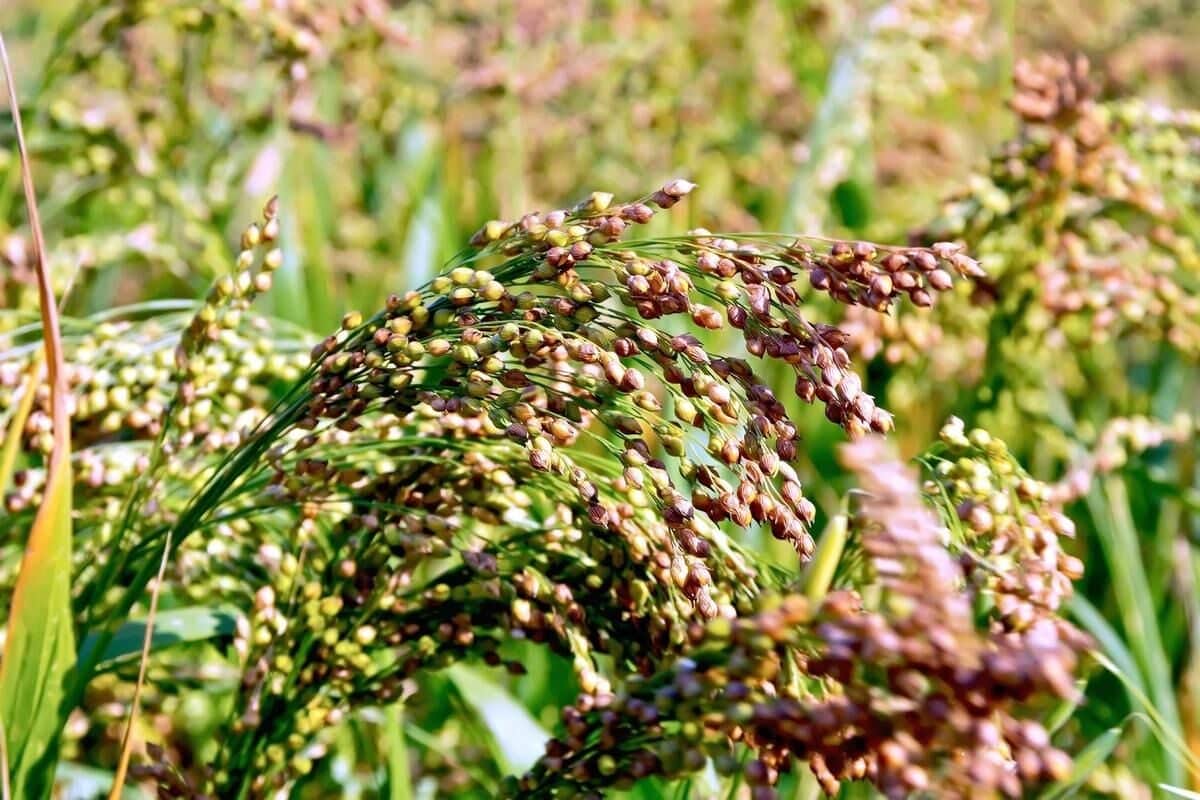
- Millet – small seeds often used in mixes
- Safflower – birds like it, but hard to sprout
- Nyjer (thistle) – tiny seeds mainly for finches
- Cracked corn – often fed to larger birds
Each seed type has different chances of growing if planted in soil.
Seed Quality And Viability
Seed quality means how healthy and fresh the seed is. Viability means if the seed can sprout and grow.
Bird seed sold for feeding is often treated or old. These seeds may not grow well or at all.
- Fresh seeds have higher chances to sprout
- Seeds stored in dry, cool places last longer
- Heat or moisture can kill seed viability
- Some bird seeds are shelled or cracked, reducing growth
Which Bird Seeds Can Sprout
Many bird seeds have the ability to sprout and grow into plants. This happens when the seeds get enough water, light, and warmth. Knowing which seeds can sprout helps if you want to grow your own plants or feed birds with fresh sprouts.
Not all bird seeds will grow well. Some seeds are treated or cleaned in ways that stop them from sprouting. It is important to understand which seeds can easily grow and which usually do not.
Seeds That Germinate Easily
These bird seeds often sprout quickly and grow into healthy plants. They are good choices if you want to try growing bird seed plants at home.
- Sunflower seeds (black oil type)
- Millet
- Wheat
- Oats
- Sorghum
- Canary seed
Seeds That Usually Don’t Grow
Some bird seeds do not sprout well because they are heat-treated or chemically treated. These seeds are mainly for feeding and not for planting.
| Seed Type | Reason They Don’t Grow |
| Nyjer (thistle) seeds | Heat-treated to prevent sprouting |
| Peanuts | Roasted or treated for feeding only |
| Safflower seeds | Often heat-processed |
| Corn kernels | Usually dried and treated |
Preparing Seeds For Planting
Planting bird seed can grow new plants if you prepare the seeds well. Proper seed preparation improves germination and plant health.
Cleaning and treating seeds removes debris and helps seeds sprout faster. Learn easy ways to prepare your bird seed for planting.
Cleaning And Sorting Seeds
Start by removing dirt, dust, and broken seeds. Clean seeds give better results in your garden.
- Spread seeds on a flat surface
- Pick out any small stones or debris
- Separate large seeds from tiny fragments
- Discard damaged or moldy seeds
- Use a fine mesh sieve to remove dust
Soaking And Pre-treatment Methods
Soaking seeds softens their shells and speeds up sprouting. Some seeds need special treatments to grow well.
| Method | Purpose | Instructions |
| Water Soaking | Softens seed coat | Soak seeds in warm water for 12 hours |
| Cold Stratification | Simulates winter | Keep seeds moist in fridge for 2-4 weeks |
| Scarification | Breaks hard seed coat | Rub seeds gently with sandpaper |

Credit: www.reddit.com
Ideal Conditions For Sprouting
Bird seed can grow into healthy plants if given the right conditions. Sprouting needs care and attention to soil, water, light, temperature, and humidity. Understanding these factors helps you grow strong seedlings.
Each type of seed may have slightly different needs. This guide covers the main requirements for sprouting bird seed successfully.
Soil Requirements
Good soil is key for sprouting bird seed. It must hold moisture but drain well to avoid rotting seeds. A light, loose soil mix works best.
- Use seed-starting mix or fine potting soil
- Avoid heavy clay soils that trap water
- Ensure soil is clean and free of pests
- Keep soil slightly moist but not soggy
Watering And Light Needs
Water and light are essential for seed growth. Water keeps seeds soft and ready to sprout. Light helps young plants grow strong.
| Watering | Light |
| Keep soil damp, not wet | Place in a sunny spot or under grow lights |
| Water gently to avoid washing away seeds | Provide 12-16 hours of light per day |
| Check soil daily for dryness | Avoid direct harsh sunlight on delicate sprouts |
Temperature And Humidity
Warm and humid conditions help seeds sprout faster. Cold or dry air can slow or stop growth.
Ideal temperature and humidity ranges:
- Temperature: 65-75°F (18-24°C)
- Humidity: 50-70%
- Avoid temperatures below 60°F (15°C)
- Use a humidity dome or plastic cover to keep moisture
Step-by-step Sprouting Guide
Bird seed can grow into plants if you follow the right steps. Sprouting bird seed is simple and fun.
This guide shows how to plant, care for, and move your seedlings outdoors.
Planting Techniques
Start by choosing bird seeds that are safe and viable for sprouting. Soak the seeds in water for 12 hours to soften the shell.
Fill a small pot or tray with seed-starting soil. Plant the soaked seeds about 1/4 inch deep in the soil.
- Use clean containers with drainage holes
- Keep the soil moist but not soaked
- Place containers in a warm spot with indirect sunlight
Care During Germination
Keep the soil consistently damp by watering gently every day. Avoid overwatering to prevent mold growth.
Maintain a temperature between 65-75°F (18-24°C) for better sprouting results. Use a spray bottle to mist the soil surface.
- Check seeds daily for sprouting
- Provide indirect light to avoid drying out
- Remove any moldy or damaged seeds promptly
Transplanting Seedlings
When seedlings grow 2-3 sets of leaves, they are ready to move outside. Prepare a garden bed with loose, well-drained soil.
Dig small holes spaced evenly. Gently remove seedlings from the container and place them into the holes.
- Water seedlings immediately after transplanting
- Protect from strong sun and wind for a few days
- Space plants to allow room for growth

Credit: www.thestar.com
Common Challenges And Solutions
Growing bird seed into plants can be fun but tricky. Many gardeners face common problems that stop seeds from growing well.
Knowing the challenges helps you find easy solutions. This guide covers how to deal with mold, pests, and poor germination.
Dealing With Mold And Fungus
Mold and fungus grow fast in wet, warm places. They can kill young seedlings or stop seeds from sprouting.
Good air flow and less water reduce mold growth. Avoid overwatering and use clean soil for planting.
- Water seeds lightly and only when dry
- Use a spray bottle to avoid soaking soil
- Plant seeds in well-draining soil
- Keep the planting area clean and dry
- Use a small fan for air circulation if indoors
Avoiding Seedling Pests
Small bugs can eat or damage seedlings. Pests like aphids and fungus gnats are common problems.
Using natural barriers and checking plants often helps keep pests away. Remove pests quickly to save your plants.
- Inspect seedlings daily for bugs
- Use neem oil or insecticidal soap safely
- Keep planting area clean of dead leaves
- Place sticky traps near seedlings
- Avoid overwatering to reduce gnats
Preventing Poor Germination
Seeds may not sprout if conditions are wrong. Old seeds or wrong planting depth can cause poor germination.
Use fresh seeds and plant them at the right depth. Keep soil moist but not wet and give seeds warmth to grow.
- Use fresh bird seed for planting
- Plant seeds about twice as deep as their size
- Keep soil consistently moist but not soggy
- Provide warmth with a seedling heat mat if needed
- Be patient; some seeds take longer to sprout
Creative Uses For Sprouted Bird Seeds
Bird seeds can grow into healthy sprouts with a little care. These sprouts have many uses beyond feeding birds. You can use sprouted bird seeds in your kitchen and garden.
Sprouted seeds are fresh and full of nutrients. They are easy to grow indoors or outdoors. Let’s explore some creative ways to use sprouted bird seeds.
Edible Microgreens
Sprouted bird seeds make tasty and nutritious microgreens. These small greens add flavor and color to salads and sandwiches. They are packed with vitamins and minerals.
Growing microgreens from bird seeds is simple. Just soak the seeds, spread them on moist soil, and watch them sprout in a few days. Harvest when they are about 1 to 2 inches tall.
- Use sunflower, millet, or flax seeds for microgreens
- Rinse seeds daily to keep them fresh
- Harvest before the first leaves open fully
Attracting Wildlife To Your Garden
Sprouted bird seeds can help attract wildlife to your garden. Birds and small animals love fresh sprouts. Planting sprouted seeds provides a natural food source for them.
Using sprouted seeds can bring more birds, butterflies, and beneficial insects. This creates a lively and healthy garden environment. It also helps pollination and pest control.
- Sprout seeds like sunflower and millet to attract birds
- Plant in small patches near feeders or water sources
- Keep the area clean to avoid unwanted pests
Sustainable Gardening Practices
Growing sprouted bird seeds supports sustainable gardening. It reduces waste by using seeds you already have. Sprouts grow quickly and need little water or soil.
Sprouted seeds improve soil health when planted. They add organic matter and nutrients back to the ground. This helps your garden grow better over time.
- Use kitchen scraps and bird seeds to grow sprouts
- Save water by growing sprouts indoors
- Compost old sprouts to enrich garden soil

Credit: www.reddit.com
Frequently Asked Questions
Can Bird Seed Grow Into Plants?
Yes, many bird seeds can grow into plants if they are not treated or roasted. Seeds like sunflower, millet, and safflower often germinate well. However, success depends on seed quality and proper planting conditions such as soil, water, and sunlight.
Which Bird Seeds Are Best For Planting?
Sunflower seeds, millet, and nyjer seeds are best for planting. These seeds have a higher germination rate and can grow into healthy plants. Avoid treated or flavored seeds, as they may not sprout or could harm the soil.
How To Grow Plants From Bird Seed?
To grow plants from bird seed, soak seeds overnight for better germination. Plant them in well-drained soil, keep the soil moist, and place in sunlight. Patience is key; some seeds may take weeks to sprout.
Can All Bird Seeds Sprout Successfully?
Not all bird seeds will sprout successfully. Some seeds are treated or roasted, preventing germination. Seeds like cracked corn or sunflower generally sprout well, while others like mixed seed blends may not.
Conclusion
Bird seed can indeed grow under the right conditions. Moisture and sunlight help seeds sprout. Many seeds in bird feed are viable. If you spill bird seed in your garden, expect sprouts. Some plants, like sunflowers, attract more birds. This growth can beautify your space and support wildlife.
Regularly check for unwanted growth. Remove plants that spread too much. Enjoy observing how nature works with bird seed. It’s a simple way to connect with the outdoors. Consider experimenting with different seeds. See what grows best in your area.
Happy gardening and bird watching!



