

Have you ever been strolling through a serene park or relaxing in your backyard, only to hear a curious sound that mimics a wolf whistle? It’s catchy, mysterious, and makes you wonder which feathered friend is behind it.
The surprise might be closer than you think. When you uncover the bird responsible for this intriguing sound, you’ll see the natural world around you in a whole new light. This sound isn’t just a neat party trick; it’s a fascinating insight into the lives of our avian companions.
Dive deeper into this auditory marvel, and get ready to be amazed by the bird’s identity and what makes it whistle like a wolf. Your curiosity is about to take flight!

Credit: www.reddit.com
Wolf Whistle Sound In Nature
The wolf whistle is a sharp, high-pitched sound often heard in nature. Many people wonder which bird makes this unique sound. It is not made by wolves but by certain birds and animals.
This blog explores the bird known for its wolf whistle sound. You will learn about its calls and why it sounds like a wolf’s whistle.
Birds Known For Wolf Whistle Sounds
One common bird that makes a wolf whistle sound is the Northern Mockingbird. This bird mimics many sounds, including whistles and calls from other animals.
- Northern Mockingbird
- Gray Catbird
- Common Loon
- Black-billed Cuckoo
Why Do Birds Make Wolf Whistle Sounds?
Birds use wolf whistle sounds to communicate with others. These sounds can signal danger, attract mates, or mark territory. The sharp whistle is easy to hear over long distances.
How To Identify The Wolf Whistle Bird
| Bird | Sound Description | Habitat |
| Northern Mockingbird | Clear, sharp whistle | Urban and suburban areas |
| Gray Catbird | Whistle mixed with cat-like sounds | Woodlands and thickets |
| Common Loon | Echoing, wolf-like whistle | Lakes and large ponds |
| Black-billed Cuckoo | Soft, clear whistle | Forests and swamps |
Listening Tips For Wolf Whistle Sounds
To hear the wolf whistle sound, listen during early morning or late evening. Many birds are active then. Use binoculars and stay quiet to avoid scaring them.
Note:Recording apps can help identify bird sounds. Compare your recordings with online bird call libraries.

Credit: vocal.media
Birds Known For Unique Calls
Many birds have unique sounds that help them communicate. Some birds make whistles that stand out in nature.
One interesting question is which bird makes a wolf whistle sound. This sound is a sharp, clear whistle that can catch your attention.
Common Birds With Whistling Calls
Several common birds are known for their whistling calls. These birds use whistles to attract mates or warn others.
The Northern Mockingbird and the Eastern Wood-Pewee are examples. They produce clear whistles that sometimes sound like a wolf whistle.
- Northern Mockingbird:Can imitate many sounds including whistles and calls.
- Eastern Wood-Pewee:Has a sharp whistling song that is easy to recognize.
- Common Loon:Emits haunting whistles that echo over water.
- Red-whiskered Bulbul:Known for sharp, clear whistles.
Rare Birds Mimicking Animal Sounds
Some rare birds mimic sounds from other animals, including wolves. These birds have special vocal skills.
The Lyrebird from Australia is famous for copying many sounds. It can imitate chainsaws, cameras, and even wolf whistles.
- Superb Lyrebird:Copies animal calls and human noises with high accuracy.
- European Starling:Can mimic sounds from its environment, including whistles.
- Mockingbirds:Known to copy other birds and some animal sounds.
Species That Mimic Wolf Whistles
Some birds are known for their ability to mimic sounds. Among these sounds, the wolf whistle is often copied. This whistle is a sharp, two-note call.
Birds that imitate this sound use it to communicate or attract mates. Their mimicry is quite impressive and sometimes confusing.
Northern Mockingbird
The Northern Mockingbird is famous for its wide range of sounds. It can copy other birds, animals, and even man-made noises. This bird often mimics the wolf whistle perfectly.
Lyrebird
Lyrebirds are exceptional mimics found in Australia. They copy natural and artificial sounds with great skill. Their wolf whistle imitation is very clear and loud.
- Lyrebirds use mimicry to attract mates.
- They can imitate camera shutters, chainsaws, and whistles.
- Wolf whistle sounds are part of their diverse repertoire.
Thrushes And Other Songbirds
Thrushes and some other songbirds also copy the wolf whistle. They add this sound to their songs to stand out. This mimicry helps them in territory defense and attracting mates.
| Bird Species | Reason for Mimicry | Typical Sounds Imitated |
| Thrushes | Territory defense | Wolf whistles, other bird calls |
| Northern Mockingbird | Mate attraction | Wolf whistles, animal sounds |
| Lyrebird | Mate attraction | Wolf whistles, machines, other animals |
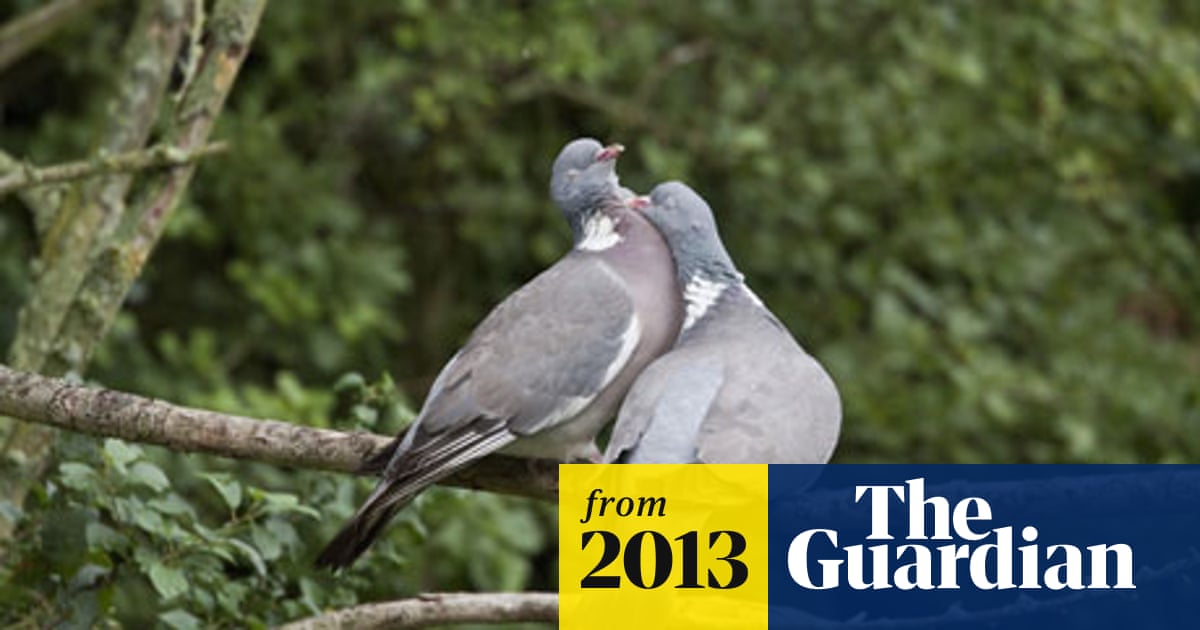
Credit: www.theguardian.com
Purpose Of Wolf Whistle Sounds
Some birds make sounds that sound like a wolf whistle. These sounds have special reasons. Birds use them to send messages.
The wolf whistle sound helps birds communicate with others. It can show where they live or attract a mate. Sometimes, it tricks other animals.
Communication And Territory
Birds use wolf whistle sounds to talk to each other. These sounds can warn other birds to stay away. It marks their space or territory.
When a bird whistles, it tells others that this place is taken. This helps avoid fights and keeps their home safe.
Attracting Mates
Male birds often use wolf whistle sounds to get a female’s attention. These sounds show strength and good health. Females listen for the best whistles.
A clear, loud wolf whistle can help a male bird find a partner. It is part of their courtship rituals.
Mimicry As A Defense
Some birds copy the wolf whistle sound to scare other animals. This mimicry helps protect them from predators. The sound can confuse or warn danger away.
By sounding like a wolf whistle, birds pretend to be bigger or more dangerous than they are. This trick keeps them safe.
How To Identify The Source
Many people hear a wolf whistle sound in nature and wonder which bird makes it. Identifying the source helps you learn more about local wildlife. Listening carefully and using simple tools can make this task easier.
This guide covers tips for listening, recording, and understanding seasonal and regional differences in bird calls that sound like wolf whistles.
Listening Tips
To find the bird making a wolf whistle sound, start by paying close attention to the environment. Try to locate where the sound is coming from and note its timing and pattern.
- Listen during early morning or late afternoon when birds are most active.
- Use binoculars to scan nearby trees and bushes.
- Focus on repeating whistle patterns and pitch changes.
- Stay quiet and avoid sudden movements to not scare the bird away.
Recording And Analyzing Calls
Recording the sound helps you analyze it later. Use a smartphone or a digital recorder to capture the call clearly. This lets you compare it with known bird calls.
| Tool | Purpose | Tips |
|---|---|---|
| Smartphone | Easy recording | Stay close but not too near |
| Digital Recorder | High-quality sound | Use windscreen to reduce noise |
| Sound Analysis App | Compare calls | Match frequency and pattern |
Seasonal And Regional Variations
Bird calls can change with seasons and locations. Knowing these changes helps you identify the right bird species.
- Many birds whistle during mating seasons in spring and summer.
- Some species migrate, so calls differ by region and time of year.
- Local birdwatching guides or apps can show which birds are present in your area.
Famous Cases And Anecdotes
The wolf whistle is a famous sound often linked to birds in stories and nature. Many people ask, “What bird makes a wolf whistle sound?” This sound is sharp and clear, much like a human whistle.
Some birds are known to make sounds that resemble a wolf whistle. These sounds have appeared in many famous cases and anecdotes throughout history.
The Common Grackle’s Signature Whistle
The common grackle is often heard making a sharp, high-pitched whistle. This whistle sometimes sounds like a wolf whistle. Bird watchers have shared stories about hearing this bird’s whistle in cities and parks.
The Northern Flicker’s Unique Call
The northern flicker, a type of woodpecker, can produce a whistle similar to a wolf whistle. This bird’s call is used to mark its territory. Many hikers have noticed this whistle echoing through forests.
Stories Of The Wolf Whistle In Birdwatching
Birdwatchers often share stories about hearing wolf whistle-like sounds. These sounds help them identify certain birds from a distance.
- One birdwatcher heard a wolf whistle in a quiet meadow and found a common grackle nearby.
- Another reported a wolf whistle sound during a forest walk and spotted a northern flicker.
- Many note how the whistle sounds change with the seasons.
Comparison Of Birds Known For Wolf Whistle Sounds
| Bird | Whistle Description | Common Location |
| Common Grackle | Sharp, high-pitched whistle | Urban parks, meadows |
| Northern Flicker | Clear, melodic whistle | Forests, woodlands |
| Eastern Whip-poor-will | Rapid, repeated whistle | Wooded areas, night |
Frequently Asked Questions
What Bird Makes A Wolf Whistle Sound?
The Common Loon is known for its distinctive wolf whistle call. This eerie, high-pitched sound resembles a wolf’s howl and is used to communicate across lakes.
Why Do Birds Mimic Wolf Whistle Sounds?
Some birds mimic wolf whistles to ward off predators or attract mates. This unique call helps them stand out and communicate effectively in their habitat.
Where Can You Hear The Wolf Whistle Bird Call?
You can hear the wolf whistle bird call near freshwater lakes and ponds in North America. The Common Loon’s haunting call is especially common during breeding season.
How Does The Wolf Whistle Benefit The Bird?
The wolf whistle call helps the bird mark its territory and communicate danger. It also strengthens pair bonds between mates during the breeding season.
Conclusion
The bird that makes the wolf whistle sound is truly unique. Its call stands out in nature’s chorus. Hearing this sound can surprise and delight anyone. Birds use whistles to communicate and attract mates. This interesting fact helps us appreciate bird sounds more.
Next time you hear a wolf whistle, you’ll know the source. Nature’s sounds tell many fascinating stories. Keep listening and exploring the world around you.



