If you love watching colorful birds visit your backyard, you might have heard about Nyjer bird seed. But what exactly is Nyjer bird seed, and why do so many bird lovers choose it?
Understanding this special seed can help you attract more beautiful birds and enjoy their lively visits even more. You’ll discover what makes Nyjer bird seed unique, how it benefits your feathered friends, and why it might be the perfect choice for your bird feeder.
Keep reading to find out how you can turn your outdoor space into a bird paradise.

Credit: www.amazon.ca
Nyjer Seed Basics
Nyjer bird seed is a popular choice for feeding small wild birds. It has a unique look and special qualities that attract many bird species.
This seed is known for its tiny size and high oil content. People use it mainly to attract finches and other small songbirds.
Origin And Characteristics
Nyjer seed comes from a plant called Guizotia abyssinica. It grows mostly in parts of Africa and India. The seeds are very small and thin with a dark black or brown color.
- Seed size: about 1 to 2 millimeters
- Shape: slender and pointed
- Color: usually black or dark brown
- Texture: smooth and oily
Nutritional Value
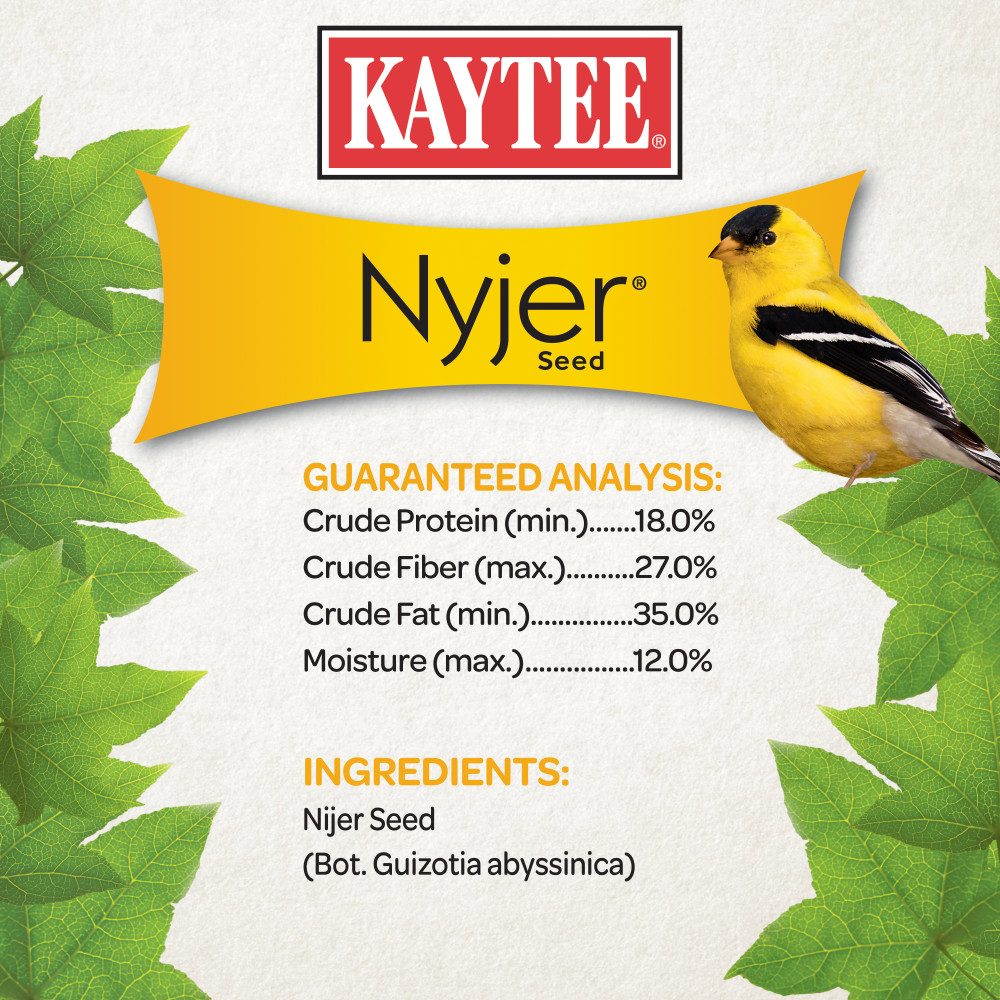
| Component | Percentage |
|---|---|
| Fat | 35-45% |
| Protein | 15-20% |
| Fiber | 10-15% |
| Carbohydrates | 10-15% |
| Minerals | 5-7% |
Nyjer seed has a high fat content, which helps birds stay warm. It also contains good protein and fiber for energy and digestion.
Why Goldfinches Love It
Goldfinches favor Nyjer seed for its taste and ease of eating. The seed fits their small beaks perfectly. It gives them the energy they need during cold months.
- Small seed size suits finch beaks
- High oil content provides energy
- Easy to digest
- Seeds stay fresh longer
- Less waste compared to other seeds
Credit: www.kaytee.com
Choosing Quality Nyjer Seed
Nyjer seed is a favorite food for many small birds. Choosing the best seed helps keep birds healthy and happy. It also makes your bird feeder more inviting.
Not all nyjer seed is the same. Quality depends on freshness, growing methods, and purity. Knowing what to look for makes a big difference.
Seed Freshness And Storage
Fresh nyjer seed has a strong nutty smell and a rich color. Old seed looks dull and may smell musty. Store seed in a cool, dry place in a sealed container. This stops mold and pests from spoiling it.
- Buy small amounts to keep seed fresh
- Keep seed away from direct sunlight
- Check for signs of moisture or mold before use
- Use seed within six months for best quality
Organic Vs. Conventional
Organic nyjer seed is grown without synthetic pesticides or fertilizers. Conventional seed may use chemicals but is often less expensive. Both types feed birds well, but organic seed is safer for the environment.
| Type | Use of Chemicals | Cost |
| Organic | No synthetic pesticides or fertilizers | Higher |
| Conventional | May use chemicals | Lower |
Common Contaminants To Avoid
Impurities in nyjer seed can harm birds. Dirt, weed seeds, and husks lower seed quality. Avoid seed with these contaminants to keep birds safe and healthy.
- Look for clean seed with few broken pieces
- Avoid seed mixed with dirt or dust
- Check for presence of other seeds or husks
- Choose brands that screen out contaminants
Best Feeders For Nyjer
Nyjer bird seed is a favorite food for small birds like finches. It is tiny and oily, which makes it hard to use in regular feeders.
Choosing the right feeder helps keep the seed from spilling and attracts more birds to your yard.
Feeder Types
Nyjer feeders have small holes or mesh to hold the tiny seeds. Tube feeders with metal mesh work best. They let birds cling while eating.
Thistle sock feeders are simple mesh bags that hold nyjer seeds. These are easy to refill and hang from tree branches.
- Tube feeders with metal mesh
- Thistle sock feeders
- Platform feeders with fine mesh trays
Material And Durability
Feeders made from metal resist squirrels and weather damage. Plastic feeders are lighter but may break faster.
Look for rust-proof metal feeders. They last longer and keep seeds dry. Durable mesh is important to hold the small nyjer seeds.
- Rust-proof metal feeders
- Strong mesh that doesn’t tear
- UV-resistant plastic for outdoor use
Placement Tips
Place feeders where birds feel safe. Near shrubs or trees is best. This gives birds a quick place to hide from predators.
Keep feeders away from busy walkways. Make sure the feeder is easy for you to refill and clean regularly.
- Hang feeders near bushes or trees
- Avoid windy or crowded spots
- Place feeders 5-6 feet above ground
- Clean feeders often to prevent mold
Attracting Goldfinches
Nyjer bird seed is a favorite for many small birds. Goldfinches especially love it. Using Nyjer seed helps bring these bright birds to your garden.
Goldfinches have a special diet. Nyjer seed fits perfectly. It is tiny and high in oil, giving them the energy they need.
Ideal Feeding Practices
Offer Nyjer seed in feeders made for small seeds. Tube feeders with tiny holes work best. Keep the seed dry to avoid mold.
- Use feeders with small openings
- Fill feeders regularly with fresh seed
- Place feeders where goldfinches can perch safely
- Clean feeders every two weeks
Seasonal Considerations
Goldfinch feeding needs change with the seasons. They eat more seeds in late summer and fall. In winter, they may visit feeders more often.
| Season | Goldfinch Feeding Tips |
| Spring | Offer fresh Nyjer seed; birds start nesting |
| Summer | Provide extra seed; energy for molting |
| Fall | Keep feeders full; birds prepare to migrate |
| Winter | Feed daily; food is scarce |
Creating A Goldfinch-friendly Habitat
Goldfinches like plants that provide seeds and shelter. Adding native plants helps them feed and nest nearby.
To build a goldfinch-friendly yard, include these plants:
- Sunflowers
- Thistles
- Coneflowers
- Goldenrod
Provide fresh water and avoid pesticides to keep birds safe.
Other Birds That Enjoy Nyjer
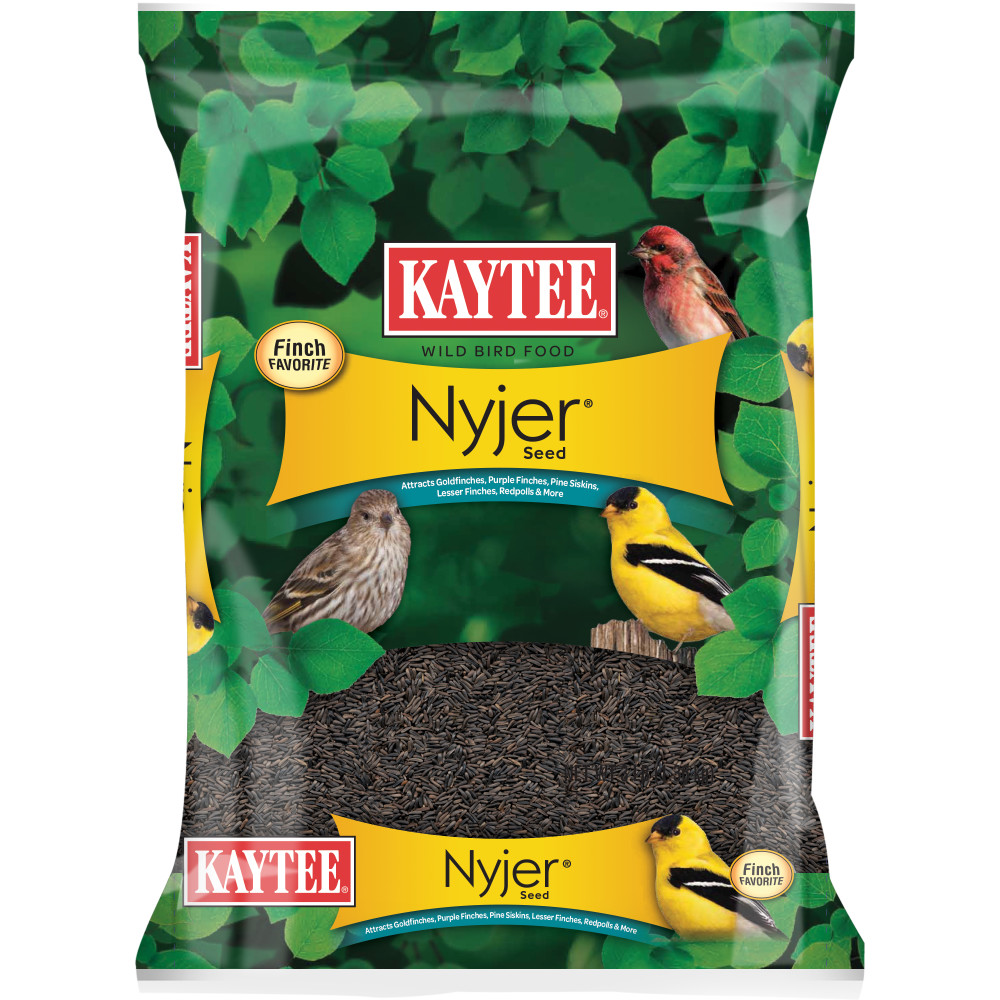
Nyjer seed is popular for attracting small birds. Many species besides finches enjoy this seed. It is rich in oil and easy for tiny birds to eat.
Understanding which birds like nyjer helps bird watchers and feeders choose the right feeders. It also helps keep peace among different bird species.
Species List
Several birds enjoy nyjer seed. These birds vary in size and behavior but share a taste for this nutritious food.
- American Goldfinch
- House Finch
- Redpoll
- Common Redpoll
- Purple Finch
- Even some sparrows
Behavioral Differences
Birds that eat nyjer show different behaviors at feeders. Some are shy and feed quietly. Others are bold and chase away smaller birds.
| Bird Species | Feeding Behavior |
| American Goldfinch | Gentle and social |
| House Finch | Competitive and loud |
| Redpoll | Shy but quick |
| Purple Finch | Dominant and aggressive |
Feeding Coexistence Tips
To help different bird species feed together, try these simple tips. They reduce fights and help all birds get food.
- Use multiple feeders spaced apart.
- Fill feeders often so food stays fresh.
- Place feeders in open areas for easy escape.
- Clean feeders regularly to prevent disease.
- Offer water nearby to attract more birds.
Credit: www.kaytee.com
Common Challenges And Solutions
Nyjer bird seed attracts many small birds but can also bring challenges. Understanding these problems helps keep your feeder successful.
This guide covers ways to prevent seed waste, handle squirrels and pests, and keep feeders clean and safe.
Preventing Seed Waste
Nyjer seeds are tiny and easy to spill. Birds may drop seeds on the ground, causing waste and mess.
- Use feeders with small holes to control seed flow.
- Place trays under feeders to catch spilled seeds.
- Fill feeders with smaller amounts frequently to reduce spoilage.
- Position feeders away from windy spots to avoid scattering seeds.
Dealing With Squirrels And Pests
Squirrels and pests often eat Nyjer seed, leaving less for birds. They can also damage feeders.
Try these tips to keep pests away:
| Method | Description |
|---|---|
| Squirrel Baffles | Install guards below feeders to block squirrels from climbing. |
| Weight-Sensitive Feeders | Use feeders that close ports when heavy animals land on them. |
| Location | Place feeders on poles far from trees and walls to prevent jumping. |
Maintaining Feeder Hygiene
Clean feeders stop mold and bacteria from harming birds. Dirty feeders also reduce seed quality.
- Wash feeders with warm, soapy water every two weeks.
- Rinse well and dry before refilling with seed.
- Remove old or wet seed to prevent mold growth.
- Use a brush to clean hard-to-reach spots inside feeders.
Buying And Storing Nyjer
Nyjer seed is a favorite food for small birds like finches. It is tiny and high in oil, which birds love. Proper buying and storing keep the seed fresh and safe for birds.
Knowing where to buy good Nyjer and how to keep it well helps attract more birds to your feeder. This guide explains the best places to buy and how to store Nyjer seed.
Best Purchase Sources
Buy Nyjer seed from places that offer fresh and clean seed. Look for stores that sell bird seed regularly. Check for good packaging to avoid old or damaged seeds.
You can find Nyjer at garden centers, pet shops, and online stores. Buying in small amounts helps keep the seed fresh. Bulk seed might save money but can spoil faster.
- Garden centers usually have fresh, local seed
- Pet stores often stock bird seed with good quality
- Online shops give many brands and price options
- Buy small bags if you feed a few birds
Proper Storage Methods
Store Nyjer seed in a cool, dry place to keep it fresh. Moisture can cause mold and spoil the seed. Use airtight containers to stop bugs and air from entering.
Keep seed away from direct sunlight and heat. A pantry or closet works well. If you buy in bulk, divide the seed into smaller containers to open as needed.
- Use airtight containers like plastic bins or jars
- Store in a dry, cool place away from sunlight
- Keep seed off the floor to avoid pests
- Check seed regularly for signs of moisture or bugs
Shelf Life And Freshness Signs
Nyjer seed stays good for about six to twelve months if stored well. Old seed loses oil and taste, which birds do not like. Check seed often for freshness.
Fresh Nyjer smells nutty and looks clean. If it smells musty, has clumps, or shows bugs, it is old or spoiled. Throw away bad seed to keep birds safe.
- Nyjer lasts 6 to 12 months in good storage
- Fresh seed smells nutty and looks clean
- Do not use seed with mold, clumps, or bugs
- Old seed is less oily and less attractive to birds
Frequently Asked Questions
What Is Nyjer Bird Seed Made Of?
Nyjer bird seed is made from tiny, oil-rich seeds of the African yellow daisy plant. It is high in fat and protein, attracting finches and small songbirds. Its small size requires special feeders with tiny holes to prevent spillage and waste.
Which Birds Eat Nyjer Seed?
Nyjer seed primarily attracts finches such as American Goldfinch, Pine Siskin, and House Finch. Other small birds like Redpolls and Purple Finches also enjoy it. Its high oil content provides essential energy, especially during cold months.
How To Store Nyjer Seed Properly?
Store Nyjer seed in a cool, dry place away from sunlight. Use airtight containers to keep it fresh and prevent mold or insect infestation. Proper storage preserves its nutritional value and prevents spoilage for several months.
Why Use Special Feeders For Nyjer Seed?
Nyjer seed is very small and can easily spill out of regular feeders. Special Nyjer feeders have tiny holes that allow only small birds to access the seed. This design reduces seed waste and keeps larger birds and squirrels away.
Conclusion
Nyjer bird seed is a great choice for bird lovers. It attracts finches and small birds with ease. Its tiny size fits perfectly in feeders. Rich in oil, it provides energy for birds. This seed helps maintain a healthy bird population.
Easy to find in many stores. Affordable for any bird enthusiast. Perfect for those who enjoy backyard bird watching. It enhances your connection with nature. Nyjer seed supports a thriving, lively garden. Keep your feathered friends happy and coming back.
Enjoy the cheerful chirping and vibrant colors they bring.