
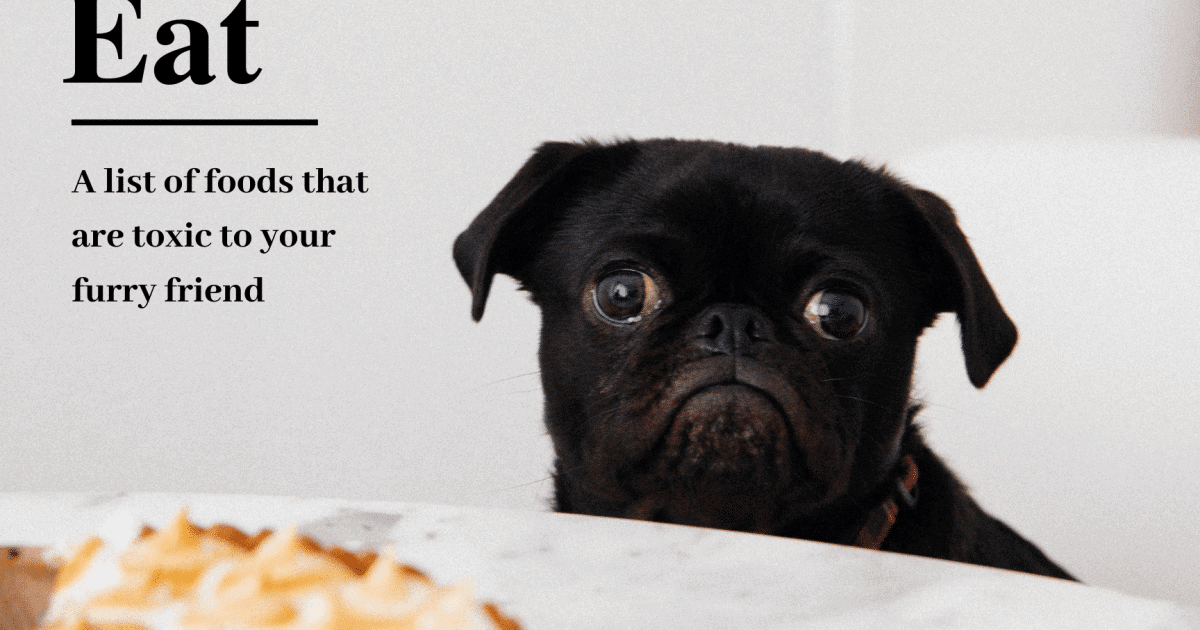
Have you ever caught your dog munching on bird seed and wondered if it’s safe? It’s a common concern for many pet owners like you.
Understanding what happens if a dog eats bird seed is important for their health and your peace of mind. You might be asking, “Is this harmless, or could it cause problems for my furry friend?” Keep reading to discover the surprising facts, potential risks, and what you should do if your dog gets into bird seed.
This information could make all the difference in keeping your dog safe and happy.

Credit: www.reddit.com
Common Ingredients In Bird Seed
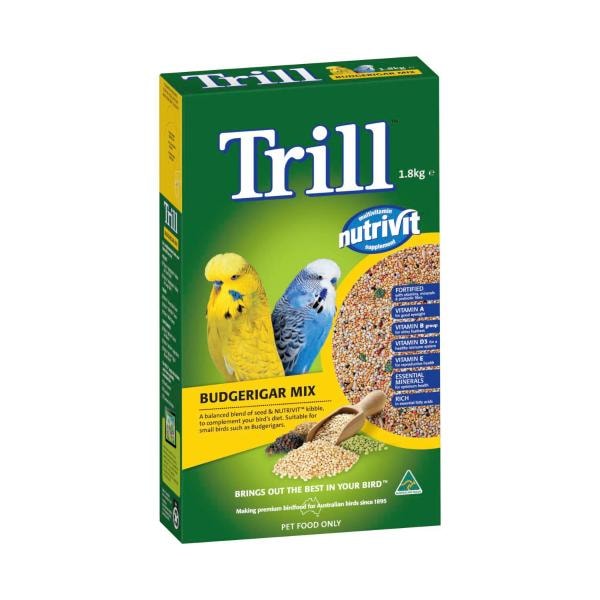
Bird seed mixes contain many types of seeds and ingredients. These ingredients attract different bird species.
Knowing what is in bird seed helps understand if it is safe for dogs if eaten accidentally.
Types Of Seeds Found In Mixes
Bird seed mixes often have a variety of seeds. Each seed has different nutrients and effects.
- Sunflower seeds: Popular and high in fat and protein.
- Millet: Small and easy to digest for birds.
- Safflower seeds: Bitter taste, good for some birds.
- Cracked corn: Cheap filler, rich in carbohydrates.
- Thistle (Nyjer): Tiny seeds for finches.
Additives And Preservatives
Bird seed often contains additives to keep it fresh and free from pests.
| Additive | Purpose | Possible Effect on Dogs |
| Fungicides | Prevent mold growth | Can cause mild stomach upset |
| Pesticides | Keep insects away | May be toxic if eaten in large amounts |
| Salt | Enhance taste | Too much salt can harm dogs |
| Artificial colors | Make seed mix look attractive | Usually safe in small amounts |
Credit: www.coles.com.au
Potential Risks For Dogs
Dogs may eat bird seed out of curiosity or hunger. It is important to know the risks that can come with this. Some seeds and plants can harm your dog.
Bird seed can also cause physical problems like choking or stomach upset. Watch your dog closely if it eats bird seed.
Toxic Seeds And Plants
Some bird seeds may contain toxic plants or seeds that hurt dogs. These toxins can cause vomiting, weakness, or worse. Be aware of what seeds are in the mix.
- Sunflower seeds are usually safe but avoid salted types.
- Millet is not toxic but can cause mild stomach upset.
- Some mixes may have seeds from toxic plants like nightshade.
- Seeds with shells can cause irritation or poisoning if toxic.
Choking Hazards
Bird seed often has small, hard pieces. Dogs can choke if they try to swallow large amounts quickly. Seeds with shells are especially risky.
| Risk | Cause | Signs |
| Choking | Hard seeds or shells | Coughing, gagging, difficulty breathing |
| Blockage | Large seed pieces | Vomiting, lack of appetite, abdominal pain |
Digestive Issues
Eating bird seed can upset your dog’s stomach. The shell and seed oils may cause gas or diarrhea. Some dogs may be allergic to certain seeds.
Common digestive symptoms include:
- Vomiting
- Diarrhea
- Abdominal discomfort
- Loss of appetite
Symptoms To Watch For
If your dog eats bird seed, watch closely for any unusual symptoms. Bird seed can cause mild to serious health problems.
Knowing the signs helps you act fast and keep your dog safe.
Signs Of Allergic Reactions
Some dogs may be allergic to ingredients in bird seed. Watch for these signs:
- Itchy skin or redness
- Swelling of the face or paws
- Hives or bumps on the skin
- Difficulty breathing or coughing
- Excessive licking or scratching
Gastrointestinal Distress
Bird seed can upset your dog’s stomach. Look for these signs of digestive trouble:
| Symptom | Description |
|---|---|
| Vomiting | Throwing up soon after eating bird seed |
| Diarrhea | Loose or watery stools |
| Loss of appetite | Refusing to eat or eat less than usual |
| Abdominal pain | Whining or sensitivity when belly is touched |
| Excessive drooling | More saliva than normal |
Behavioral Changes
Eating bird seed may cause your dog to act differently. Watch for these behavior changes:
- Lethargy or tiredness
- Restlessness or pacing
- Whining or barking more than usual
- Hiding or avoiding contact
- Shaking or trembling

Credit: shootingsportsman.com
Immediate Actions To Take
If your dog eats bird seed, quick action helps keep them safe. Not all bird seeds are harmful, but some can cause problems. Knowing what to do right away can protect your dog’s health.
This guide shows how to check how much seed your dog ate and when to call a vet. Follow these steps carefully to act fast and right.
Assessing The Amount Consumed
First, find out how much bird seed your dog swallowed. This helps you decide the next steps. Small amounts might be less risky than large ones.
- Check the type of bird seed eaten.
- Look at the packet or container for ingredients.
- Estimate how much seed your dog ate, in cups or handfuls.
- Note if your dog chewed or swallowed seeds whole.
- Watch for signs of choking or difficulty breathing.
When To Contact A Veterinarian
Call your vet if your dog shows any unusual symptoms or you are unsure about the amount eaten. Early advice can prevent serious issues.
| Signs to Watch For | Reason to Call Vet |
| Vomiting or diarrhea | Possible poisoning or upset stomach |
| Excessive drooling | Could mean irritation or toxicity |
| Difficulty breathing | Emergency situation |
| Lethargy or weakness | Body reacting badly |
| Large amount eaten | Risk of blockage or poisoning |
Preventing Accidental Ingestion
Dogs may eat bird seed by accident, which can cause stomach upset. Taking steps to prevent this can keep your pet safe and healthy.
Learn how to store bird seed properly, train your dog, and use bird seed safely outdoors to avoid problems.
Safe Storage Tips
Keep bird seed out of your dog’s reach to stop accidental eating. Store it in places your dog cannot access.
- Use sealed containers to keep bird seed fresh and secure.
- Store containers on high shelves or inside locked cabinets.
- Clean up any spilled seed immediately to avoid attracting pets.
- Label containers clearly to prevent confusion with pet food.
Training Your Dog
Teach your dog not to eat things from the ground or plants. Training helps your dog know what is safe to eat.
- Use commands like “leave it” to stop your dog from eating bird seed.
- Reward your dog with treats when it listens to you.
- Practice training in places where bird seed is found.
- Be consistent and patient during training sessions.
Using Bird Seed Safely Outdoors
Place bird feeders where your dog cannot reach them. This reduces the chance your dog will eat the seed.
| Location | Reason |
|---|---|
| High on poles | Out of dog’s reach |
| Mounted on walls | Keeps seed off the ground |
| Far from play areas | Reduces attraction to dogs |
Alternatives To Bird Seed For Dogs
Bird seed is not ideal for dogs to eat. It can cause stomach upset and does not provide needed nutrients. You should offer safer and healthier options as treats or snacks.
There are many alternatives that dogs enjoy. These options support their health and satisfy their chewing needs.
Safe Treat Options
Choose treats made just for dogs. These treats contain ingredients that are safe and healthy. Avoid anything with harmful additives or spices.
Fresh fruits and vegetables can also be good treats. Always check if they are safe for dogs first.
- Carrot sticks
- Apple slices (no seeds)
- Blueberries
- Plain cooked chicken pieces
- Commercial dog biscuits
Healthy Chewing Alternatives
Dogs need to chew to keep their teeth clean and jaws strong. Safe chew toys and treats help with this need. Avoid hard items that can break their teeth.
Look for chews that are easy to digest and made for dogs. Natural options are best to avoid chemicals.
- Rawhide alternatives made from vegetables
- Bully sticks
- Dental chews approved by vets
- Rubber or nylon chew toys
- Antlers or bones designed for dogs
Frequently Asked Questions
Can Dogs Safely Eat Bird Seed?
Most bird seeds are not toxic to dogs but may cause mild digestive upset. Avoid large amounts to prevent stomach issues. Always monitor your dog after ingestion and consult a vet if symptoms worsen.
What Symptoms Appear If A Dog Eats Bird Seed?
Dogs may show vomiting, diarrhea, or stomach discomfort. Seeds can cause blockages if ingested in large amounts. Watch for lethargy or unusual behavior and seek veterinary help if needed.
Is Bird Seed Toxic To Dogs?
Bird seed itself is generally non-toxic but may contain harmful additives or mold. Seeds with coatings or additives can pose risks. Always check the seed type and consult a vet for safety.
How To Prevent Dogs From Eating Bird Seed?
Keep bird seed containers sealed and out of your dog’s reach. Train your dog to avoid eating unknown items. Supervise your pet during outdoor activities near bird feeders.
Conclusion
Dog owners worry when their pets eat bird seed. It’s important to monitor your dog. Small amounts might not harm them. Yet, large quantities can cause issues. Dogs may experience digestive problems. Vomiting or diarrhea are common symptoms. Always consult a vet if symptoms appear.
Prevention is key. Keep bird seed out of reach. Safe storage protects curious pets. By being cautious, you ensure your dog’s health. Their safety comes first. Understanding potential risks can help. Stay informed and prepared. Your pet’s well-being depends on it.



