
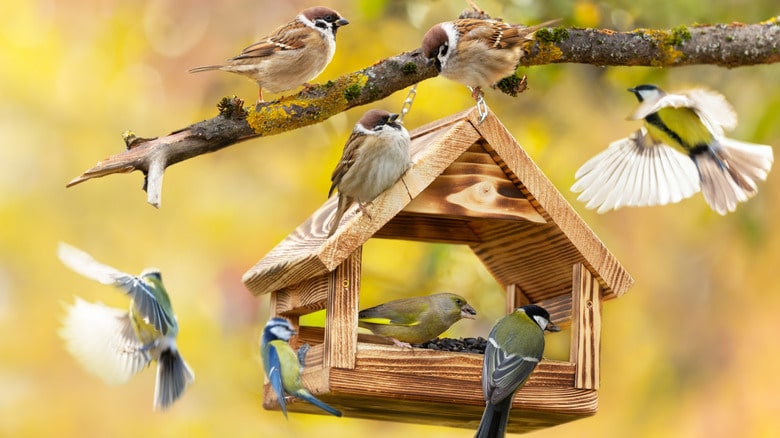
Have you ever wondered why some yards are buzzing with colorful birds while others stay silent? If you want your outdoor space to become a bird magnet, it’s important to know what birds really look for in a yard.
From food to shelter, small details make a big difference. You’ll discover simple ways to turn your yard into a welcoming haven that invites birds to visit again and again. Ready to bring more life and beauty right outside your window?
Let’s dive in!
Key Features Birds Seek
Birds look for certain things in a yard to feel comfortable and safe. These features help them find food, water, shelter, and protection. If you want to attract birds, understanding what they need is very important.
Each element plays a role in making a yard a friendly place for birds. Let's explore the main features birds seek in a yard.
Food Sources
Birds need easy access to food to visit a yard often. They look for seeds, berries, insects, and nectar. Different birds prefer different foods, so a variety can attract many species.
- Native plants that produce seeds and berries
- Flowering plants that attract insects
- Bird feeders with seeds or suet
- Fruit trees or shrubs
- Natural insect habitats
Water Availability
Birds need water for drinking and bathing. A clean water source in the yard makes it easier for them to stay healthy. Ponds, birdbaths, or shallow dishes work well.
| Water Source | Benefits |
| Birdbath | Easy access and shallow depth |
| Small pond | Natural habitat for insects and amphibians |
| Dripping faucet | Attracts birds with moving water |
| Shallow dish | Simple and easy to clean |
Shelter And Nesting Spots
Birds need places to hide from weather and build nests. Trees, shrubs, and brush piles give them good shelter. Nesting boxes also help birds that use cavities.
Good shelter includes:
- Dense shrubs and bushes
- Evergreen trees for year-round cover
- Dead trees or logs for natural cavities
- Safe places to build nests
Safety From Predators
Birds avoid yards where they feel unsafe. They look for spots with low risk of cats, hawks, and other predators. Dense cover and high perches help them watch for danger.
- Thick bushes to hide inside
- Tall trees to perch and scan the area
- Clear ground space to spot approaching threats
- Away from busy roads and human disturbance

Credit: www.allaboutbirds.org
Choosing The Right Plants
Birds need plants that provide food, shelter, and safety. Picking the right plants helps attract more birds to your yard.
Plants should offer seeds, berries, nectar, or insects. They also give places for birds to hide from predators.
Native Plants For Birds
Native plants grow well in your region and support local birds. Birds know how to find food and shelter in these plants.
Using native plants helps maintain the natural ecosystem. These plants attract more insects, which some birds eat.
- Choose wildflowers, grasses, and shrubs native to your area
- Avoid invasive species that harm local plants and birds
- Plant groups of the same species for better bird habitat
Flowering And Fruiting Options
Flowering plants provide nectar for hummingbirds and butterflies. Fruiting plants offer berries and seeds for many birds.
Pick plants that bloom or fruit at different times. This gives food for birds all year long.
- Choose flowers like bee balm, coneflowers, and sunflowers
- Plant fruiting bushes like elderberry, serviceberry, and holly
- Include seed-producing plants like goldenrod and asters
Trees And Shrubs For Cover
Trees and shrubs give birds places to hide and rest. They protect birds from bad weather and predators.
Dense shrubs and tall trees create good nesting spots. They also help birds feel safe in your yard.
- Plant evergreens like pine and cedar for year-round cover
- Use shrubs like dogwood, viburnum, and lilac for hiding spots
- Include a mix of tall and short plants for varied shelter
Feeding Birds Effectively
Birds visit yards to find food, water, and shelter. Feeding birds helps them survive and thrive near your home.
Providing the right food and feeders makes your yard a safe and attractive place for many bird species.
Types Of Bird Feeders
Different feeders attract different birds. Some hold seeds, others offer nectar or suet. Choose feeders that suit your local birds.
- Tube feeders: great for small songbirds like finches and chickadees
- Platform feeders: open trays that attract a variety of birds including cardinals and jays
- Suet feeders: cages that hold suet cakes, favored by woodpeckers and nuthatches
- Nectar feeders: designed for hummingbirds and orioles
- Nyjer feeders: small mesh feeders for tiny seeds loved by goldfinches
Best Bird Seeds And Foods
Different birds prefer different foods. Using the right seeds helps attract the birds you want to see.
| Seed or Food | Birds Attracted |
| Black oil sunflower seeds | Many songbirds, including cardinals and finches |
| Nyjer seed | Goldfinches, siskins, and redpolls |
| Millet | Ground-feeding birds like doves and sparrows |
| Suet | Woodpeckers, nuthatches, and chickadees |
| Nectar (sugar water) | Hummingbirds and orioles |
Feeding Tips For Different Seasons
Bird needs change with the seasons. Adjust feeders and foods to help them year-round.
- Spring:Offer high-protein foods like suet and mealworms for nesting birds.
- Summer:Provide fresh water and sunflower seeds to support active birds.
- Fall:Fill feeders with seeds high in fat for energy during migration.
- Winter:Use feeders with high-fat foods like suet and black oil sunflower seeds to help birds stay warm.
Providing Water Sources
Birds need water to drink and bathe. A yard with water attracts many birds. Offering water helps birds stay healthy and clean.
Providing water in different ways makes your yard more inviting. Birds look for safe and fresh water sources near their feeding areas.
Birdbaths And Water Features
Birdbaths offer a simple way to give water to birds. They come in many styles and sizes. Water features like small fountains also attract birds by creating a relaxing environment.
- Use shallow birdbaths with a slope for easy landing
- Place baths near shrubs or trees for cover
- Choose materials that keep water cool, such as ceramic or stone
- Consider solar-powered fountains to add movement
Maintaining Clean Water
Clean water is vital for bird health. Dirty water can spread disease and scare birds away. Check birdbaths often and change the water regularly.
| Task | Frequency | Reason |
|---|---|---|
| Refill water | Daily or every 2 days | Keep water fresh and attractive |
| Clean birdbath | Weekly | Remove algae, dirt, and bacteria |
| Scrub with brush | Monthly | Prevent buildup and keep surface safe |
Attracting Birds With Moving Water
Birds prefer moving water over still water. It looks fresh and is easier to find. Moving water also helps birds spot predators by sound.
Ways to add moving water:
- Install a small fountain or dripper
- Add a mister or spray feature
- Use a recirculating waterfall
- Place water near a gentle drip or stream
Creating Safe Habitats
Birds need safe places to live and find food. A yard can be a good home if it is safe and welcoming.
Providing a safe habitat helps birds stay healthy and raise their young.
Avoiding Pesticides And Chemicals
Pesticides and chemicals can harm birds. These substances can poison birds or reduce the insects they eat.
Use natural methods to control pests. Avoid spraying chemicals in your yard to keep birds safe.
- Choose organic fertilizers and pest control
- Plant native flowers that attract beneficial insects
- Allow some weeds and insects to live naturally
Providing Shelter From Weather
Birds need shelter to protect from rain, wind, and cold. Trees, shrubs, and birdhouses offer good cover.
Dense plants also give birds a safe place to rest and hide from predators during bad weather.
- Plant evergreen trees and bushes
- Put up birdhouses or nesting boxes
- Leave dead trees or branches for natural shelter
Keeping Pets Away
Pets like cats and dogs can scare or harm birds. Keep pets away from bird feeding and nesting areas.
Use fences or barriers to protect birds and give them space to live safely.
- Keep cats indoors or supervised outside
- Designate pet-free zones near bird feeders
- Train dogs to avoid bird areas

Credit: www.allaboutbirds.org
Additional Tips To Attract Birds
Creating a bird-friendly yard means more than just food and water. Small details can invite more birds to visit and stay.
These tips help you make your yard a safe and welcoming place for birds all year round.
Using Birdhouses And Nest Boxes
Birdhouses offer shelter and a place for birds to raise their young. Different birds need different sizes and shapes.
Place birdhouses in quiet spots away from strong winds and direct sunlight. Keep them clean to prevent disease.
- Use untreated wood for safety
- Mount houses 5 to 10 feet above ground
- Face the entrance away from prevailing winds
- Clean yearly after nesting season
Incorporating Natural Materials
Birds like yards that feel natural. Use leaves, twigs, and grasses to make your space inviting.
Plant native bushes and flowers. They provide food and shelter. Let some areas grow wild for cover.
- Leave leaf piles for insects and shelter
- Use native plants for food and nesting
- Place small logs or branches for perching
- Avoid chemicals that harm birds or insects
Timing And Patience
Birds need time to find new places. Be patient and keep your yard ready through the seasons.
Different birds visit at different times. Watch quietly and enjoy the changes in your yard’s visitors.
- Keep feeders and water fresh all year
- Observe early morning for most bird activity
- Record which birds visit and when
- Adjust your yard based on bird behavior

Credit: www.birdsandblooms.com
Frequently Asked Questions
What Features Attract Birds To A Yard?
Birds seek food, water, shelter, and nesting spots. Native plants, bird feeders, and fresh water increase yard appeal. Safe spaces away from predators also attract birds.
How Important Is Water For Birds In A Yard?
Water is vital for drinking and bathing. A birdbath or small pond encourages visits. Clean, fresh water attracts more bird species and supports their health.
Which Plants Do Birds Prefer In A Yard?
Birds favor native trees, shrubs, and flowers. These plants provide natural food sources like seeds and berries. Diverse plantings also offer shelter and nesting sites.
How Can I Make My Yard Bird-friendly Year-round?
Provide food, water, and shelter in all seasons. Use feeders, birdbaths, and native plants. Keep habitat safe from predators and minimize pesticide use.
Conclusion
Creating a bird-friendly yard is rewarding and simple. Birds seek food, water, and shelter. Native plants attract diverse species. Provide fresh water sources like birdbaths. Offer various seeds and fruits. Avoid pesticides to keep the environment safe. Add nesting boxes for shelter.
Birds enjoy different heights and textures. Trees, shrubs, and flowers offer variety. A welcoming yard invites birds to visit. Small changes make a big difference. Enjoy the lively presence of birds. Nature's beauty right at home. Keep observing and learning from these feathered friends.
A thriving yard awaits.


