Have you ever wondered if birds, like you, can get sunburned? When you see a bird basking in the sun, it’s easy to assume they’re safe from sun damage.
But what if your feathered friends are at risk without you even knowing? Understanding whether birds can get sunburn is important if you care about their health and want to keep them safe. Keep reading to discover surprising facts that might change how you think about birds and sunlight forever.

Credit: www.youtube.com
Bird Skin And Feathers
Birds have skin covered mostly by feathers. Their skin is thin and delicate.
Feathers protect birds from sun damage. But some parts of their skin stay exposed.
Feather Protection Against Sun
Feathers block most sunlight from reaching the skin. They act like a natural sun shield.
Feathers reflect and absorb the sun’s rays. This lowers the risk of skin damage in birds.
- Feather density helps protect the skin.
- Dark feathers absorb more heat but protect better.
- Light feathers reflect sunlight to keep birds cool.
Areas Vulnerable To Sunburn
Some bird parts have little or no feathers. These spots get more sun exposure.
Skin on the face, legs, and around the eyes is most at risk of sunburn.
- Beak edges and around the nostrils
- Thin skin near the eyes
- Legs and feet with sparse feathers
- Bald patches on some bird species

Credit: www.youtube.com
Causes Of Sunburn In Birds
Birds can get sunburned just like humans. Their skin can burn when exposed to too much sunlight. Understanding what causes sunburn helps protect birds better.
Sunburn happens when the skin gets damaged by ultraviolet (UV) rays from the sun. Some birds are more at risk than others because of their feather coverage and how much time they spend in the sun.
Exposure To Uv Rays
UV rays come from sunlight and can harm bird skin. Birds that spend a lot of time outside face a higher risk of sunburn. UV rays can burn the skin quickly on bright, sunny days.
Birds with thin or light-colored feathers get less protection from UV rays. The rays pass through feathers and reach the skin underneath. This causes redness and damage to the skin.
- UV rays cause skin damage
- Long outdoor time increases risk
- Bright sunlight has stronger UV rays
- Thin feathers allow more UV to pass
Lack Of Feather Coverage
Feathers protect bird skin from the sun. Birds with missing or thin feathers have less protection. Skin without feathers burns more easily under sunlight.
Young birds and birds with feather loss from illness or molting are more likely to get sunburn. Bare skin areas like around the eyes, beak, and legs are also at risk.
- Feathers block sun rays
- Feather loss exposes skin
- Young birds often have thin feathers
- Bare skin areas are vulnerable
Symptoms Of Sunburn In Birds
Birds can get sunburned just like humans. Their skin and feathers can show damage from too much sun exposure. Knowing the signs helps you protect your bird.
Sunburn in birds can affect their skin and behavior. Watch closely for any changes that might mean your bird needs care.
Visual Signs On Skin
Sunburned skin in birds often looks different from normal skin. You might see redness or swelling. Some birds may lose feathers in the sunburned area.
- Red or pink patches on bare skin
- Swollen or tender skin spots
- Peeling or flaky skin
- Feather loss in affected areas
- Scabs or sores if the burn is severe
Behavioral Changes
Sunburn can make birds feel uncomfortable or in pain. Their behavior may change to show they are not feeling well.
| Behavior | What It Means |
| Resting more than usual | Bird feels weak or tired |
| Fluffed up feathers | Bird tries to keep warm or soothe skin |
| Less eating or drinking | Bird is stressed or in pain |
| Avoiding sunlight | Bird tries to prevent more damage |
| Increased preening | Bird tries to clean or soothe skin |
Bird Species Prone To Sunburn
Birds can get sunburned just like humans. Some bird species are more at risk because of their feather coverage and living environment. Understanding which birds are prone to sunburn helps protect them better.
Sunburn can cause pain and damage to a bird’s skin. It is important to know how feather coverage and outdoor exposure affect their vulnerability.
Birds With Sparse Feathers
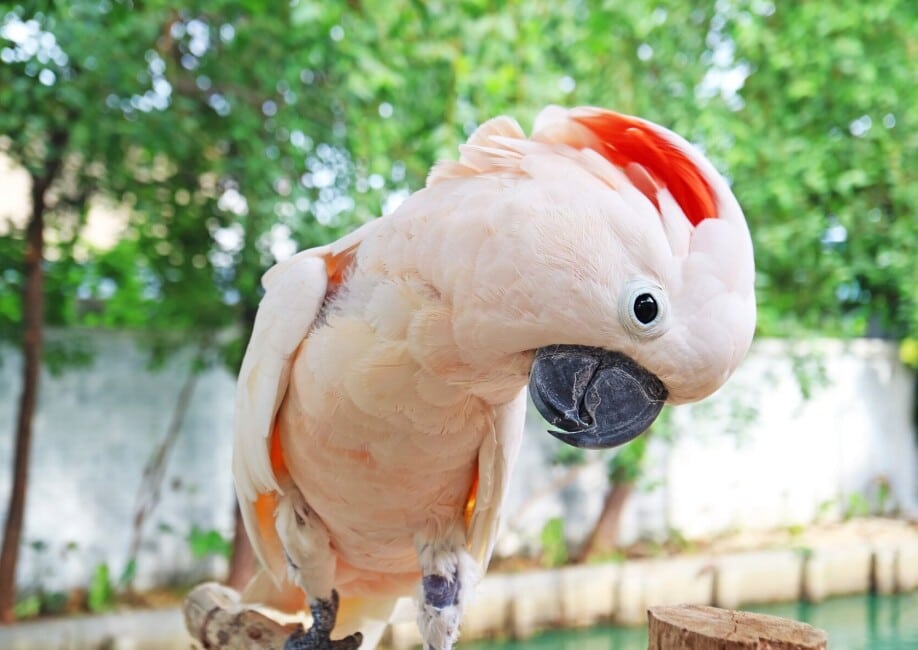
Birds with thin or sparse feathers have less protection from the sun. Their skin is exposed and can burn easily. Examples include parrots, cockatoos, and some species of pigeons. These birds need extra care in strong sunlight.
- Parrots often have thin feathers on their faces and legs.
- Cockatoos have light feather coverage on their crests and necks.
- Pigeons sometimes show bare skin on their necks.
- Young birds with growing feathers are also more at risk.
Indoor Vs Outdoor Birds
Birds that live outdoors get more sun exposure. Indoor birds usually get less sun but can still burn if near windows. The risk depends on the length and intensity of sun exposure.
| Type of Bird | Sun Exposure | Sunburn Risk |
| Outdoor Birds | High | Higher risk without shade |
| Indoor Birds | Low to Medium | Lower risk, but still possible |
| Birds near Windows | Medium | Risk increases if sun is direct |
Preventing Sunburn In Birds
Birds can get sunburn just like humans. Their skin, especially on thin feather areas, can burn from too much sun.
It is important to keep birds safe from sunburn to protect their health. You can do this by giving them shade and using safe sun protection.
Providing Shade And Shelter
Birds need places to hide from strong sunlight. Shade helps stop their skin from burning and keeps them cool.
Use trees, umbrellas, or covered areas in outdoor spaces. Make sure birds always have a shady spot to rest.
- Provide natural shade with trees or bushes
- Set up umbrellas or canopies in bird areas
- Use covered cages or aviaries with shade
- Check often that shade moves with the sun
Using Bird-safe Sunblock
Some birds have skin parts that get sunburned easily. Bird-safe sunblock can protect these areas.
Choose sunblocks made specifically for birds. They do not have harmful chemicals and are safe if birds groom themselves.
- Apply sunblock on thin feather areas like around the beak and eyes
- Use products labeled safe for birds or pets
- Reapply sunblock after swimming or heavy sweating
- Consult a vet before using any new product
Treating Sunburn In Birds
Birds can get sunburn just like humans. Their skin and feathers can suffer damage from too much sun. Treating sunburn quickly helps your bird heal well.
Knowing how to care for a sunburned bird is important. You can help your pet feel better with simple home steps. Sometimes, a vet visit is needed.
Home Care Tips
Start by moving your bird out of direct sunlight. Give them a cool, shaded place to rest. Avoid using creams or lotions unless prescribed by a vet.
- Keep your bird hydrated with fresh water.
- Use a damp cloth to gently cool the sunburned skin.
- Do not let your bird scratch or pick at the skin.
- Watch for signs of infection like redness or swelling.
- Provide a calm and quiet environment to reduce stress.
When To See A Vet
Some sunburn cases need professional care. Contact your vet if your bird shows severe symptoms. Early treatment can prevent serious problems.
| Symptom | Reason to See a Vet |
| Blistering or open sores | Risk of infection |
| Swelling or severe redness | Possible allergic reaction |
| Bird is very weak or not eating | Signs of illness or pain |
| Feather loss near sunburn | Skin damage needing treatment |
Myths About Birds And Sun Exposure
People often wonder if birds can get sunburned like humans. Some myths say birds are safe in the sun all day long. It is important to understand the truth about birds and sun exposure.
Sunlight affects birds differently than humans. Learning facts helps us care for birds better and avoid wrong ideas.
Birds Cannot Get Sunburned
Many believe birds cannot get sunburned. Birds have feathers that protect their skin from the sun. But some parts of their body have less feather cover.
Areas like the beak, feet, and around the eyes can get sun damage. Birds can get sunburned if exposed too long without shade.
Birds Need Constant Sunlight For Vitamin D
Some say birds must stay in the sun all day to get vitamin D. Birds do need sunlight to make vitamin D, but not too much.
Short periods of sun exposure are enough. Too much sun can harm their skin and feathers.
Feathers Fully Protect Birds From Uv Rays
People think feathers block all UV rays. Feathers do protect birds, but UV rays can still reach some skin areas.
Thin or missing feathers increase the risk of sun damage. Birds need shade or shelter in strong sunlight.
Birds Always Know When To Avoid The Sun
Some believe birds instinctively avoid sunburn. Birds do seek shade, but they can still get sun damage if trapped or stressed.
Caregivers should provide shade and fresh water to help protect birds from sun harm.

Credit: www.youtube.com
Frequently Asked Questions
Can Birds Get Sunburn Like Humans?
Yes, birds can get sunburned, especially those with thin or light-colored feathers. Their skin is sensitive to UV rays and can suffer damage without protection.
What Signs Show A Bird Has Sunburn?
Sunburned birds may show redness, swelling, or peeling skin. They might also display discomfort, feather loss, or reduced activity due to pain.
How Can I Protect My Pet Bird From Sunburn?
Keep birds indoors during peak sunlight hours. Provide shaded outdoor areas and avoid direct sun exposure for long periods to prevent sunburn and skin damage.
Do All Bird Species Risk Sunburn Equally?
No, birds with less feather coverage or lighter skin are more prone to sunburn. Dark-feathered birds have better natural protection from UV rays.
Conclusion
Birds can indeed get sunburn, much like humans. Their feathers provide some protection, but not completely. Birds with fewer feathers or lighter colors are more at risk. Sunburn can cause pain and health issues for birds. Providing shaded areas is crucial for their well-being.
Ensure your pet bird has a cool, shaded space. This helps prevent sunburn and keeps them comfortable. Observing your bird’s behavior is important. Signs of discomfort might indicate sunburn. Proper care and attention can help birds enjoy sunny days safely.
Keep their environment safe and sunburn-free.