
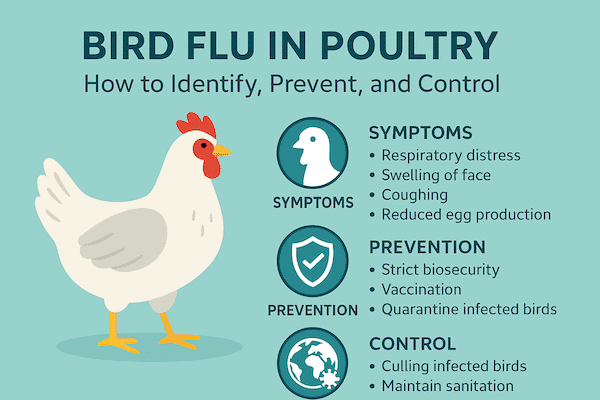
If your feathered friend is showing signs of breathing trouble, you need to act fast. Respiratory infections in birds can quickly become serious if left untreated.
You might feel worried or unsure about what to do next. Don’t worry—this guide will help you understand how to recognize the symptoms and provide the right care to help your bird recover. Keep reading to learn simple, effective steps you can take right now to protect your bird’s health and keep those wings strong.
Common Respiratory Infections In Birds
Birds can get respiratory infections that affect their breathing. These infections can be caused by bacteria, viruses, or fungi.
It is important to know the common types of respiratory infections in birds. Early care can help birds recover faster.
Symptoms To Watch For
Birds with respiratory infections often show signs that you can notice. Watch your bird carefully for any changes.
Common symptoms include trouble breathing and unusual noises when the bird breathes.
- Difficulty breathing or rapid breathing
- Wheezing or clicking sounds
- Runny nose or watery eyes
- Swelling around the face or eyes
- Coughing or sneezing
- Loss of appetite and weight
- Fluffed-up feathers or lethargy
Causes And Risk Factors
Respiratory infections in birds happen because of germs or poor living conditions. Some birds get sick more easily than others.
Stress and weak immune systems increase the risk of infection. Dirty cages and bad air quality also cause problems.
- Bacteria like Mycoplasma and Chlamydia
- Viruses such as avian influenza
- Fungal infections like aspergillosis
- Stress from moving or loud noises
- Poor ventilation and dusty cages
- Close contact with infected birds
- Sudden temperature changes
Credit: birdpalproducts.com
Diagnosing Bird Respiratory Issues
Respiratory infections in birds can be hard to spot early. Careful diagnosis helps find the cause and guides treatment.
Bird owners should watch for signs like sneezing, coughing, or nasal discharge. A vet’s exam is important for proper care.
Veterinary Examination
The vet will first check the bird’s breathing and listen to its lungs. They look for swelling, discharge, or unusual sounds.
- Check the bird’s nostrils for blockage or discharge
- Examine the eyes for redness or swelling
- Observe the bird’s breathing rate and effort
- Look at the bird’s posture and activity level
- Feel the chest and air sacs for abnormalities
Diagnostic Tests
After the exam, tests help identify the infection type. These tests guide the right treatment and care.
| Test | Purpose |
| Feather and skin swabs | Detect bacteria or fungi |
| Blood tests | Check for infection signs and immune response |
| Radiographs (X-rays) | See lung and air sac condition |
| Culture and sensitivity | Identify bacteria and best antibiotics |
| Endoscopy | Look inside airways for damage or infection |
Home Remedies For Respiratory Health
Respiratory infections in birds can cause sneezing, coughing, and breathing problems. Using home remedies can help support your bird’s breathing and comfort. These remedies focus on improving air quality and providing natural supplements.
Always watch your bird closely and contact a vet if symptoms get worse. Clean air and proper nutrition are key to keeping your bird healthy.
Improving Air Quality
Clean air helps birds breathe easier and recover faster. Removing dust and fumes in your bird’s environment reduces irritation in their lungs.
- Keep bird cages away from smoke, strong sprays, and perfumes
- Use a humidifier to add moisture during dry seasons
- Clean cages and surrounding areas regularly to reduce dust
- Open windows for fresh air but avoid drafts
- Place air purifiers near bird cages to remove airborne particles
Natural Supplements
Natural supplements can support your bird’s immune system and help clear infections. Always check with a vet before adding new supplements.
| Supplement | Benefits | How to Use |
| Honey | Soothes the throat | Mix a small amount in warm water |
| Garlic | Fights bacteria and viruses | Use tiny crushed pieces mixed in food |
| Vitamin C | Boosts immune health | Offer fresh fruits like oranges in small amounts |
| Echinacea | Supports respiratory function | Use drops made for birds as directed |
Medical Treatments And Medications
Respiratory infections in birds need proper medical care. Treating these infections quickly helps birds heal.
Medications like antibiotics and antivirals are common treatments. Knowing how to use them is important.
Antibiotics And Antivirals
Antibiotics fight bacterial infections in birds’ respiratory systems. They stop bacteria from growing.
Antivirals help treat viral infections. They reduce virus activity and help birds recover faster.
- Antibiotics are not effective against viruses.
- Use antivirals only when a viral infection is confirmed.
- Consult a vet before starting any medication.
Proper Dosage And Administration
Giving the right dose ensures the medicine works safely. Overdose can harm birds.
Medicines are often given in water or food. Sometimes, injections are needed for serious cases.
- Follow the vet’s dosage instructions carefully.
- Complete the full course of treatment.
- Watch for side effects like loss of appetite or lethargy.
- Keep medicine out of reach from other pets.
Preventing Respiratory Infections
Respiratory infections in birds cause breathing trouble and weakness. You can reduce risks with simple care steps.
Good habits in hygiene and nutrition keep birds healthy and strong against infections.
Hygiene And Cage Maintenance
Clean cages prevent germs that cause respiratory problems. Change bedding often and remove droppings daily.
- Wash food and water dishes every day
- Disinfect cages weekly with safe cleaners
- Keep cages in dry, well-ventilated places
- Limit dust by using absorbent bedding
- Separate sick birds to avoid spread
Diet And Nutrition Tips
A strong immune system helps birds fight infections. Feed a balanced diet with fresh foods and clean water.
| Food Type | Benefits | Examples |
| Seeds and Grains | Energy and fiber | Millet, oats |
| Fresh Fruits | Vitamins and hydration | Apples, berries |
| Vegetables | Minerals and vitamins | Carrots, spinach |
| Protein | Growth and repair | Boiled egg, legumes |
| Clean Water | Hydration and health | Fresh daily supply |

Credit: www.ukvetcompanionanimal.com
When To Seek Emergency Care
Respiratory infections in birds can become serious quickly. Watch your bird closely for signs of distress.
Knowing when to get emergency care can save your bird’s life.
Critical Signs
Some signs mean your bird needs urgent medical help. Don’t wait if you see these signs.
- Labored or very fast breathing
- Open-mouth breathing or gasping
- Blue or pale skin around the beak or eyes
- Weakness or inability to perch
- Severe nasal discharge or bleeding
- Sudden loss of appetite or drooping wings
- Excessive sneezing or coughing
Preparing For The Vet Visit
Get ready before you go to the vet. This helps the visit go smoothly and quickly.
Bring important information and keep your bird calm and safe during the trip.
- Note when symptoms started and what you observed
- Bring a sample of any discharge if possible
- Use a secure, ventilated carrier for transport
- Keep the bird warm and quiet during travel
- Have your bird’s medical history ready
- Follow any instructions the vet office gives you

Credit: crownpetsupplies.com
Frequently Asked Questions
What Are Common Symptoms Of Respiratory Infection In Birds?
Common symptoms include coughing, sneezing, nasal discharge, difficulty breathing, and lethargy. Birds may also show reduced appetite and ruffled feathers. Early detection helps in timely treatment and prevents complications.
How Can I Prevent Respiratory Infections In My Birds?
Maintain clean cages, provide fresh air, avoid overcrowding, and ensure a balanced diet. Regularly disinfect feeding areas and limit exposure to sick birds. Good hygiene and proper care reduce infection risks effectively.
What Treatments Are Effective For Bird Respiratory Infections?
Treatment often involves antibiotics prescribed by a vet, supportive care, and maintaining warm environments. Ensure hydration and nutrition during recovery. Early veterinary consultation is crucial for proper diagnosis and treatment.
When Should I Consult A Vet For My Bird’s Respiratory Issues?
Consult a vet if symptoms persist beyond two days, worsen, or if your bird shows severe breathing difficulties. Early professional care improves recovery chances and prevents serious health problems.
Conclusion
Caring for birds with respiratory infections needs patience and attention. Always keep their environment clean and stress-free. Ensure they receive proper nutrition to boost immunity. Consult a vet for guidance and medication if needed. Observe your bird closely for any changes in behavior or symptoms.
Early detection can prevent complications. Regular health check-ups are crucial. Love and care can make a big difference in their recovery. Your dedication helps them heal faster. Remember, a healthy bird is a happy companion. Stay informed and attentive to ensure their well-being.



