Want to bring more life and color right to your window? Attracting birds to your window feeder is easier than you think, and it can turn your everyday view into a delightful wildlife show.
Imagine sipping your morning coffee while watching vibrant birds flutter just inches away. You’ll discover simple, proven tips to make your window feeder irresistible to birds. Keep reading, and soon your window will be the hottest spot in the neighborhood for feathered visitors.

Credit: www.youtube.com
Choosing The Right Window Feeder
Attracting birds to your window feeder starts with picking the right type. The feeder should fit your space and suit the birds you want to see.
Consider the feeder’s material, size, and how easy it is to clean. These factors help keep birds safe and happy.
Types Of Window Feeders
Window feeders come in many styles. Some attach directly to the glass with suction cups. Others hang nearby with a hook.
- Suction cup feeders: Stick to the window for close views.
- Tray feeders: Flat platforms that hold various seeds.
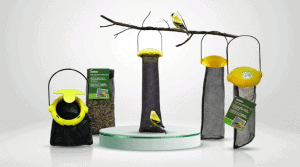
- Tube feeders: Hold seeds in tubes with small feeding ports.
- Hopper feeders: Larger containers that release seeds as birds eat.
Material And Durability
Choose feeders made from strong materials. They should resist weather and last long.
| Material | Pros | Cons |
| Plastic | Lightweight and affordable | Can crack in cold weather |
| Metal | Very durable and weatherproof | May rust without coating |
| Glass | Clear view and easy to clean | Fragile and can break easily |
| Wood | Natural look and sturdy | Needs regular maintenance |
Size And Capacity
Pick a feeder size that matches your needs. Small feeders suit a few birds. Larger ones feed many birds at once.
- Small feeders: Easy to fill and clean, good for limited space.
- Medium feeders: Hold enough seed for several birds.
- Large feeders: Best for groups or frequent visitors.
Credit: www.youtube.com
Best Placement For Your Feeder
Placing your window bird feeder correctly helps attract many birds. Birds will visit often if the feeder is in the right spot.
Good placement also keeps birds safe and prevents accidents near your windows.
Finding The Ideal Window Spot
Choose a window that offers a clear view of the feeder. Birds like places where they can see food and watch for danger.
- Pick a window with natural light
- Place feeder near plants or trees
- Choose a quiet area with little human traffic
- Ensure the feeder is easy to clean and refill
Safety From Predators
Keep the feeder away from places where cats or other animals can hide. Birds feel safer if they can quickly fly away.
| Predator | Safe Distance | Notes |
| Domestic Cats | 10 feet or more | Keep shrubs trimmed to reduce hiding spots |
| Raptors (hawks) | Open area preferred | Avoid placing near tall trees where they can perch |
| Squirrels | Use squirrel baffles | Prevent squirrels from scaring birds away |
Avoiding Window Collisions
Birds often fly into glass because they see reflections or open sky. Place feeders close to windows to reduce this risk.
- Place feeder within 3 feet of the window
- Use decals or stickers on the glass to break reflections
- Close curtains or blinds when not feeding
- Keep feeders clean to avoid distracting glare
Selecting Bird-friendly Food
Choosing the right food is important to attract birds to your window feeder. Birds need healthy and safe seeds and treats. This helps them stay strong and visit often.
Not all bird food is good for every type of bird. You should know what kinds of food birds like and what to avoid. This guide will help you select the best options.
Popular Seeds And Treats
Different birds prefer different seeds and treats. Some common favorites are easy to find and suit many bird species.
- Black oil sunflower seeds – loved by finches, chickadees, and cardinals
- Nyjer seeds – attract small birds like goldfinches and siskins
- Millet – good for sparrows and juncos
- Peanuts – enjoyed by jays and woodpeckers, but use unsalted ones
- Shelled corn – attracts pigeons and doves
Seasonal Food Choices
Birds change their diet with the seasons. Offering food that matches their needs helps keep them healthy year-round.
| Season | Best Food |
| Spring | High-protein seeds like sunflower and peanuts |
| Summer | Fruits such as berries and chopped apples |
| Fall | High-fat seeds and nuts for energy storage |
| Winter | Black oil sunflower seeds and suet for warmth |
Avoiding Harmful Foods
Some foods can hurt birds or cause illness. Keep these away from your feeder to protect your feathered visitors.
- Do not use salted or flavored seeds and nuts
- Avoid bread and crackers; they lack nutrients
- Do not offer spoiled or moldy food
- Stay away from raw beans and unripened fruit
- Do not feed birds chocolate or caffeine
Creating A Bird-friendly Environment
Attracting birds to your window feeder is rewarding and fun. Birds feel safe and welcome in areas that meet their needs.
Creating a bird-friendly space takes some care but brings many feathered visitors close to your home.
Adding Natural Elements
Natural plants and features help birds find food and shelter. Use native plants that produce berries or seeds.
- Plant shrubs and trees that attract insects and provide cover
- Include flowers that bloom at different times to offer nectar
- Place branches near the feeder for perching spots
- Use leaf litter or mulch to invite insects for birds to eat
Providing Water Sources
Birds need clean water for drinking and bathing. A water source near your window feeder increases visits.
| Water Source | Best Features |
| Birdbath | Shallow, easy to clean |
| Small Fountain | Moving water attracts birds |
| Drip Waterer | Provides fresh droplets |
Maintaining Cleanliness
Keep feeders and surrounding areas clean to protect birds from disease. Clean regularly to prevent mold and bacteria.
- Wash feeders with warm soapy water every two weeks
- Remove old seeds and debris from the ground
- Change water daily in birdbaths and fountains
- Check for mold on food and discard spoiled items
Attracting Different Bird Species
Birds come in many types and tastes. To attract more birds, offer food they like. Window feeders make it easy to watch birds close by.
Different birds prefer different foods. Knowing what each species likes helps you pick the right feeder and food. This guide explains which birds visit seed, nectar, and suet feeders.
Birds For Seed Feeders
Seed feeders attract many common backyard birds. Black oil sunflower seeds are popular with many species. Use a feeder that keeps seeds dry and fresh.
Birds that like seeds include finches, sparrows, and chickadees. These birds often visit feeders in the morning and late afternoon.
- American Goldfinch
- House Finch
- Chickadee
- White-throated Sparrow
- Dark-eyed Junco
Birds For Nectar Feeders
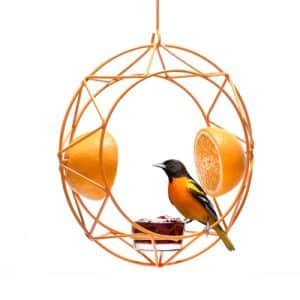
Nectar feeders attract hummingbirds and orioles. Use fresh nectar made of four parts water and one part sugar. Avoid red dye in nectar.
These birds need sugary food for energy. Place nectar feeders in sunny spots near flowers to attract them quickly.
- Ruby-throated Hummingbird
- Anna’s Hummingbird
- Baltimore Oriole
- Orchard Oriole
Birds For Suet Feeders
Suet feeders attract insect-eating birds. Suet is a high-energy food made from animal fat. It is best in cold weather or winter.
Woodpeckers, nuthatches, and wrens visit suet feeders. Use a cage feeder to hold suet cakes and keep them safe from squirrels.
- Downy Woodpecker
- Hairy Woodpecker
- Red-bellied Woodpecker
- White-breasted Nuthatch
- Carolina Wren
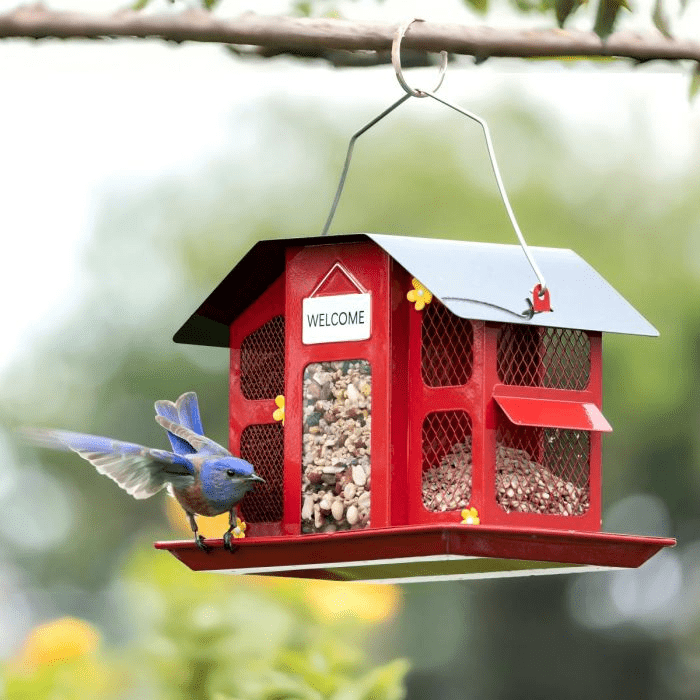
Credit: www.kingsyard.com
Tips For Bird Watching And Photography
Watching birds at a window feeder is fun and relaxing. It lets you see birds close while staying indoors.
Taking photos of birds needs patience and care. Use these tips to enjoy bird watching and get better pictures.
Using Binoculars And Cameras
Binoculars help you see birds clearly without scaring them. Choose ones with good zoom and clear lenses.
A camera with a zoom lens is best for bird photos. Use a tripod to keep your camera steady for sharp images.
- Use binoculars with 8x to 10x zoom
- Pick a camera with at least 200mm zoom lens
- Keep the camera steady with a tripod or stable surface
- Turn off the flash to avoid frightening birds
Timing Your Viewing Sessions
Birds are most active in the early morning and late afternoon. These times give the best light for watching and photos.
Avoid midday when birds rest or hide. Plan your sessions for cooler, quieter parts of the day.
- Watch birds soon after sunrise
- Try late afternoon before sunset
- Skip bird watching during hot midday hours
- Be patient and wait quietly for birds to appear
Minimizing Disturbance
Keep movements slow and quiet near the window feeder. Sudden actions can scare birds away quickly.
Close curtains or blinds to hide your presence. Avoid touching the window glass to reduce noise and reflections.
- Move slowly and quietly near the feeder
- Use curtains to block your silhouette
- Do not tap or touch the window glass
- Keep pets away from the viewing area
Troubleshooting Common Issues
Attracting birds to a window feeder can sometimes be tricky. Some common problems may stop birds from visiting or cause damage to your feeder. Understanding these issues helps you enjoy more birdwatching.
This guide covers ways to handle pests, protect your feeder, and keep birds coming back regularly.
Dealing With Squirrels And Pests
Squirrels and other pests can scare birds away or eat all the food. They often damage feeders and make a mess. It is important to keep these animals away without harming them.
- Use squirrel baffles or guards on the feeder pole or window mount.
- Place the feeder away from trees or structures squirrels can jump from.
- Try spicy bird seed that squirrels dislike but birds enjoy.
- Clean up spilled seed under the feeder regularly to avoid attracting rodents.
- Consider a motion-activated sprinkler to gently scare off pests.
Preventing Feeder Damage
Bird feeders can break or wear out quickly if not cared for. Weather and pests cause most damage. Protecting your feeder keeps it safe and useful for longer.
| Cause | Prevention |
| Strong wind or storms | Use sturdy mounts and secure the feeder well |
| Sun fading or cracking | Place feeder in partial shade when possible |
| Squirrels chewing | Install metal guards or use squirrel-resistant feeders |
| Seed moisture causing mold | Empty and clean feeder every week |
Encouraging Birds To Return
Birds visit feeders with reliable food and safe surroundings. Small changes can invite them back often. Keep the feeder clean and stocked with fresh seed.
Try these tips to keep birds coming back:
- Refill the feeder regularly, especially during cold or dry days.
- Place the feeder near natural cover like shrubs or trees for safety.
- Use a variety of seeds to attract different bird species.
- Keep pets and loud noises away from the feeding area.
- Clean the feeder every two weeks to prevent disease.
Frequently Asked Questions
What Types Of Birds Visit Window Feeders Most Often?
Small birds like finches, chickadees, and sparrows are common visitors. They prefer feeders close to natural cover for safety and easy access.
How To Choose The Best Seed For Window Feeders?
Use sunflower seeds or millet, as they attract a variety of birds. Avoid mixes with fillers, which birds often discard.
Where Should I Place My Window Bird Feeder?
Place feeders near windows with some nearby shrubs or trees. This offers birds shelter and helps them feel secure while feeding.
How Often Should I Clean My Window Bird Feeder?
Clean the feeder every two weeks to prevent mold and disease. Use warm water and mild soap, then rinse thoroughly.
Conclusion
Attracting birds to your window feeder can be simple and rewarding. Choose the right seeds and keep them fresh. Clean the feeder regularly to ensure health. Position your feeder in a safe, quiet spot. Birds need a peaceful environment to visit.
Provide fresh water nearby for drinking and bathing. Observe what works best for your local birds. Enjoy watching them up close as they visit your feeder. Patience is key. Over time, you’ll see more feathered friends returning. A little effort can bring the beauty of nature right to your window.
Happy birdwatching!