Will Birds Eat Moldy Bird Seed? Risks, Prevention, and Safe Feeding Tips
Do birds eat moldy seed found in your feeder? You want to feed your backyard birds. But seeing moldy seeds makes you unsure. Knowing if it’s safe or not matters — it keeps your feathered friends healthy and happy.
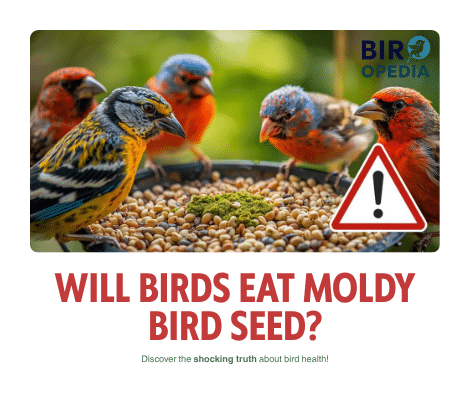
Many people ask, “Will Birds Eat Moldy Bird Seed?” Understanding their behavior regarding moldy seeds is essential for their well-being.
Many people wonder, Will Birds Eat Moldy Bird Seed? You should worry if moldy seed can harm them. Knowing what birds really eat helps you protect them. It keeps your backyard visitors safe and thriving.
When asking, “Will Birds Eat Moldy Bird Seed?” it’s critical to note that many birds will avoid it to protect their health.
Keep reading to learn the truth about moldy seed. Find out how it affects the birds you love and how to keep their food fresh and safe.
If you’re concerned about your feeders, remember that knowing the answer to “Will Birds Eat Moldy Bird Seed” can guide your feeding practices.
Bird Seed Facts
Bird seed is a food mix for wild birds. It helps bring many birds to your yard. Knowing about seed types is smart. It helps you pick the best food for them.
Common Seed Types
Bird seed comes in many different types. Each one attracts specific birds. They all offer different nutrients.
As a bird lover, you may frequently wonder, “Will Birds Eat Moldy Bird Seed?” It’s important to stay informed to take the best care of them.
Black Oil Sunflower: Very popular. Easy for birds to crack.
Millet: Small seeds loved by sparrows and finches.
Nyjer (Thistle): Tiny seeds. Finches and siskins love them.
Safflower Seeds: Hard seeds. Cardinals and grosbeaks like these.
Cracked Corn: Attracts larger birds. Pigeons and doves enjoy it.
Nutrition for Birds
Bird seeds give birds protein, fats, and carbs. These things keep them strong and healthy. Different seeds offer different nutrition levels. Sunflower seeds are high in fat and protein, for example.
Why Bird Seed Gets Moldy
The concern over mold leads many to ask, “Will Birds Eat Moldy Bird Seed?” This knowledge helps improve bird care.
Seed molds when it stays wet too long. Mold grows easily in damp places. This makes the seed unsafe for birds. Learning why seed molds helps you keep it fresh. Good care protects birds from sickness.
Water and Storage Issues
Water is the main reason mold grows. Rain, humidity, or spills can wet the seed. Wet seed stays damp inside feeders or bags. Storing seed in a wet spot makes mold grow fast. Open containers let moisture in easily. This creates the perfect mold home.
Keep bird seed in a dry, cool area.
Use airtight bins to stop moisture.
Check bags for tears or holes.
Do not leave seed in feeders during rain.
Signs of Moldy Seed
Moldy seed looks different than fresh seed. It may show white, green, or black spots. Sometimes it smells sour or musty. Birds often avoid moldy seed. Eating it can hurt their health. Check seed often to keep birds safe.
Seed has visible fuzzy or powdery spots.
Seed clumps together or feels damp.
You notice an unpleasant smell.
Birds suddenly stop eating the seed.
Birds and Moldy Seed
Understanding the question, “Will Birds Eat Moldy Bird Seed?” can help prevent health issues in your feathered friends.
Birds eat seeds from feeders often. Sometimes, these seeds get old and grow mold. Will birds eat this moldy seed? How does it hurt them? Understanding this helps people care better for wild birds. It shows what to watch for.
Do Birds Actually Eat Moldy Seed?
Birds sometimes eat moldy seed. Most birds avoid it, though. They look for fresh food instead. Mold changes the taste and smell of seeds. This makes them much less appealing to birds.
- Dr. Stephen Kress, a conservation biologist, supports this idea. He notes birds are great at finding moisture and texture. These are clear signs of spoiled food.
- “The rejection of clumped, wet, or discolored seeds is a learned, defensive foraging behavior, but stress or extreme hunger can override this natural caution, making the feeder owner’s responsibility paramount.” — Dr. Stephen Kress
Some birds cannot tell good seed from bad.
Other birds sense the mold and will not eat it.
Hungry or young birds may eat bad seeds out of need.
Birds with strong beaks check inside the seed shells.
Health Risks
When feeding, consider whether you should be asking, “Will Birds Eat Moldy Bird Seed?” It’s crucial for their health.
Moldy seeds cause health problems for birds. Some molds make toxins. These toxins harm the bird’s organs and digestion.
How Birds React
Birds act differently around moldy seed. Many fly away to find better food. Some birds may drop the bad seeds.
Birds peck and taste the seed first.
They reject seed with visible mold.
They switch to other food sources.
They show signs of sickness after eating bad seed.
Stopping Mold Growth
Knowing the answer to “Will Birds Eat Moldy Bird Seed?” is vital for preventing mold growth and protecting bird health.
Moldy seed hurts birds and stops them from eating. Stopping mold keeps seeds fresh and safe. This helps birds stay happy and healthy. Simple steps prevent mold from growing. Change how you store seeds. Choose the right seeds. Keep feeders clean.
Proper Storage
Store seed in a cool, dry place. Heat and water help mold grow fast. Use containers that seal tight. This keeps seeds dry and fresh.
Keep seed containers off the ground.
Use metal or plastic bins with tight lids.
Avoid storing seeds near heat sources.
Check seeds often for dampness.
Choosing the Right Seed
Choose bird seeds that do not mold easily. Some seeds hold water and rot fast. Cleaner seeds with less oil store better.
Feeder Care
Keep bird feeders clean and dry to stop mold. Old seed and water make mold grow fast. Clean feeders often to keep birds safe.
Cleaning feeders every two weeks is very important. The Cornell Lab of Ornithology says this stops diseases from spreading. Wet, dirty seed can carry dangerous germs. Regular cleaning is vital for the health of all wild birds.
Empty and clean feeders every two weeks.
Use mild soap and a brush to scrub.
Rinse feeders well. Dry them completely.
Place feeders in sunny spots to dry fast.
Safe Food Choices
Ask yourself, “Will Birds Eat Moldy Bird Seed?” before preparing food for your garden visitors.
Birds must have fresh, clean food to stay healthy. Moldy seed can make them sick. Offering safe choices protects their health. Giving fresh, natural foods makes birds visit your yard often. Here are some safe feeding options.
Fresh Seed Choices
Choose fresh seeds with no dust or mold. Fresh seeds taste better. They also have better nutrients. Keep seeds dry. Replace old seed often.
Black oil sunflower seeds are safe.
Millet and safflower seeds work well.
Nyjer (thistle) seeds are safe.
Use unsalted, shelled peanuts.
Homemade Bird Food
You can mix your own bird food. This helps you avoid mold. It lets you control the birds’ diet. Use fresh, simple items from your home.
Seasonal Tips
Change the food you offer by the season. Birds need different nutrients in summer and winter. Keep all food fresh. Stop mold from growing.
Spring: Offer fresh fruits and soft seeds.
Summer: Give clean water. Offer insects or mealworms.
Fall: Supply high-energy foods like corn and sunflower.
Winter: Provide suet cakes and high-fat seeds.

Credit: seabrookeleckie.com
When to Throw Seed Away
Bird seed spoils if you leave it too long. Old or moldy seed harms birds. Knowing when to replace seed keeps birds healthy and happy.
How Long Seeds Last
When it comes to seed disposal, the question, “Will Birds Eat Moldy Bird Seed?” is a practical guide.
Different seeds stay fresh for different times. Store seeds in a cool, dry place. This keeps them fresh longer.
Black oil sunflower seed: 6–12 months
Millet: 4–6 months
Nyjer (thistle): 6–12 months
Cracked corn: 3–6 months
Safflower seed: 6–12 months
Signs to Dispose of Seed
Check all bird seed before you put it out. Throw away any seed that looks or smells bad.
Seed smells musty or sour.
You see mold or fungus growing.
Seed feels damp or clumped.
Birds will not eat the seed.
Insects or rodents got into the seed.
- Insects or rodents have infested the seed

Credit: www.wildlifenomads.com
Frequently Asked Questions
Will Birds Eat Moldy Bird Seed?
Most birds avoid moldy seed. It tastes bad and can make them sick. They may eat it only if no fresh seed is around. Moldy seed causes illness. Always offer fresh, dry seed to keep birds healthy.
Most importantly, remember: “Will Birds Eat Moldy Bird Seed?” This question can help protect your birds.
Is Moldy Bird Seed Harmful to Birds?
Yes, moldy seed can be toxic. It causes breathing or digestive problems. Severe poisoning may lead to death. Mold creates toxins that hurt birds’ health. Always throw away moldy seed to protect all birds.
Reflect on the impacts of mold: “Will Birds Eat Moldy Bird Seed?” The answer could save their lives.
How Can I Prevent Mold on Bird Seed?
Store seed in cool, dry, airtight containers. Avoid humidity and moisture. These things help mold grow. Clean feeders often. Provide fresh seed often to keep birds safe.
Can Birds Detect Moldy Seeds?
Birds have good taste and smell. They use them to find bad food. Many birds naturally avoid moldy seeds. However, some may eat bad seed if fresh food is very scarce.
Conclusion
In conclusion, always prioritize asking, “Will Birds Eat Moldy Bird Seed?” for the sake of your avian friends.
Birds always choose fresh, clean seed. Moldy seed can hurt them badly. It causes sickness or makes them stop eating. Always check your seed before offering it. Fresh seed keeps them safe. It brings them back to your garden often.
Clean your feeders often. This stops mold from growing. It keeps your birds happy and healthy. Watch how they eat to spot any problems. Giving them clean seed supports their well-being. Your care helps them thrive. Watching healthy birds is very rewarding.
Healthy birds mean a lively, joyful garden. Keep their seed fresh always. Enjoy their delightful visits!