
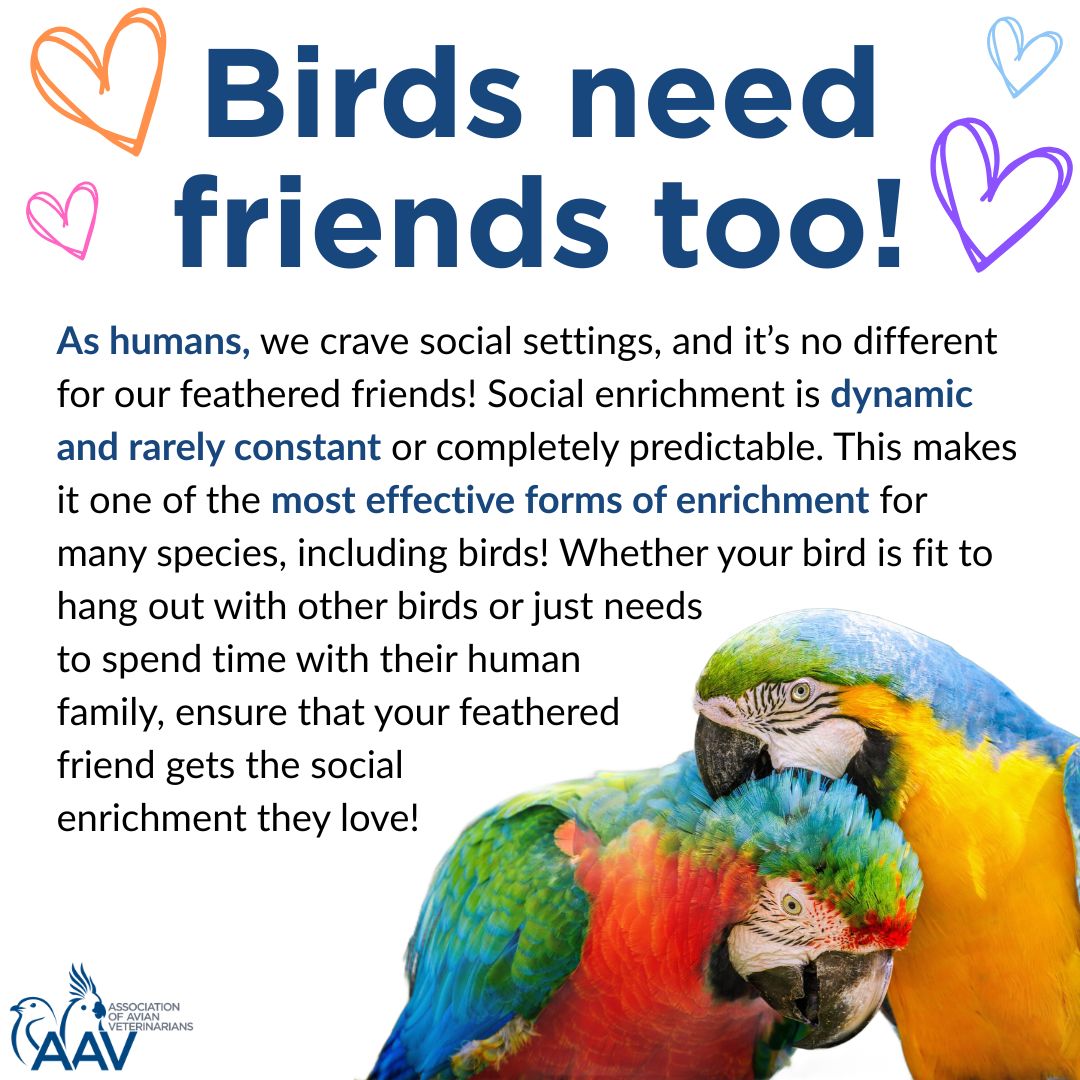
Have you ever wished your garden or backyard was filled with the cheerful songs and colorful sights of visiting birds? You’re not alone.
Encouraging birds to visit your space can bring joy, calm, and a closer connection to nature right outside your door. But how do you make your yard the perfect spot for feathered friends? You’ll discover simple, practical tips that anyone can use to attract birds.
Keep reading, and soon you’ll enjoy the delightful company of birds every day.
Choose Bird-friendly Plants
Choosing the right plants can attract many birds to your garden. Birds need food, shelter, and places to nest.
Planting bird-friendly species helps create a safe and inviting habitat for them to visit often.
Native Plants For Local Birds
Native plants are best for local birds because they provide familiar food and shelter. These plants support insects that birds eat too.
- Choose shrubs and trees native to your area
- Include plants that bloom at different times of the year
- Use a mix of tall and low plants for varied shelter
- Avoid invasive species that harm local ecosystems
Flowering And Fruit-bearing Options
Flowers and fruits provide nectar and food for many bird species. Select plants that produce berries and seeds to feed birds all year.
| Plant Type | Example Plants | Bird Benefit |
| Flowering | Milkweed, Coneflower | Nectar and insect attraction |
| Fruit-Bearing | Serviceberry, Elderberry | Food source for berries and seeds |
| Seed-Producing | Sunflower, Aster | Seeds for birds to eat |

Credit: www.allaboutbirds.org
Set Up Bird Feeders
Setting up bird feeders invites birds to your yard. It helps you enjoy watching them up close. Birds need food, water, and shelter to visit often.
Choosing the right feeder and food will attract more birds. Different birds like different types of feeders and seeds.
Types Of Feeders To Use
There are many types of bird feeders. Tube feeders hold small seeds and attract finches. Platform feeders are open and work for many bird types. Suet feeders hold fat cakes for woodpeckers and nuthatches.
- Tube feeders: good for small birds like finches
- Platform feeders: open tray for many bird species
- Hopper feeders: store large amounts of seed
- Suet feeders: attract insect-eating birds
- Nectar feeders: feed hummingbirds with sweet liquid
Best Seeds And Feed Mixes
Different seeds attract different birds. Black oil sunflower seeds are popular and attract many birds. Nyjer seeds are small and loved by finches. Mixed seed blends offer a variety for many birds.
| Seed Type | Birds Attracted |
| Black oil sunflower | Cardinals, Chickadees, Nuthatches |
| Nyjer (thistle) | Finches, Goldfinches, Siskins |
| Milo (sorghum) | Doves, Sparrows |
| Peanuts | Woodpeckers, Jays |
| Mixed seed blends | Variety of small and medium birds |
Provide Fresh Water Sources
Birds need clean water for drinking and bathing. Fresh water helps keep them healthy and active.
Adding water sources to your yard invites many bird species to visit and stay nearby.
Birdbaths And Water Features
Birdbaths offer a simple way to provide water. Choose shallow basins with gentle slopes for easy access.
Water features like small fountains or ponds attract birds with moving water. Moving water stays cleaner and draws more attention.
- Place birdbaths in safe, visible spots
- Use non-toxic materials for water features
- Ensure water is no deeper than 2 inches
- Add stones or pebbles for bird footing
Maintaining Clean Water
Clean water is vital for birds' health. Dirty water can spread diseases and scare birds away.
Change water in birdbaths every two days. Scrub the bath with a brush to remove algae and dirt.
- Empty and refill water sources regularly
- Use a mild soap if needed, then rinse well
- Keep water features free of leaves and debris
- Check water temperature during hot weather

Credit: www.allaboutbirds.org
Create Shelter And Nesting Spots
Birds need safe places to rest and raise their young. Creating shelter and nesting spots helps attract many bird species.
Providing natural and man-made options improves your chances of seeing birds visit your yard.
Planting Shrubs And Trees
Shrubs and trees offer birds shelter from weather and predators. They also provide places to build nests.
Choose native plants that produce berries and seeds. These plants supply food and protection for birds.
- Evergreen trees offer year-round cover
- Dense shrubs protect young birds
- Flowering plants attract insects, a food source
- Plant in groups for better shelter
Installing Birdhouses
Birdhouses provide safe nesting spots for birds that use cavities. They help birds raise chicks away from danger.
Place birdhouses at different heights and locations. Keep them clean to avoid disease and pests.
- Use untreated wood for birdhouses
- Mount houses 5 to 10 feet above ground
- Face entrances away from prevailing winds
- Install birdhouses near food and water sources
Avoid Harmful Chemicals
Using harmful chemicals in your garden can scare away birds. These chemicals can hurt their health. Birds help keep your garden healthy and lively.
Choosing safer ways to care for your plants protects birds. It also keeps your garden environment natural and safe.
Natural Pest Control Methods
Natural pest control uses safe ways to stop bugs without chemicals. This keeps birds safe from poisons. You can attract helpful insects that eat pests.
Using plants that repel bugs is a good idea. You can also handpick pests from your plants. Birds will enjoy the insects you do not remove.
- Plant marigolds or lavender to repel insects
- Use neem oil as a natural spray
- Encourage ladybugs and spiders in your garden
- Remove pests by hand when you see them
Safe Gardening Practices
Safe gardening means using gentle products and careful methods. Avoid synthetic fertilizers and sprays. Choose compost and organic soil instead.
Keep bird feeders and water clean. Remove any trash or harmful materials from the garden. This helps birds feel safe and welcome.
- Use compost to feed your plants
- Water plants early in the day to reduce fungus
- Keep garden areas free of plastic and trash
- Place bird feeders away from chemicals
Maintain A Quiet And Safe Environment
Birds feel safe in calm and quiet places. A peaceful area helps them visit often.
Keeping the environment safe and calm encourages birds to stay longer. This helps you enjoy their presence.
Limiting Disturbances
Birds get scared by loud noises and sudden movements. Keep noise low near bird feeding spots.
Avoid using loud machines or playing music near bird areas. This helps birds feel calm and safe.
- Turn off loud equipment during bird feeding times
- Keep children and pets calm near bird areas
- Move slowly and quietly when near birds
- Use natural sounds like water or wind to mask noise
Protecting From Predators
Birds avoid places with predators like cats or hawks. Protect your bird area from these threats.
Use safe feeders and places where birds can hide quickly. This helps them feel safe and visit more.
- Place feeders away from places predators can hide
- Use feeders with covers or cages to keep predators out
- Provide nearby bushes or trees for quick bird shelter
- Keep pets indoors or on a leash when birds are nearby
Seasonal Tips For Year-round Visits
Birds visit your yard differently in each season. You can help them stay longer by changing how you feed and water them.
Adjusting your garden for the seasons makes your space more welcoming for birds all year.
Adjusting Feeders And Water
Change the type of food you offer based on the season. Some foods work better in cold weather, others in warm.
Keep water fresh and available. Birds need water for drinking and bathing every season.
- In winter, offer high-fat seeds like sunflower and peanuts.
- In spring and summer, add fresh fruits and nectar for hummingbirds.
- Use heated birdbaths or change water often in winter to prevent freezing.
- In hot months, place shallow water dishes in shaded spots.
Preparing For Migration Periods
Birds travel during spring and fall. Help them by providing extra food and safe resting spots.
Offer a variety of foods to support different species and keep feeders clean to prevent disease.
- Plant native flowers and shrubs for natural food and shelter.
- Keep feeders full during early spring and late summer.
- Place feeders near trees or bushes for quick cover.
- Reduce bright lights at night to avoid confusing migrating birds.
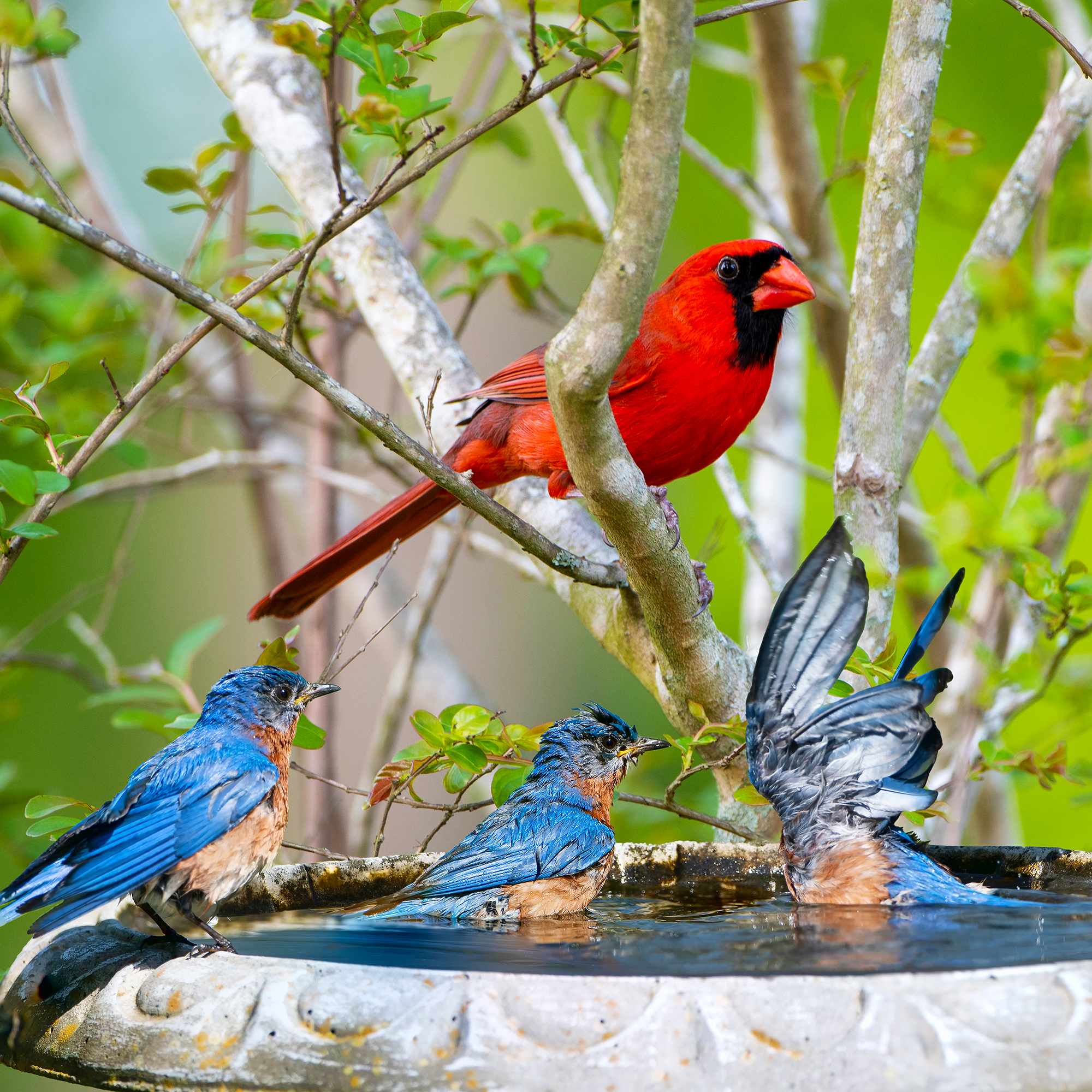
Credit: www.gardeningknowhow.com
Frequently Asked Questions
What Are The Best Bird Feeders To Attract Birds?
Choose feeders that suit local bird species. Tube feeders attract finches, while platform feeders welcome various birds. Clean feeders regularly to prevent diseases and keep birds coming back.
How Can I Create A Bird-friendly Garden?
Plant native trees, shrubs, and flowers that provide food and shelter. Include water sources like birdbaths and avoid pesticides to keep the environment safe for birds.
What Types Of Food Attract Different Birds?
Sunflower seeds attract finches and cardinals. Nyjer seeds are great for goldfinches. Suet cakes appeal to woodpeckers and nuthatches. Provide a variety to attract diverse birds.
How Important Is Water For Attracting Birds?
Birds need fresh water for drinking and bathing. A clean birdbath or shallow water source encourages visits. Change water regularly to prevent mosquitoes and keep birds healthy.
Conclusion
Birds bring joy and life to any garden. Simple steps can attract them. Provide fresh water and food. Choose plants that birds love. These create safe habitats. Be patient and consistent in your efforts. Birds need time to discover new places.
Enjoy watching them, and learn their behaviors. Your garden can become their favorite spot. With care, you'll see more birds visiting. It’s rewarding and peaceful. Nature’s beauty, right in your backyard.


