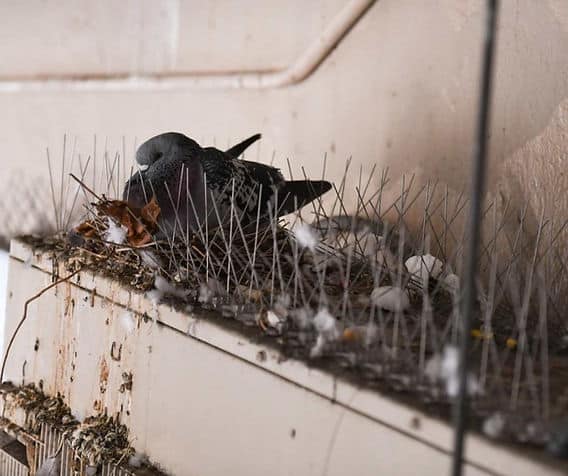
Imagine discovering a charming bird nest nestled in your backyard. The sight of delicate eggs or chirping hatchlings can warm your heart.
But have you ever wondered what might be lurking inside? Bird nests, though seemingly serene, can be home to a host of unwelcome guests—parasites. These tiny invaders can affect not only the birds but also your environment. Are you curious to know which parasites might be sharing space with those innocent birds?
Keep reading to uncover the hidden world of parasites infesting bird nests and how it might impact you and your feathered neighbors.
Common Parasites In Bird Nests
Bird nests provide a warm and protected place for young birds. Parasites often take advantage of these conditions. They can cause harm to both adult birds and their chicks.
Understanding the common parasites in bird nests helps in protecting bird populations. These parasites vary in type and impact. Below are some of the main parasites found in nests.
Mites And Their Impact
Mites are tiny arachnids that live in bird nests. They feed on the blood of birds and their chicks. This can cause itching, irritation, and sometimes disease. Heavy mite infestations may weaken young birds.
Fleas Found In Nests
Fleas are small insects that jump from host to host. Bird fleas live in nests and feed on bird blood. They can cause discomfort and anemia in nestlings. Fleas can also transmit diseases to birds.
Lice Infestation
Lice are wingless insects that spend their entire life on birds or in nests. They feed on feathers and skin debris. Lice can weaken birds by causing feather damage and stress. Young birds are especially vulnerable.
Ticks And Bird Nests
Ticks attach themselves to birds to feed on their blood. They often hide in the nest material. Ticks can spread diseases and cause blood loss in birds. Their bites may lead to infections or skin problems.
Fly Larvae And Maggots
Fly larvae, also called maggots, sometimes infest bird nests. They feed on dead skin and waste in the nest. Some larvae may attack living tissue, causing harm to chicks. Maggot infestations can spread quickly in dirty nests.
- Common parasites include mites, fleas, lice, ticks, and fly larvae.
- They feed on blood, feathers, or nest debris.
- Parasite infestations can cause itching, anemia, and infections.
- Young birds suffer the most from heavy parasite loads.
- Keeping nests clean helps reduce parasite problems.
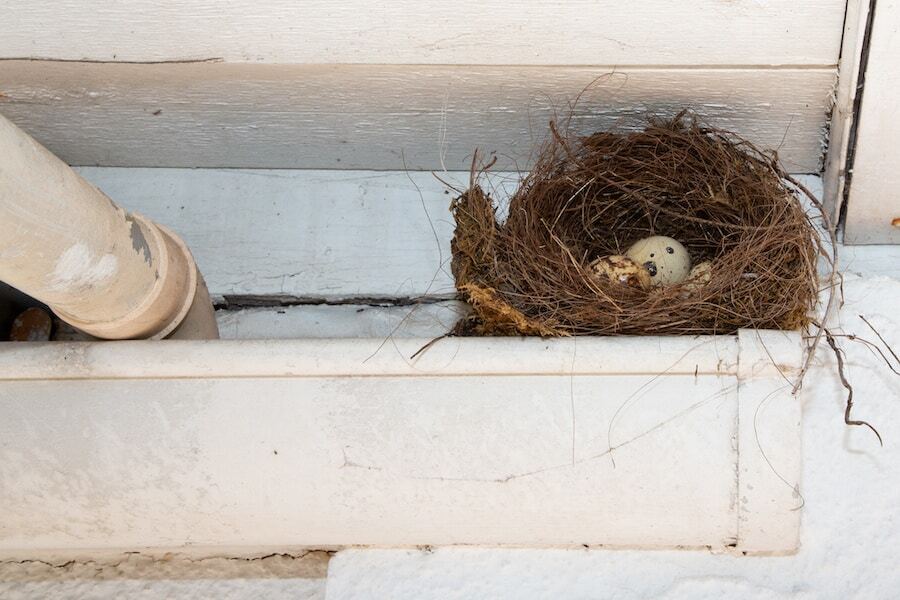
Credit: www.callnorthwest.com
How Parasites Affect Birds
Parasites living in bird nests can cause serious harm to birds. These tiny creatures feed on birds’ blood or skin. They affect both young chicks and adult birds.
Understanding how parasites impact birds helps us protect them. Birds may show many signs of stress or illness because of these infestations.
Health Risks To Chicks
Chicks are very sensitive to parasites. Parasites can cause anemia by sucking their blood. This makes chicks weak and less likely to survive.
- Blood loss leading to weakness
- Delayed growth and development
- Increased chance of infections
- Death in severe cases
Adult Bird Vulnerabilities
Adult birds also suffer from parasites. These pests can reduce their ability to fly and find food. Heavy infestations can lower their chances of breeding successfully.
| Effect | Description |
| Blood loss | Weakens the bird and causes fatigue |
| Skin irritation | Leads to feather loss and sores |
| Stress | Reduces immune system function |
| Lower reproduction | Fewer eggs laid and less care for chicks |
Behavioral Changes Due To Infestation
Birds change their behavior when parasites infest their nests. These changes help birds try to avoid or remove parasites but also cause stress.
- Excessive preening and grooming
- Abandoning nests or eggs
- Increased aggression or restlessness
- Reduced feeding of chicks
Parasite Transmission And Nest Environment
Bird nests are perfect places for parasites to live and spread. The environment inside the nest helps parasites grow. Understanding how parasites enter and stay in nests helps protect birds.
Parasites use many ways to get into nests. The materials used and the season also affect how many parasites are present. We will look at these key factors.
Sources Of Parasite Introduction
Parasites enter bird nests from many sources. Adult birds can carry parasites on their bodies. Parasites can also come from other animals visiting the nest.
Sometimes parasites arrive on the nest materials. Parasites may also spread from old nests left behind. These sources increase parasite numbers in new nests.
Nest Material And Parasite Attraction
Birds use different materials to build nests. Some materials attract more parasites. Soft and moist materials hold parasites better than dry or rough ones.
- Leaves and moss can keep moisture, attracting parasites
- Feathers provide warmth, which helps parasite survival
- Twigs and dry grass usually attract fewer parasites
- Old nest materials often carry leftover parasites
Seasonal Variations In Infestation
Parasite numbers change with the seasons. Warm and wet weather helps parasites grow quickly. Cold or dry seasons reduce parasite activity.
| Season | Parasite Activity Level |
| Spring | Moderate |
| Summer | High |
| Fall | Moderate |
| Winter | Low |
Detecting Parasites In Nests
Parasites often infest bird nests, causing harm to young birds. Detecting these pests early is important to protect bird health.
There are several ways to spot parasites in nests. You can look for signs, use technology, and watch bird behavior closely.
Visual Signs Of Infestation
Look carefully inside and around the nest. Parasites can be small, but signs of their presence show up clearly.
- Small bugs or mites crawling on nest material
- Discolored or damaged feathers on baby birds
- Dark spots or stains on nest walls
- Unusual odors coming from the nest
- Birds scratching more than usual
Using Technology For Detection
Technology helps detect parasites that are hard to see. Tools like cameras and microscopes reveal hidden pests.
| Tool | Use |
| Infrared Camera | Shows heat spots where parasites gather |
| Microscope | Magnifies small parasites on nest samples |
| UV Light | Detects parasite eggs and stains |
| Motion Sensor Cameras | Records parasite movement at night |
Monitoring Bird Behavior
Birds change their actions when parasites are near. Watching these changes helps in detection.
Common behavior signs include:
- Frequent scratching or preening
- Restlessness or agitation in nestlings
- Parents avoiding the nest or spending less time
- Chicks crying more often
Preventing And Managing Infestations
Bird nests can attract many parasites that harm birds and their young. These pests include mites, lice, fleas, and ticks. Managing these pests helps keep birds healthy and safe.
Preventing infestations is easier than treating them later. Use natural and human methods to stop parasites from settling in nests.
Natural Nest Hygiene Practices
Birds clean their nests by removing old materials and droppings. This stops parasites from growing and spreading. Some birds add fresh leaves or herbs to their nests. These plants can repel parasites naturally.
- Remove old nesting material regularly
- Add fresh leaves, herbs, or feathers
- Keep the nest dry to avoid parasite growth
Human Interventions And Treatments
Humans can help control parasites in bird nests by cleaning and treating them safely. Use mild, bird-safe insecticides or natural oils to reduce pests. Avoid strong chemicals that can harm birds or their eggs.
Check nests regularly for signs of parasites. Remove heavily infested materials and replace them with clean ones. Use protective gloves when handling nests to avoid bites or skin irritation.
- Apply bird-safe insecticides carefully
- Replace old nest materials if infested
- Wear gloves while cleaning nests
- Inspect nests often for pests
Habitat Management To Reduce Risk
Changing the habitat around nests can lower the chance of parasite infestations. Keep areas clean and free of debris where parasites live. Remove old nests after breeding season to stop parasites from returning.
Planting certain types of vegetation can also help repel parasites. Avoid overcrowding birdhouses or nest boxes to reduce stress and parasite spread. Proper habitat care supports bird health and lowers parasite risks.
- Clear debris and old nests yearly
- Plant repellent vegetation near nests
- Space out birdhouses and nest boxes
- Maintain dry and clean surroundings
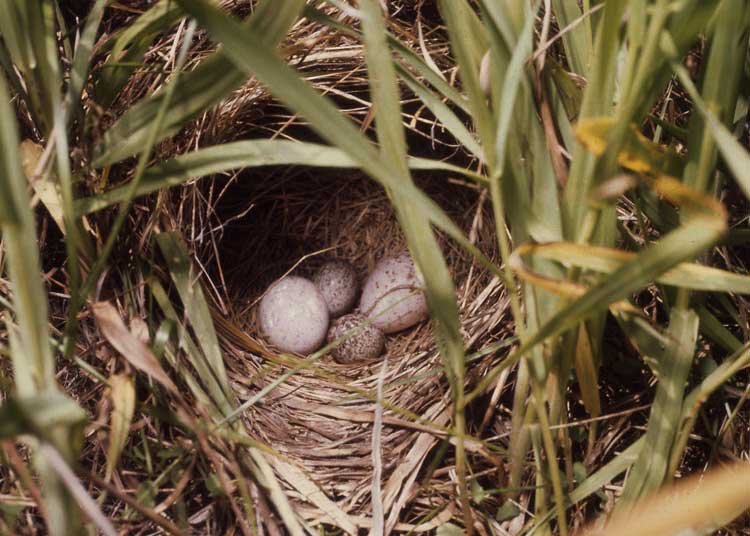
Credit: magazine.outdoornebraska.gov
Shocking Facts About Nest Parasites
Bird nests are homes, but they also hide unwanted guests. Parasites that infest nests can harm birds in many ways. These tiny creatures survive in secret and affect bird health and survival.
Understanding these parasites helps us see how birds cope with danger. Some parasites are strange and surprising. Their ways to survive can shock anyone who studies them.
Unusual Parasite Species
Bird nests host many parasite types. Some are common, but others are rare and strange. For example, blowfly larvae live inside nests and eat baby birds’ blood. Mite species can be so small they are hard to see.
- Blowfly larvae – feed on nestlings’ blood
- Feather mites – live on feathers, causing damage
- Fleas – jump from nest to bird, biting skin
- Tick species – suck blood and spread disease
- Botflies – larvae burrow under bird skin
Parasite Survival Strategies
Parasites use clever methods to stay in nests and avoid harm. Some hide deep in nest material during the day. Others come out only at night when birds sleep. Many reproduce quickly to keep their numbers high.
| Strategy | How It Works |
| Hiding | Parasites stay hidden inside nest fibers |
| Nocturnal Activity | Feed when birds are inactive |
| Rapid Reproduction | Lay many eggs to increase population fast |
| Host Attachment | Stick tightly to birds to avoid removal |
Impact On Bird Populations
Parasites reduce bird survival and weaken young birds. Infested nests cause babies to grow slower and get sick. Adults may lose energy fighting parasites. This lowers the total number of birds in some areas.
- Slower growth in nestlings
- Increased risk of disease
- Lower survival rates
- Reduced breeding success
- Changes in bird behavior to avoid parasites
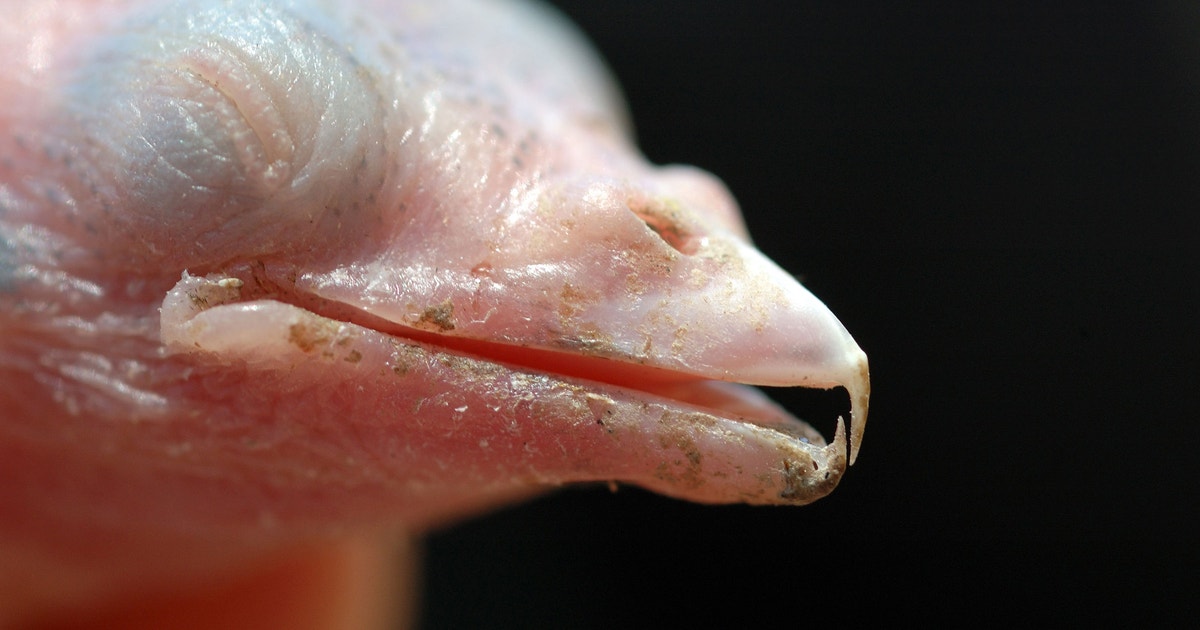
Credit: www.audubon.org
Frequently Asked Questions
What Parasites Commonly Infest Bird Nests?
Common parasites include mites, fleas, ticks, and lice. These tiny pests feed on bird blood and feathers. They cause discomfort and can spread diseases. Parasites thrive in warm, sheltered nests. Regular nest cleaning helps reduce infestations and protect bird health.
How Do Parasites Affect Bird Nestlings?
Parasites cause irritation, anemia, and stress in nestlings. Heavy infestations can stunt growth and weaken immune systems. Blood-sucking parasites reduce energy and increase vulnerability to predators. Early detection and nest hygiene are crucial to minimize harm to young birds.
Can Parasites In Bird Nests Spread To Humans?
Yes, some parasites like mites and fleas can bite humans. These bites cause itching and mild skin reactions. However, transmission of diseases from bird nest parasites to humans is rare. Avoid direct contact with nests to reduce risk.
How To Prevent Parasite Infestation In Bird Nests?
Keep nesting areas clean and dry to deter parasites. Remove old nests before a new breeding season. Use natural repellents or bird-safe treatments when necessary. Promote bird health by providing fresh water and nutritious food sources.
Conclusion
Bird nests often harbor tiny guests like mites, lice, and ticks. These parasites can harm baby birds and adults too. Keeping nests clean helps protect birds from these pests. Watching nests safely can teach us about nature’s balance. Understanding parasites helps us care better for wild birds.
Simple actions can make a big difference for bird health. Stay curious and respect the homes of our feathered friends.