If you care about your birds, protecting them from West Nile Virus is a top priority. This virus can harm your feathered friends and even threaten their lives.
But don’t worry—you have the power to keep your birds safe. You’ll discover simple, effective steps that you can take right now to prevent West Nile Virus. By following these easy tips, you’ll help your birds stay healthy and strong all year round.
Keep reading to learn how you can make a real difference in your birds’ well-being.
Credit: www.tri-cityherald.com
West Nile Virus And Birds
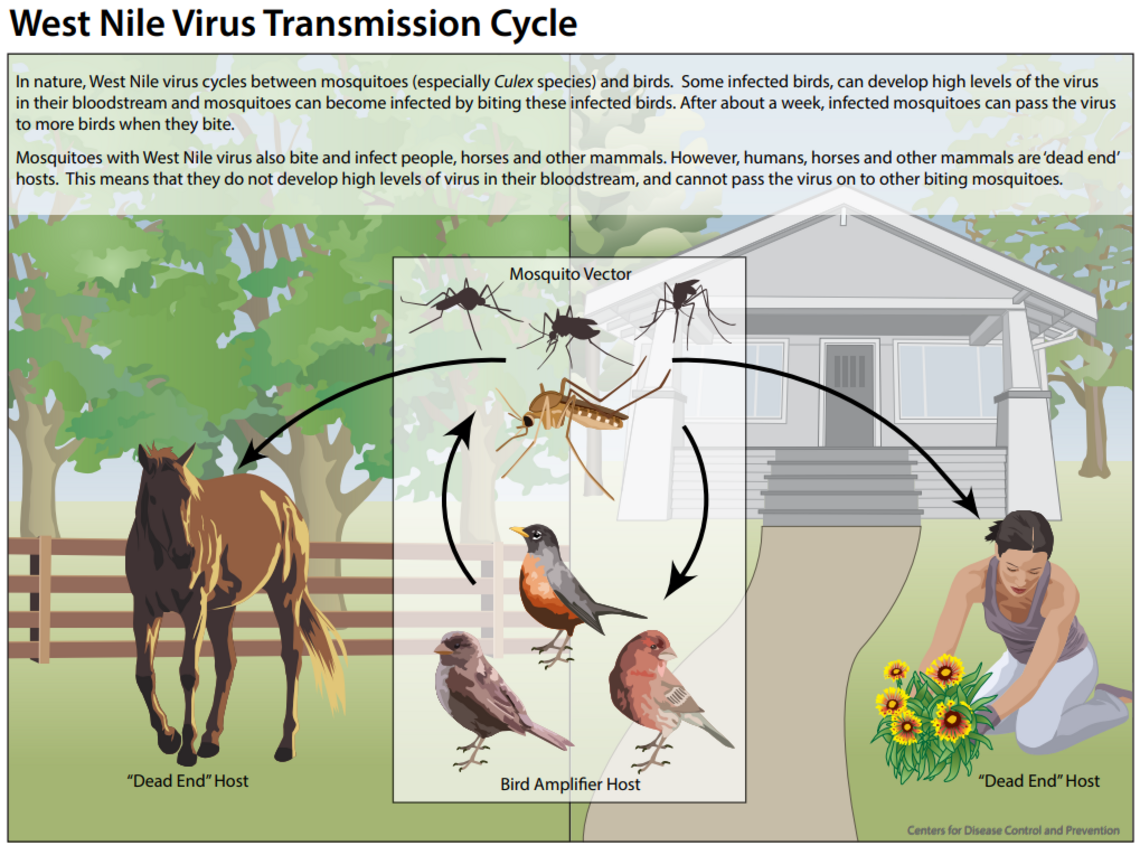
West Nile Virus is a disease that affects many birds. It spreads through mosquitoes that bite infected birds and then bite others.
Knowing how the virus spreads and which birds are at risk helps protect them. Early signs in birds can help you act quickly.
Transmission Methods
The virus mainly spreads through mosquito bites. Mosquitoes get the virus by biting infected birds. Then they pass it to healthy birds by biting them.
Birds can also spread the virus to other birds through close contact. In rare cases, infected birds can pass the virus through their droppings.
- Mosquito bites
- Contact with infected birds
- Exposure to infected droppings (rare)
Bird Species At Risk
Some bird species catch West Nile Virus more often. Crows and jays are very vulnerable. They often die after infection.
Other birds like hawks, owls, and certain songbirds can also get sick. Some birds carry the virus without symptoms but still spread it.
- Crows
- Jays
- Hawks
- Owls
- Songbirds
Symptoms In Birds
Birds infected with West Nile Virus may show weakness and trouble flying. They might also lose balance or have seizures.
Other signs include drooping wings, lack of appetite, and unusual behavior. Not all birds show symptoms, but sick birds need help.
- Weakness and difficulty flying
- Loss of balance
- Seizures
- Drooping wings
- Poor appetite
- Strange behavior
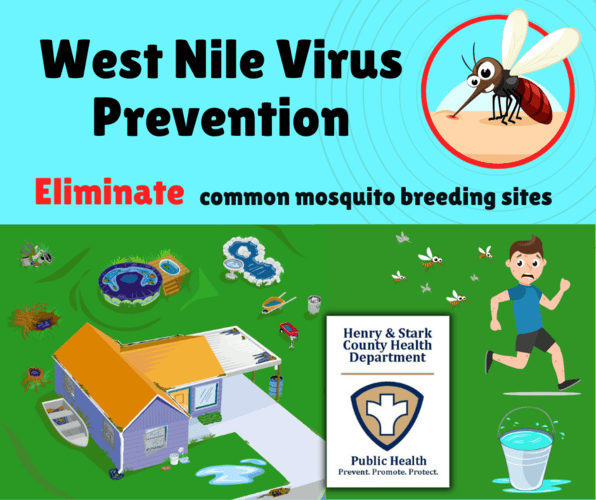
Credit: www.regionalmedianews.com
Reducing Mosquito Exposure
West Nile Virus spreads to birds mainly through mosquito bites. Reducing mosquito exposure helps keep birds safe. You can protect birds by making changes around your home.
Focus on stopping mosquitoes from breeding and biting. Use simple steps to reduce mosquitoes near bird areas.
Eliminating Standing Water
Mosquitoes lay eggs in standing water. Remove water where mosquitoes can grow. Check your yard often for places with water.
Empty or change water in birdbaths, flower pots, and containers every few days. Clean gutters and fix leaks to stop water buildup.
- Empty water from buckets and old tires
- Keep pools clean and chlorinated
- Fill low spots where water collects
- Change water in pet bowls daily
Using Mosquito Repellents Safely
Use mosquito repellents carefully around birds. Choose repellents that do not harm animals. Avoid sprays near bird feeders or nests.
Natural repellents like citronella can help. Always follow product directions. Keep repellents out of birds’ reach to avoid poisoning.
- Use only bird-safe repellents
- Apply repellents away from birds
- Do not spray directly on birds
- Store repellents in a safe place
Installing Screens And Netting
Screens and netting stop mosquitoes from reaching birds. Cover bird cages and aviaries with fine mesh. Make sure the mesh has small holes.
Keep doors and windows closed or screened to block mosquitoes. Repair holes in screens to keep bugs out.
- Use fine mesh netting around bird areas
- Check for and fix screen holes
- Keep doors and windows screened
- Install netting over outdoor bird feeders
Habitat Management
West Nile Virus spreads through mosquitoes that bite birds. Managing bird habitats helps lower the risk. You can protect birds by keeping their environment safe and clean.
Simple steps like cleaning bird baths and trimming plants reduce mosquito breeding. Providing safe places for birds to rest also keeps them healthy.
Maintaining Clean Bird Baths
Bird baths can collect standing water, which attracts mosquitoes. Clean bird baths regularly to stop mosquitoes from breeding.
- Empty and scrub bird baths once a week
- Refill with fresh water after cleaning
- Use a fountain or dripper to keep water moving
- Place bird baths in sunny areas to reduce mosquitoes
Trimming Vegetation
Thick plants and tall grass hold moisture and shade. Mosquitoes like these spots to hide and lay eggs. Trim vegetation near bird areas to limit mosquito shelter.
| Vegetation Type | Action |
| Tall grass | Cut to less than 6 inches |
| Dense shrubs | Trim branches to open spaces |
| Weeds | Remove regularly |
Providing Safe Roosting Areas
Birds need safe places to rest that protect them from mosquitoes. Offer roosting spots away from wet or shaded areas where mosquitoes breed.
- Use birdhouses or shelters in sunny spots
- Keep roosting areas clean and dry
- Place perches away from dense foliage
- Inspect shelters often for standing water
Monitoring And Early Detection
Monitoring birds closely helps spot West Nile Virus early. Early detection can reduce the spread and protect bird populations.
Careful observation and quick action are key. People who watch birds can help by reporting any signs of sickness.
Regular Health Checks
Look at birds often to check if they seem healthy. Watch for signs like weakness, trouble flying, or unusual behavior.
- Observe birds in your yard or nearby areas daily.
- Note any birds that seem less active or have trouble standing.
- Keep records of changes in bird health or numbers.
Reporting Sick Or Dead Birds
Report any sick or dead birds to local health or wildlife officials. This helps track the virus and warn others.
- Do not touch sick or dead birds with bare hands.
- Use gloves or a plastic bag to handle birds if needed.
- Contact local wildlife or health departments with the location and details.
Collaborating With Wildlife Agencies
Work with wildlife agencies to support bird health. They provide guidance and data to control West Nile Virus.
| Agency | Role | Contact Method |
|---|---|---|
| State Wildlife Department | Monitor bird populations | Phone or website |
| Local Health Department | Track virus cases | Email or hotline |
| Bird Conservation Groups | Educate public | Workshops and online resources |
Vaccination And Medical Care
West Nile Virus can harm birds and other wildlife. Protecting birds with vaccines and medical care is key.
Knowing about vaccines and when to see a vet helps keep birds healthy and safe from this virus.
Available Vaccines For Birds
Some vaccines help protect birds from West Nile Virus. These vaccines teach the bird’s immune system to fight the virus.
- Inactivated virus vaccines use dead virus particles to trigger immunity.
- Recombinant vaccines use a small part of the virus to build protection.
- Live attenuated vaccines contain weak virus strains that do not cause disease.
When To Consult A Veterinarian
Always see a vet if a bird shows signs of illness. Early care can improve the chances of recovery.
- If the bird is weak or not eating.
- If there is unusual behavior or difficulty flying.
- If you notice any sudden changes in breathing or movement.
- If the bird has a fever or swollen joints.
Treatment Options
There is no specific cure for West Nile Virus in birds. Treatment focuses on supportive care to help the bird fight the infection.
| Treatment | Description |
|---|---|
| Fluid Therapy | Helps prevent dehydration and supports body functions. |
| Anti-inflammatory Drugs | Reduces swelling and pain caused by the virus. |
| Supportive Care | Includes warmth, rest, and nutrition to aid recovery. |
| Antiviral Medication | Sometimes used but not always effective in birds. |
Community Involvement
Preventing West Nile Virus in birds is a shared responsibility. Communities play a key role in stopping the spread of this virus.
Working together helps protect local birds and reduce mosquito populations that carry the virus.
Educating The Public
Teaching people about West Nile Virus helps them take the right actions. Knowing how the virus spreads can lower risks.
Sharing simple tips keeps birds safe and stops mosquitoes from breeding near homes.
- Explain how mosquitoes spread the virus
- Advise removing standing water around homes
- Encourage using bird-friendly repellents
Participating In Mosquito Control Programs
Joining local mosquito control helps reduce the number of infected mosquitoes. Communities can support these programs by following guidelines.
Reporting areas with many mosquitoes helps officials target control efforts effectively.
- Allow safe mosquito spraying in your area
- Clear gutters and drains to stop water build-up
- Use mosquito traps or larvicides if recommended
Supporting Wildlife Conservation Efforts
Protecting bird habitats helps keep bird populations healthy. Healthy birds are less likely to spread disease.
Communities can help by planting native plants and avoiding harmful pesticides near bird areas.
- Create safe spaces with clean water and food
- Join or support local wildlife groups
- Keep cats indoors to protect wild birds

Credit: x.com
Frequently Asked Questions
What Are Common Signs Of West Nile Virus In Birds?
Birds infected with West Nile Virus may show weakness, tremors, or difficulty flying. They can also appear lethargic or have trouble standing. Early detection helps prevent spread and aids in timely care for affected birds.
How Can Mosquitoes Be Controlled To Protect Birds?
Reducing standing water and using mosquito repellents helps control mosquito populations. Installing screens and using insecticides in nesting areas also prevent mosquito bites, reducing West Nile Virus transmission to birds.
What Bird Species Are Most Vulnerable To West Nile Virus?
Corvids like crows, ravens, and jays are highly susceptible to West Nile Virus. Other species such as hawks and owls can also be affected. Knowing vulnerable species helps target prevention efforts effectively.
Can Feeding Birds Help Reduce West Nile Virus Risk?
Feeding birds does not directly reduce virus risk but supports their health. Providing clean water and nutritious food strengthens their immune system against infections, including West Nile Virus.
Conclusion
Protecting birds from West Nile Virus starts with simple steps. Keep standing water away to stop mosquitoes breeding. Use bird feeders and baths wisely and clean them often. Watch birds for signs of illness and act quickly if needed. Small actions help keep your birds safe and healthy.
Stay aware and care for the environment around your home. Healthy birds mean a healthier neighborhood for everyone. Prevention is easy when you stay alert and consistent.