
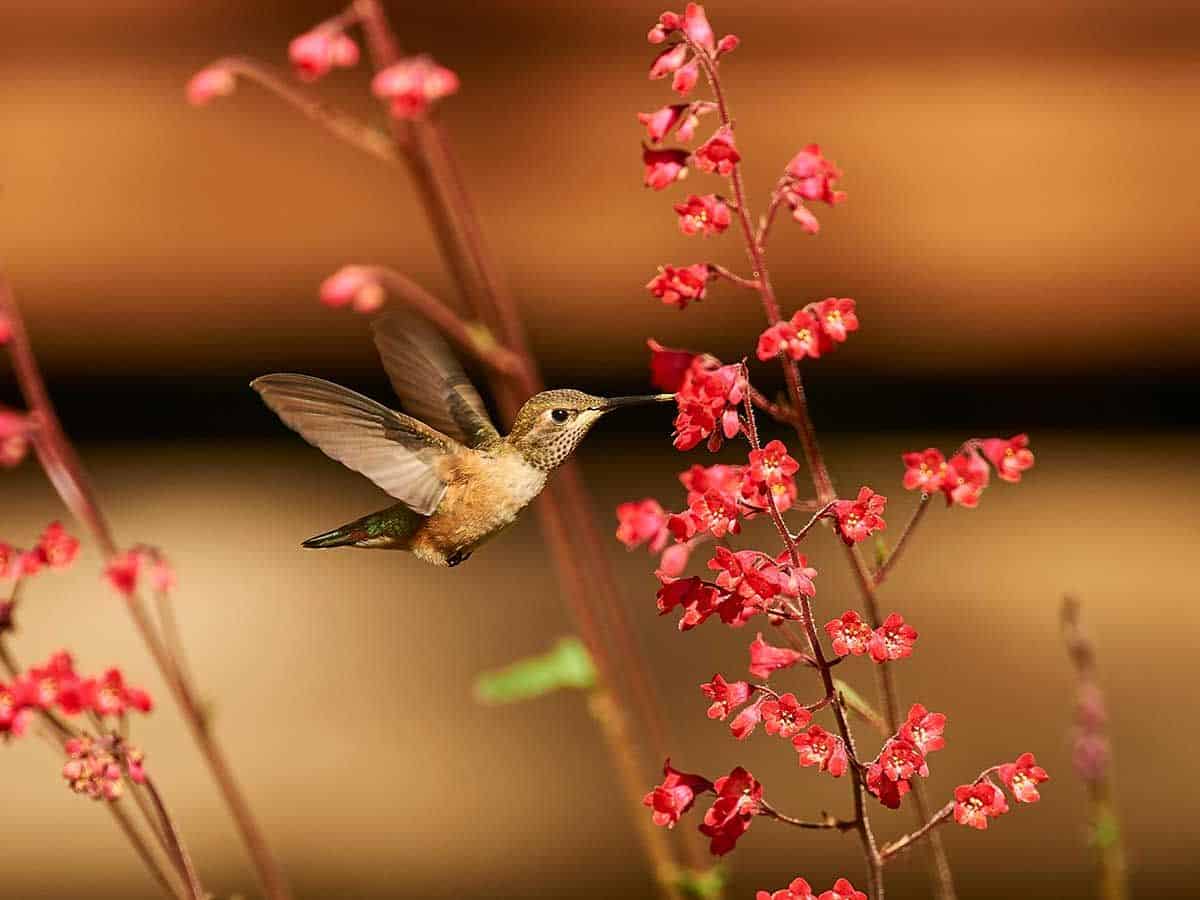
Do you want to bring a splash of color and life right to your garden? Hummingbirds are not only beautiful to watch, but they also help your plants thrive by pollinating flowers.
Choosing the best plants to attract hummingbirds can turn your outdoor space into a lively paradise. You’ll discover easy-to-grow flowers that hummingbirds love. Get ready to transform your garden into a buzzing haven that keeps these tiny, dazzling birds coming back again and again.
Keep reading to find out which plants will make your garden their favorite stop!
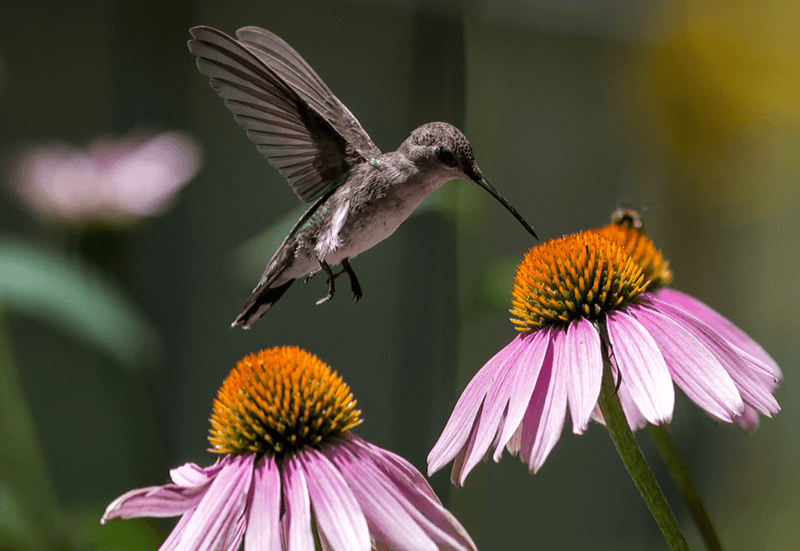
Credit: gardenforwildlife.com
Hummingbird Favorites
Hummingbirds love certain plants more than others. These plants provide food and shelter for them.
Choosing the right plants helps attract hummingbirds to your garden. Bright colors and sweet nectar are key.
Red And Orange Blooms
Hummingbirds are drawn to red and orange flowers. These colors stand out and catch their attention.
Plants with red and orange blooms offer easy access to nectar. They are a favorite food source.
- Cardinal flower
- Trumpet vine
- Bee balm
- Salvia
Tubular Flowers
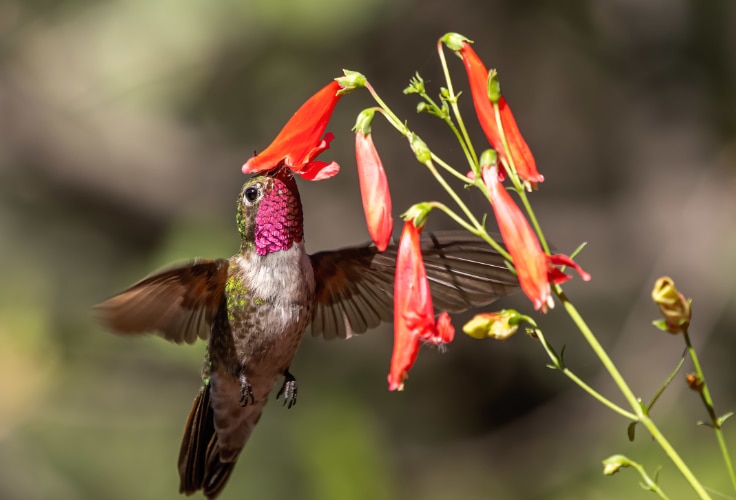
Tubular-shaped flowers fit hummingbirds’ long beaks and tongues. This shape helps them reach nectar.
These flowers provide a perfect feeding spot. They make it easy for hummingbirds to sip nectar quickly.
- Trumpet creeper
- Honeysuckle
- Fuchsia
- Penstemon
Nectar-rich Plants
Nectar-rich plants give hummingbirds the energy they need. More nectar means more visits to your garden.
Choose flowers that produce plenty of sweet nectar. These plants help hummingbirds stay healthy and strong.
- Bee balm
- Columbine
- Salvia
- Trumpet flower

Credit: mygardenlife.com
Perennials To Plant
Hummingbirds love gardens with bright and colorful flowers. Perennials are great because they come back every year. They provide a steady food source for hummingbirds.
Planting the right perennials helps attract hummingbirds to your garden. These flowers usually have tubular shapes that fit hummingbirds’ long beaks.
Bee Balm
Bee Balm is a tall, bright flower that hummingbirds love. It has red, pink, or purple blooms that bloom in summer. It grows well in most soils and full sun.
This plant also attracts bees and butterflies. It spreads quickly, so give it enough space to grow.
Salvia Varieties
Salvia plants come in many colors like red, blue, and purple. They have long, tubular flowers perfect for hummingbirds. Most Salvia types bloom for a long time.
Salvia prefers full sun and well-drained soil. They also attract butterflies and other pollinators.
- Common types: Scarlet Sage, Blue Salvia, Meadow Sage
- Plant in groups for best effect
- Deadhead to encourage more blooms
Columbine
Columbine has unique flowers with spurs that hold nectar. It comes in many colors, such as red, yellow, and purple. Hummingbirds find it easy to drink from these flowers.
This plant grows well in partial shade and moist soil. It blooms in late spring and early summer, adding variety to your garden.
Annuals That Shine
Annual flowers add bright colors to your garden all season. They are perfect for attracting hummingbirds with their vivid blooms and sweet nectar.
Choose annuals that bloom from spring to fall to keep hummingbirds visiting your yard. These plants also fit well in pots or flower beds.
Zinnias
Zinnias have large, colorful flowers that hummingbirds love. They come in red, pink, orange, and yellow shades that catch the eye.
- Plant zinnias in full sun for best blooms.
- They attract many pollinators, including hummingbirds.
- Zinnias grow fast and bloom all summer long.
Petunias
Petunias offer trumpet-shaped flowers that are easy for hummingbirds to feed from. They come in many bright colors like purple, red, and white.
| Care Tips | Details |
| Sunlight | Full sun to partial shade |
| Watering | Keep soil moist but not soggy |
| Bloom Time | Spring to frost |
| Attracts | Hummingbirds, butterflies |
Fuchsias
Fuchsias have hanging flowers shaped like bells. These flowers are rich in nectar and perfect for hummingbirds.
Try these tips for growing fuchsias:
- Place in shaded or partly shaded spots.
- Water regularly to keep soil cool and moist.
- Pinch back stems to encourage bushy growth.
Shrubs And Vines
Shrubs and vines provide food and shelter for hummingbirds. They offer nectar-rich flowers that hummingbirds love.
Planting these can bring hummingbirds to your garden easily. They also add beauty and color.
Trumpet Vine
Trumpet vine is a fast-growing vine with bright orange flowers. Its trumpet-shaped blooms are perfect for hummingbirds.
This vine attracts hummingbirds with its rich nectar. It also provides good cover for them.
- Bright orange, trumpet-shaped flowers
- Blooms from summer to fall
- Grows well on trellises and fences
- Requires full sun for best flowering
Butterfly Bush
Butterfly bush has long flower spikes in many colors. Hummingbirds visit these flowers to feed on nectar.
This shrub grows quickly and blooms all summer. It is easy to care for and attracts many pollinators.
- Flowers in purple, pink, white, and blue
- Blooms from summer to early fall
- Prefers full sun and well-drained soil
- Attracts butterflies and hummingbirds
Honeysuckle
Honeysuckle vines have sweet-smelling flowers that hummingbirds love. They come in red, yellow, and white colors.
This vine grows well on fences and arbors. It provides nectar and a place to rest for hummingbirds.
- Fragrant, tubular flowers
- Blooms in spring and summer
- Grows in sun or partial shade
- Can attract hummingbirds and bees
Creating A Hummingbird Habitat
Hummingbirds bring beauty and life to any garden. They need certain things to thrive. Creating a good habitat helps attract these tiny birds.
Focus on providing water, shelter, and safe plants. These make your garden welcoming for hummingbirds.
Water Sources
Hummingbirds need fresh water for drinking and bathing. A shallow water source works best. Moving water can catch their attention.
- Use a birdbath with a shallow basin
- Add a small fountain or dripper for moving water
- Keep water clean and change it often
- Place water sources near flowers for easy access
Safe Shelter
Hummingbirds need places to rest and hide from predators. Shrubs and trees provide good shelter. Plant native bushes to create a natural cover.
| Type of Shelter | Benefits |
| Evergreen Shrubs | Provide year-round cover |
| Flowering Trees | Offer perches and food |
| Dense Bushes | Protect from wind and predators |
Avoiding Pesticides
Pesticides harm hummingbirds and the insects they eat. Use natural methods to control pests. This keeps your garden safe and healthy.
- Choose organic pest control options
- Encourage beneficial insects like ladybugs
- Avoid spraying plants when hummingbirds are active
- Grow plants that resist pests naturally
Seasonal Planting Tips
Attract hummingbirds to your garden by planting flowers they love. Different plants bloom in each season. This helps keep hummingbirds visiting all year.
Learn which plants to grow in spring, summer, and fall. Follow these tips to create a colorful and hummingbird-friendly space.
Spring Selections
Choose bright flowers that bloom early. Hummingbirds need nectar after winter. Plant red and orange flowers to catch their eye.
- Columbine
- Bleeding Heart
- Penstemon
- Fuchsia
- Salvia
Summer Blooms
Summer brings many hummingbird favorites. Provide plenty of nectar with these plants. They bloom during the hottest months.
| Plant | Color | Water Needs |
| Bee Balm | Red, Pink | Moderate |
| Trumpet Vine | Orange | Low |
| Lantana | Yellow, Orange | Moderate |
| Honeysuckle | Red, Yellow | High |
Fall Favorites
Fall flowers help hummingbirds prepare for migration. Choose plants that bloom late. These provide food when others fade.
- Asters
- Goldenrod
- Chrysanthemums
- Japanese Anemone
Care And Maintenance
Choosing plants that attract hummingbirds is only the first step. Proper care helps these plants stay healthy and bloom well. Healthy plants provide more nectar for hummingbirds to enjoy.
Good care includes watering, pruning, and using the right soil. Each factor affects how well your plants grow and how attractive they are to hummingbirds.
Watering Needs
Most hummingbird plants prefer regular watering to keep the soil moist. Avoid letting the soil dry out completely. Too much water can cause root problems.
Water early in the day to reduce evaporation. Use drip irrigation or watering cans to avoid wetting the leaves too much.
- Keep soil evenly moist, not soggy
- Water more during hot, dry weather
- Reduce watering in rainy or cool seasons
- Water at the plant base to protect leaves
Pruning Guidelines
Prune plants to encourage new growth and more flowers. Remove dead or faded blooms to help the plant focus energy on making nectar.
Cut back overgrown branches to keep the plant healthy and shaped. Pruning also improves air flow and reduces disease risk.
- Prune after the main blooming period
- Use clean, sharp tools for cutting
- Remove dead, weak, or crowded branches
- Shape plants to allow sunlight inside
Soil Preferences
Hummingbird plants grow best in well-draining soil. Good drainage prevents root rot and keeps roots healthy. Loamy soil with organic matter works well.
Adding compost or mulch helps keep moisture and adds nutrients. Avoid heavy clay or sandy soils without improvement.
- Use soil that drains water quickly
- Mix organic compost into the soil
- Add mulch to keep soil moist and cool
- Avoid compacted or poor-quality soil
Credit: avibirds.com
Frequently Asked Questions
What Are The Best Flowers To Attract Hummingbirds?
Best flowers include trumpet vine, bee balm, salvia, and columbine. These plants offer bright colors and rich nectar hummingbirds love.
How Do I Attract Hummingbirds To My Garden?
Plant native, nectar-rich flowers in clusters. Provide fresh water, avoid pesticides, and add feeders with sugar water to attract hummingbirds.
When Is The Best Time To See Hummingbirds?
Hummingbirds are most active during early morning and late afternoon. Seasonal migration peaks in spring and late summer months.
Can Hummingbirds Eat Any Type Of Flower Nectar?
Hummingbirds prefer nectar from tubular, brightly colored flowers. Avoid artificial or processed nectars that can harm them.
Conclusion
Hummingbirds bring joy to any garden. Choosing the right plants is key. Bright colors and sweet nectar attract these tiny wonders. Flowers like trumpet vine and bee balm are great options. They thrive in most climates and are easy to grow.
Your garden becomes a lively, vibrant space. Delight in the sight of hummingbirds flitting about. Nature’s beauty at your doorstep. Simple choices make a big difference. Plant wisely and enjoy the magic. A garden alive with hummingbirds offers endless enjoyment.
Start planting today and watch them come.


