
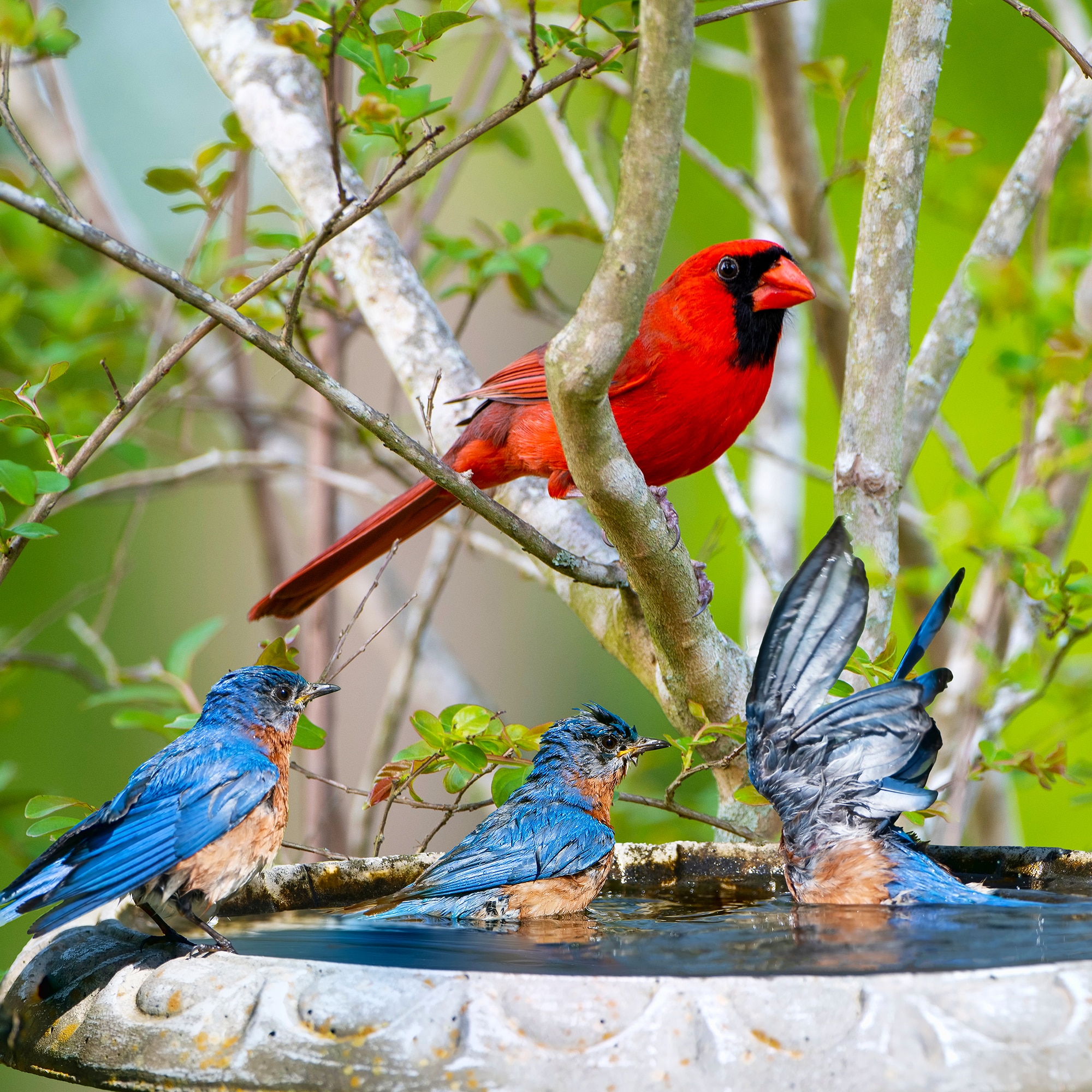
Do you want to bring more life and color to your urban yard? Attracting birds can turn your outdoor space into a lively, peaceful haven.
Imagine waking up to the gentle songs of birds, watching colorful feathers flit from tree to tree right outside your window. It’s easier than you think to invite these beautiful visitors into your yard. You’ll discover simple, effective ways to create a bird-friendly environment that suits your city setting.
Ready to transform your yard and enjoy nature’s charm every day? Keep reading to find out how.
Choose Bird-friendly Plants
Creating a bird-friendly urban yard starts with the right plants. Birds need food and shelter. Choosing plants that support local bird species helps attract them.
Focus on plants that offer food like nectar, seeds, or berries. Also, pick plants that provide safe places for nesting and resting.
Native Flowers And Shrubs
Native flowers and shrubs are best for urban yards. They grow well without much care. Birds find the insects and seeds they need on these plants.
- Black-eyed Susan attracts butterflies and small birds
- Milkweed provides nectar and shelter for many species
- Wild blueberry bushes offer food and cover for birds
- Serviceberry shrubs produce berries loved by birds
Berry-producing Trees
Berry-producing trees give birds a natural food source. These trees feed many birds during fall and winter. Choose trees native to your area for best results.
| Tree | Berry Color | Birds Attracted |
|---|---|---|
| American Holly | Red | Robins, Cedar Waxwings |
| Mulberry | Black | Mockingbirds, Thrushes |
| Dogwood | White | Woodpeckers, Bluebirds |
| Elderberry | Dark Purple | Finches, Sparrows |
Seasonal Blooms
Plant flowers that bloom in different seasons. This gives birds food all year. Early blooms provide nectar for hummingbirds and late blooms offer seeds.
- Spring: Columbine and Redbud
- Summer: Coneflower and Bee Balm
- Fall: Goldenrod and Aster
- Winter: Witch Hazel and Winterberry

Credit: lawnlove.com
Provide Fresh Water Sources
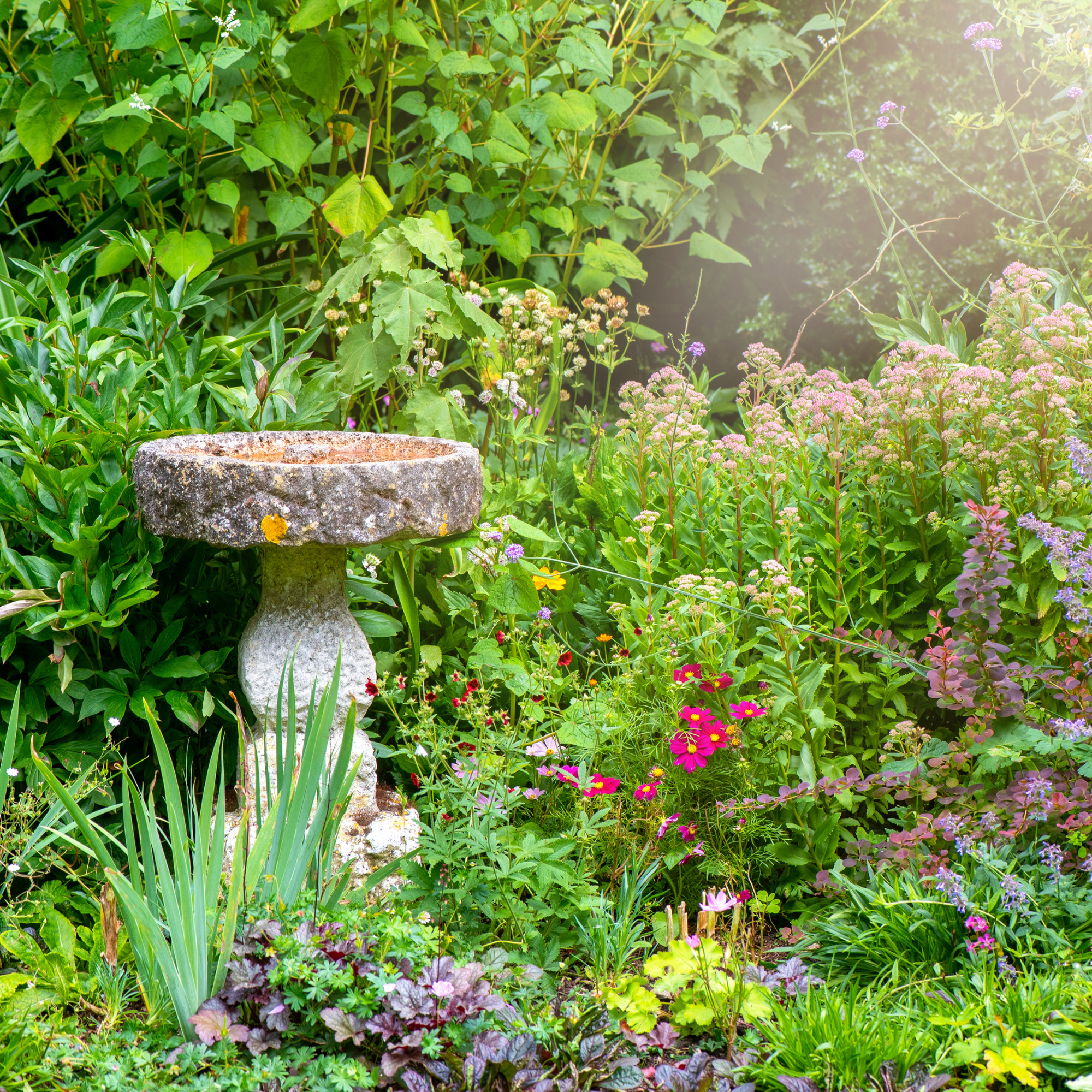
Birds need fresh water to drink and bathe. Providing water helps them stay healthy and clean. Water sources also attract many bird species to your yard.
Offering clean, fresh water is an easy way to support birds in urban areas. It makes your yard a safe place for birds to visit every day.
Birdbaths And Fountains
Birdbaths are shallow basins where birds can drink and bathe. Fountains add sound and movement, attracting more birds. Both provide important water sources in urban yards.
Choose birdbaths that are easy to clean and have gentle slopes. Fountains with low water flow help birds feel safe while drinking.
Maintaining Clean Water
Birds need clean water to stay healthy. Dirty water can spread diseases and keep birds away. Change water often to keep it fresh and safe.
Remove leaves, dirt, and algae regularly. Clean birdbaths with a scrub brush and mild soap once a week. Rinse well to avoid harming birds.
- Change water every 2-3 days
- Scrub birdbaths weekly
- Keep water shallow, about 1-2 inches deep
- Place baths in shaded spots to slow algae growth
Creating Moving Water Features
Moving water attracts birds more than still water. It looks fresh and feels safer for them. Simple moving water features include drippers, misters, and small fountains.
Use a small pump or gravity to create gentle water movement. Moving water sounds can also hide noises from predators, making birds feel secure.
- Install drippers or misters to add movement
- Use solar-powered pumps for small fountains
- Keep water shallow and easy to access
- Place features near trees or shrubs for shelter
Offer Suitable Food
Providing the right food helps attract birds to your urban yard. Birds need food that matches their natural diet. This encourages them to visit and stay longer.
Knowing what to feed birds and how to offer it can make your yard a safe spot for many species.
Types Of Bird Feeders
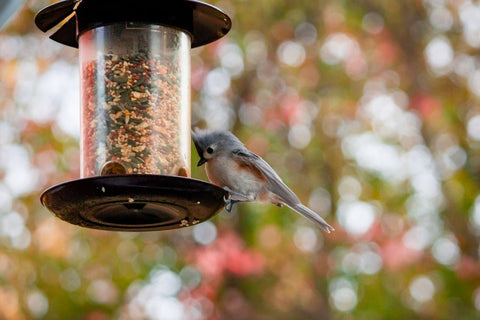
Bird feeders come in many styles to hold different foods. Tube feeders work well for seeds. Hopper feeders keep food dry and fresh. Platform feeders let birds eat a variety of foods.
- Tube feeders for small seeds like millet and sunflower
- Hopper feeders for mixed seeds and nuts
- Platform feeders for fruits, peanuts, and suet
- Suet cages for high-energy fat blocks
- Nectar feeders for hummingbirds
Best Seeds And Feed Mixes
| Seed Type | Birds Attracted |
| Black Oil Sunflower | Sparrows, Cardinals, Chickadees |
| Millet | Juncos, Doves, Sparrows |
| Nyjer (Thistle) | Finches, Siskins |
| Peanuts | Woodpeckers, Jays |
| Safflower | Cardinals, Grosbeaks |
Choose seed mixes without fillers like red millet or oats. These are less eaten and create waste.
Feeding Tips For Different Seasons
- Spring: Offer high-protein foods like mealworms for nesting birds
- Summer: Provide fresh fruits and water to help with heat
- Fall: Add seeds high in fat to prepare birds for migration
- Winter: Use suet and black oil sunflower seeds for energy
Keep feeders clean and dry all year. Change food often to prevent mold and disease.
Credit: www.idealhome.co.uk
Create Safe Shelter
Birds need safe places to rest and raise their young. Providing shelter helps birds feel secure in your urban yard.
Safe shelter protects birds from weather and predators. You can use simple methods to offer these safe spots.
Nest Boxes And Birdhouses
Nest boxes give birds a safe place to build nests. They protect eggs and young birds from harm.
- Place boxes 5 to 10 feet above the ground
- Face the entrance away from prevailing winds
- Use untreated wood for natural protection
- Clean boxes yearly to prevent parasites
- Ensure the entrance hole fits the bird species
Dense Shrubs And Trees
Dense shrubs and trees offer natural cover and nesting sites. Birds hide from predators and bad weather in thick plants.
| Plant Type | Benefits for Birds |
| Evergreen Shrubs | Year-round cover and shelter |
| Native Trees | Food, nesting spots, and shelter |
| Berry-Producing Bushes | Food and dense cover |
| Flowering Shrubs | Attract insects for bird food |
Avoiding Predators
Protect birds by reducing predator risks. Choose shelter spots that keep birds safe from cats and other threats.
Tips to avoid predators:
- Place nest boxes away from low branches
- Keep feeding areas clear of hiding spots for cats
- Use metal guards on poles to block squirrels
- Trim plants near nests to improve visibility
Maintain A Bird-friendly Environment
Creating a safe and welcoming space helps birds thrive in your urban yard. It also makes birdwatching more enjoyable.
Simple changes can protect birds and support their natural habits. Focus on their needs for food, shelter, and safety.
Minimizing Chemical Use
Chemicals like pesticides and herbicides can harm birds and their food sources. Avoid using these chemicals in your yard.
Choose natural pest control methods to keep your plants healthy without risking bird safety.
- Use hand-picking to remove pests
- Plant pest-repellent plants like marigolds
- Encourage beneficial insects that eat pests
Providing Natural Perches
Birds need places to rest and watch for food or danger. Natural perches like branches offer safe resting spots.
Leave some dead trees or branches in your yard for birds to use. Avoid cutting all branches to create a natural habitat.
- Keep native trees and shrubs
- Place branches at different heights
- Use rough bark trees for better grip
Encouraging Insects For Food
Many birds eat insects for protein. Supporting insect life helps feed birds naturally.
Grow a variety of native plants to attract insects. Avoid removing leaf litter and dead wood that insects use for shelter.
- Plant flowers that attract pollinators
- Leave some areas wild and undisturbed
- Use organic mulch to support soil insects
Credit: www.birdfy.com
Attract Specific Bird Species
Creating an urban yard that welcomes birds can brighten your outdoor space. Different birds prefer different habitats and foods. By knowing what each species likes, you can design your yard to attract them.
Focus on planting the right flowers, trees, and shrubs. Also, provide food and water sources that suit the birds you want to see. This guide helps you attract hummingbirds, sparrows, finches, and birds that control pests.
Attracting Hummingbirds
Hummingbirds love bright flowers with lots of nectar. Red, orange, and pink flowers attract them the most. You can also use feeders filled with sugar water to bring them closer.
- Plant trumpet vine, bee balm, or salvia
- Set up hummingbird feeders with fresh sugar water
- Place feeders in shady spots to keep water cool
- Keep feeders clean to prevent mold and disease
Welcoming Sparrows And Finches
Sparrows and finches enjoy seeds and small plants. They like open spaces with low bushes or grass to hide in. Offering a variety of seeds will invite more of these birds.
| Bird Species | Preferred Food | Habitat Feature |
| House Sparrow | Millet, cracked corn | Dense shrubs, open ground |
| American Goldfinch | Sunflower seeds, thistle | Tall weeds, seed heads |
| Chipping Sparrow | Grass seeds, insects | Open lawns, shrubs |
Birds For Pest Control
Some birds help control pests by eating insects. Swallows, wrens, and chickadees are good examples. Providing nesting boxes and water will encourage these helpful birds.
- Install birdhouses for nesting
- Plant native trees and shrubs
- Keep a fresh water source nearby
- Avoid using pesticides in your yard
Frequently Asked Questions
How Do I Attract More Birds To My Urban Yard?
Provide native plants, fresh water, and bird feeders. Avoid pesticides and create safe shelter spots. These elements make your yard appealing to local birds.
What Types Of Feeders Work Best For City Birds?
Platform, tube, and suet feeders attract various urban birds. Use seed mixes like sunflower or millet. Clean feeders regularly to prevent disease.
Which Plants Are Ideal For Attracting Urban Birds?
Choose native shrubs, trees, and flowers with berries or seeds. Examples include serviceberry, dogwood, and coneflowers. Native plants provide natural food and shelter.
How Important Is Water For Urban Bird Attraction?
Very important. Birds need fresh water for drinking and bathing. Use birdbaths or shallow dishes and change water daily to keep it clean.
Conclusion
Creating a bird-friendly urban yard is rewarding and simple. Use native plants to attract local birds. Provide fresh water for drinking and bathing. Install feeders with seeds and fruits. These invite various bird species. Avoid using harmful pesticides. They can harm birds.
Ensure your yard has shelter like shrubs or birdhouses. This keeps birds safe. Consistent efforts make your yard a bird haven. Enjoy the beauty and songs they bring. Birdwatching becomes a daily delight. Plus, it connects you with nature in the city.
Start today and watch your urban yard come alive.


