
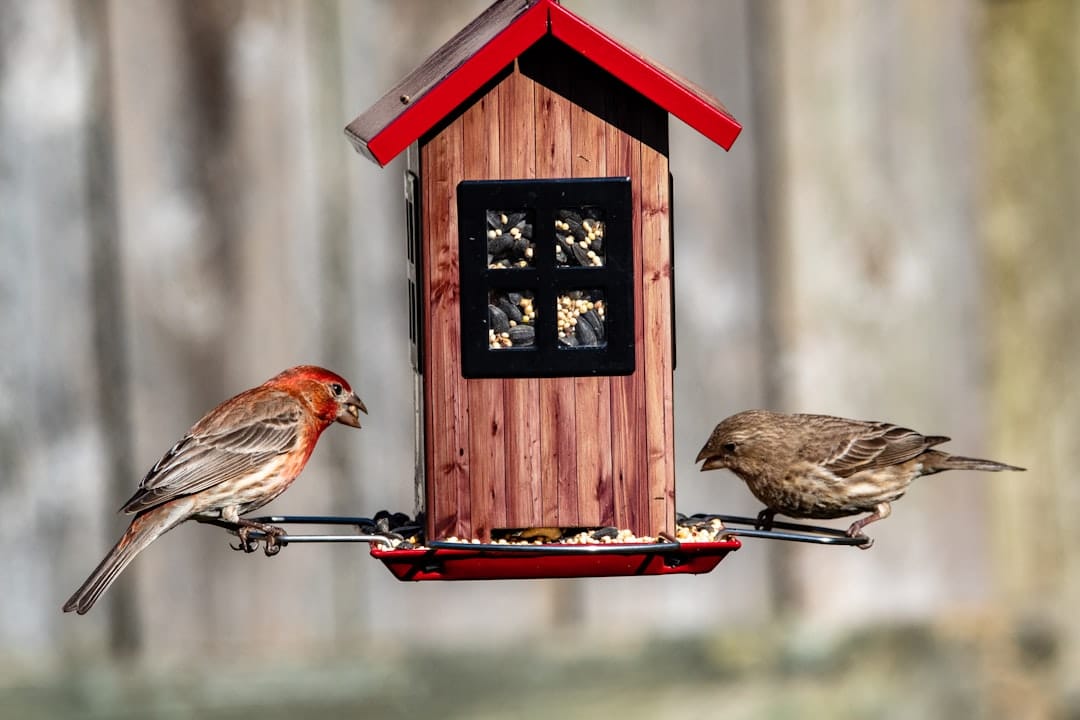
Do you want to welcome more birds into your outdoor space? Providing shelter is one of the easiest and most effective ways to attract them.
When birds feel safe and comfortable, they are more likely to visit and stay longer. You’ll discover simple tips to create the perfect bird-friendly shelter. By making a few thoughtful changes, you can turn your yard into a lively haven full of colorful, cheerful visitors.
Keep reading to learn how to invite nature’s beauty right to your doorstep.

Credit: avibirds.com
Choosing The Right Shelter
Providing shelter helps attract birds to your yard. Birds look for safe places to rest and nest.
Choosing the right shelter depends on the type of birds you want to attract. It also depends on your local environment.
Types Of Birdhouses
Birdhouses offer birds a safe place to nest and hide from predators. Different birds prefer different styles and sizes.
- Box birdhouses with a small entrance hole suit many songbirds.
- Open-front birdhouses attract birds that like to perch outside.
- Birdhouses with sloped roofs help keep rain out.
- Some birdhouses have multiple compartments for bird families.
- Choose a birdhouse size based on the bird species.
Natural Shelter Options
Birds also like natural shelters. Trees, shrubs, and brush piles give cover and nesting spots.
| Natural Shelter | Benefits |
| Tall Trees | Protection from wind and predators |
| Dense Shrubs | Good for small birds and nesting |
| Brush Piles | Safe hiding and feeding spots |
| Vines and Ivy | Cover and nesting material |
Materials That Attract Birds
Birds prefer shelters made from natural materials. These feel safe and blend with nature.
- Untreated wood is best for birdhouses and feeders.
- Bark and twigs can line nests and attract birds.
- Natural fibers like coconut coir invite birds to build nests.
- Avoid painted or treated materials that may harm birds.
Placement Strategies
Placing bird shelters carefully helps attract more birds. Birds need safety and comfort.
Good placement keeps birds safe from harm and lets them rest easily.
Safe Locations
Choose locations that protect birds from strong winds and heavy rain. Avoid open spaces where birds feel exposed.
- Near dense bushes or trees
- Away from busy human activity
- Close to natural food sources
- Shaded areas to avoid heat
Ideal Heights
Height helps birds feel secure and watch for danger. Place shelters at the right level for different bird types.
| Bird Type | Recommended Height |
| Small songbirds | 5 to 10 feet (1.5 to 3 meters) |
| Woodpeckers and owls | 10 to 20 feet (3 to 6 meters) |
| Larger birds | Above 20 feet (6 meters) |
Avoiding Predators
Protect birds from cats, snakes, and other predators. Use safe features to keep shelters secure.
- Place shelters away from thick ground cover where predators hide
- Use metal baffles or guards on poles to stop climbing predators
- Avoid placing shelters near bird feeders that attract predators
- Check regularly for signs of predator activity
Enhancing The Environment
Birds need safe places to live and find food. Creating shelter helps attract more birds to your yard.
Adding natural elements makes the environment better for birds. This helps them stay and thrive.
Planting Native Trees And Shrubs
Native trees and shrubs provide food and shelter for local birds. They offer places to hide and build nests.
Choose plants that grow well in your area. These plants attract insects and berries birds like to eat.
- Oak trees support many bird species
- Berry-producing shrubs give food in fall and winter
- Evergreens offer year-round shelter
Creating Brush Piles
Brush piles are stacks of small branches and leaves. They give birds a place to hide from predators.
Make brush piles in quiet areas of your yard. These piles also help insects and small animals that birds eat.
- Use twigs, small branches, and leaves
- Keep piles away from busy paths
- Make piles at least 3 feet wide and tall
Incorporating Water Sources
Birds need water for drinking and bathing. Adding water sources makes your yard more inviting.
Use birdbaths, small ponds, or shallow dishes. Change the water often to keep it clean.
- Place water in open areas for safety
- Use rough surfaces to help birds grip
- Add rocks or twigs for perches
Credit: avibirds.com
Maintenance Tips
Providing shelter for birds helps attract them to your yard. Proper maintenance keeps birdhouses safe and inviting.
Regular care improves the chances that birds will return year after year.
Cleaning Birdhouses
Clean birdhouses at least once a year. Remove old nests and debris to prevent parasites and disease.
Use a mild bleach solution to disinfect the inside. Rinse well and let the birdhouse dry completely before reuse.
- Wear gloves for protection
- Scrape away old nesting material
- Use one part bleach to nine parts water
- Rinse and air dry fully
- Do not use harsh chemicals
Seasonal Adjustments
Adjust birdhouses according to the seasons. Close entrances in winter to keep out cold drafts.
In spring, open birdhouses early to welcome nesting birds. Check for damage after storms and fix it promptly.
- Seal gaps to keep out rain and wind
- Remove extra insulation in summer
- Place birdhouses where they get morning sun
- Ensure good ventilation for hot months
Monitoring Bird Activity
Watch birdhouses regularly to see which species visit. Note nesting success or any problems you observe.
Use this information to improve shelter placement and care. Avoid disturbing birds during nesting to keep them safe.
- Keep a notebook of bird visits and behaviors
- Look for signs of predators or parasites
- Adjust shelter height or location if needed
- Provide fresh water and food nearby
Additional Attractants
Adding extra features can help bring more birds to your shelter. Birds look for food, materials, and safe places.
Using these attractants makes your space inviting and useful for many bird types.
Feeding Stations
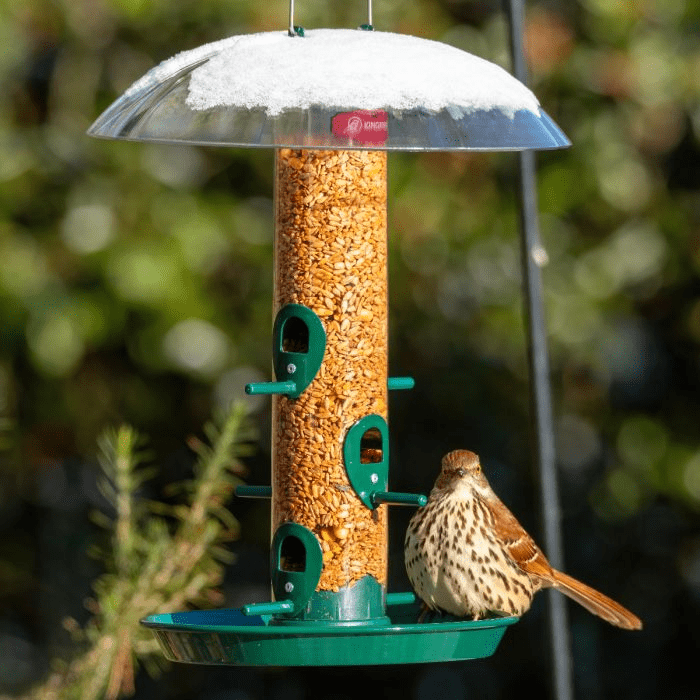
Feeding stations give birds a reason to visit your shelter often. They offer easy access to food.
Place feeders near trees or shrubs to provide cover and safety. Use different types of feeders to attract more species.
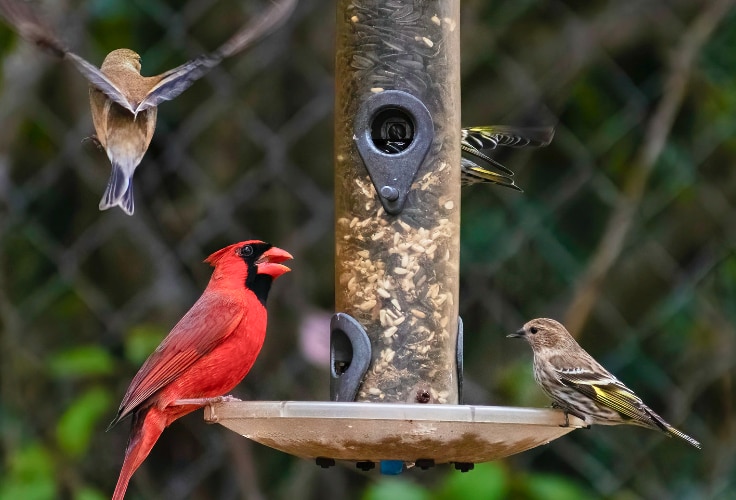
- Seed feeders attract finches and sparrows
- Suet feeders bring woodpeckers and nuthatches
- Hummingbird feeders attract hummingbirds with nectar
- Ground feeders serve doves and juncos
Nest Materials
Birds need soft and safe materials to build their nests. Provide natural items close to your shelter.
Offer materials that birds can easily carry. Keep them dry and clean to avoid harm.
- Small twigs and dry grass
- Feathers and soft hair
- Cotton fibers (natural, not synthetic)
- Shredded leaves or bark
Using Bird-friendly Colors
Colors can attract or scare birds. Use shades that feel safe and natural.
Bright colors like red and yellow attract some birds, but avoid too much glare. Earth tones blend well with nature.
- Use green, brown, and gray for shelters
- Add small red or yellow accents for attention
- Avoid shiny or reflective surfaces
- Paint feeders in soft, natural colors
Credit: www.kingsyard.com
Frequently Asked Questions
What Types Of Shelter Attract The Most Birds?
Birds prefer natural shelters like dense shrubs, trees, and brush piles. Birdhouses and nesting boxes also attract many species. Providing diverse shelter options increases bird visits and supports their safety and nesting needs.
How Does Shelter Impact Bird Feeding Habits?
Shelter offers birds protection from predators while feeding. It encourages them to stay longer and visit more often. Placing feeders near natural or artificial shelters increases bird activity and feeding success.
Can Shelter Improve Bird Nesting Success?
Yes, secure shelters protect nests from harsh weather and predators. Properly placed birdhouses and dense vegetation increase nesting chances. Safe shelter helps birds raise healthy chicks and supports local bird populations.
What Plants Provide The Best Natural Bird Shelter?
Evergreen trees, dense shrubs, and native bushes offer excellent shelter. These plants provide cover year-round and food sources. Choosing native species ensures the shelter meets local birds' needs effectively.
Conclusion
Creating a bird-friendly environment is simple and rewarding. Provide safe shelters for birds. Use trees, shrubs, and birdhouses. These attract various birds to your garden. Watch their colorful presence and listen to their songs. Regular maintenance keeps them coming back.
Clean and repair shelters when needed. Include water sources and feeders for more attraction. Enjoy the beauty and life birds bring. Your garden becomes a lively sanctuary. It's a joy for both you and the birds. Embrace nature's vibrant visitors today.


