
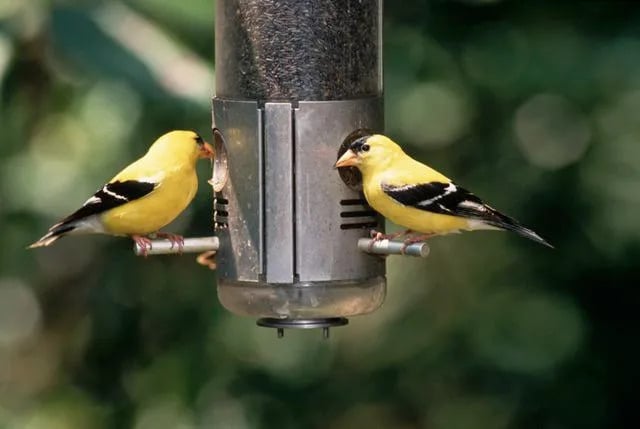
Have you ever wished your garden or backyard was alive with colorful, singing birds? Imagine stepping outside and seeing birds fluttering around, bringing life and joy to your space every day.
Attracting birds isn’t as hard as you might think. With a few simple changes, you can turn your outdoor area into a bird magnet. Keep reading, and you’ll discover easy tips that will have feathered friends visiting you before you know it.
Your peaceful, nature-filled oasis is just a few steps away.
Choosing The Right Location
Picking the best spot is key to attracting birds. Birds need safe and comfortable places to visit.
Look for areas that meet their needs. The right location helps birds feel welcome and stay longer.
Finding A Quiet Spot
Birds like calm places away from loud noises. Avoid busy roads and noisy machines.
Choose a spot with little human activity. This helps birds feel safe and relax.
Considering Sunlight And Shelter
Birds need sunlight for warmth and energy. Pick a spot that gets morning sun but has shade later.
Shelter protects birds from wind and rain. Trees or shrubs nearby offer good cover for resting.
- Morning sun helps birds warm up.
- Shade in the afternoon prevents overheating.
- Trees and bushes provide shelter and safety.

Credit: avibirds.com
Selecting Bird Feeders And Food
Attracting birds to your yard starts with the right feeders and food. Different birds prefer different feeders and seeds.
Choosing the correct type of feeder and food helps you see more birds and keep them healthy.
Types Of Bird Feeders
There are many feeders to choose from. Each feeder suits different bird species and seed types.
- Tube Feeders:Long cylinders with small feeding ports. Good for small birds like finches and chickadees.
- Hopper Feeders:Box-shaped feeders that hold a large amount of seed. Attracts medium to large birds like cardinals and jays.
- Sock Feeders:Made of mesh or cloth. Great for offering thistle or nyjer seed to finches.
- Platform Feeders:Flat trays that hold many seed types. Good for ground-feeding birds like doves and sparrows.
- Nectar Feeders:Designed for hummingbirds and orioles. Filled with sugar water or nectar.
Best Seeds And Snacks
Bird food varies by species. Offering a variety of seeds and snacks invites more kinds of birds.
| Seed or Snack | Bird Types Attracted |
| Black Oil Sunflower Seeds | Cardinals, finches, chickadees, nuthatches |
| Nyjer (Thistle) Seed | Goldfinches, siskins, redpolls |
| Safflower Seeds | Cardinals, grosbeaks, doves |
| Millet | Sparrows, doves, juncos |
| Peanuts (shelled or unshelled) | Woodpeckers, jays, titmice |
| Nectar (Sugar Water) | Hummingbirds, orioles |
Adding Water Sources
Birds need water to drink and bathe. Adding water sources helps attract many birds to your yard.
Water also keeps birds cool and cleans their feathers. Choose safe and easy-to-clean options.
Birdbaths And Fountains
Birdbaths are shallow basins filled with water. Birds use them to drink and splash around.
Fountains add moving water that catches birds’ attention. Flowing water feels fresher to birds.
- Place birdbaths in open spots for easy bird access
- Use shallow water, about 1 to 2 inches deep
- Choose fountains with gentle water movement
- Keep birdbaths near trees or shrubs for shelter
Maintaining Clean Water
Clean water keeps birds healthy. Dirty water can spread disease and scare birds away.
Change water often. Clean birdbaths and fountains weekly to remove dirt and algae.
- Empty and scrub birdbaths with a brush
- Use mild soap, then rinse well
- Remove leaves and debris daily
- Refill with fresh water every day
Planting Bird-friendly Vegetation
Creating a bird-friendly garden starts with planting the right vegetation. Birds need food, shelter, and places to nest.
Choosing plants that support local wildlife will attract more birds to your space. Native plants are a great choice.
Native Plants And Trees
Native plants and trees provide natural food and shelter for birds. They adapt well to your region and need less care.
- Oak trees produce acorns that many birds eat.
- Serviceberry bushes offer berries in spring and summer.
- Maple trees provide seeds and shelter for nesting.
- Dogwood shrubs have berries that attract songbirds.
- Willow trees offer insects and materials for nests.
Flowers That Attract Birds
Bright flowers attract hummingbirds and other nectar feeders. Plant a variety to bloom across seasons.
| Flower | Bird Species Attracted | Bloom Season |
| Bee Balm | Hummingbirds, Orioles | Summer |
| Cardinal Flower | Hummingbirds | Late Summer |
| Sunflower | Finches, Sparrows | Late Summer to Fall |
| Salvia | Hummingbirds, Wrens | Spring to Fall |
| Trumpet Vine | Hummingbirds | Summer |
Creating Shelter And Nesting Spots
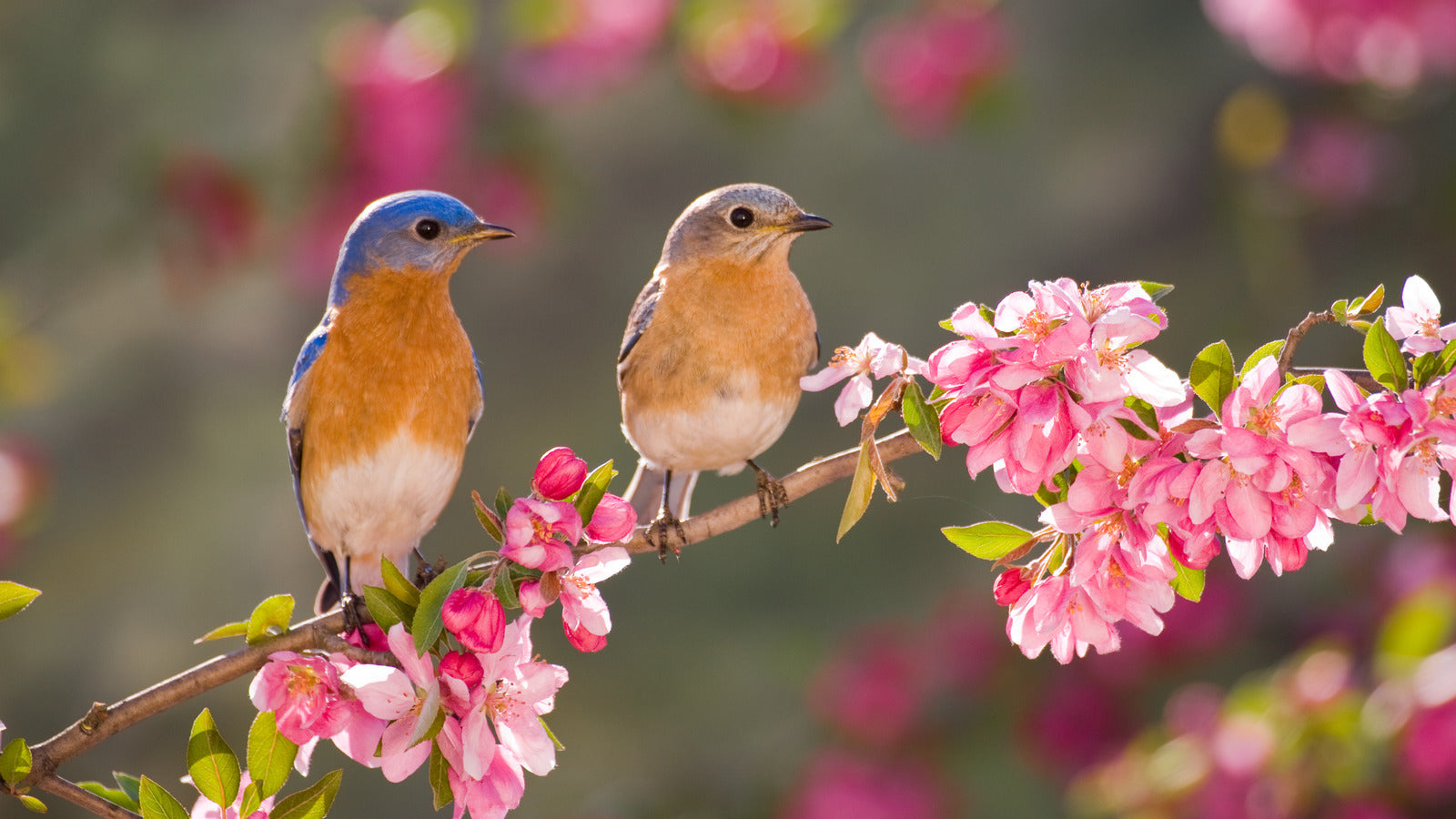
Attracting birds to your garden starts with offering them safe places to rest and nest. Birds seek shelter to protect themselves from weather and predators. Providing good nesting spots encourages birds to visit and stay longer.
There are simple ways to create shelters that fit different bird species. Using birdhouses, nesting boxes, and natural covers helps meet their needs. Let’s explore these options in detail.
Birdhouses And Nesting Boxes
Birdhouses and nesting boxes offer safe, dry places for birds to build their nests. You can buy them or make your own from wood. Place them in quiet spots away from heavy foot traffic.
- Use untreated wood to avoid harming birds
- Keep the entrance hole size right for target birds
- Mount boxes 5 to 10 feet above ground
- Face entrances away from prevailing winds
- Clean boxes yearly after breeding season
Natural Cover Options
Natural covers provide birds with shelter and nesting sites using plants and natural materials. Shrubs, trees, and dense bushes create safe spots for birds to hide and raise young.
| Natural Cover | Benefits | Examples |
| Evergreen Trees | Year-round cover and protection | Pine, Spruce, Fir |
| Thick Shrubs | Good for low nesting and hiding | Holly, Boxwood, Juniper |
| Climbing Plants | Cover on fences or walls | Honeysuckle, Ivy, Clematis |
Credit: lakesidegardengallery.com
Avoiding Common Mistakes
Attracting birds to your yard can be fun and rewarding. Avoiding common mistakes helps keep birds safe and happy.
Simple changes can make a big difference in your bird-friendly space. Learn how to prevent problems that scare birds away.
Preventing Predators
Predators like cats and hawks can scare birds from your yard. Protect birds by reducing easy access for these animals.
Keep bird feeders away from places where predators can hide. Use baffles or guards on poles to block cats.
- Place feeders at least 10 feet from trees or fences
- Use metal poles with baffles to stop climbing cats
- Trim bushes near feeders to reduce hiding spots for hawks
- Keep cats indoors or supervise them outside
Avoiding Harmful Chemicals
Birds can get sick from pesticides and chemicals in your garden. Use natural methods to protect plants instead.
Choose organic fertilizers and avoid sprays that may harm birds. Wash feeders and baths regularly to keep birds healthy.
- Use homemade pest control with soap and water
- Plant native flowers that attract insects naturally
- Clean bird feeders every two weeks to prevent disease
- Keep water fresh and change it daily
Observing And Enjoying Bird Activity
Watching birds can be a peaceful and fun hobby. It lets you connect with nature and learn about different species. You can enjoy birds in your backyard or local park.
To get the most from birdwatching, keep track of what you see and find ways to capture their beauty. These habits help you notice details and grow your interest.
Keeping A Bird Journal
A bird journal helps you remember birds and their behaviors. Write down the bird type, time, place, and what it was doing. This record builds your knowledge over time.
- Note the date and location
- Describe the bird’s color and size
- Record any sounds or calls
- Write about the bird’s actions
- Sketch or attach photos if possible
Photographing Backyard Birds
Taking photos of birds captures special moments. Use a camera or smartphone with zoom. Be patient and move slowly to avoid scaring birds away.
| Tip | Detail |
| Use natural light | Early morning or late afternoon is best |
| Focus on the eyes | Sharp eyes make photos more lively |
| Choose a clean background | Simple backgrounds show the bird clearly |
| Stay quiet | Sudden noise can scare birds off |
| Take many shots | More pictures increase chances of a good one |

Credit: www.gardencentreoxford.com
Frequently Asked Questions
What Are The Best Bird Feeders To Start With?
Start with tube feeders or platform feeders. They attract various bird species and are easy to maintain. Choose feeders that suit local bird types to maximize attraction.
How Can I Create A Bird-friendly Garden?
Plant native flowers, shrubs, and trees. Provide water sources and shelter spots. Avoid pesticides to ensure a safe habitat for birds.
What Types Of Bird Food Attract More Birds?
Offer a mix of seeds, suet, and nectar. Black oil sunflower seeds attract many species. Use fresh food and clean feeders regularly.
When Is The Best Time To Attract Birds?
Early morning and late afternoon are ideal. Birds are most active during these times for feeding and socializing.
Conclusion
Creating a bird-friendly environment is simple and rewarding. Start with bird feeders. Provide fresh water daily. Plant native trees and shrubs. These offer shelter and food. Avoid using harmful chemicals in your garden. Birds are sensitive to them. Be patient.
It takes time to attract birds. Enjoy watching them visit your space. Their songs and colors bring joy. Encourage others to join you. Share your experiences with friends. Together, we can create welcoming habitats. Birds will thank us by thriving.
A beautiful, lively garden awaits. Happy birdwatching!


