Have you ever wondered what kind of wetland you’re stepping into when you visit Thorncrag Bird Sanctuary? Understanding the type of wetland here can change the way you see every bird, plant, and ripple in the water.
It’s not just about nature—it’s about connecting with a unique environment that supports wildlife in special ways. Keep reading to discover what makes Thorncrag’s wetland so important and how it shapes the sanctuary’s vibrant life. You’ll never look at this place the same way again.
Location And Setting
Thorncrag Bird Sanctuary is a natural area dedicated to protecting bird habitats. It is located in Lewiston, Maine.
The sanctuary covers a mix of wetlands and forested land. This variety supports many types of birds and wildlife.
Geographical Location
The sanctuary lies near the Androscoggin River. It is part of the larger Lewiston-Auburn area.
- Situated in southwestern Maine
- Close to urban areas but maintains natural habitats
- Accessible by local roads and trails
Wetland Type
Thorncrag includes a mix of wetland types. These wetlands create important habitats for birds.
| Wetland Type | Description |
| Freshwater Marsh | Shallow water with many grasses and plants |
| Swamp | Wet forested area with standing water |
| Riparian Zone | Area along riverbanks with wet soil |
Surrounding Environment
The sanctuary is surrounded by mixed hardwood forests and open fields. This setting helps support diverse wildlife.
- Wooded areas provide shelter for birds
- Open spaces offer feeding grounds
- Nearby river adds water resources
Wetland Classification
Wetlands are areas where water covers the soil or is near the surface for part of the year. They support unique plants and animals.
Thorncrag Bird Sanctuary includes wetlands that provide important habitats for many bird species. Understanding its wetland type helps protect it.
Types Of Wetlands
Wetlands fall into many groups based on water flow, plant life, and location. The main types are marshes, swamps, bogs, and fens.
- Marshes:Wetlands with soft-stemmed plants and shallow water.
- Swamps:Wetlands with woody plants like trees and shrubs.
- Bogs:Wetlands with peat, acidic water, and mosses.
- Fens:Wetlands with neutral or alkaline water and grasses.
Thorncrag Bird Sanctuary Wetland Type
Thorncrag Bird Sanctuary mainly features marsh wetlands. These areas have shallow water and many grasses and reeds that support birds.
The marsh areas help filter water and provide food and shelter for birds throughout the year.
Characteristics Of Thorncrag Wetlands
| Feature | Description |
| Water Depth | Shallow, usually less than 2 feet |
| Plants | Grasses, sedges, reeds |
| Soil Type | Wet, organic-rich soil |
| Wildlife | Waterfowl, amphibians, insects |
| Water Source | Rainfall and small streams |
Importance Of Wetland Classification
Knowing the wetland type helps manage and protect Thorncrag's habitats. It guides efforts to keep the water clean and plants healthy.
Wetland classification also helps scientists track changes over time. This supports bird conservation in the sanctuary.
Flora And Vegetation
Thorncrag Bird Sanctuary is a wetland rich in plant life. The wetland supports many types of plants that help birds and wildlife.
The plants in this wetland create a healthy habitat. They provide food, shelter, and nesting areas for birds.
Wetland Plants
Many wetland plants grow in Thorncrag Bird Sanctuary. These plants like wet soil and can survive in water.
Common wetland plants include cattails and sedges. These plants help clean the water and stop soil erosion.
- Cattails
- Sedges
- Water lilies
- Pickerelweed
Trees And Shrubs
Along the edges of the wetland, trees and shrubs grow well. They provide shade and places for birds to build nests.
Some trees found here are maples and alders. Shrubs like winterberry add color and food for animals.
- Maple trees
- Alder trees
- Winterberry shrubs
- Buttonbush
Seasonal Changes In Vegetation
Plants in Thorncrag Bird Sanctuary change with the seasons. In spring, new leaves and flowers appear.
In fall, many plants drop seeds that feed birds. This cycle supports wildlife all year long.
- Spring: New growth and flowers
- Summer: Full leaves and food supply
- Fall: Seeds and berries for birds
- Winter: Dormant plants and shelter
Credit: www.alltrails.com
Wildlife And Bird Species
Thorncrag Bird Sanctuary is a mixed wetland area with forests and streams. It offers a safe home for many animals and birds.
The wetland supports different types of wildlife. Birds are a special focus because of their variety and beauty.
Wetland Type At Thorncrag Bird Sanctuary
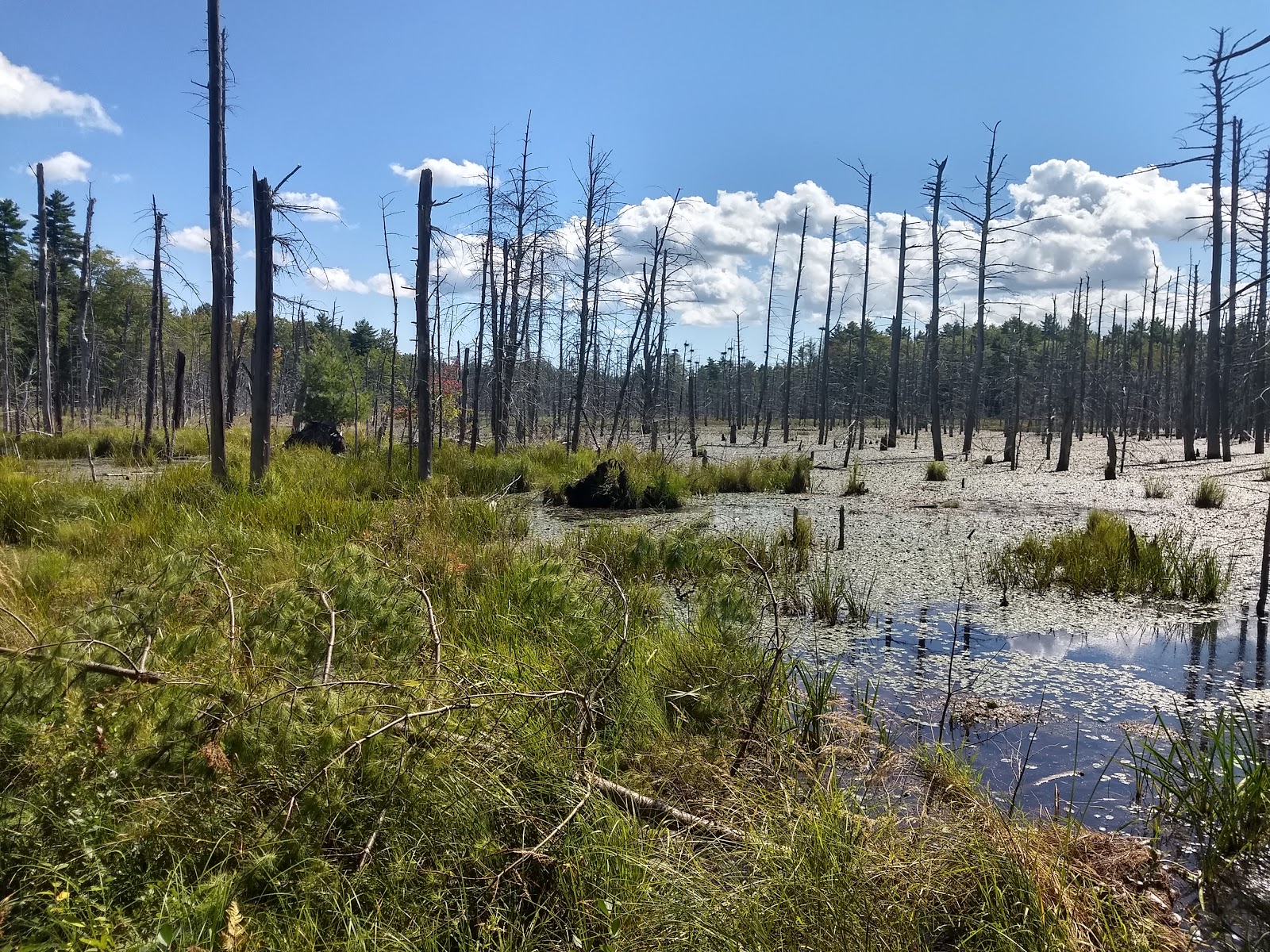
Thorncrag Bird Sanctuary is a freshwater wetland with swampy and forested areas. It has small streams and ponds.
This mix of wetlands helps many species find food, water, and shelter. The area changes with the seasons.
Bird Species Found At Thorncrag
Many bird species live in or visit Thorncrag. It is a good place for bird watchers to see different birds.
Some common birds include songbirds, waterfowl, and raptors. Each species uses the wetland in its own way.
- Woodpeckers tapping on trees
- Ducks swimming in ponds
- Owls hunting at night
- Warblers singing in the bushes
- Hawks soaring above the trees
Other Wildlife In The Sanctuary
Besides birds, Thorncrag has frogs, turtles, and small mammals. These animals rely on the wetland's water and plants.
Insects like dragonflies live near water. They help keep the ecosystem balanced and provide food for birds.
- Frogs croaking near ponds
- Turtles basking on logs
- Squirrels climbing trees
- Dragonflies flying over water
- Beavers building dams
Ecological Importance
Thorncrag Bird Sanctuary is a special wetland that supports many plants and animals. Wetlands like this are important for nature and people.
This wetland helps keep the environment healthy. It offers food, shelter, and breeding places for many species.
Habitat For Wildlife
Thorncrag Bird Sanctuary provides a safe home for birds, amphibians, and insects. Many animals depend on this wetland to live and grow.
Birds use the wetland for nesting and finding food. Some rare species find shelter only in this area.
Water Filtration And Quality
The wetland helps clean water by trapping dirt and chemicals. Plants and soil filter pollutants before water flows downstream.
This natural cleaning process improves water quality for animals and people living nearby.
Flood Control
Thorncrag Bird Sanctuary acts like a sponge during heavy rains. It absorbs extra water and slows down floods.
This reduces flood damage to nearby homes and roads, protecting the local community.
Carbon Storage
Wetlands store carbon in plants and soil. Thorncrag Bird Sanctuary helps lower carbon dioxide in the air.
This helps fight climate change by reducing greenhouse gases in the atmosphere.
Conservation Efforts
Thorncrag Bird Sanctuary is a unique wetland area. It plays a vital role in protecting many bird species. Conservation efforts help keep this habitat safe and healthy.
These efforts focus on preserving the wetland's natural state. They also support the plants and animals that live there. Careful management helps maintain the balance of this special place.
Wetland Type And Habitat
Thorncrag Bird Sanctuary is a forested wetland. It has a mix of trees, shrubs, and water areas. This environment offers shelter and food for many bird species.
Protection Actions
The sanctuary uses several key actions to protect the wetland. These steps help reduce damage and keep the area clean. Visitors are guided to avoid disturbing wildlife.
- Regular clean-up of trash and debris
- Control of invasive plant species
- Monitoring bird populations
- Educational programs for visitors
- Limiting access to sensitive zones
Community Involvement
Local people join in to help protect the sanctuary. Volunteers assist with planting native trees and removing harmful plants. Schools visit to learn about wetland importance.
| Activity | Purpose | Frequency |
| Tree Planting | Restore native habitat | Spring and Fall |
| Bird Counts | Track species health | Monthly |
| Invasive Species Removal | Protect native plants | Seasonal |
| Public Workshops | Raise awareness | Quarterly |
Visitor Experience
Thorncrag Bird Sanctuary is a peaceful wetland area. It offers visitors a chance to see nature up close. This sanctuary is a mix of forest and wetland habitats.
The wetland at Thorncrag is a freshwater swamp. It supports many plants and animals. Visitors can enjoy walking trails and bird watching spots.
Wetland Type And Wildlife
The sanctuary’s wetland is a swamp with standing water and soft soil. It has many trees and shrubs. This creates a home for many bird species and small animals.
- Great blue herons
- Wood ducks
- Red-winged blackbirds
- Frogs and turtles
Visitor Trails And Facilities
Visitors can walk on marked trails around the wetland. These paths are easy to walk and well maintained. There are benches and signs to help visitors learn about the wetland.
| Facility | Description |
| Walking Trails | Easy paths through forest and wetland |
| Bird Watching Areas | Clear spots to see birds closely |
| Educational Signs | Information about plants and animals |
| Benches | Places to rest and enjoy nature |
Best Times To Visit
Spring and fall are the best times to visit. Many birds migrate through the area then. The weather is also mild and pleasant for walking.
Tips for a good visit:
- Bring binoculars for bird watching
- Wear comfortable shoes for walking
- Carry water and snacks
- Respect the natural habitat and stay on paths

Credit: wblm.com
Credit: www.alltrails.com
Frequently Asked Questions
What Type Of Wetland Is Thorncrag Bird Sanctuary?
Thorncrag Bird Sanctuary is primarily a forested wetland with mixed hardwood trees. It includes swamps and small marsh areas that support diverse bird species.
Why Is Thorncrag Bird Sanctuary Considered A Wetland?
The sanctuary has saturated soils and standing water in many areas. These conditions create habitats typical of wetlands, supporting wetland plants and wildlife.
Which Bird Species Thrive In Thorncrag’s Wetland Environment?
Species like wood ducks, herons, and warblers thrive here. The wetland offers food, shelter, and breeding grounds vital for these birds.
How Does Thorncrag’s Wetland Benefit Local Ecology?
It filters water, controls floods, and provides habitat. These wetland functions support biodiversity and maintain ecological balance in the region.
Conclusion
Thorncrag Bird Sanctuary offers a unique wetland experience. Its diverse ecosystem supports various bird species. Visitors can enjoy the rich natural beauty. Educational opportunities abound for nature enthusiasts. The sanctuary provides a peaceful retreat. An ideal spot for birdwatchers and families.
Explore the trails and observe wildlife. Understanding wetlands is crucial for conservation efforts. Thorncrag stands as a valuable ecological site. Protecting this habitat benefits both nature and people. Enjoy the serenity and learn from nature. A visit to Thorncrag inspires appreciation for wetlands.